The Real Reason I Fire to Cone 10
There are easier temperatures to fire to.
Cone 6 is efficient. It’s practical. It’s easier on an electric kiln. Elements last longer. Firings are shorter. There are endless glaze options designed specifically for it.
If I wanted to simplify my life, I’d stop there.
But I don’t.
And the real reason has nothing to do with being stubborn or traditional.
It’s how cone 10 glazes look.
The first time I compared a cone 6 glaze to a cone 10 glaze side by side, I didn’t have the language for it yet. I just knew one felt deeper.
Cone 6 surfaces often sit on top of the clay. They can be bright, clean, consistent. They do what they’re supposed to do. The color shows up as advertised. The finish is reliable.
But cone 10 glazes move differently.
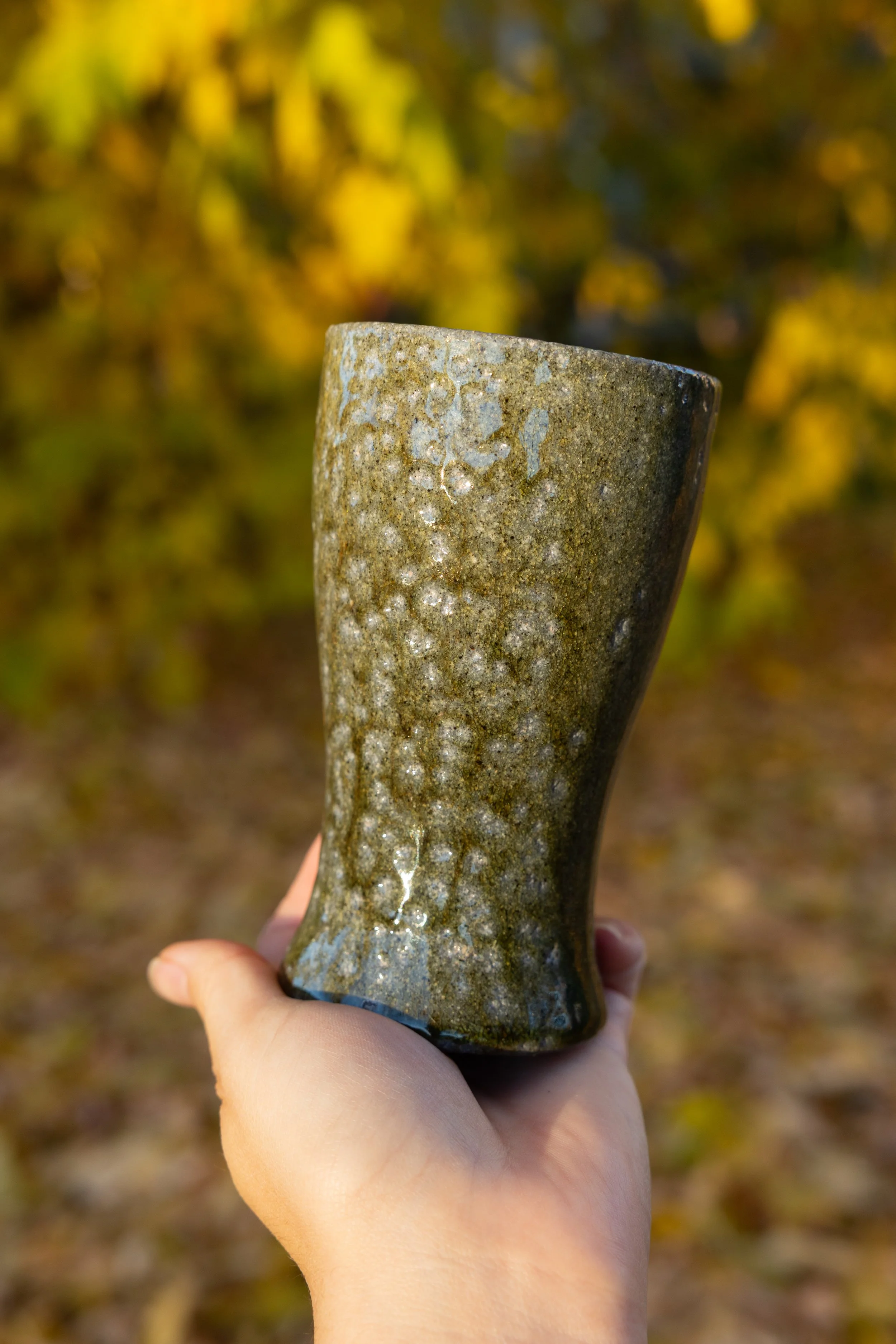
At higher temperatures, everything slows down and sinks in. Iron breaks warmer. Celadons gain depth instead of brightness. Surfaces develop variation inside the glass instead of just on it.
The glaze doesn’t just melt.
It matures.
There’s a softness to cone 10 glaze surfaces that’s hard to fake. Not dull — just integrated. The surface and the clay body feel like they belong to each other.
At cone 6, a glaze can feel applied.
At cone 10, it feels absorbed.
I’ve opened cone 6 firings and thought, “That worked.”
I’ve opened cone 10 firings and thought, “That’s alive.”
The difference shows up most in earth tones — the kind I’m drawn to. Iron reds at cone 6 can look bright and sharp. At cone 10, they deepen. Browns feel more grounded. Ash glazes develop layers instead of a flat coat. Even clear glazes feel different — less glossy, more settled.
There’s more heat work happening. More movement inside the melt. More conversation between clay and glass.
That’s what keeps pulling me higher.
It’s not that cone 6 is wrong. It’s just that it doesn’t produce the surfaces I’m chasing.
If I’m building toward salt fired pottery and eventually firing in a Utah salt kiln, the high-fire world is where those surfaces live. Salt firing happens in that cone 10 range. The warmth, the flashing, the density — they all depend on that level of heat.
Cone 10 is harder on my electric kiln. I know that. I see it in element wear. I see it in longer firing times. I feel it in maintenance.
But when I pull a mug from a fully matured cone 10 firing and the glaze feels deep instead of shiny, integrated instead of coated — it reminds me why I keep pushing it.
The real reason I fire to cone 10 isn’t tradition.
It’s depth.
It’s the way the glaze feels settled into the clay instead of sitting on top of it.
It’s the way high fire ceramics carry quiet complexity instead of loud color.
It’s the difference you notice when you hold the piece long enough.
And once you see that difference, it’s hard to unsee.
— Adam Corbridge
Still chasing depth over brightness and letting the kiln decide the rest.
More from the studio at adamcorbridgepottery.com