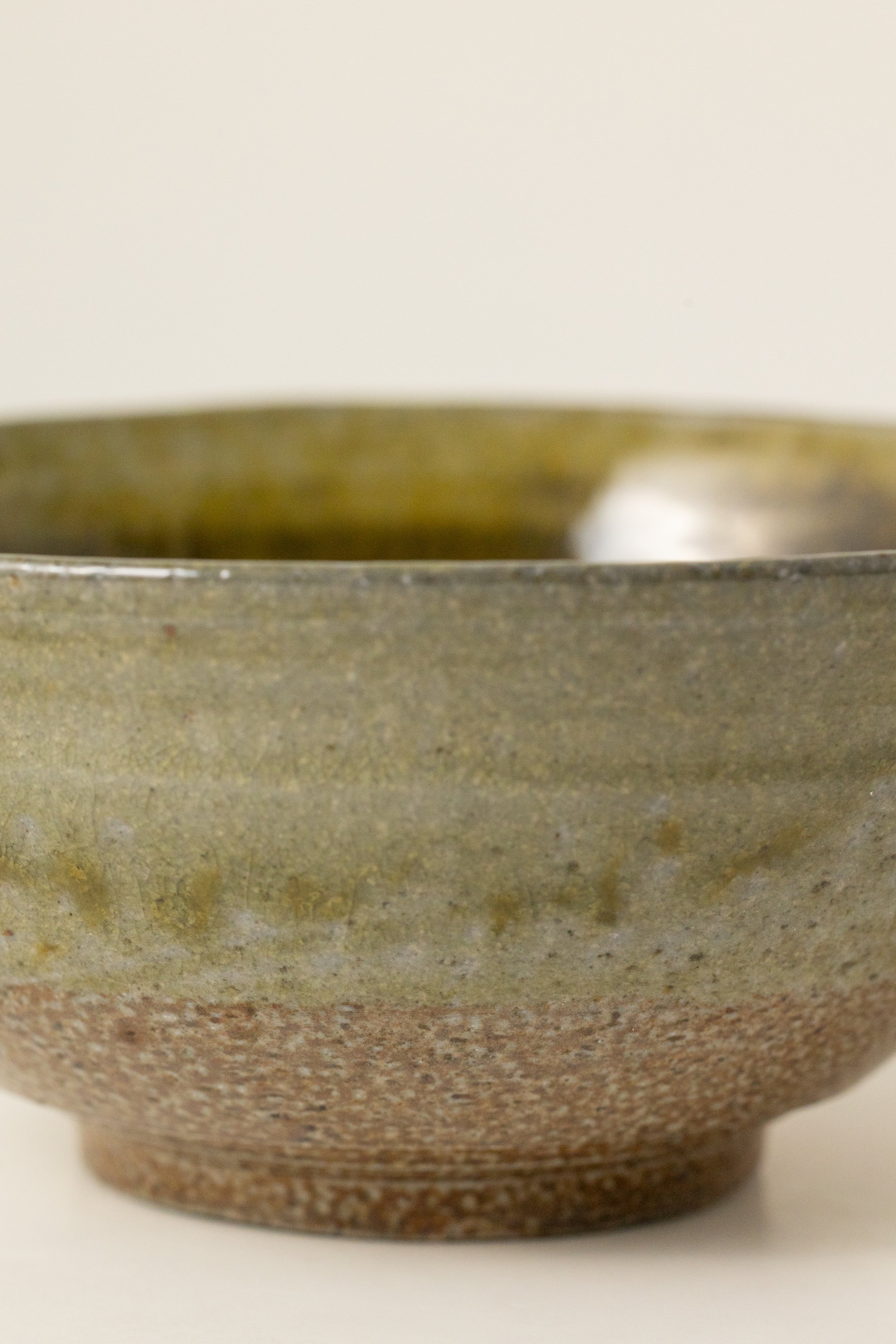
Why Salt Fired Surfaces Age Well
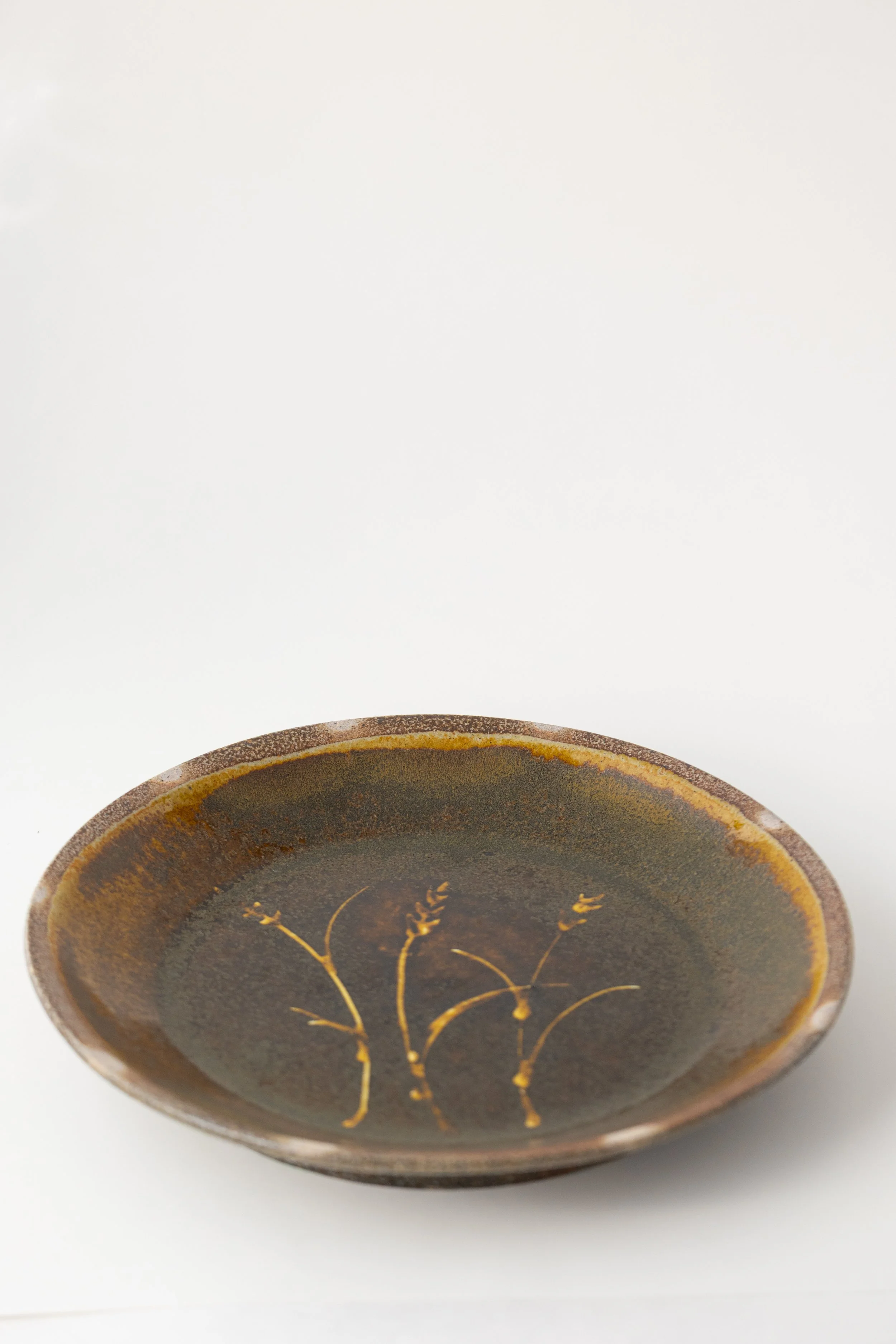
Salt fired pottery doesn’t fade with time — it develops depth. Adam Corbridge explains why high-fire salt surfaces age well and why he’s building toward salt firing.
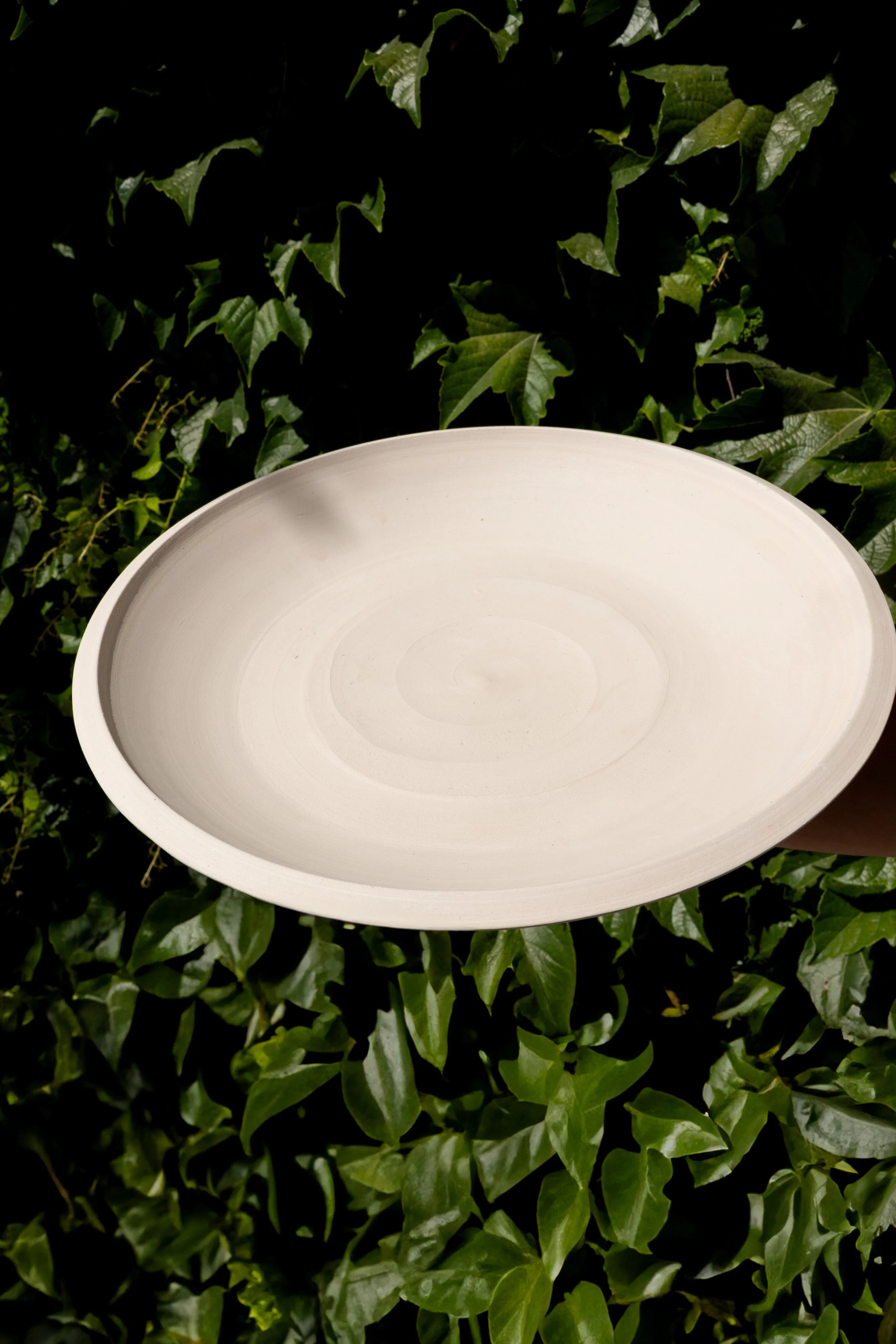
Why Handmade Isn’t Cheap
Handmade pottery costs more because of time, testing, high-fire kiln cycles, and editing. Adam Corbridge explains what you’re actually paying for in functional ceramics.
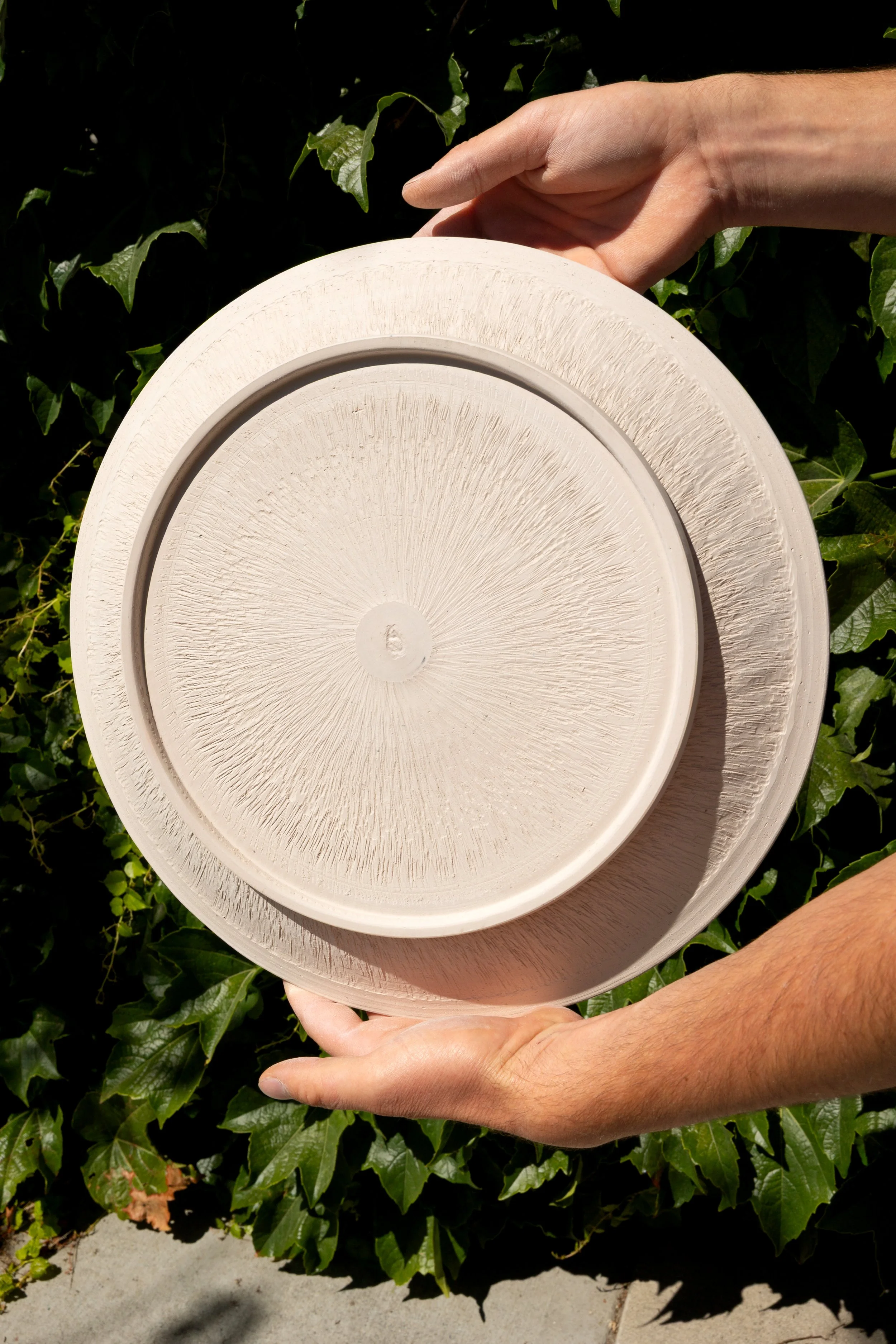
Can Handmade Pottery Go in the Microwave and Dishwasher?
Can handmade pottery go in the microwave and dishwasher? When properly fired to cone 10 and glaze-tested, yes. Adam Corbridge explains what makes functional pottery safe for daily use.
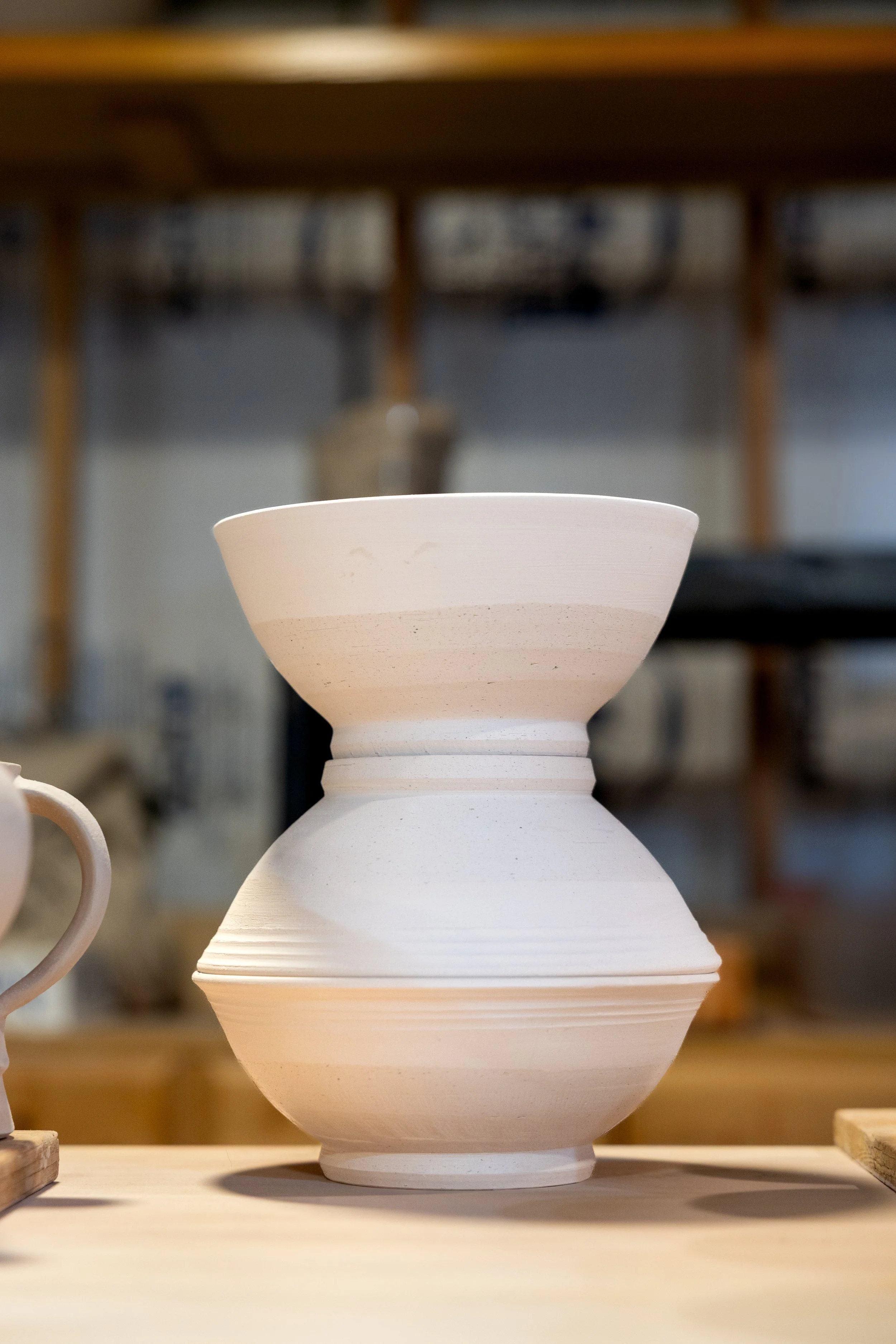
Is Handmade Pottery Durable?
Is handmade pottery durable? When properly fired and well-crafted, high-fire pottery can last decades. Adam Corbridge explains what actually determines durability.
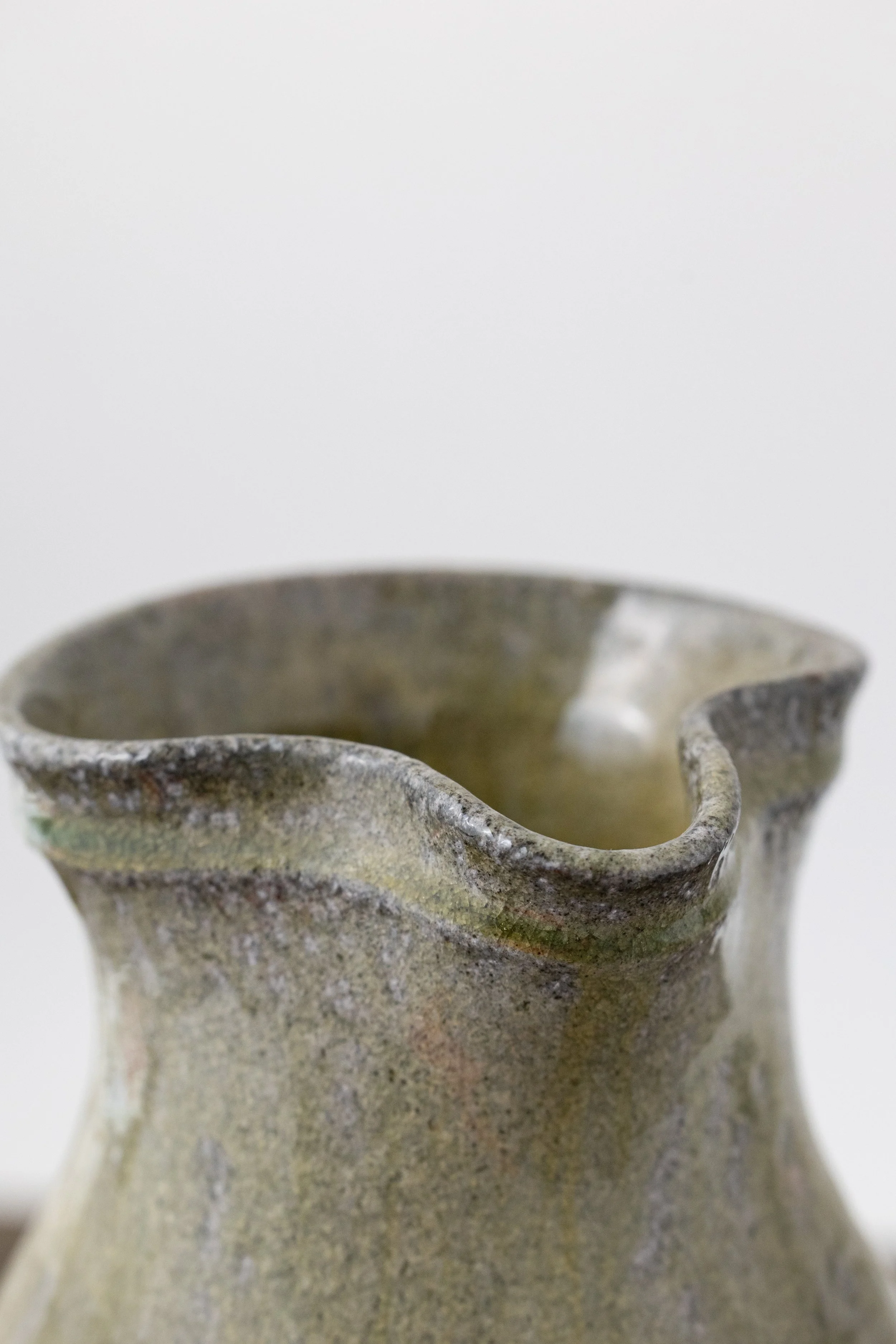
Is Salt Fired Pottery Food Safe?
Is salt fired pottery food safe? When fired to full cone 10 maturity and built for function, it is. Adam Corbridge explains how salt firing works and why his pottery is safe for daily use.
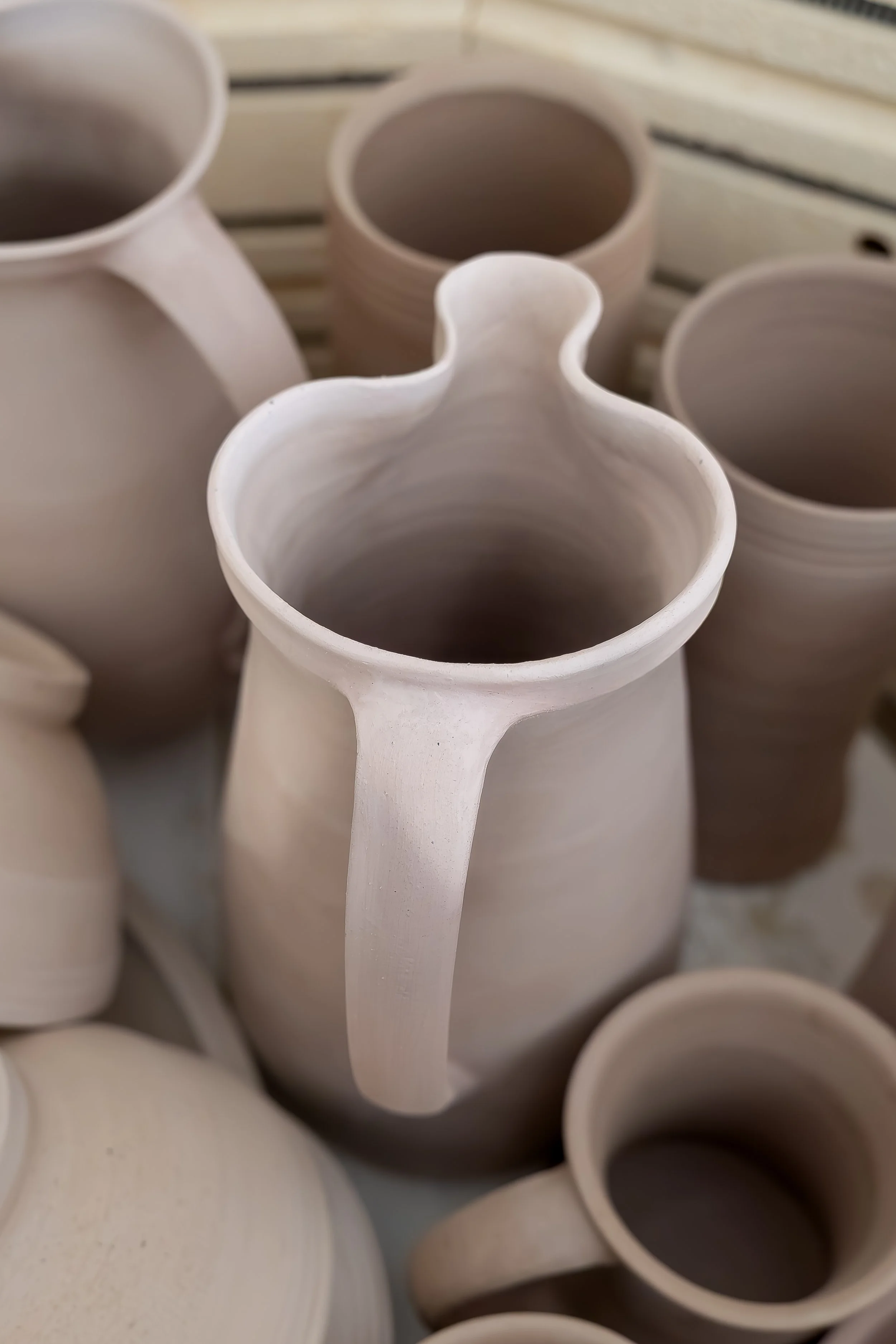
What’s Available Right Now
A new cone 10 firing is available now — small batch mugs, bowls, and vases built for daily use. Steady forms, durable surfaces, and high fire maturity.
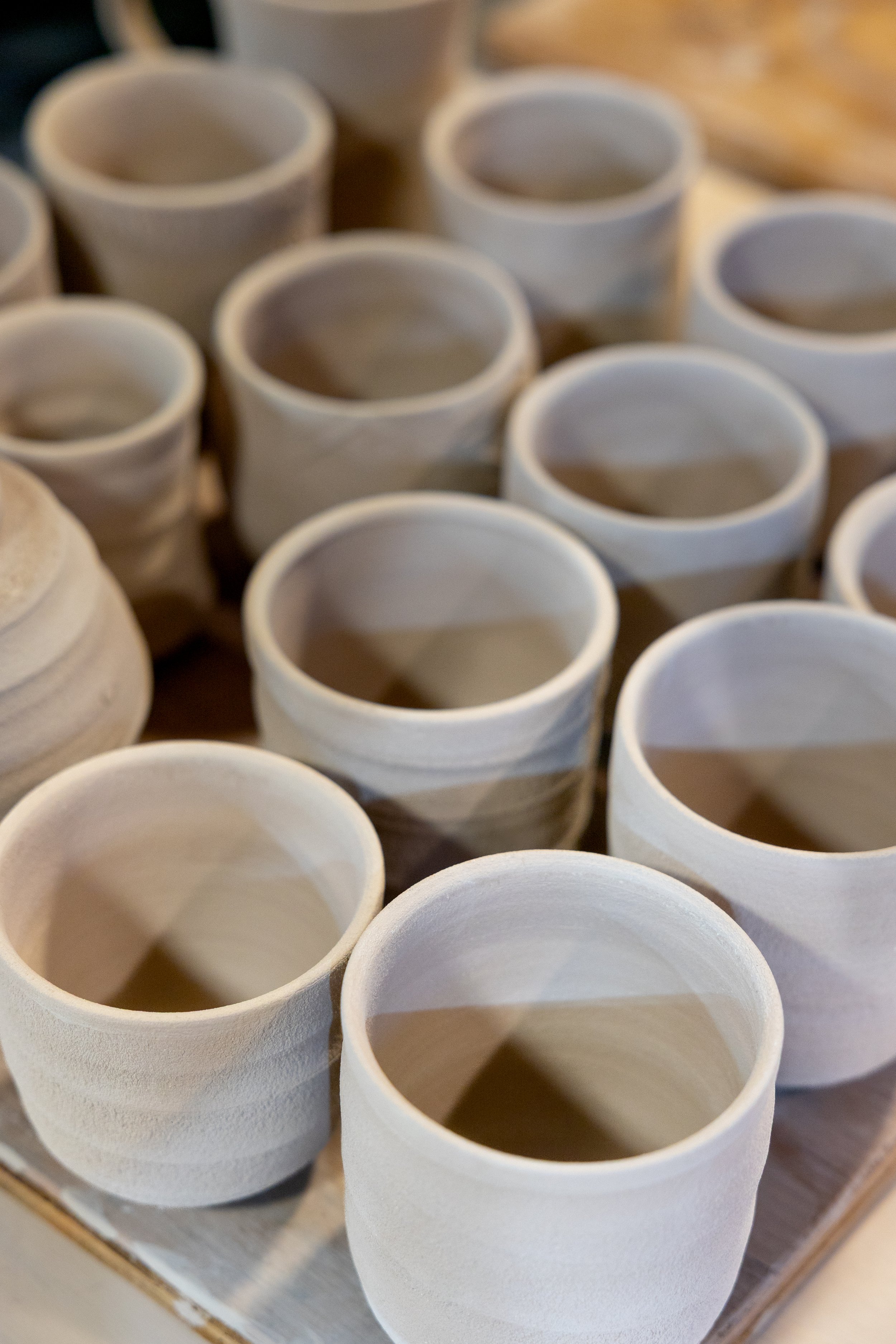
I’m Not in a Hurry
High fire pottery, wild clay testing, and building a salt kiln all take time. Adam Corbridge explains why he’s not rushing the process — and why slow growth matters.
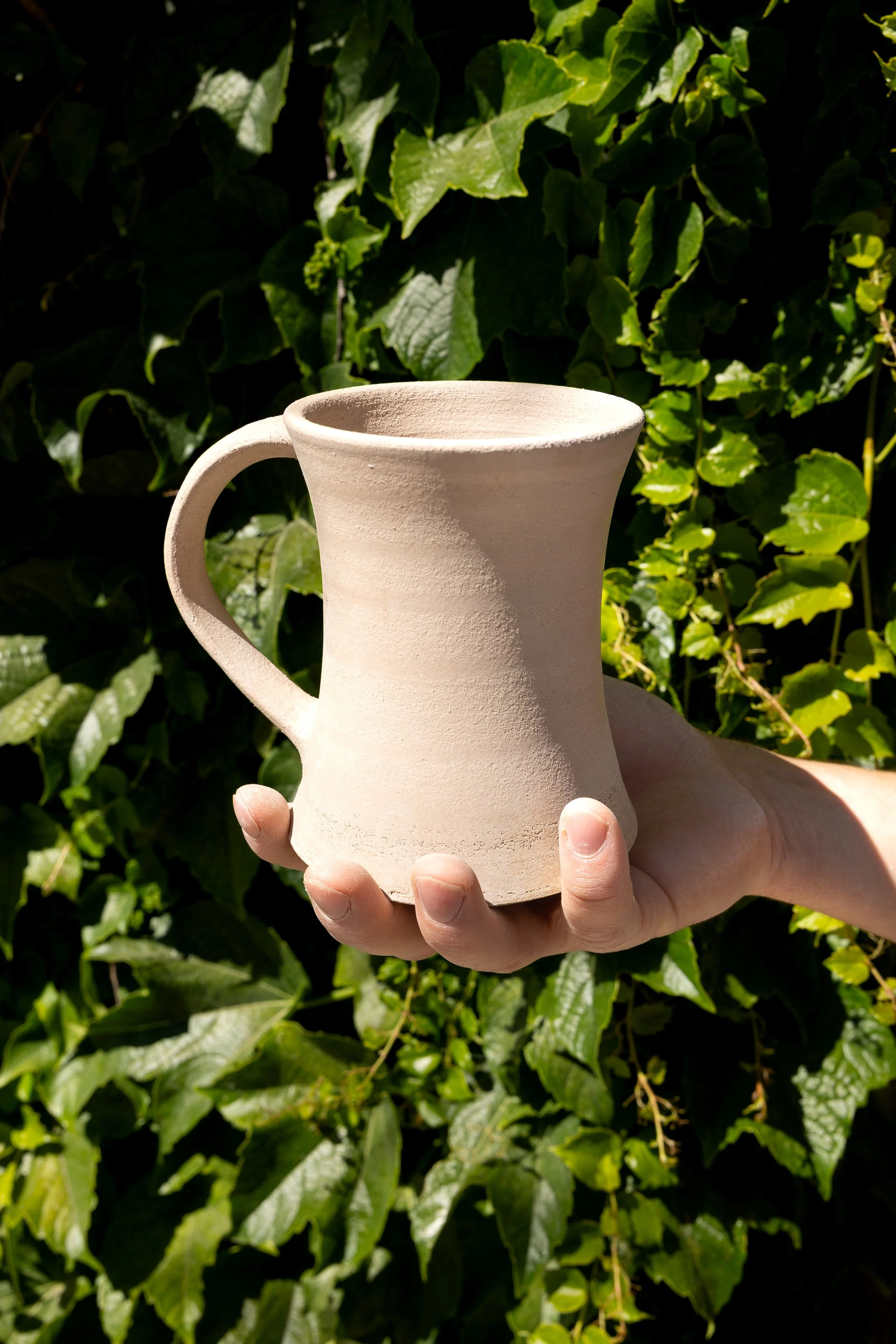
How to Tell If a Mug Is Actually Well Made
A good mug reveals its quality in use, not on a shelf. Adam Corbridge explains how to evaluate rim thickness, balance, handle comfort, glaze fit, and firing maturity in functional pottery.
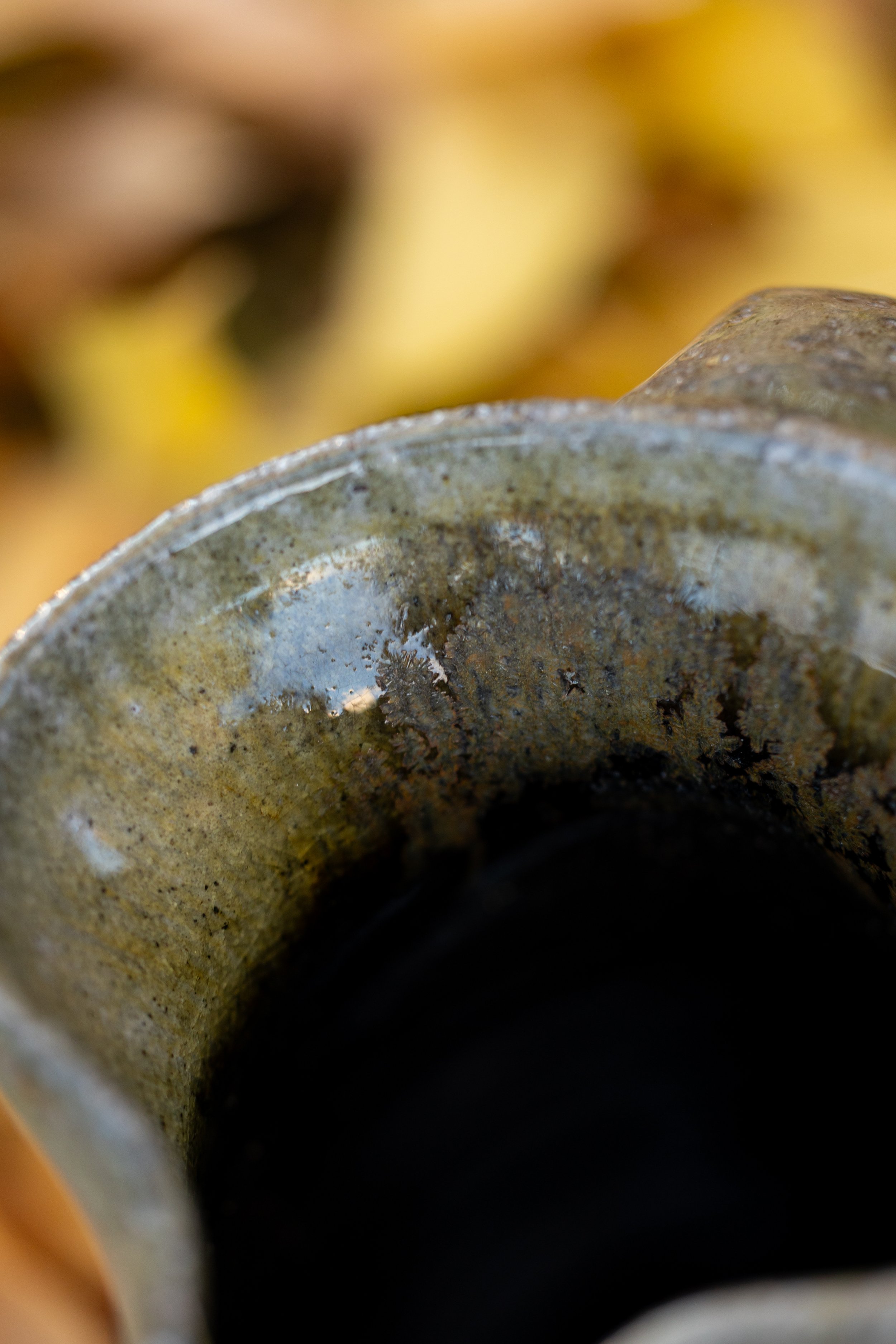
It Survived Cone 10
After repeated failures, a batch of Utah wild clay finally survived a full cone 10 firing. Adam Corbridge shares what that means — and why survival is only the first test.
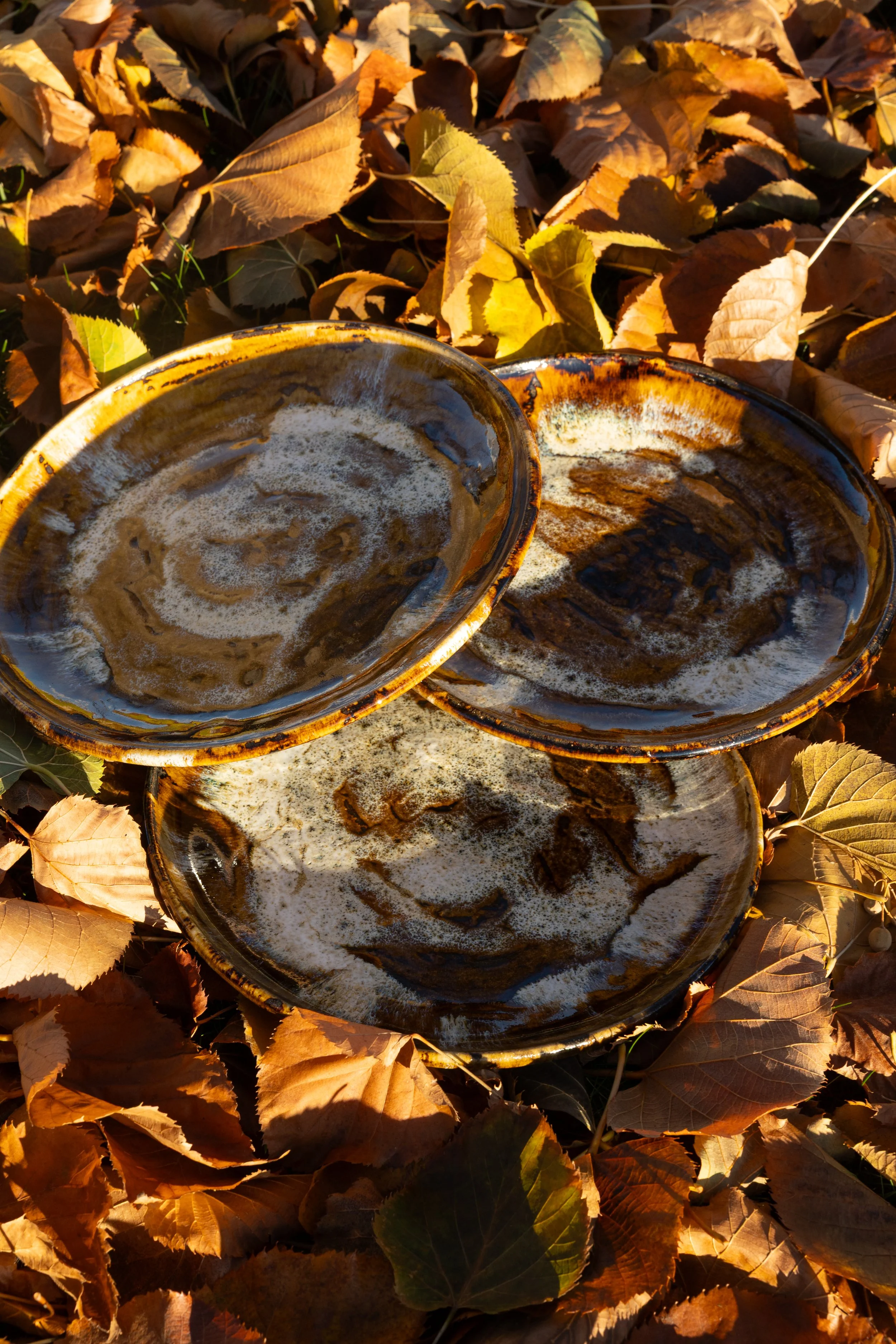
What Changes Between Throwing and Trimming
Throwing shapes the pot, but trimming decides whether it works. Adam Corbridge explains what changes between throwing and trimming — and why weight distribution and balance matter in functional pottery.
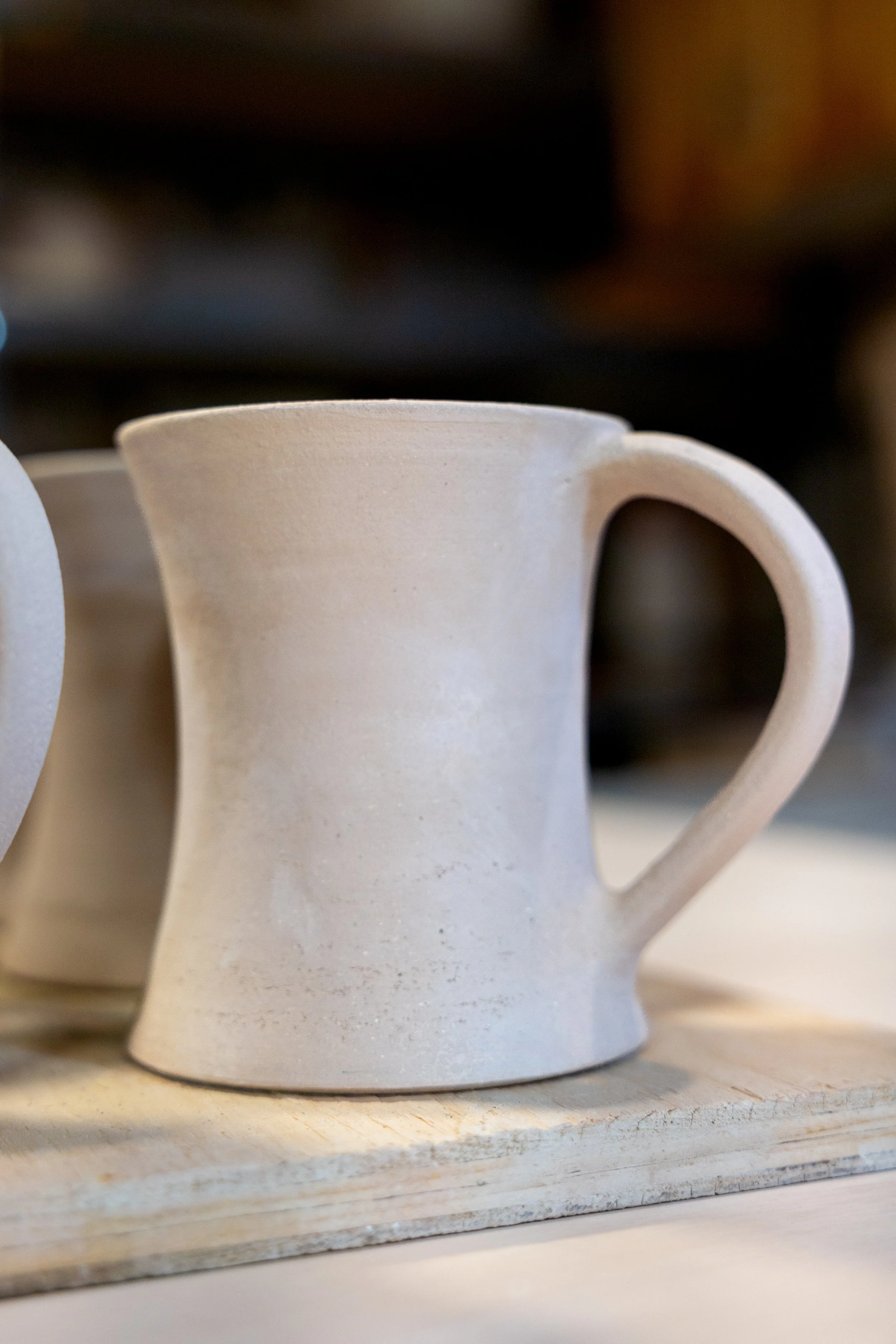
Why You Always Grab the Same Mug
The mug you always grab isn’t the flashiest — it’s the one that feels right. Adam Corbridge explains how balance, rim shape, and durability create pottery meant for daily use.
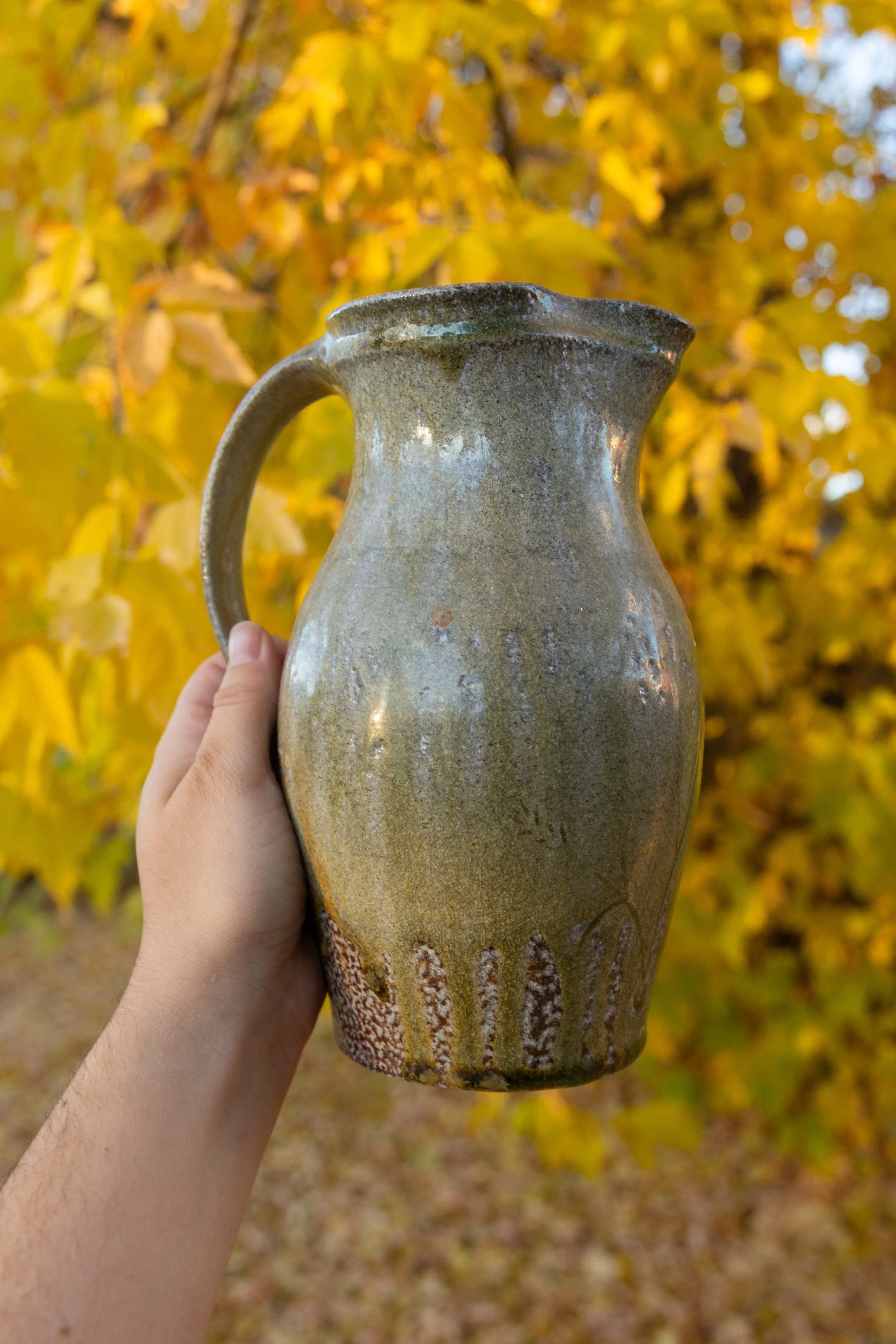
Not Everything Belongs in My Kiln
Not every pot deserves to be finished. In this post, Adam Corbridge explains why discipline, restraint, and editing matter more than surface in high fire functional pottery.
Heat Isn’t the Hard Part
Reaching cone 10 isn’t the challenge in salt firing — managing airflow is. As I design my Utah salt kiln, draft and flame path matter more than raw heat.
Surface Gets the Credit. The Rim Does the Work.
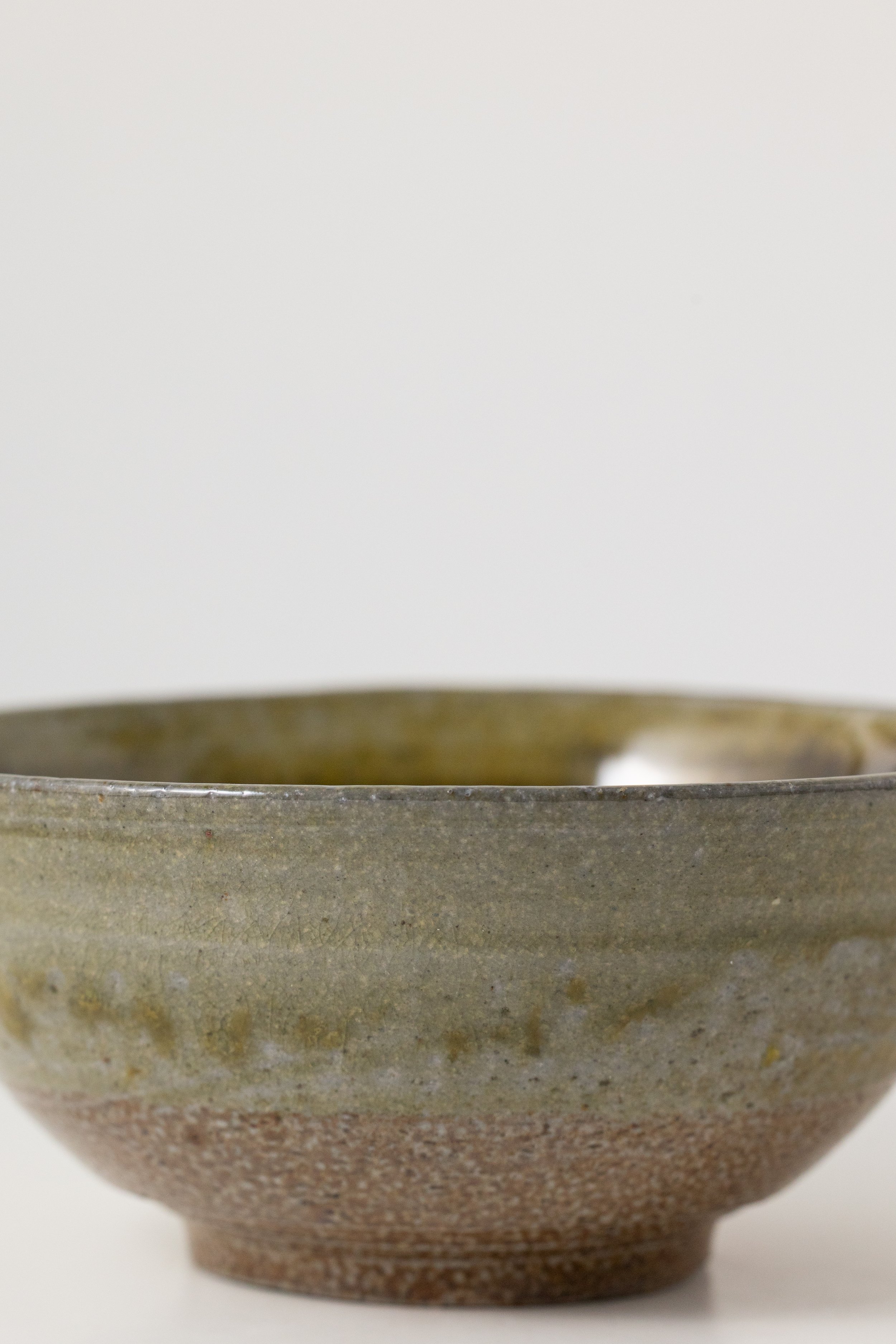
Glaze gets the attention, but the rim determines how a mug actually feels in daily use. In this post, I explain why rim thickness matters more than surface in functional, high fire pottery.
The Day the Kiln Became Real
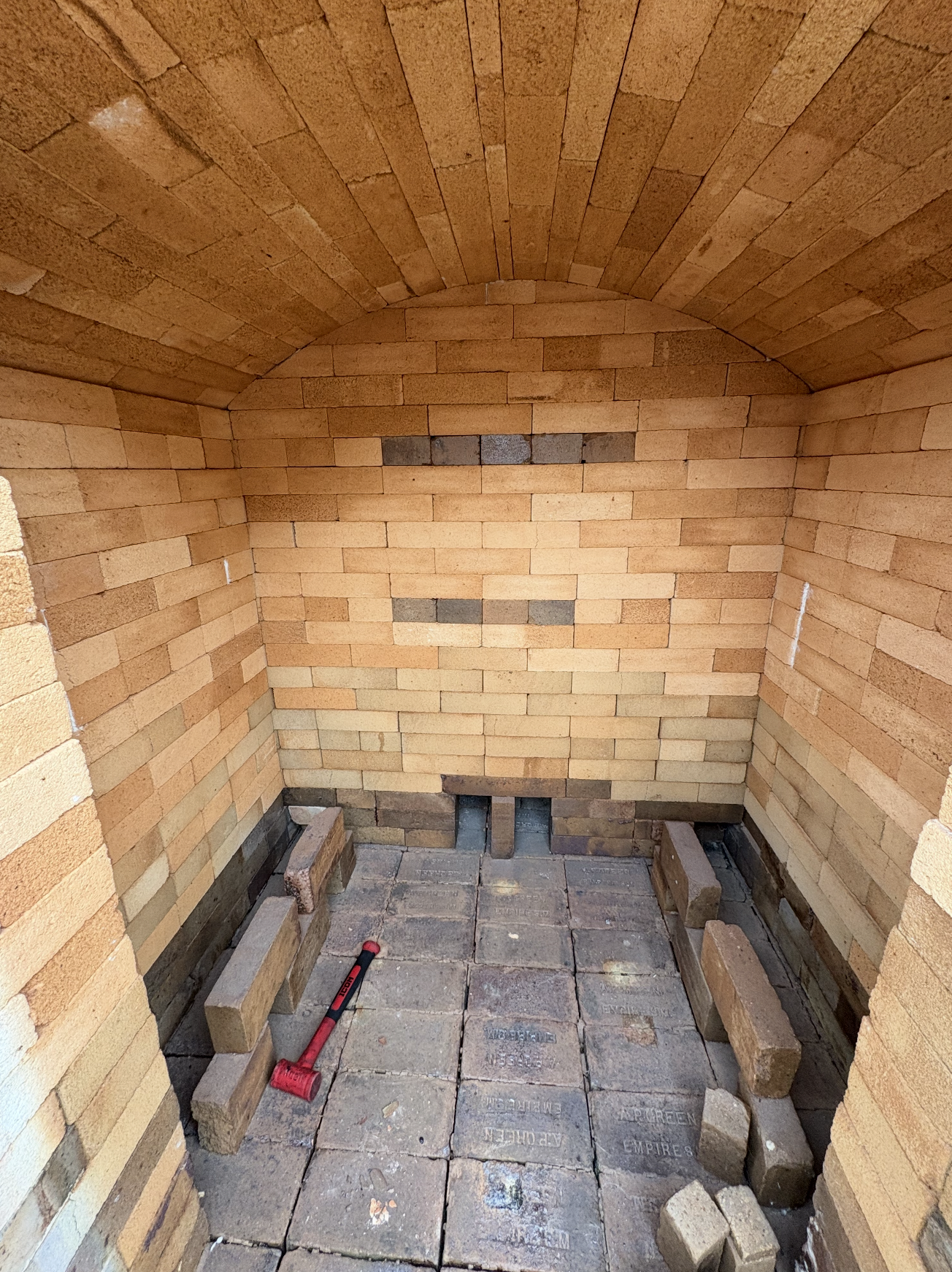
The day we poured the kiln pad in the backyard, the salt kiln stopped being a dream and became a commitment.
Advice I’d Give My Younger Self in the Studio
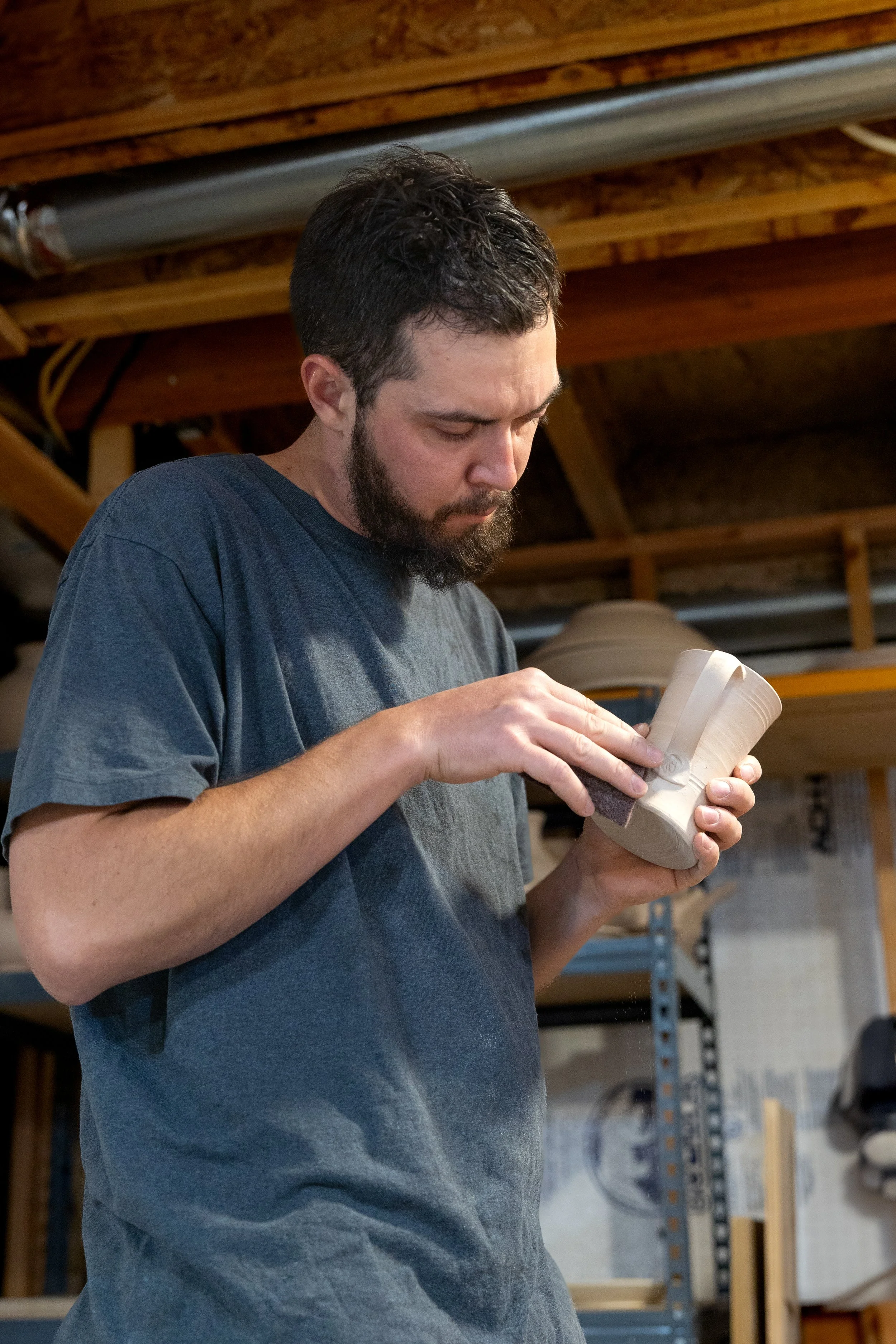
A reflection on the advice I’d give my younger self in the studio — slowing down, focusing on form, and embracing failure as part of becoming a potter.
What Failure Has Actually Cost Me
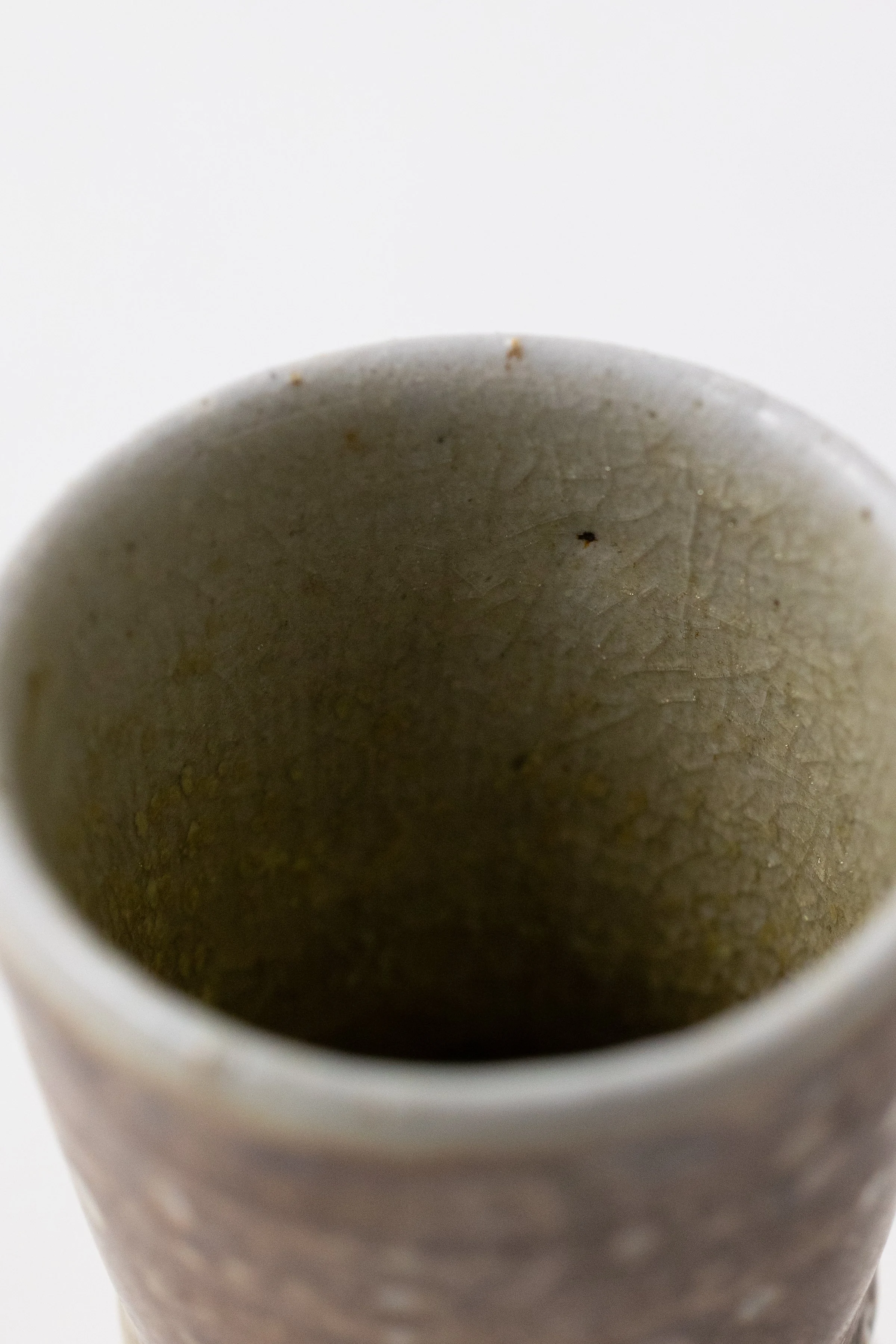
Failure in pottery costs more than clay. A reflection on what cracked pots, underfired kilns, and mistakes have actually taken — and given — in the studio.
The Limits of Utah Wild Clay
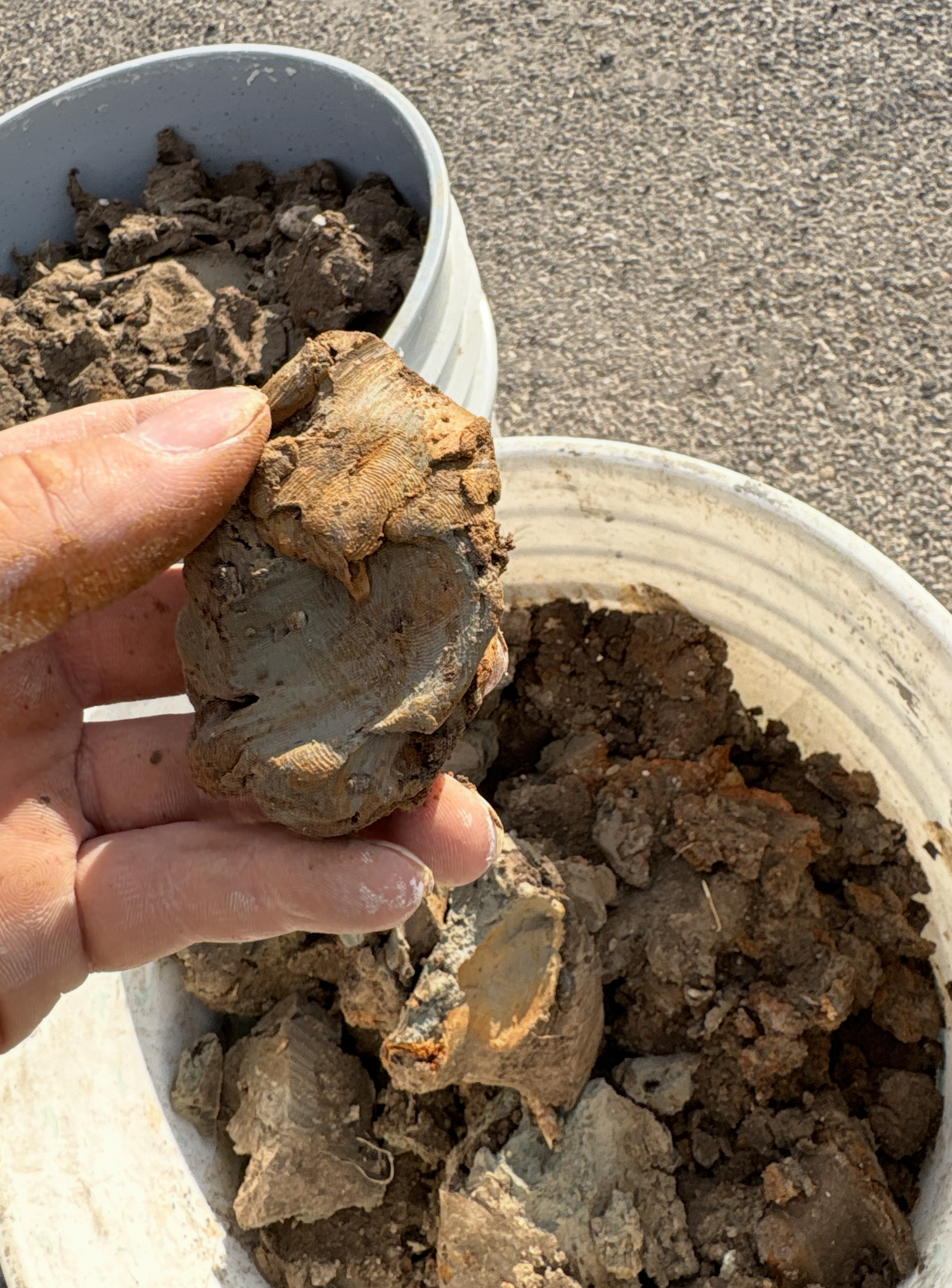
Utah wild clay is beautiful — but it has limits. A reflection on testing local clay, durability, and knowing when a deposit shouldn’t become a mug.
The Difference Between Electric and Gas Firing
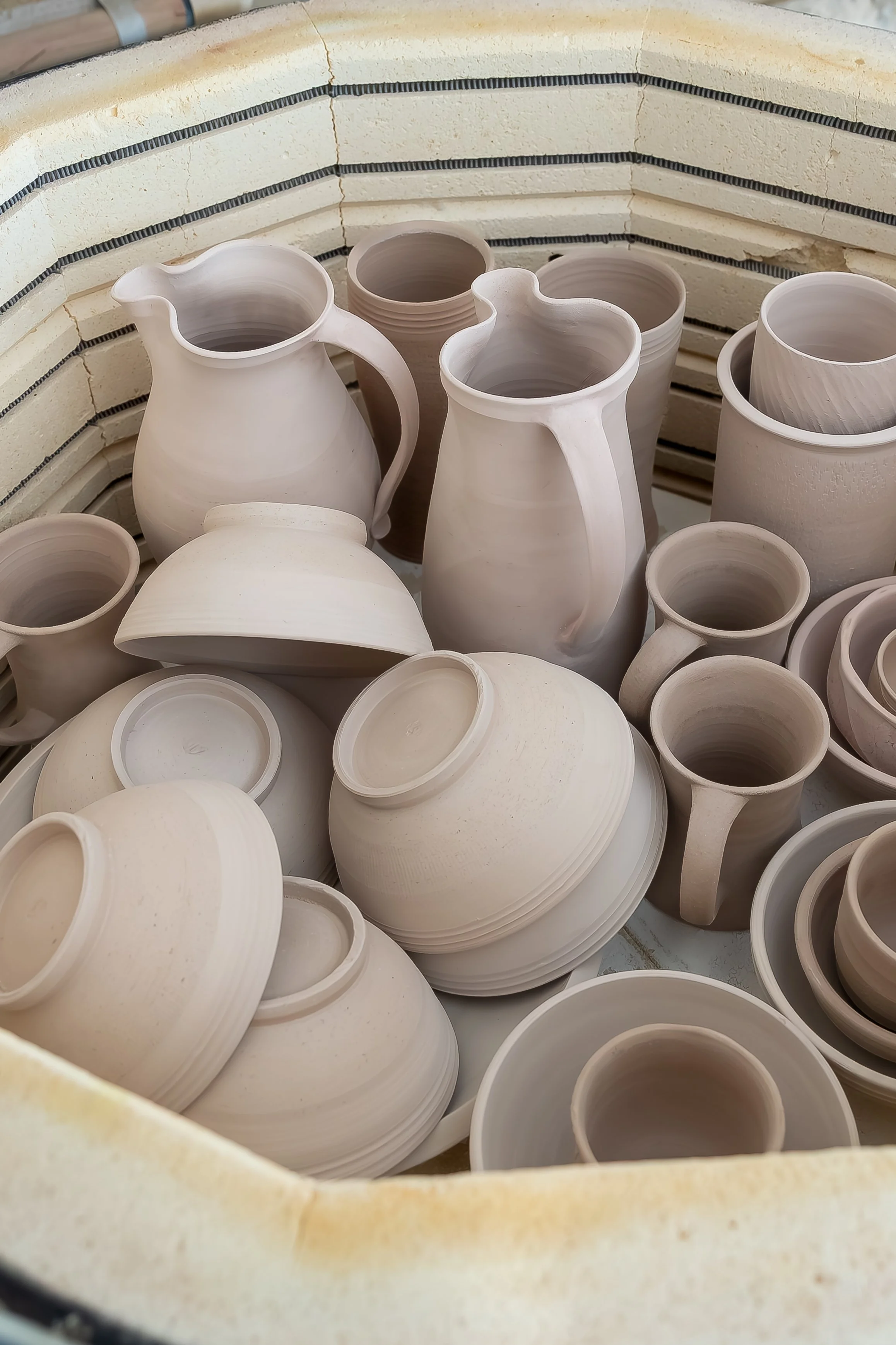
What really changes between electric and gas firing? A look at control, atmosphere, and why gas kilns create different surfaces than electric ones.
Why I Don’t Make Bright, Colorful Pottery
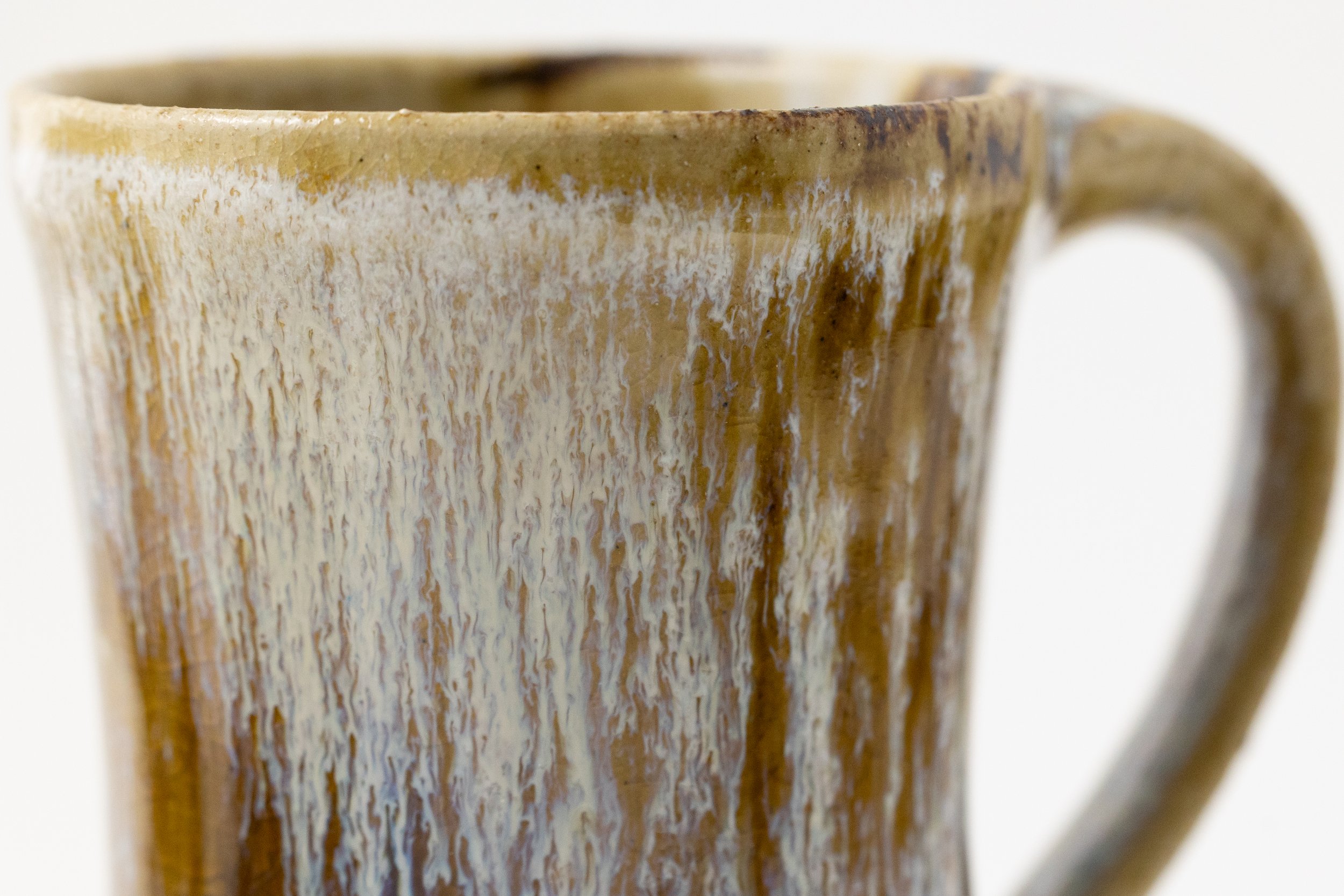
Why I choose earth tones and depth over bright, colorful glazes — and how place, firing temperature, and long-term direction shape my surfaces.