What Happens When an Electric Cone 10 Firing Fails
Cone 10 in an electric kiln is asking a lot.
I knew that going in. Most electric kilns are more comfortable at mid-range temperatures. Cone 6 is common. Predictable. Manageable.
But I’ve pushed mine higher.
And cone 10 is hard on a kiln.
There’s a different kind of tension when you’re firing electric that hot. You’re listening for relays clicking. Watching the temperature climb slower and slower near the top. Hoping the elements have enough life left in them to finish the climb.
Sometimes they don’t.
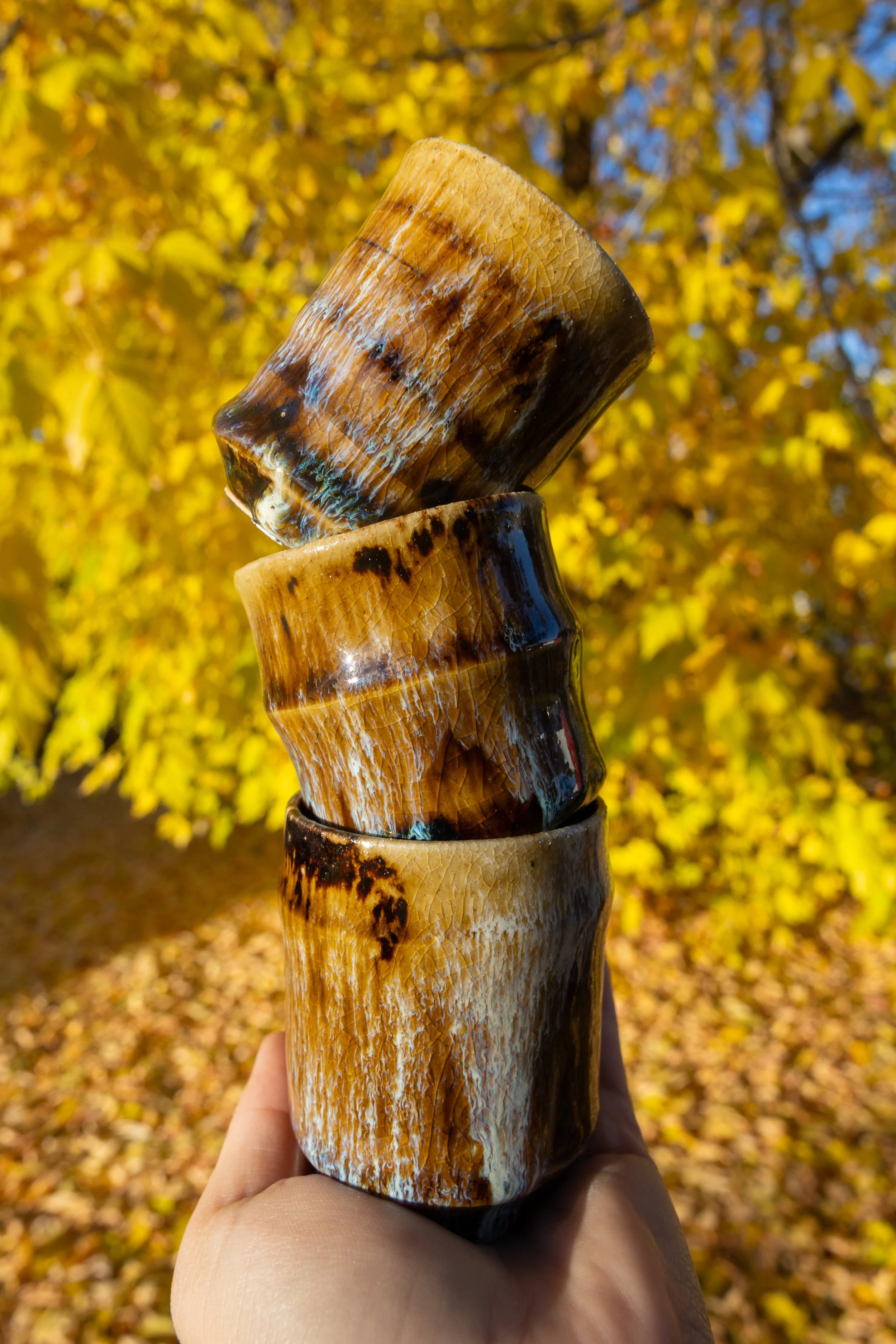
I’ve had firings stall just below temperature — cones bending but not quite there. I’ve opened the kiln to surfaces that look slightly underfired. Glazes not fully matured. Clay bodies not fully vitrified.
No dramatic explosion. Just subtle disappointment.
Other times, I’ve pushed too hard.
Elements wear faster at cone 10. They become brittle. They lose efficiency. Firing times stretch longer. The kiln works harder to maintain temperature. You can almost feel the strain in it.
There’s a smell to a long, high firing. A metallic heat that lingers in the studio air.
When an electric cone 10 firing fails, it doesn’t usually announce itself loudly. It shows up in the details:
A glaze that looks dull instead of glassy
A clay body that feels slightly porous
Subtle warping from extended heat work
Uneven results from top to bottom
And because cone 10 firings are long, they’re expensive in their own way — not just electricity, but element wear, maintenance, and time.
It’s part of why building toward a Utah salt kiln makes sense long term. Salt fired pottery belongs in an atmosphere built for that temperature. Gas kilns are designed to live there. Electric kilns endure it.
But until that kiln is built, I’m working with what I have.
There’s something honest about pushing equipment carefully and learning its limits. I’ve replaced elements sooner than I would at cone 6. I’ve adjusted firing schedules to climb slower near the top. I’ve paid closer attention to cone packs and heat distribution.
Failures at cone 10 have made me more attentive.
They’ve also reminded me that tools have limits. Clay has limits. I have limits.
When I open an electric kiln after a high-fire run, I don’t expect perfection. I look for information. What changed? Where did it struggle? What needs adjusting before the next load?
Cone 10 in an electric kiln is possible.
But it asks for respect.
— Adam Corbridge
Probably ripping out kiln elements and cursing about it.
More notes from the studio at adamcorbridgepottery.com