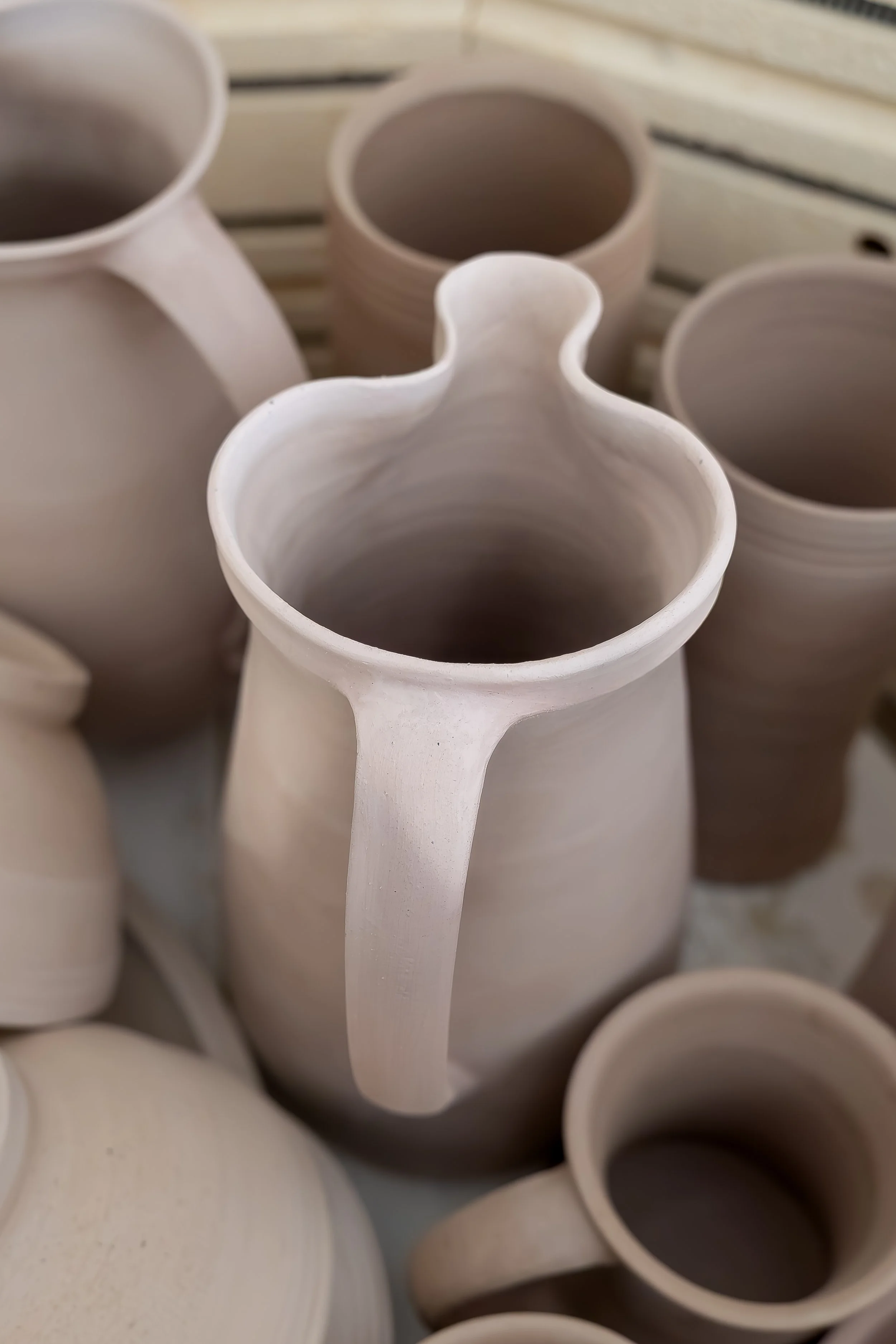
What’s Available Right Now
A new cone 10 firing is available now — small batch mugs, bowls, and vases built for daily use. Steady forms, durable surfaces, and high fire maturity.
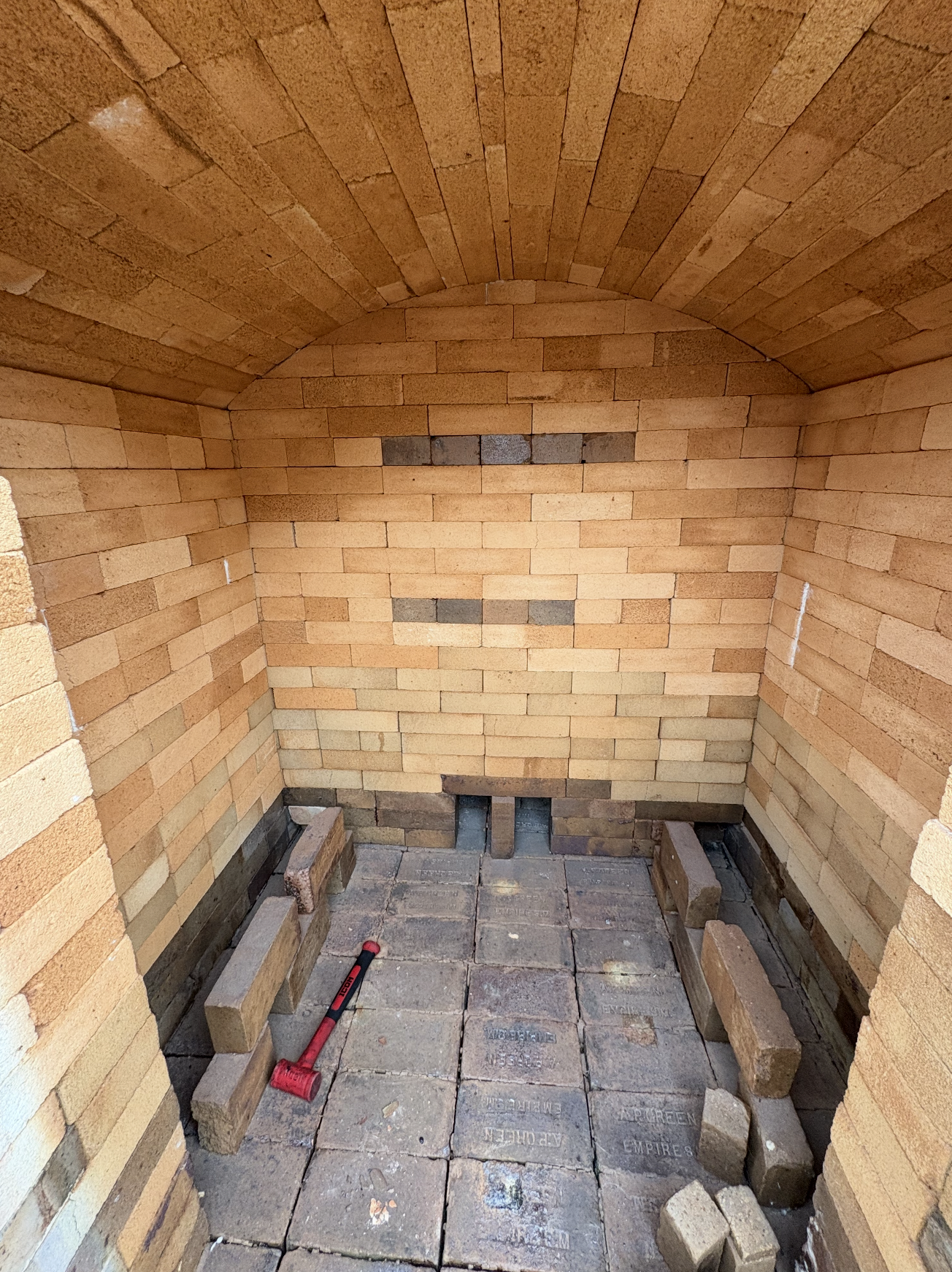
The Day the Kiln Became Real
The day we poured the kiln pad in the backyard, the salt kiln stopped being a dream and became a commitment.
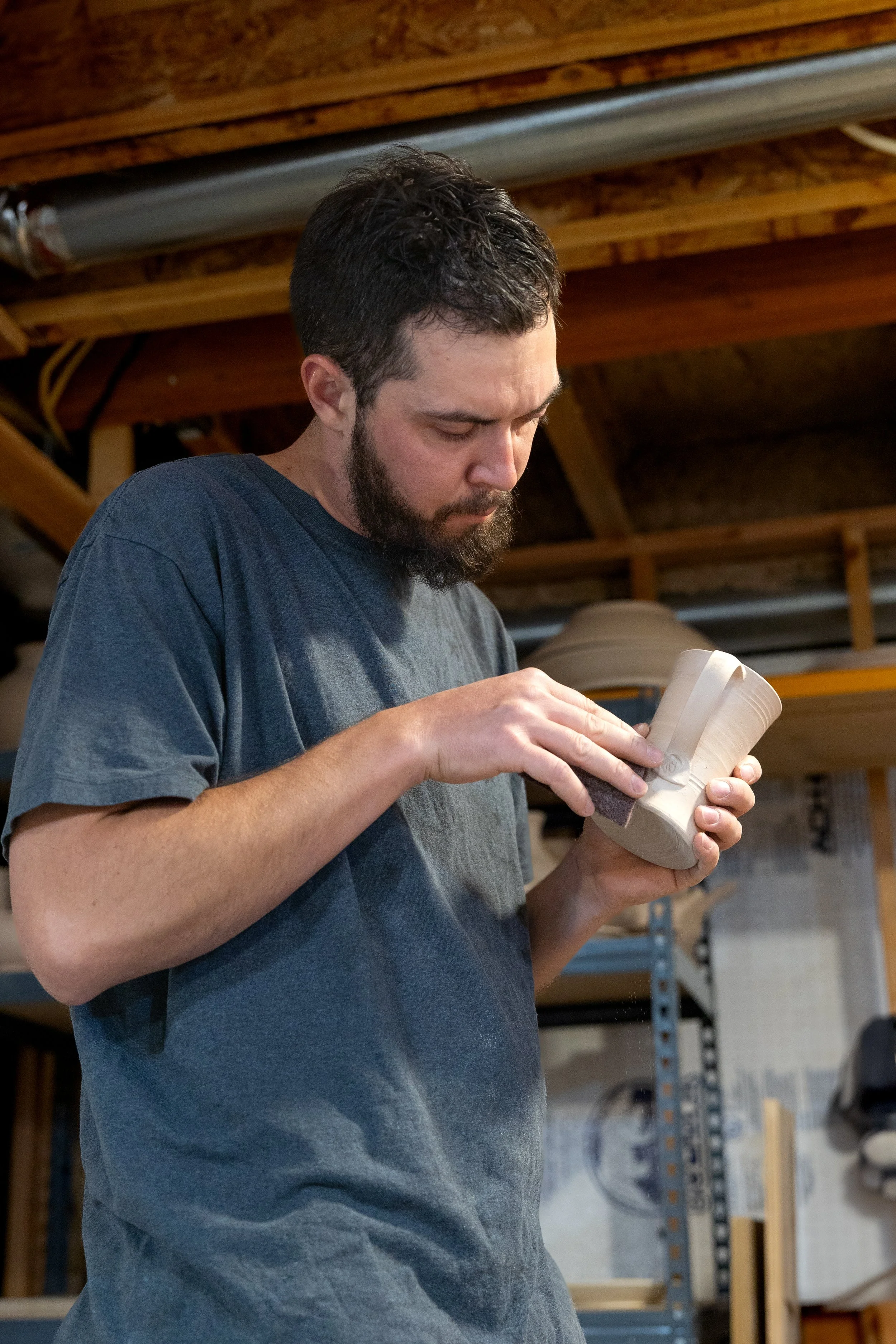
Advice I’d Give My Younger Self in the Studio
A reflection on the advice I’d give my younger self in the studio — slowing down, focusing on form, and embracing failure as part of becoming a potter.
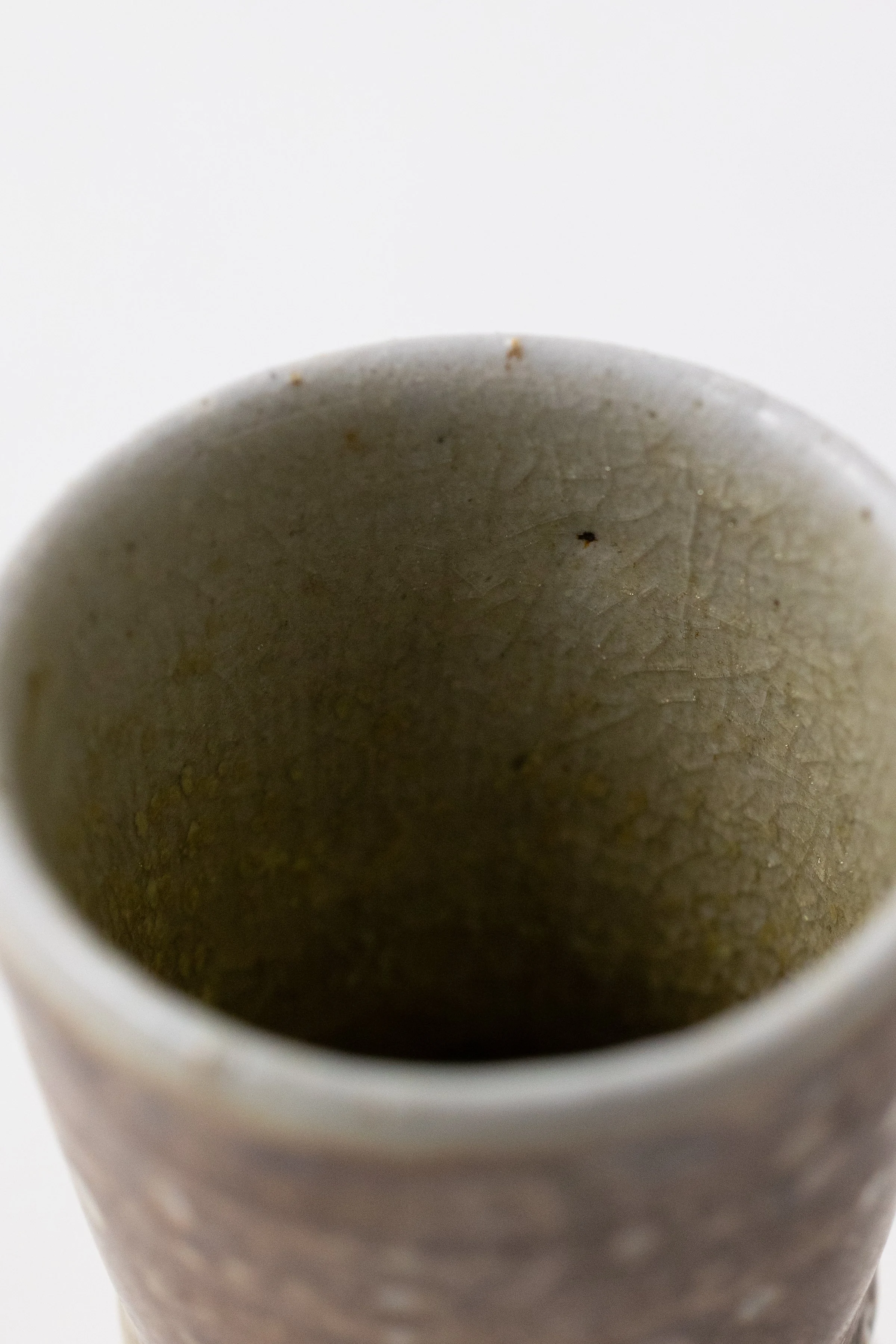
What Failure Has Actually Cost Me
Failure in pottery costs more than clay. A reflection on what cracked pots, underfired kilns, and mistakes have actually taken — and given — in the studio.
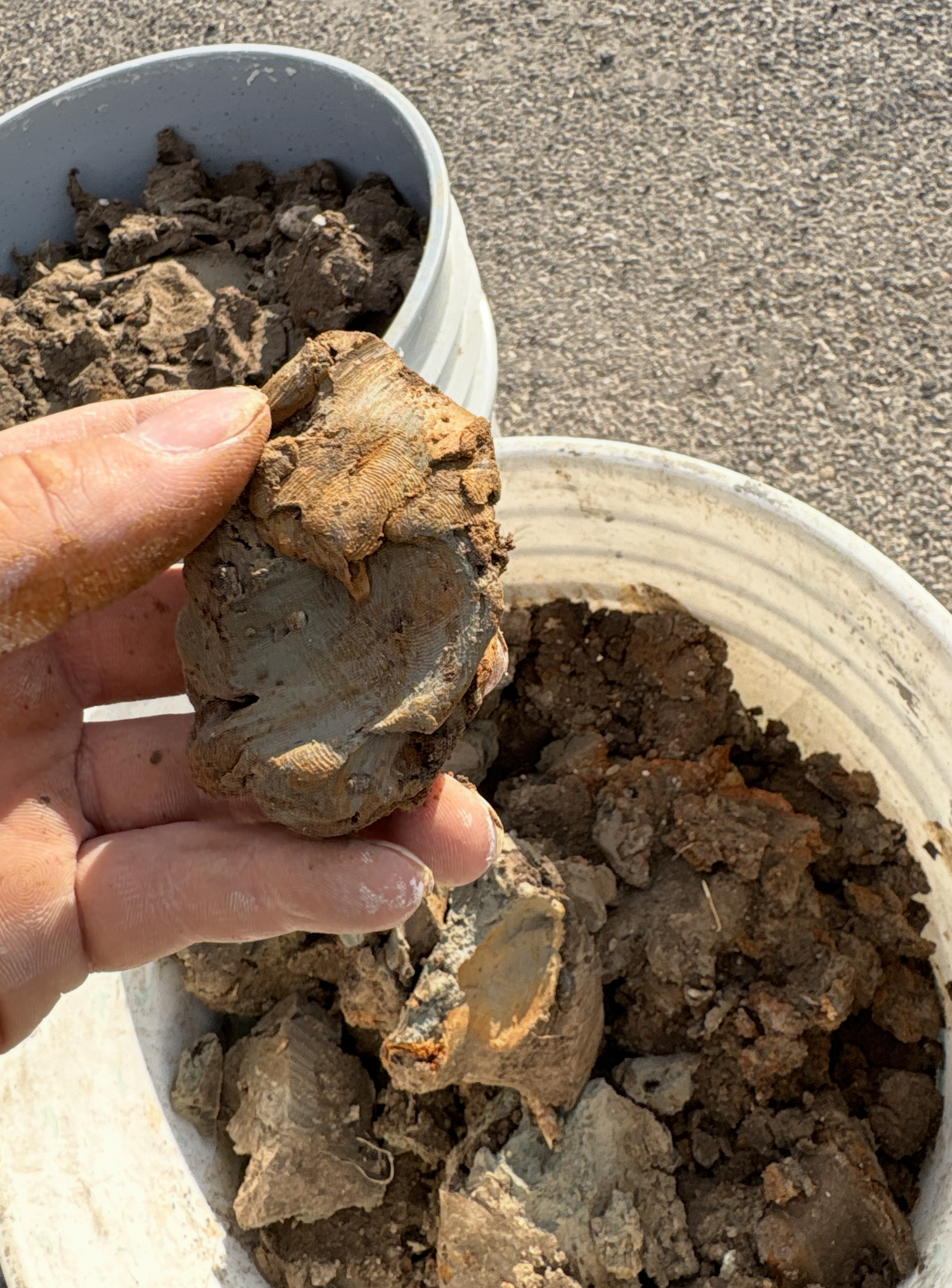
The Limits of Utah Wild Clay
Utah wild clay is beautiful — but it has limits. A reflection on testing local clay, durability, and knowing when a deposit shouldn’t become a mug.
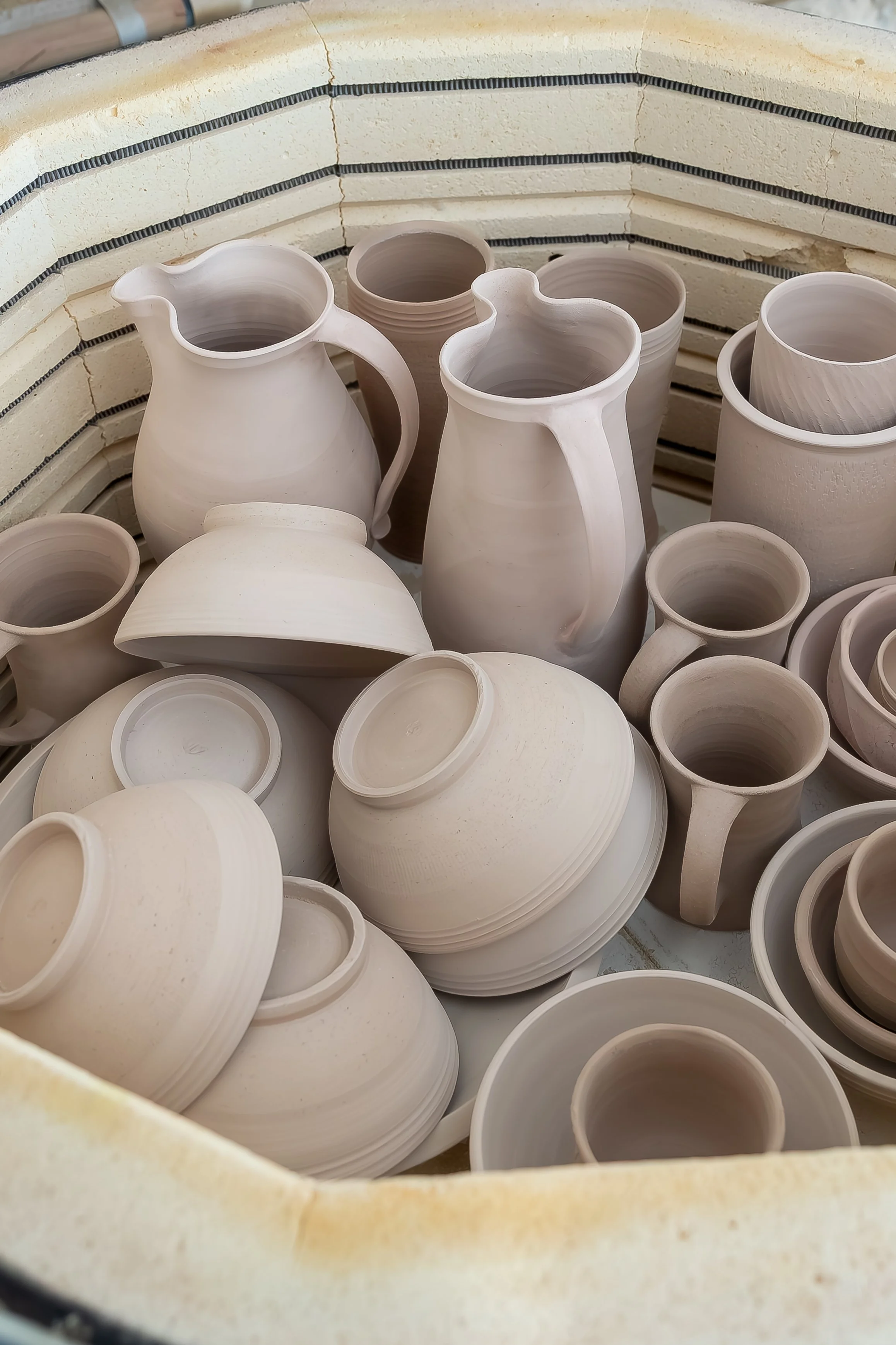
The Difference Between Electric and Gas Firing
What really changes between electric and gas firing? A look at control, atmosphere, and why gas kilns create different surfaces than electric ones.
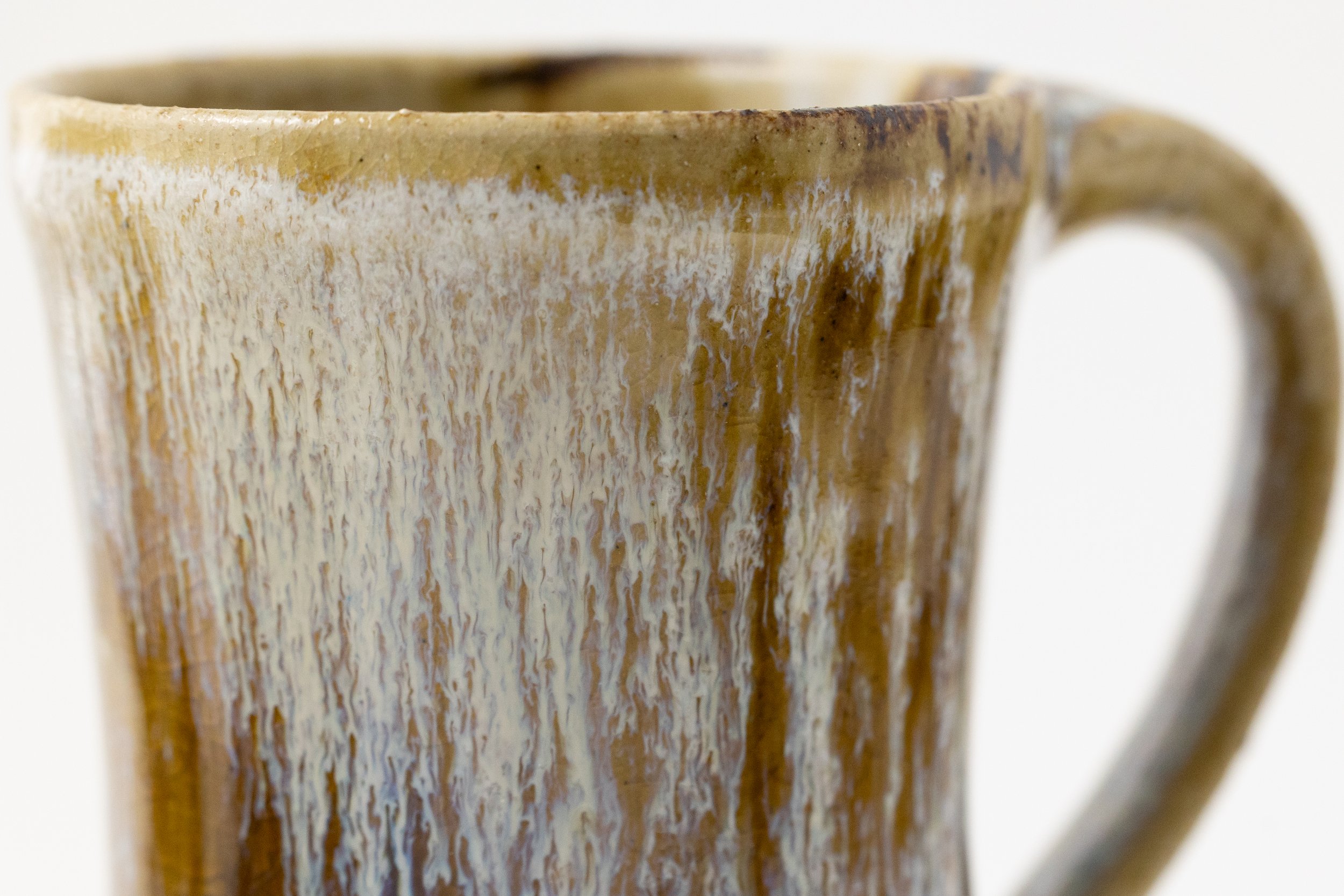
Why I Don’t Make Bright, Colorful Pottery
Why I choose earth tones and depth over bright, colorful glazes — and how place, firing temperature, and long-term direction shape my surfaces.
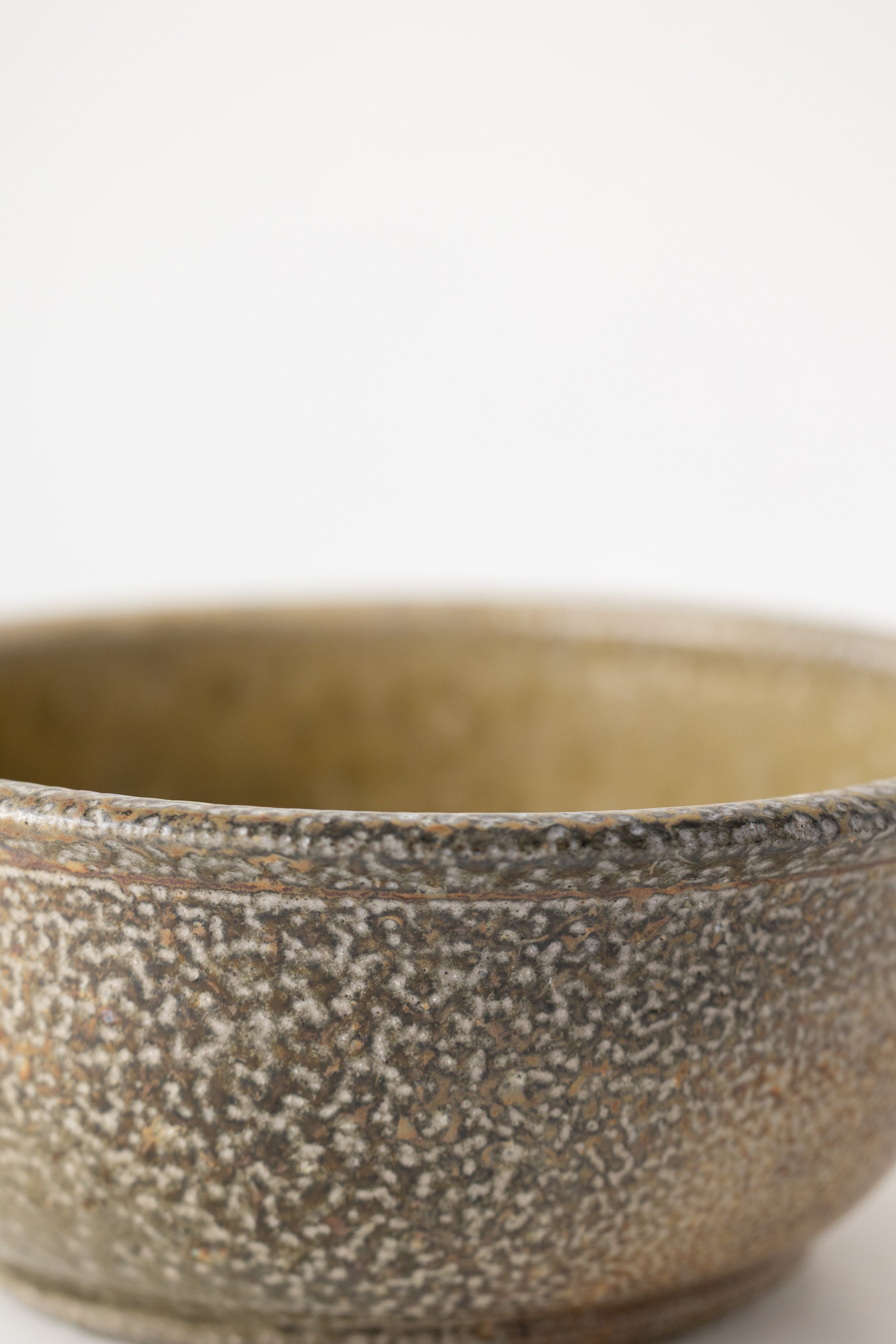
What Matters Most Isn’t the Surface
Surface draws attention, but form earns trust. A reflection on why weight, balance, and feel matter more than glaze in handmade pottery.
The Pots You’ll Never See
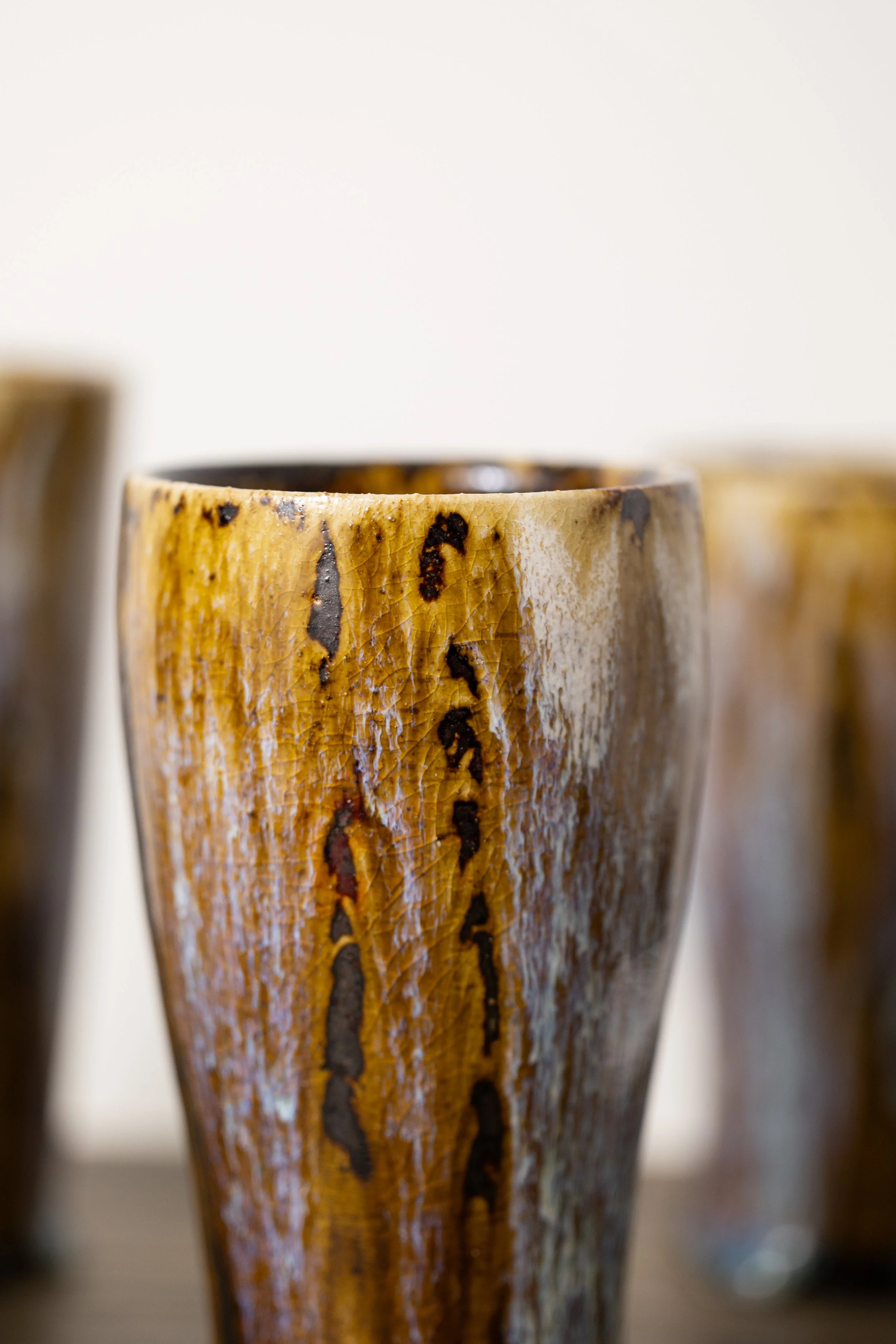
Not every pot makes it to the shelf. A look at the pieces that never leave the studio — and why standards matter in handmade pottery.
Making Pottery in a Small Mountain Town
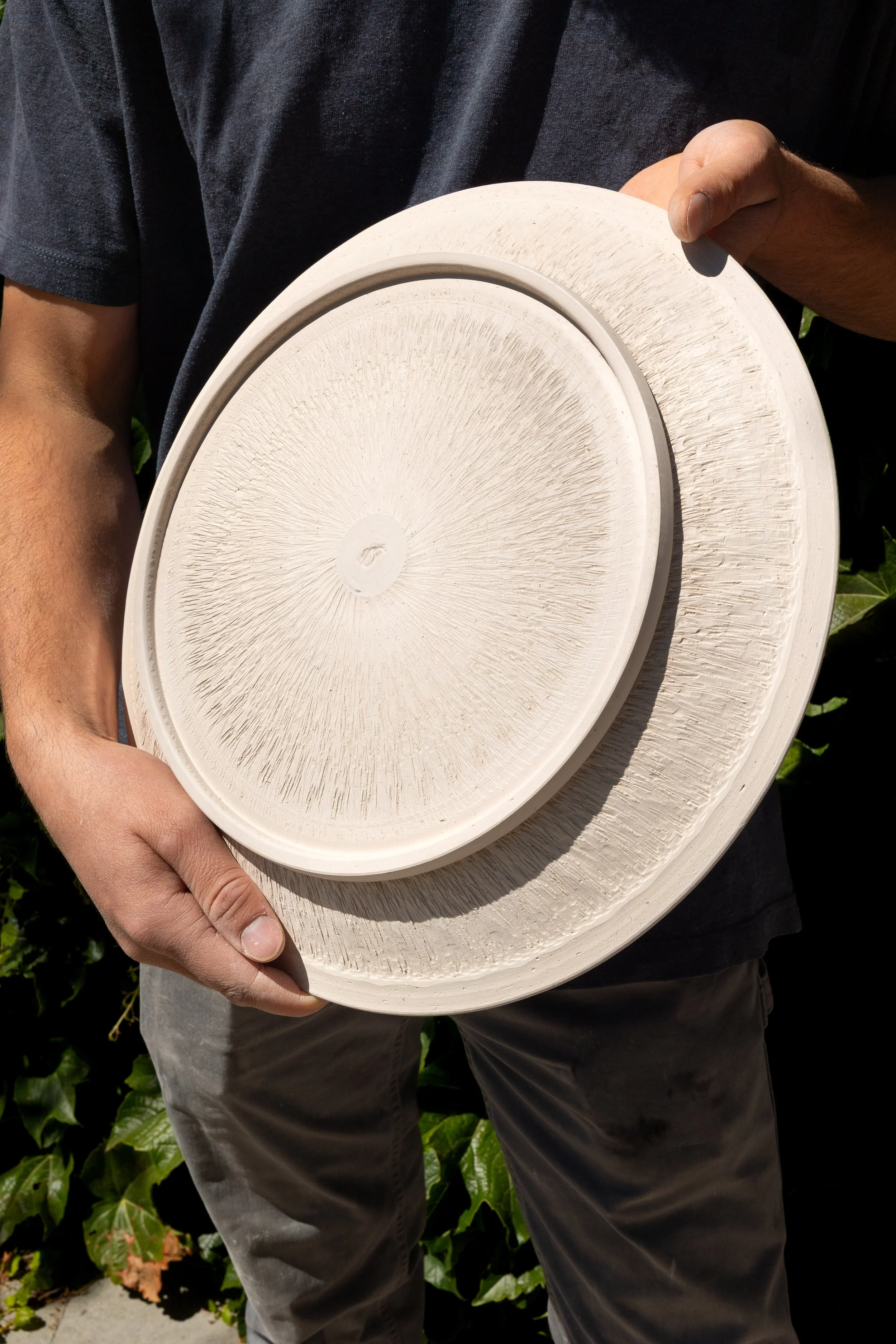
What it’s really like making pottery in a small mountain town — the challenges, the isolation, and the steadiness of building Logan Utah pottery slowly.
What Kind of Potter I’m Trying to Become
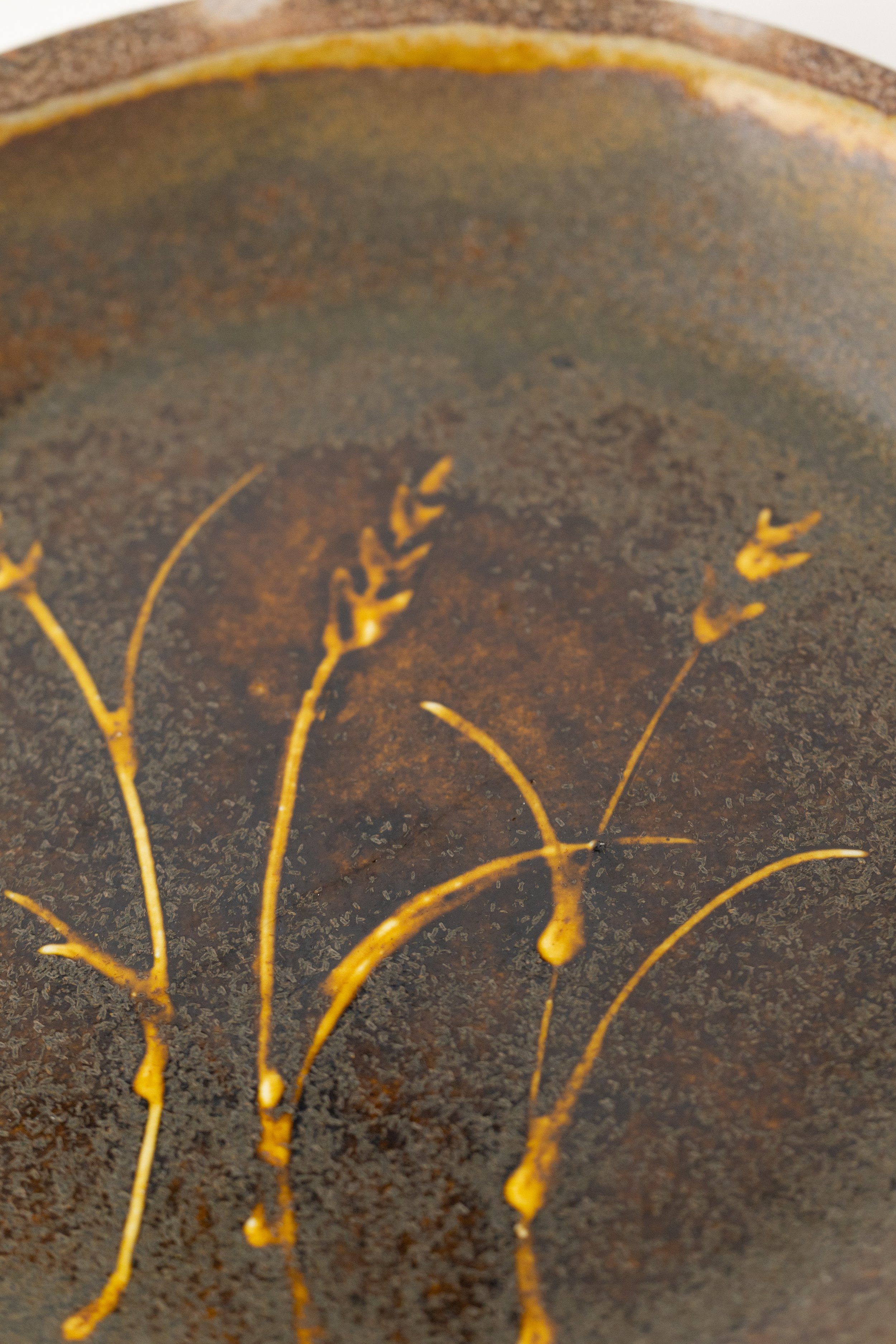
A reflection on the kind of potter I’m trying to become — rooted, steady, and focused on depth over trends in Logan Utah pottery.
The Real Reason I Fire to Cone 10
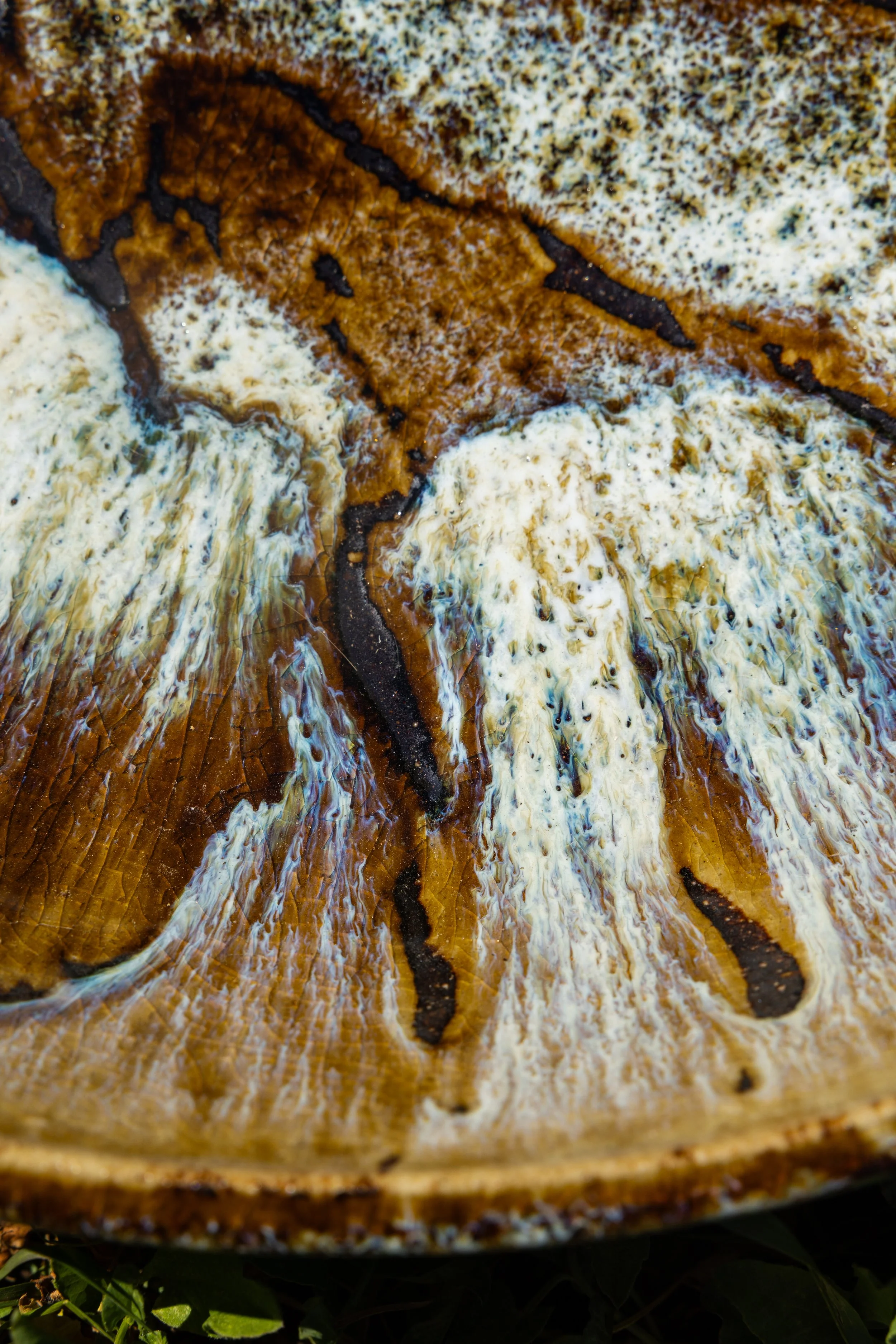
Why cone 10 glazes look different than cone 6 — and why that depth and maturity keep me firing hotter, even when it’s harder on the kiln.
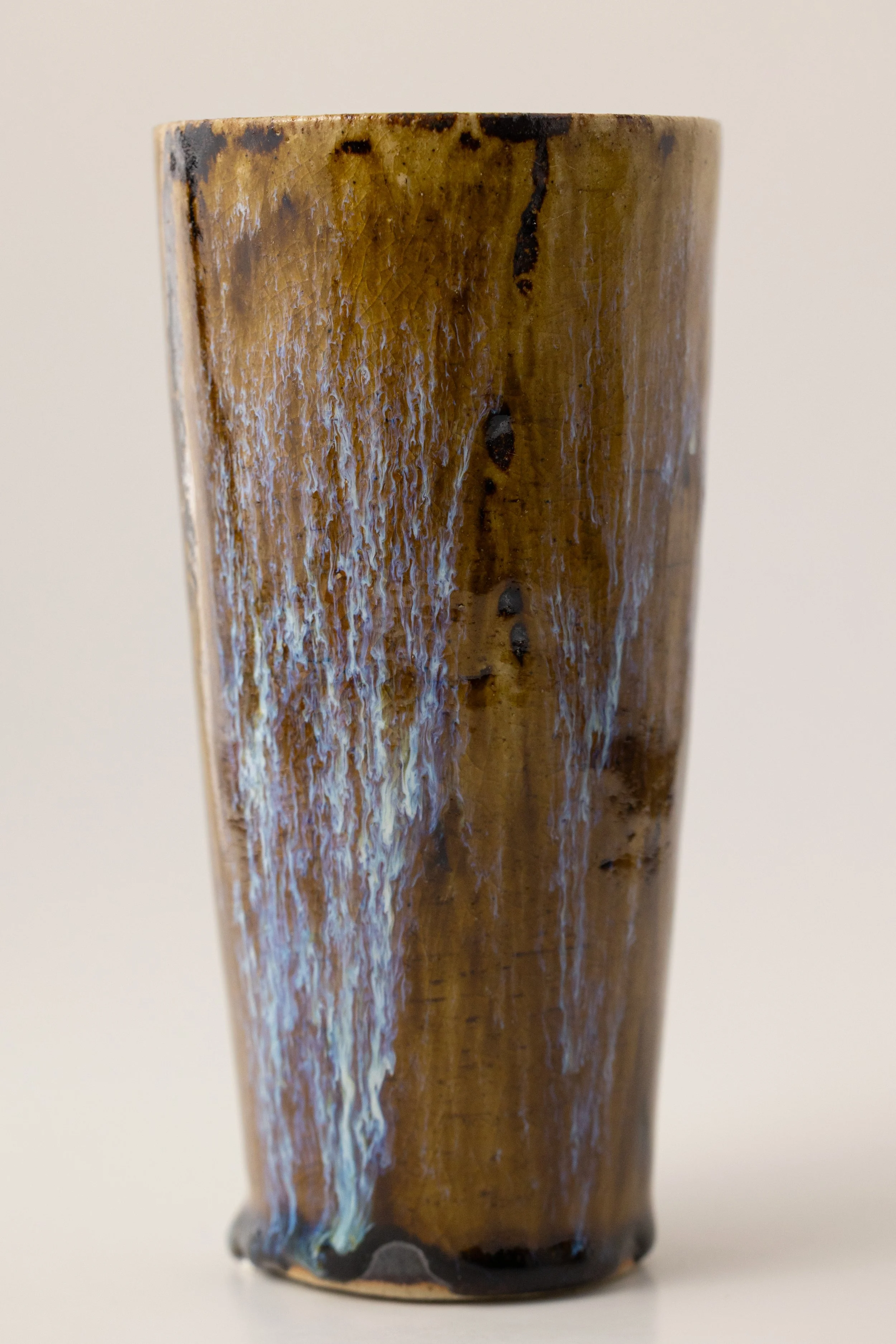
What Happens When an Electric Cone 10 Firing Fails
What happens when an electric cone 10 firing fails? A look at the strain high-fire temperatures put on electric kilns and what I’ve learned in the process.
Why Logan, Utah Shapes the Way I Make Pots
How living in Logan, Utah influences my pottery — from building a Utah salt kiln to choosing muted surfaces and functional forms.
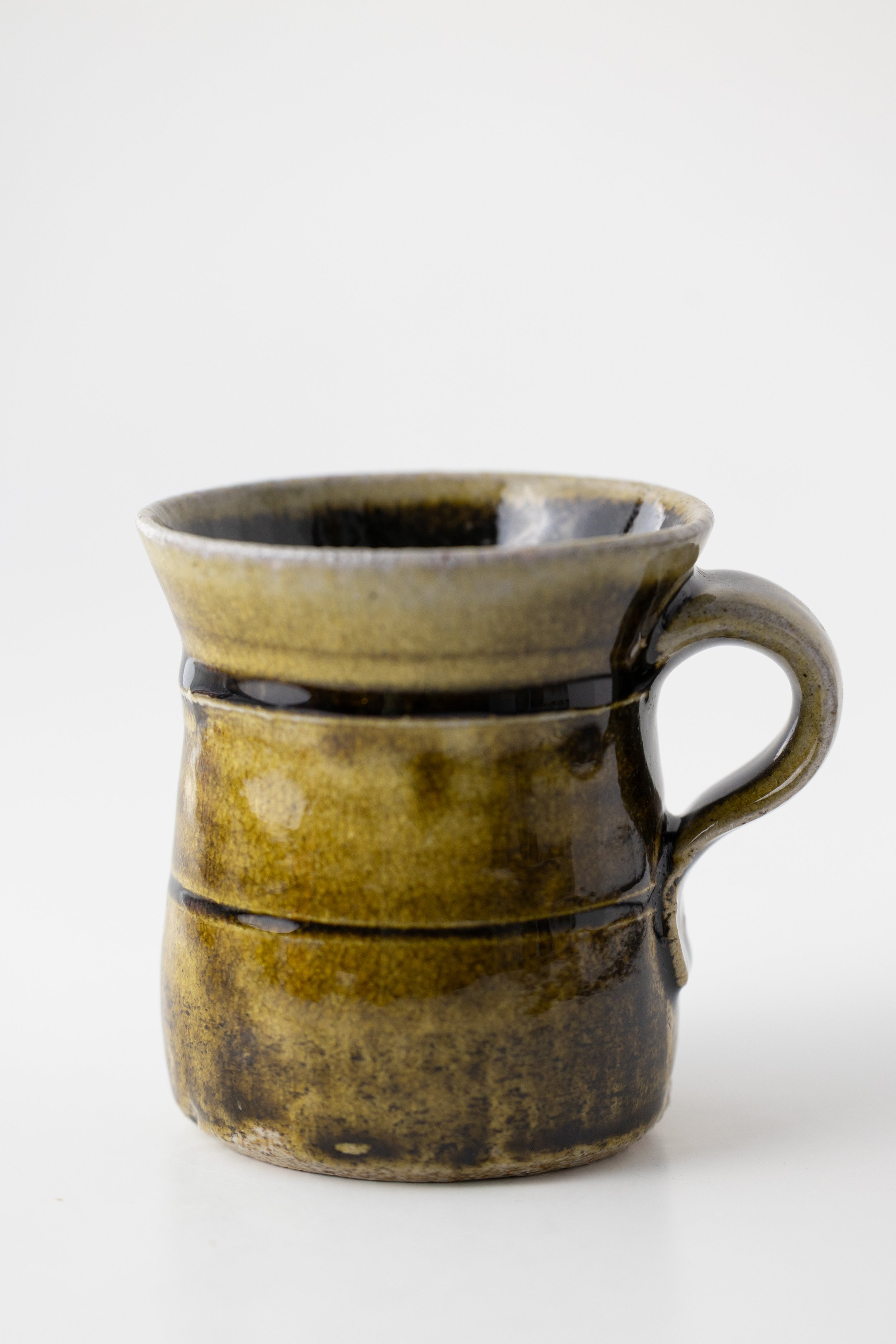
Can You Make Functional Pottery From Utah Wild Clay?
Can Utah wild clay be used for functional pottery? An honest look at testing, blending, and what it really takes to turn local clay into durable ceramics.
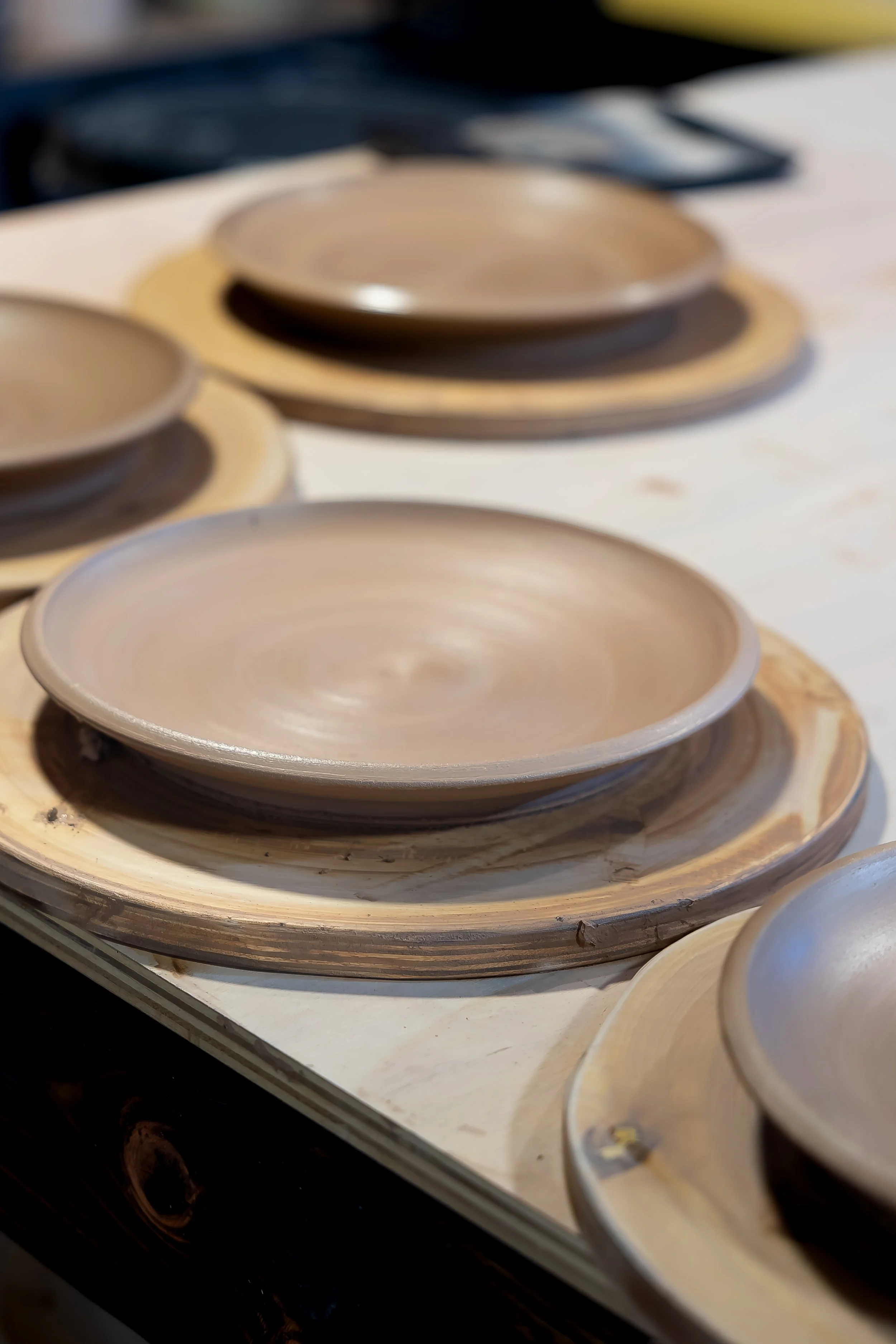
Why Handmade Pottery Costs More Than You Think
Why does handmade pottery cost more than mass-produced ceramics? A Logan Utah potter explains the labor, materials, and process behind salt fired pottery.
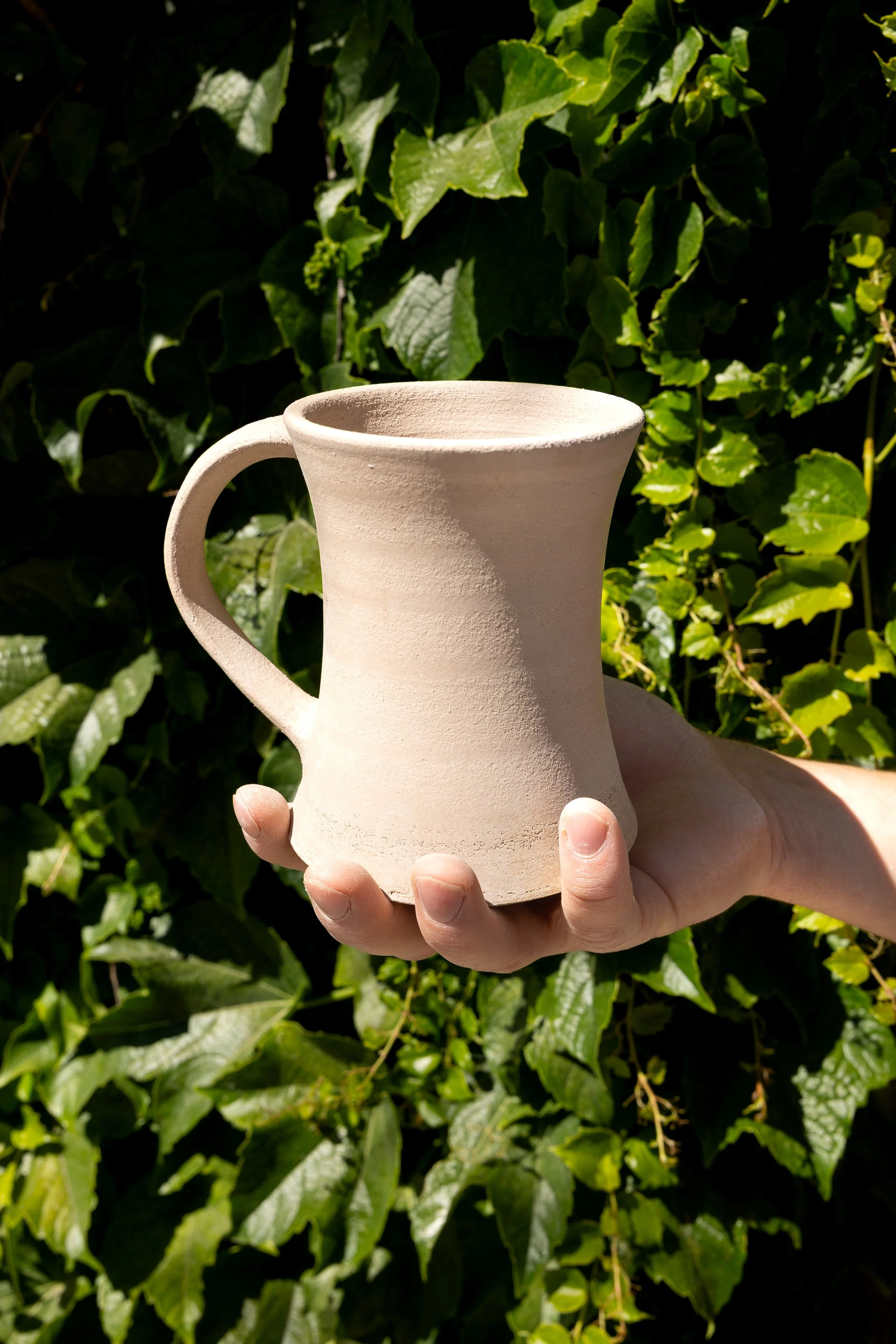
What Makes a Good Mug? (From a Potter’s Perspective)
A potter’s perspective on what makes a good mug — weight, handle design, rim shape, and why small details matter in handmade Logan Utah pottery.
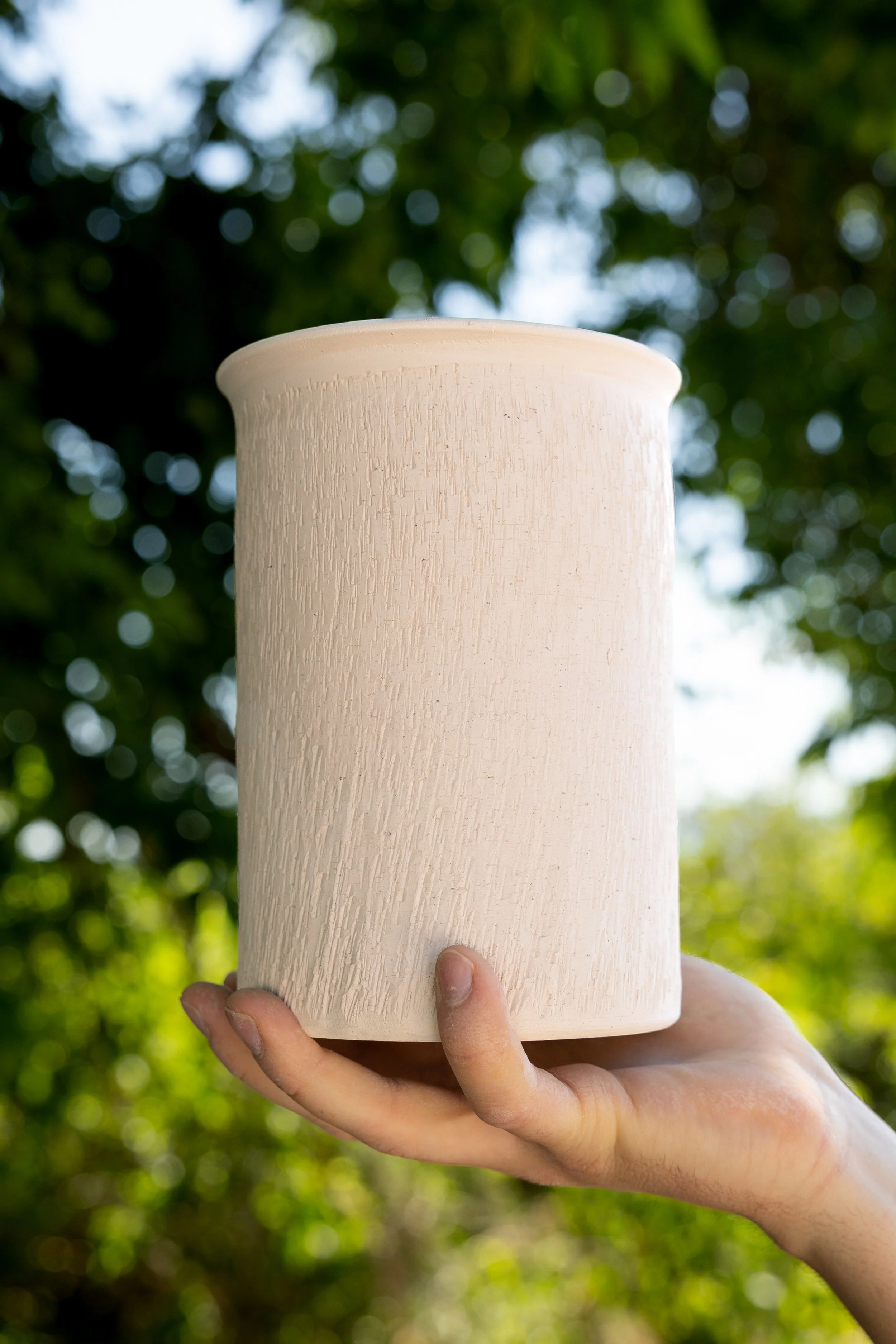
Why I Choose Functional Pottery Over Decorative Work
A reflection on why I choose to make functional pottery instead of decorative sculpture — and why everyday use matters more to me than display.
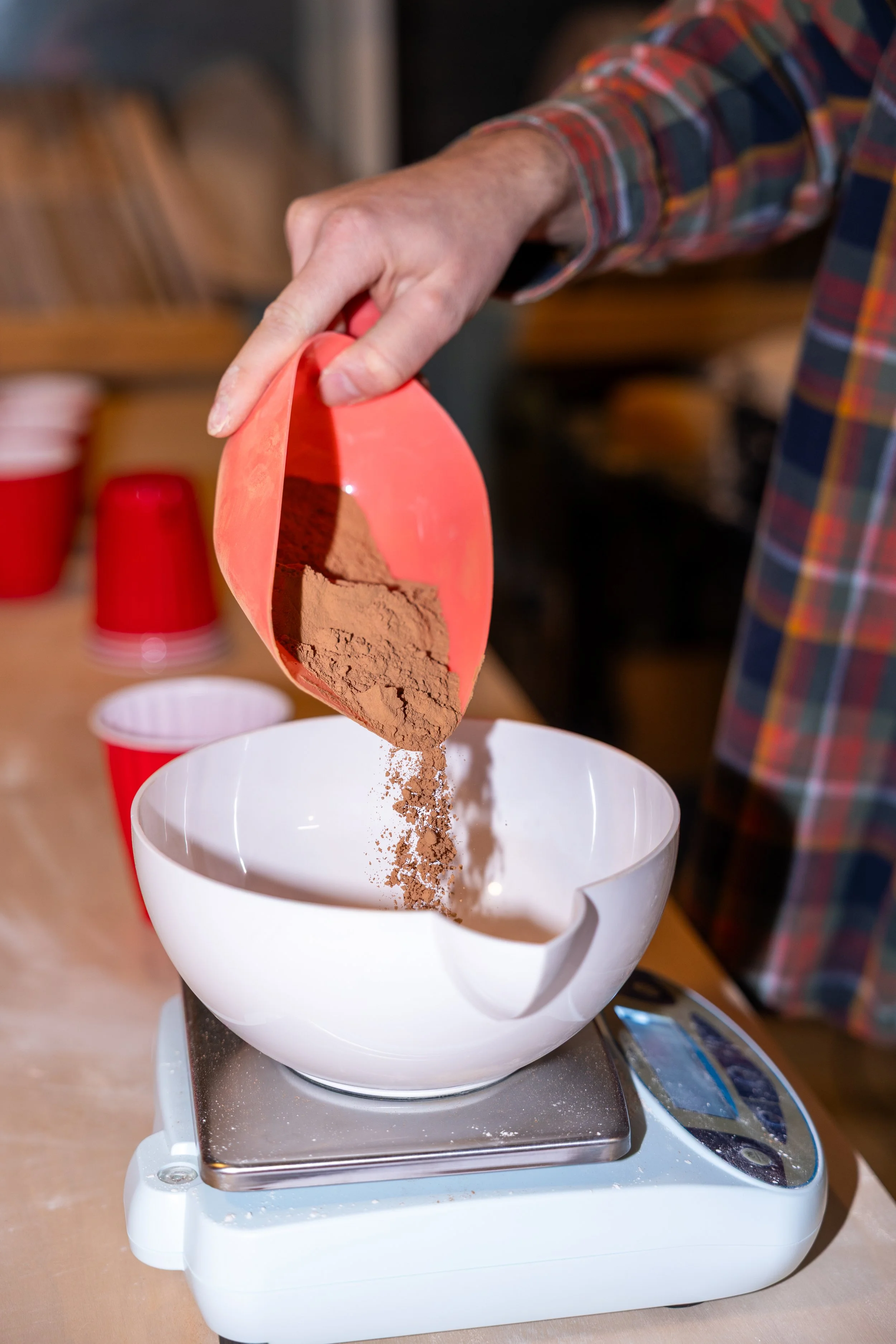
Common Problems With Utah Wild Clay (And What I’m Learning So Far)
An honest look at the common problems with Utah wild clay — cracking, warping, melting, and what real testing has taught me so far.
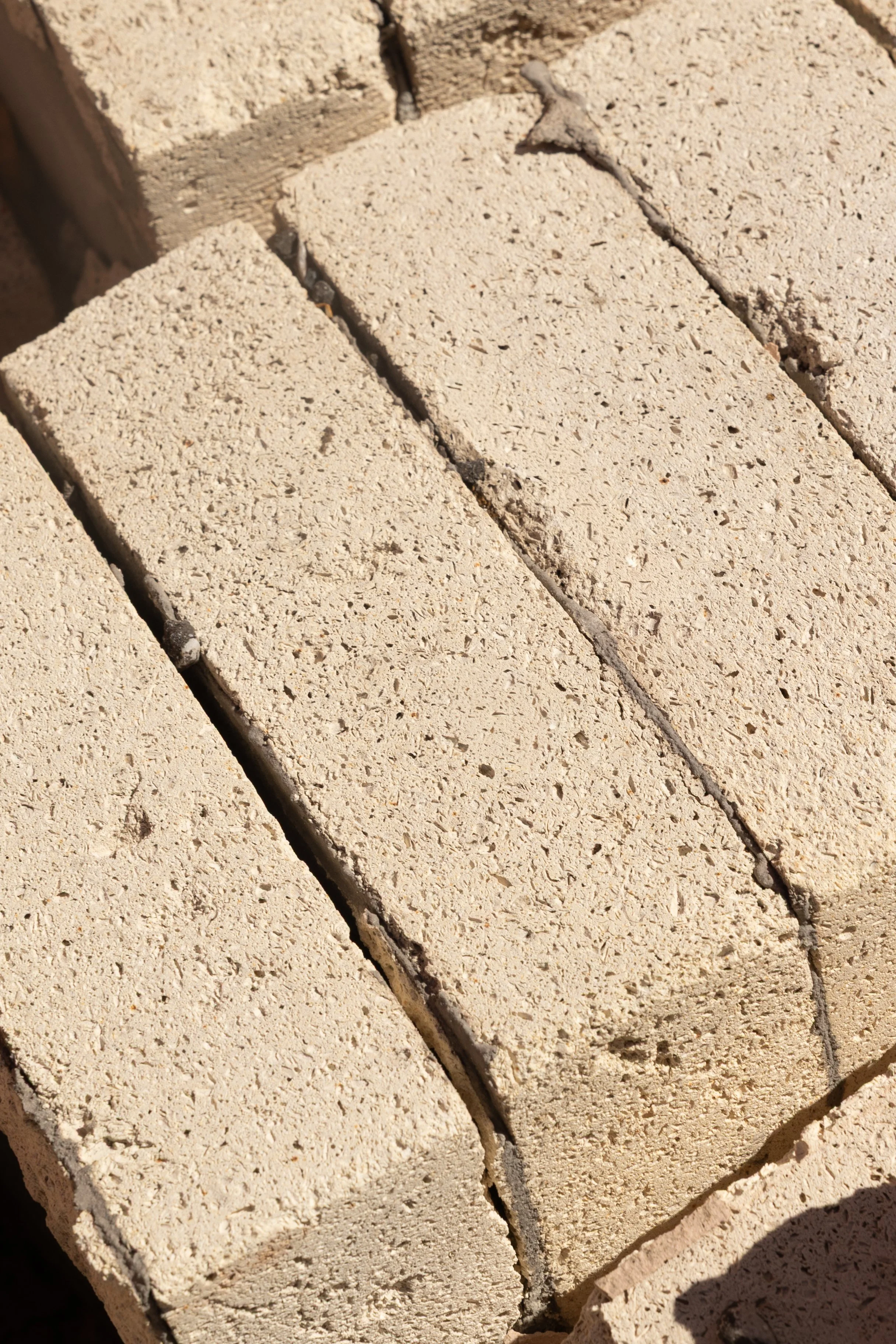
Logan Utah Salt Fired Pottery | Utah Salt Kiln Project
From three salt firings at Utah State University to building his own Utah salt kiln in Logan, Adam shares why salt fired pottery became the foundation of Corbridge Pottery.