What It Costs to Build a Salt Kiln in Utah
Building a Utah salt kiln isn’t just a technical project.
It’s a financial commitment.
When I first decided I wanted salt fired pottery to be central to my work, I knew access would eventually become the limiting factor. There aren’t many active salt kilns in northern Utah. If I wanted to fire consistently, I would need to build my own.
That realization came with a second one: this wouldn’t be cheap.
The Reality of Cost
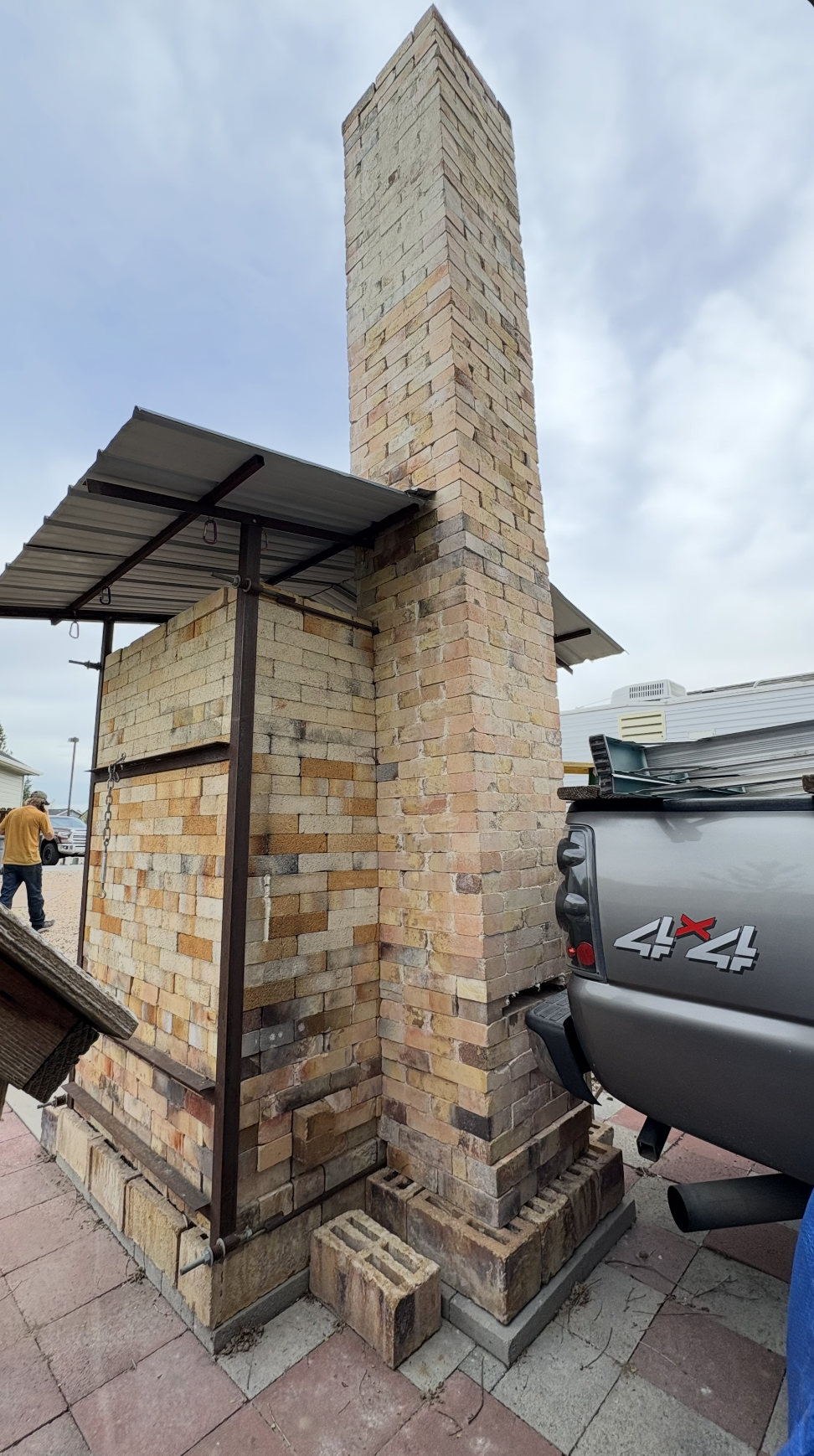
A salt kiln requires more than stacked brick. The core expenses include:
High-quality firebrick (hard and soft brick)
Fire clay to mortar them together and kiln shelves
Steel framing or structural support
Arch materials or cast-able components
Gas burners and regulators
Safety shutoff systems
Flue and chimney materials
Concrete pad or foundation work
And that’s before the first firing ever happens.
Depending on size and design, building a Utah salt kiln can cost several thousand dollars — sometimes significantly more. The final number depends on scale, materials, and whether labor is hired out or done personally.
For me, this has meant planning long before construction.
Saving Before Stacking
After my first experiences with salt firing at Utah State University, I knew I wanted this long term. But wanting a kiln and building one are two different things.
So I started saving.
Kiln projects don’t move fast when you’re funding them responsibly. I’ve had to think about timing, studio priorities, and whether each purchase moves the project forward in a sustainable way.
It would be easier to keep things small and electric.
But salt fired pottery requires infrastructure. And infrastructure requires patience.
Ongoing Costs
The investment doesn’t stop after construction.
Every firing requires:
Fuel (natural gas or propane)
Time — often 12+ hours of active firing
Salt
Maintenance and brick repair over time
Salt vapor is corrosive. Kilns wear down. Components eventually need replacement. A Utah salt kiln is not a one-time expense — it’s a long-term relationship with upkeep built in.
Why It’s Worth It
If this were about convenience, it wouldn’t make sense.
Salt firing is slower. More expensive. More labor intensive. But it produces surfaces that can’t be replicated any other way. Flame path, vapor movement, and kiln atmosphere all shape the final piece.
When someone holds a piece of salt fired pottery, they’re holding the result of fuel, chemistry, and sustained heat — not just a glaze recipe.
For me, building a Utah salt kiln is about committing to a direction. It’s about saying that this process matters enough to invest in.
There’s risk involved. There always is when you build something substantial. But there’s also clarity. Once the kiln is complete, salt firing won’t be occasional. It will be foundational.
The bricks aren’t stacked yet.
But the savings, the planning, and the commitment are already in place.
— Adam
