Why Logan, Utah Shapes the Way I Make Pots
Logan is not loud. Mountains, dry air, long winters and a steady pace. Over time, all of it has worked its way into my pots.
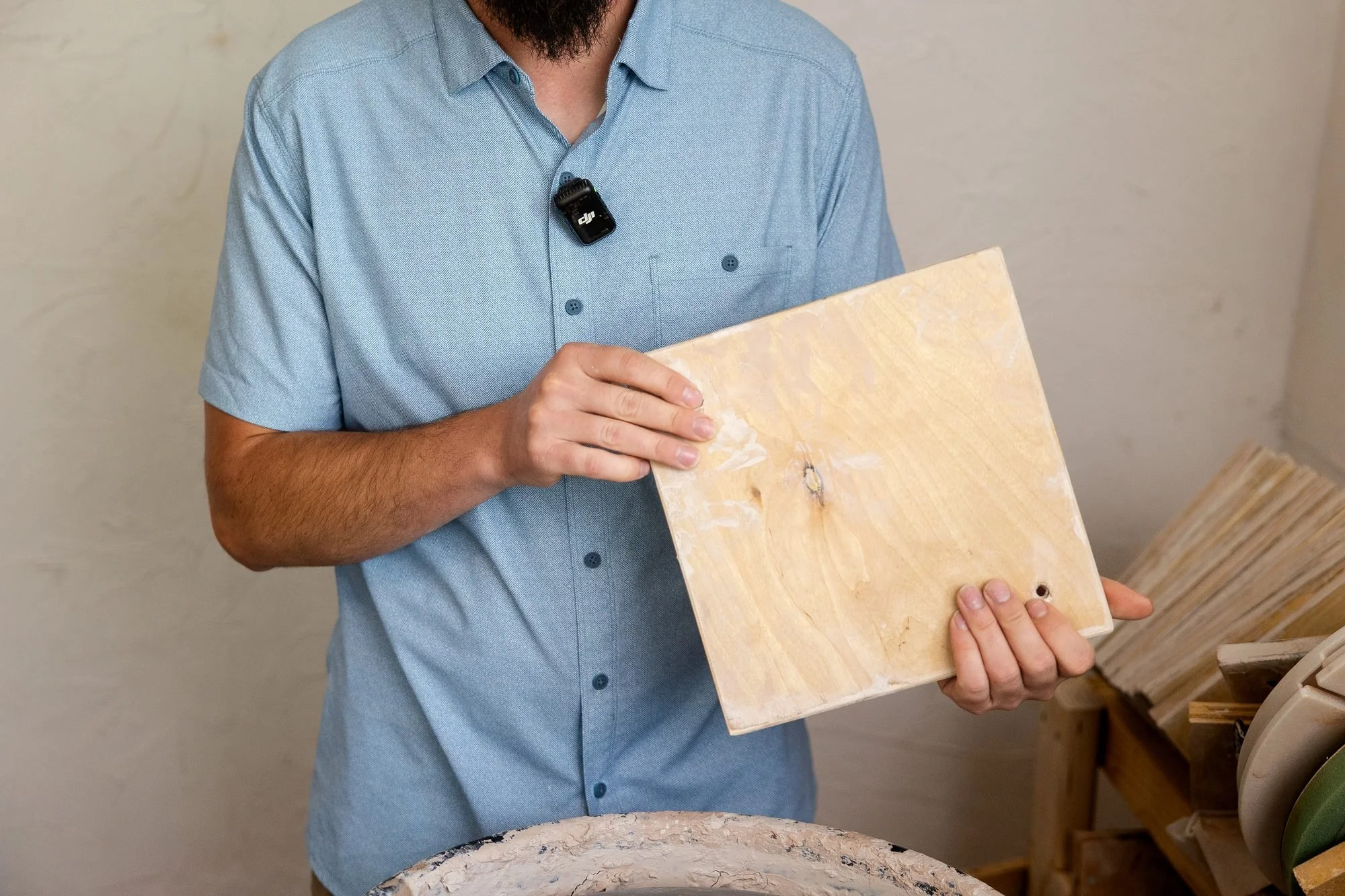
Living in Logan has made me slower in a good way. Long winters mean more time in the studio, dry air means watching moisture closely, and the colors of northern Utah shape the surfaces I chase. The practical culture here reinforces why I make pots meant to be used.
- Salt firing rewards patience, which fits the rhythm of northern Utah
- Dry air stiffens clay fast, so timing and wrapping matter
- Muted browns, iron reds and stone grays show up in my surfaces
You do not really notice how much a place shapes you until you have stayed in it long enough. Logan is not loud. It does not try to impress you. It is mountains, dry air, long winters, and a pace that feels steady whether you like it or not. That pace has worked its way into my pottery.
Slow on purpose
Living here has made me slower, in a good way. Winters are long enough that you cannot rush projects. You spend more time inside the studio. You think more. You test more. You sit with ideas longer than you might somewhere busier.
I do not think it is a coincidence that I am building a salt kiln here. Salt firing is not fast. It is not clean. It does not reward shortcuts. It asks for patience: loading carefully, firing for hours, waiting days before opening the kiln. Something about that rhythm fits northern Utah.
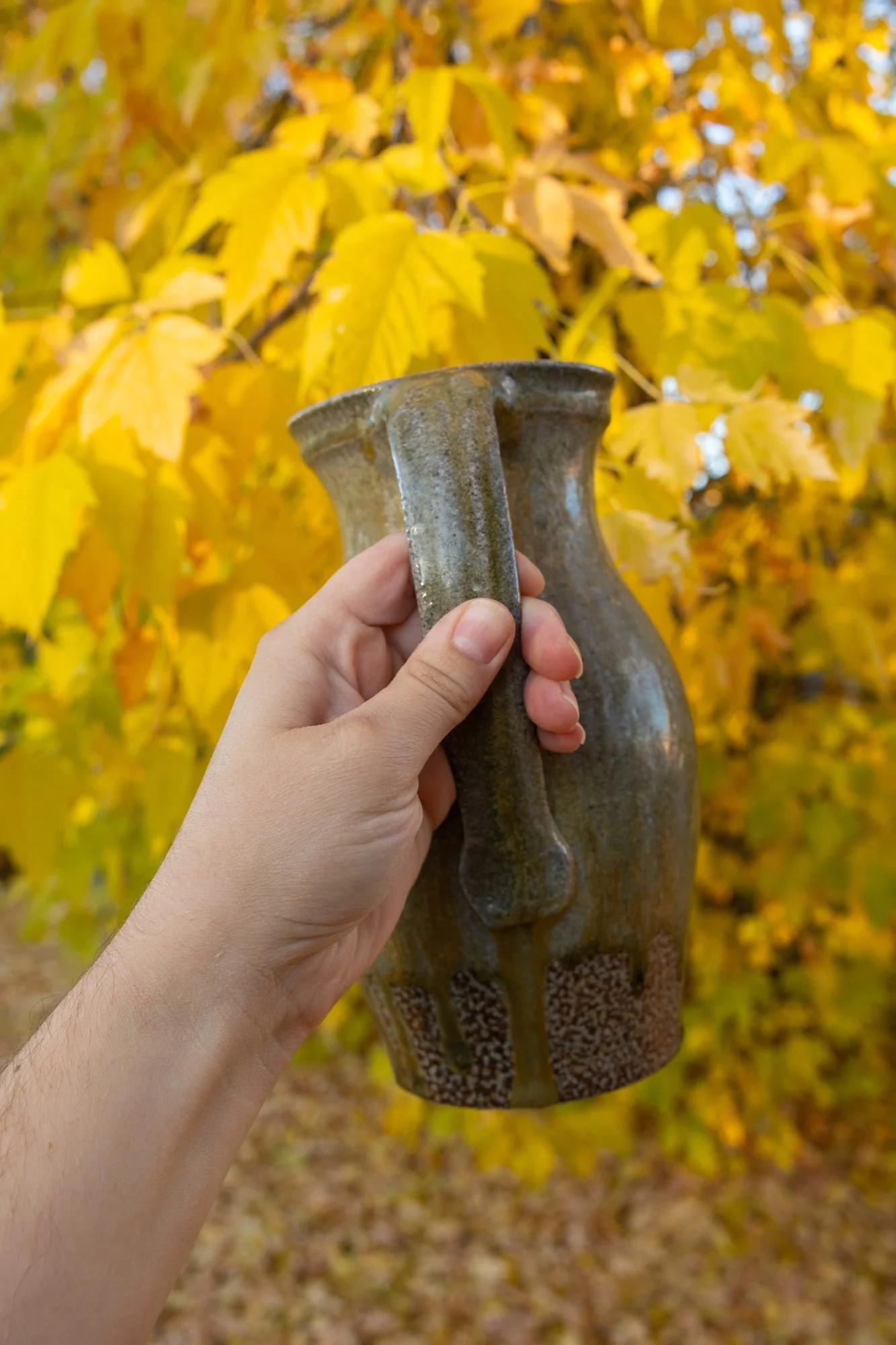
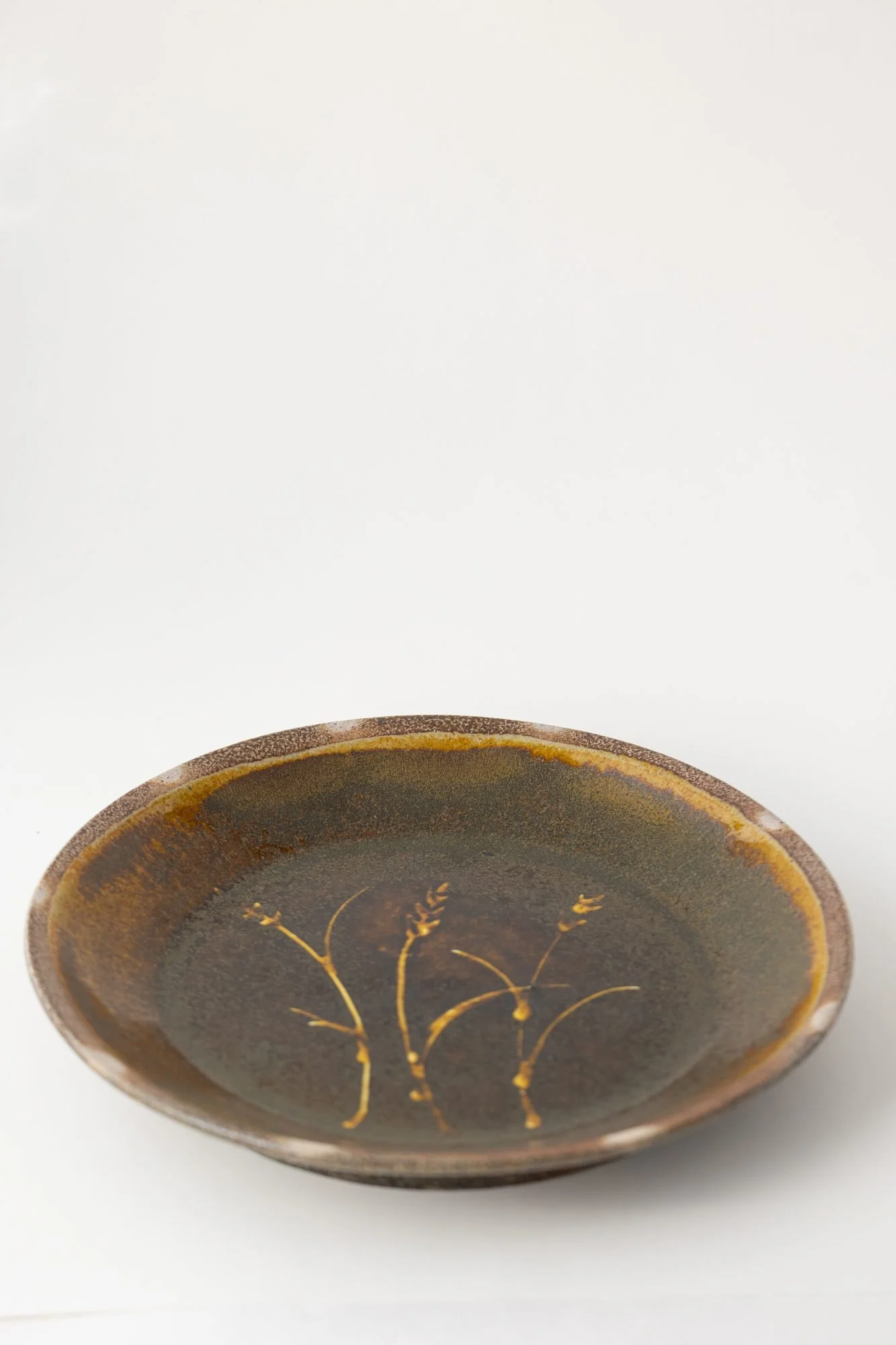
Dry air
The dryness matters too. Clay behaves differently in dry air. Pieces stiffen faster, and timing becomes important. You learn to wrap work carefully. You learn how much moisture is leaving a form just by how it feels when you pick it up. That awareness carries into everything, from trimming a foot ring to stacking a kiln.
The colors of this place
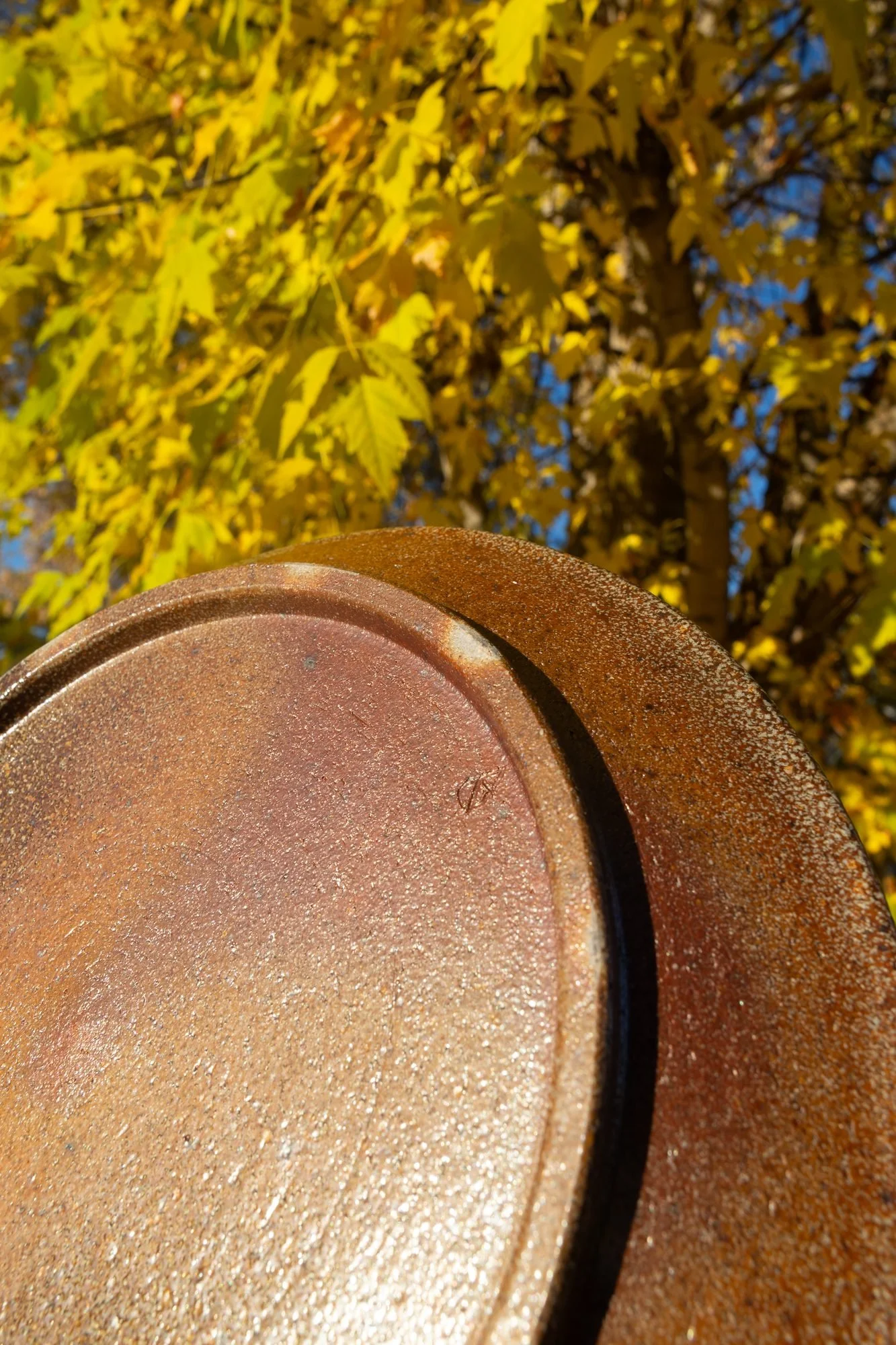
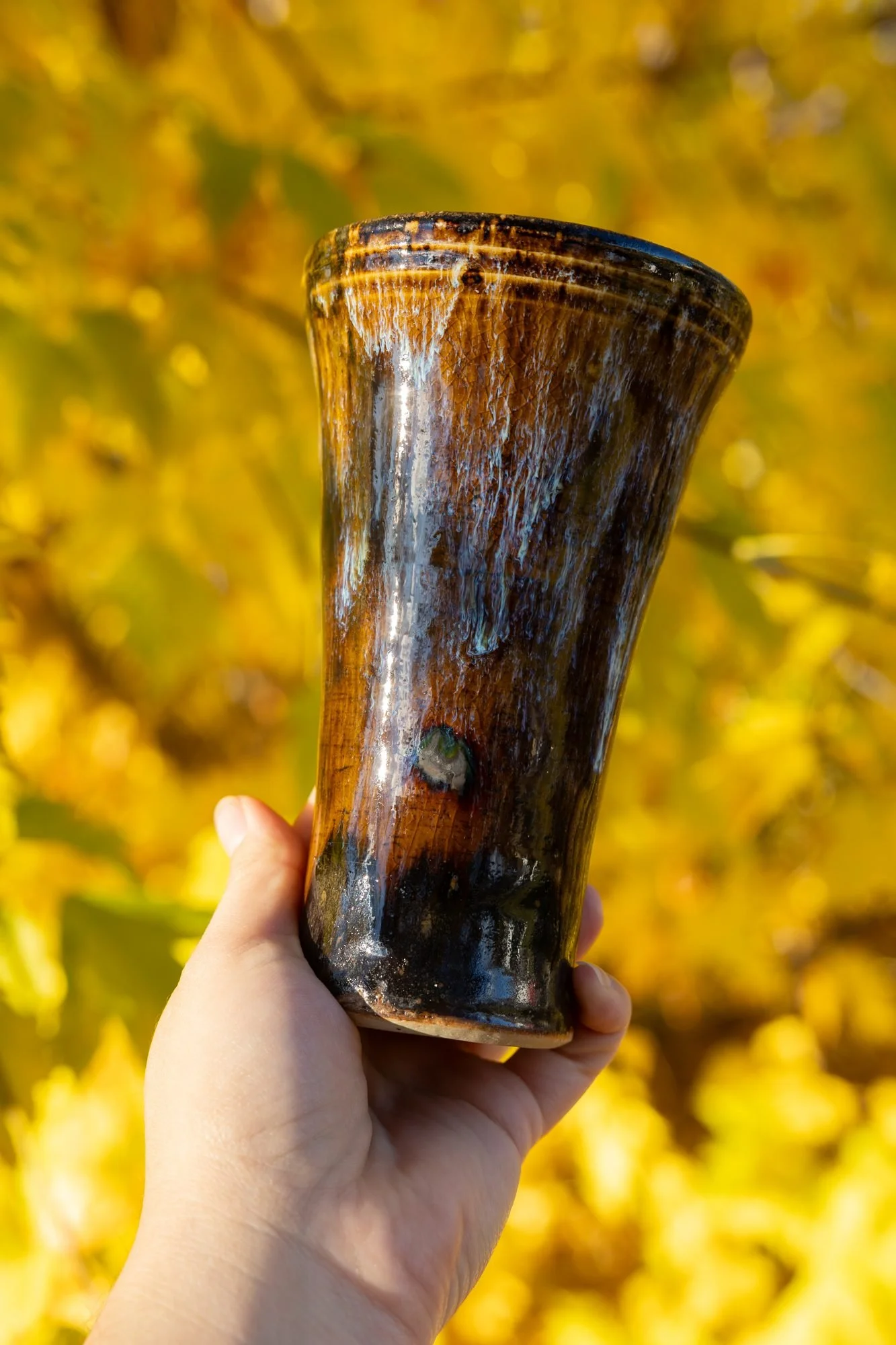
Even the colors around here show up in my thinking. Muted browns. Iron rich reds. Soft stone grays. The hills in late summer. The pale fields in winter. When I think about surfaces in salt fired pottery, I am not picturing bright, glossy finishes. I am thinking about subtle shifts, flashing that feels like light on dry grass.
A culture of use
Logan also keeps things practical. There is a strong culture of use here. Things are built to last. Tools get repaired. Objects are not precious just because they are handmade; they are valued because they work. That mindset reinforces why I make functional pottery: mugs, bowls, plates, things that live on kitchen tables and not on pedestals. When someone buys a pot from my studio, I want it to feel like it belongs here. Steady, durable, unpretentious.

I did not set out to make regional work. But the longer I stay, the more I see this place shaping the edges of what I do. The mountains do not move fast. Neither do I.
In a dry climate like Cache Valley, wrap greenware loosely in plastic overnight and let handles and rims dry under a second layer. Thin parts dry first, and evening them out with the body saves a lot of cracked joints.
Still watching the light change on the Wellsvilles and thinking about kiln plans. More from the studio soon.
