Why I Choose Functional Pottery Over Decorative Work
There’s nothing wrong with sculpture.
Some of the most powerful ceramic work I’ve ever seen has been purely sculptural — pieces meant to be observed, not touched. I respect that deeply.
But when I sit down at the wheel, that’s not what I reach for.
I make cups. Bowls. Plates. Pitchers. Forms meant to be held.
I didn’t arrive at that decision through theory. It happened slowly.
The first time someone drank coffee out of a mug I made, something shifted. It wasn’t dramatic. They didn’t make a speech about it. They just used it. Casually. Naturally. Like it belonged in their hands.
That felt right.
Functional pottery lives with people. It gets chipped. It gets washed. It gets pulled from the cupboard without ceremony. It becomes part of morning routines and quiet evenings.
There’s something grounding about that.
When I think about building a Utah salt kiln and committing to salt fired pottery, I’m not imagining gallery pedestals first. I’m imagining surfaces shaped by fire wrapping around forms that get used every day.
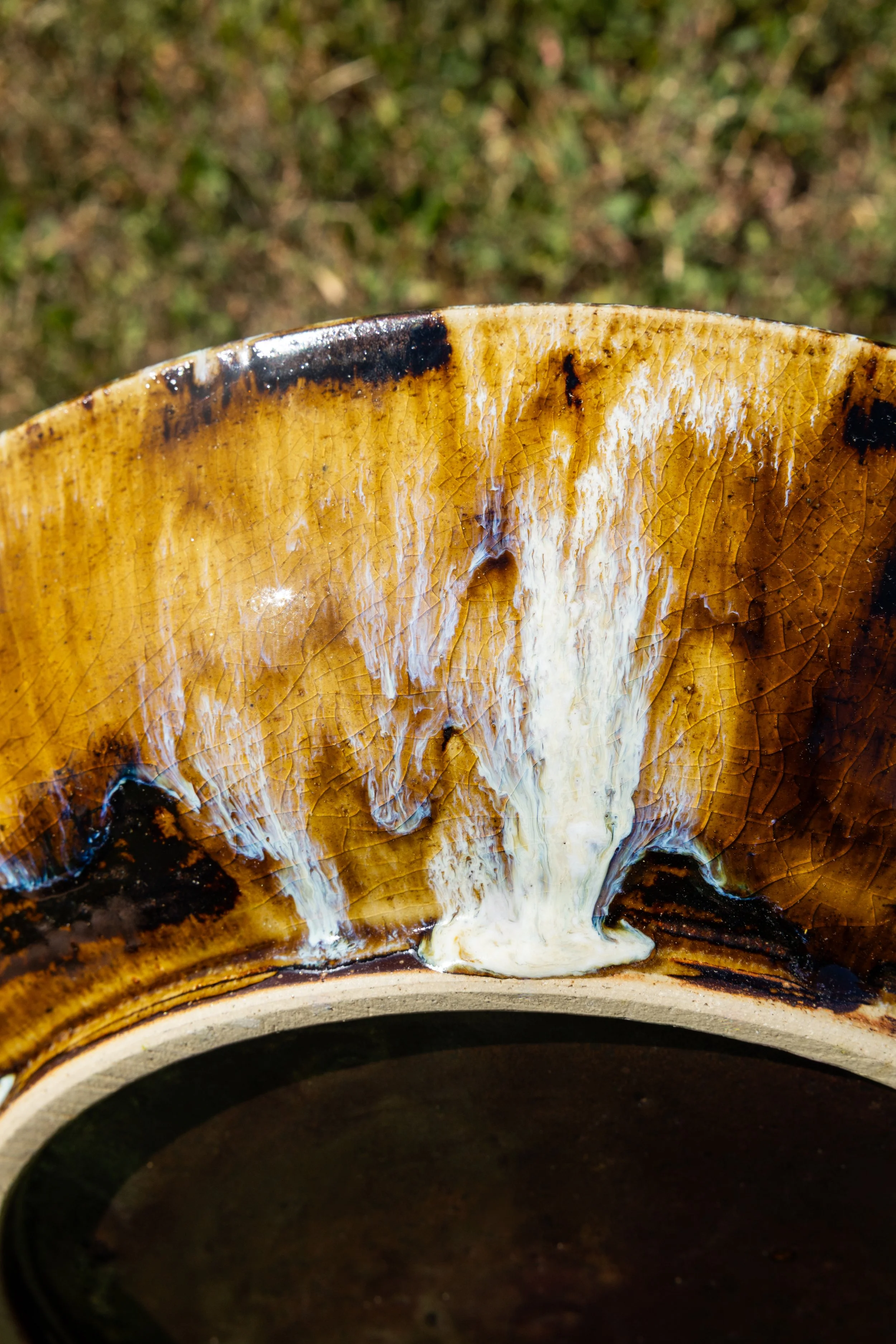
A salt-fired mug carries heat differently. A bowl with subtle flashing feels different under your thumb. The surface tells a story — but it doesn’t demand attention. It just exists in your hands.
I like that balance.
Making functional work also keeps me honest. A cup has to work. It has to feel good at the rim. The handle has to balance. A bowl has to sit flat. There’s no hiding behind abstraction. The form either functions well, or it doesn’t.
In that way, functional pottery is disciplined.
Living and working here in Logan, making pottery rooted in this place, I’m drawn to objects that feel steady. Useful. Quietly intentional. Not flashy.
I don’t want to make things that sit untouched.
I want to make things that get picked up.
That’s the direction I keep returning to — whether I’m testing wild clay or sketching kiln plans. The process matters. The surface matters. But in the end, the piece has to live in someone’s hands.
That’s enough for me.
— Adam Corbridge
Probably trimming a mug foot or sketching another kiln idea right now.
You can follow the slow build at adamcorbridgepottery.com