High Fire vs Midrange Pottery: What’s the Difference?
Most buyers do not think in cones. But the firing temperature affects almost everything about how a piece was made, how it feels and how it lasts.
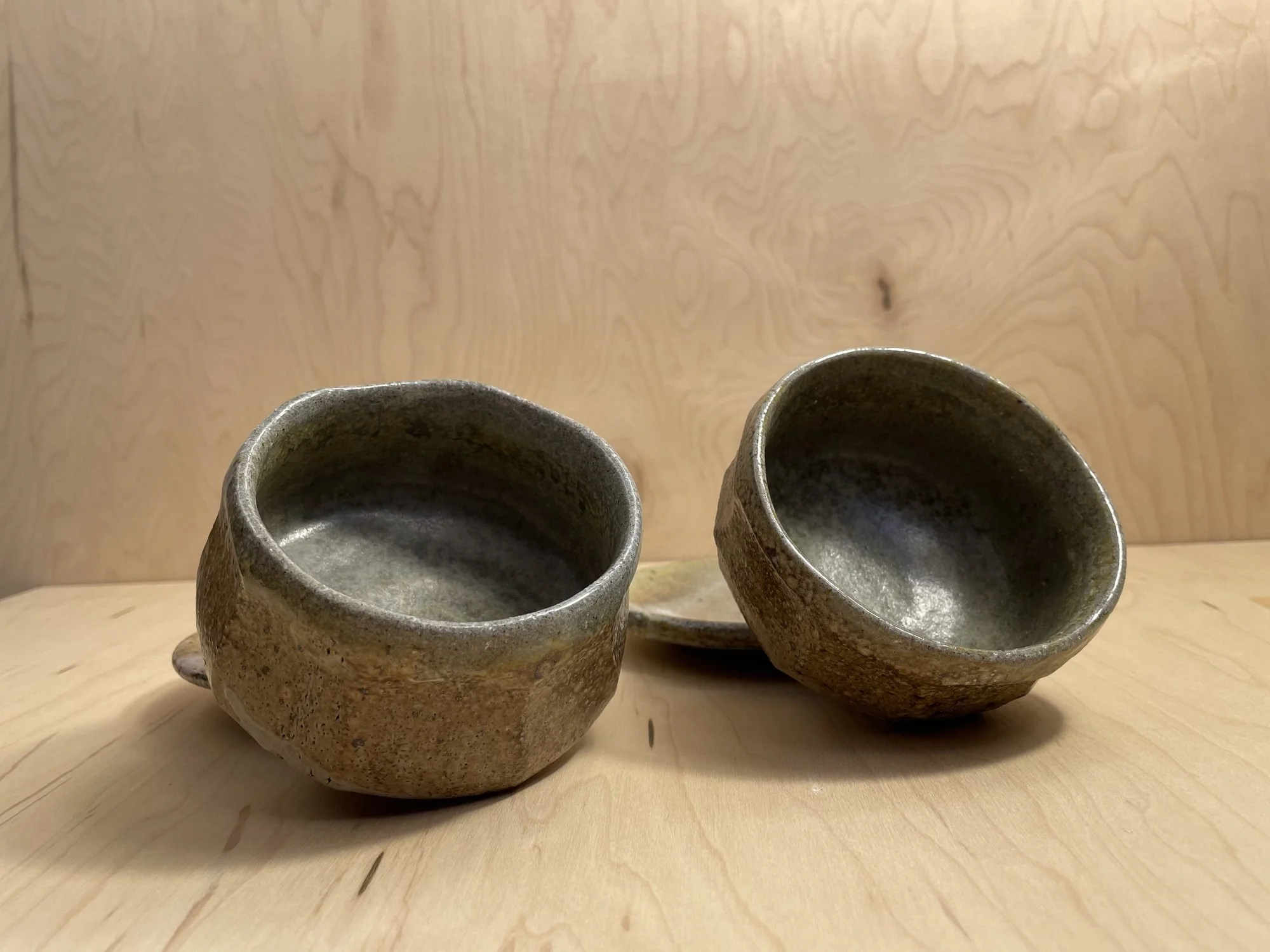
Midrange usually means cone 5 to 6. High fire usually means cone 9 to 10, roughly 200 to 250°F hotter at the top. That gap changes vitrification, surface depth, glaze fit and energy cost. Neither is better. They are different priorities.
- Cone 10 pushes clay maturity further and leaves a wider margin for full vitrification
- High fire surfaces tend to be earthier and deeper; midrange can be brighter and more controlled
- Cone 10 costs more in energy, kiln wear and testing
What the numbers mean
Most buyers see a mug they like, feel the weight and notice the surface. The firing temperature is not obvious, but it affects almost everything about how that piece was made. In ceramics, midrange usually refers to cone 5 to 6, and high fire usually means cone 9 to 10. The difference is roughly 200 to 250°F at the top end. That does not sound dramatic. In clay, it is.
Vitrification
At higher temperatures, clay bodies vitrify more fully. The particles fuse tighter, absorption drops, and the piece becomes denser and less porous. Many cone 6 clay bodies are formulated to vitrify well at midrange, but cone 10 pushes that maturity further. That added density can improve long term durability, especially in functional ware that sees daily use.
It is not that cone 6 cannot be strong. It can be. But cone 10 offers a wider margin for full maturity if the clay body is built for it.
Surface depth
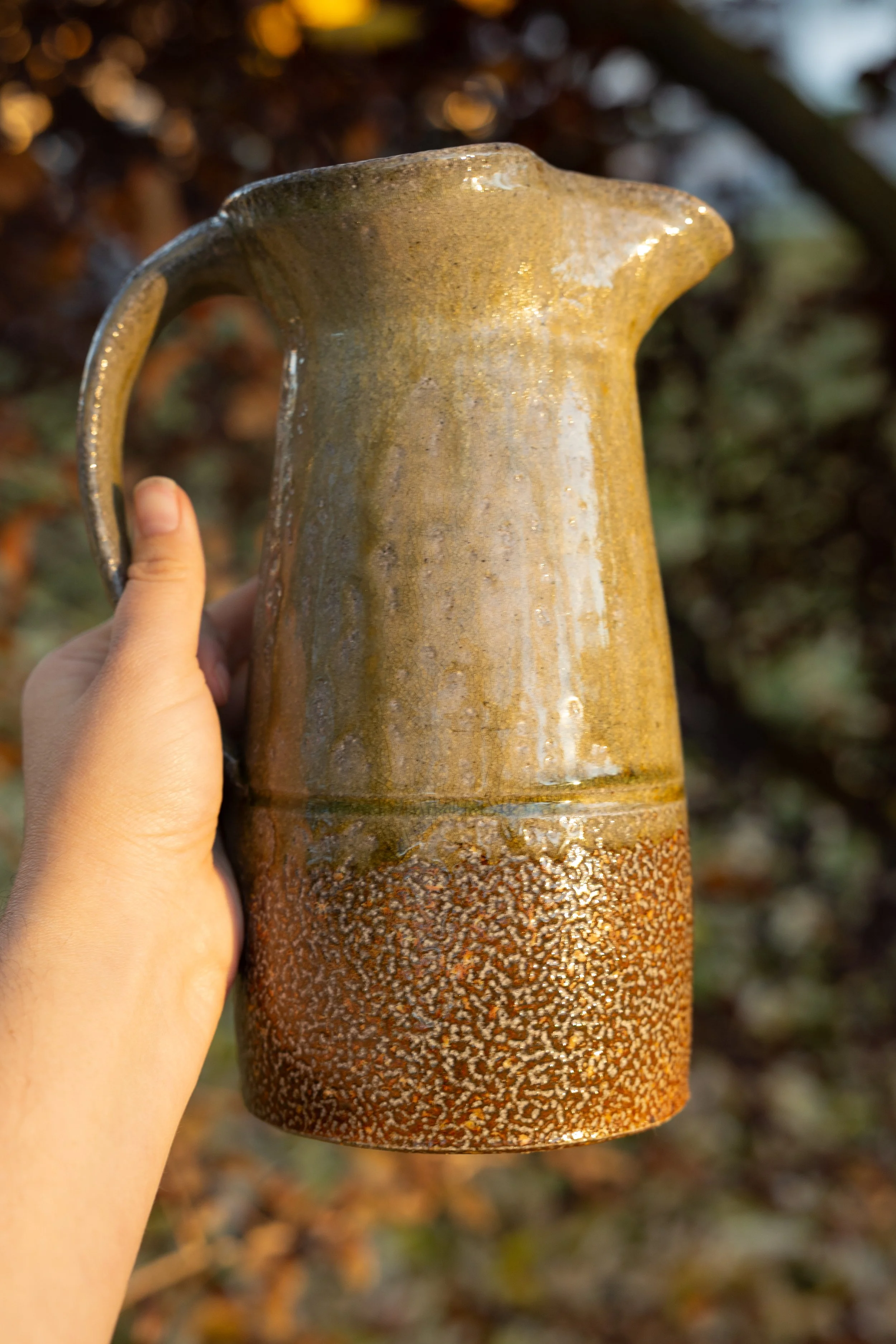
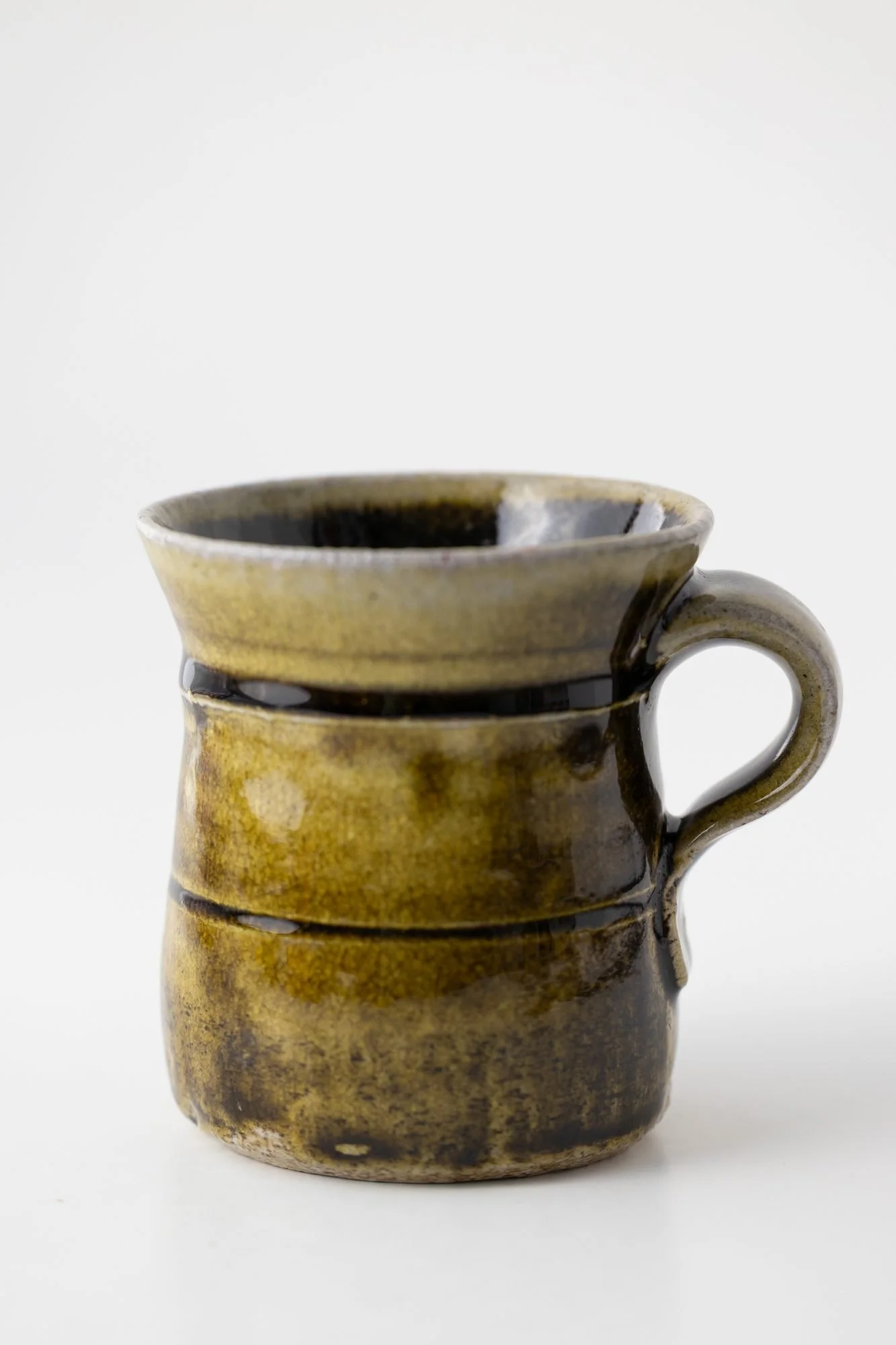
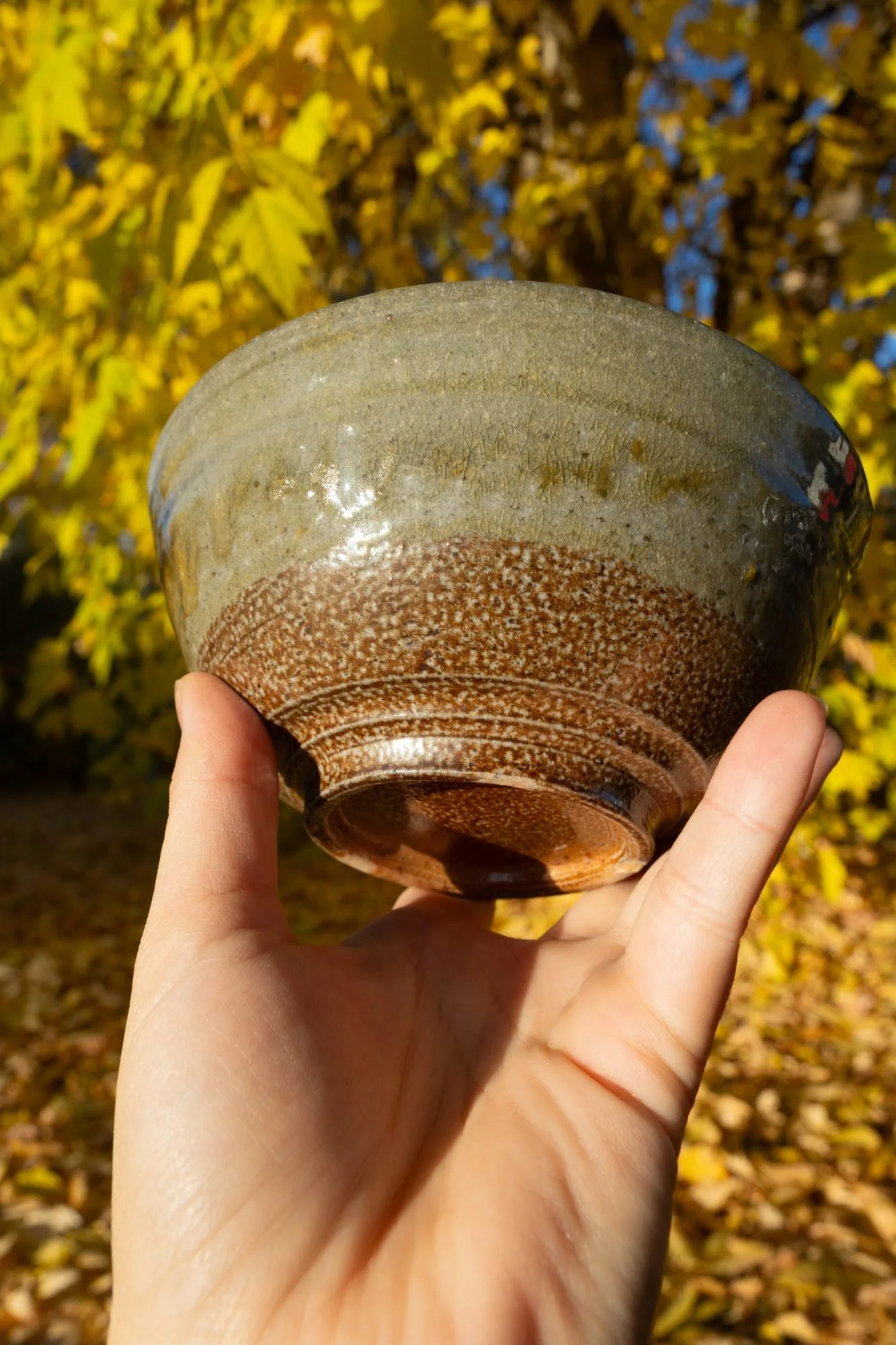
High fire changes how glazes behave. At cone 10, fluxes move more, iron develops deeper tones and subtle variation increases. There is often more interaction between glaze and clay body because everything has had more time and heat to react.
Midrange glazes can be bright and controlled. High fire tends to be earthier, more subdued and more complex in depth than in color saturation. That difference is not better or worse. It is a direction. I am not chasing bright color or graphic contrast. I am after depth, and cone 10 supports that.
Durability and fit
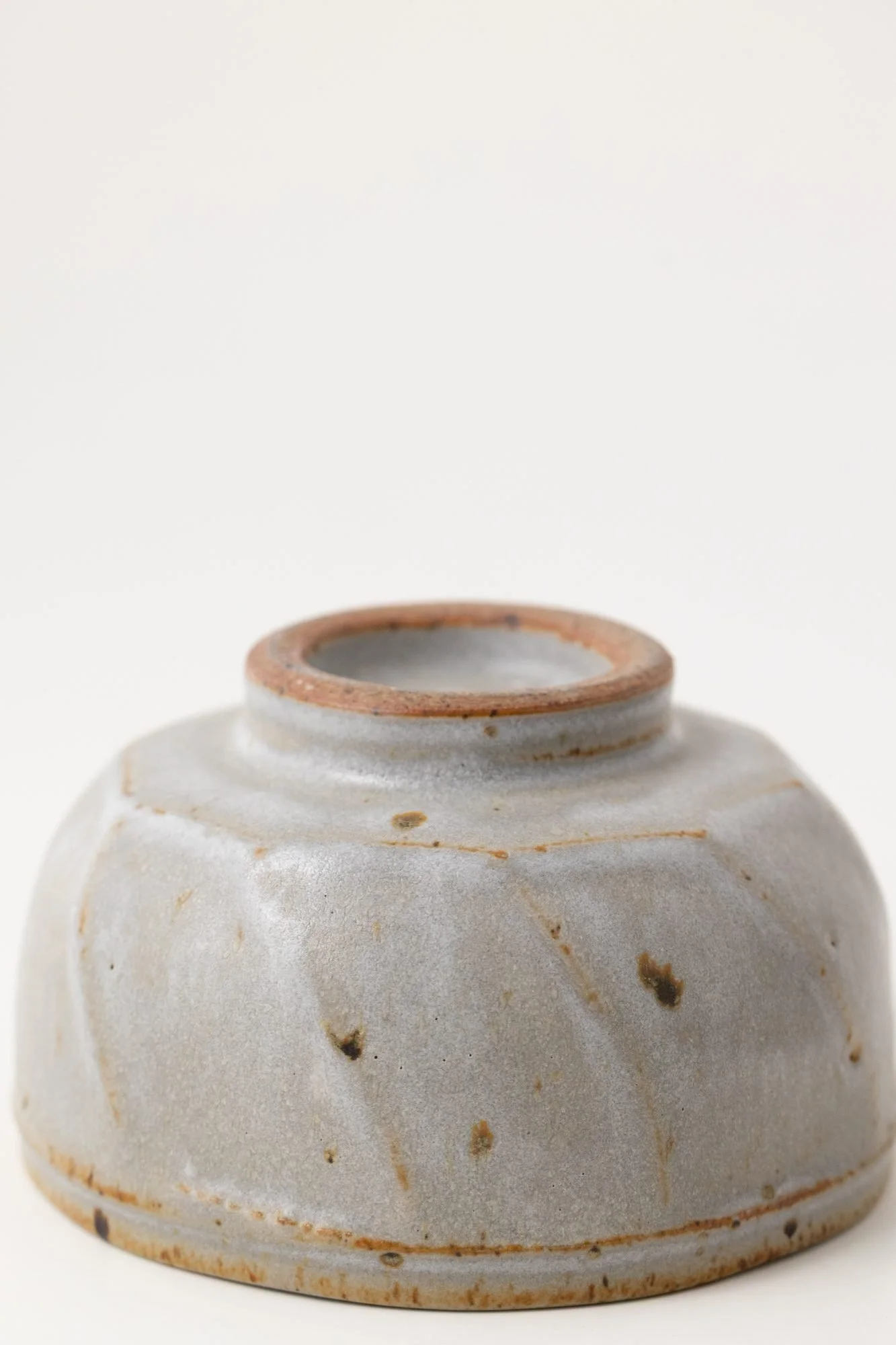
Higher temperatures also affect glaze fit. At cone 10, glazes melt more completely, which can improve how the surface integrates with the clay, if the chemistry is correct. But higher heat also increases internal stress when the fit is wrong. The discipline has to match the temperature. High fire does not forgive shortcuts.
Energy and wear
Cone 10 is harder on equipment. Longer firings, more element wear in electric kilns and more fuel in gas. It costs more in energy and maintenance, and that is part of the decision. Midrange firing is often more energy efficient and easier on kilns, which is a real practical advantage for many studios.
So why choose one?
For me, cone 10 fits the work I want to make. I want full vitrification. I want iron to develop deeply. I want surfaces that feel integrated rather than layered on, and clay bodies that tighten completely. That comes with tradeoffs: energy cost, slower cycles and more testing.
Midrange pottery is not lesser. Many excellent functional potters work at cone 6 and make durable, thoughtful work. The difference shows up in surface character and in how much heat the clay has experienced.
If you want to feel the difference, hold a high fired mug and a midrange mug of similar size, one in each hand, and tap each gently with a fingernail. A densely vitrified piece usually has a clearer ring.
When someone picks up one of my pieces, they may not know it was fired to cone 10. But they feel the density and see the depth in the glaze. I fire high because it fits the work I want to make.
