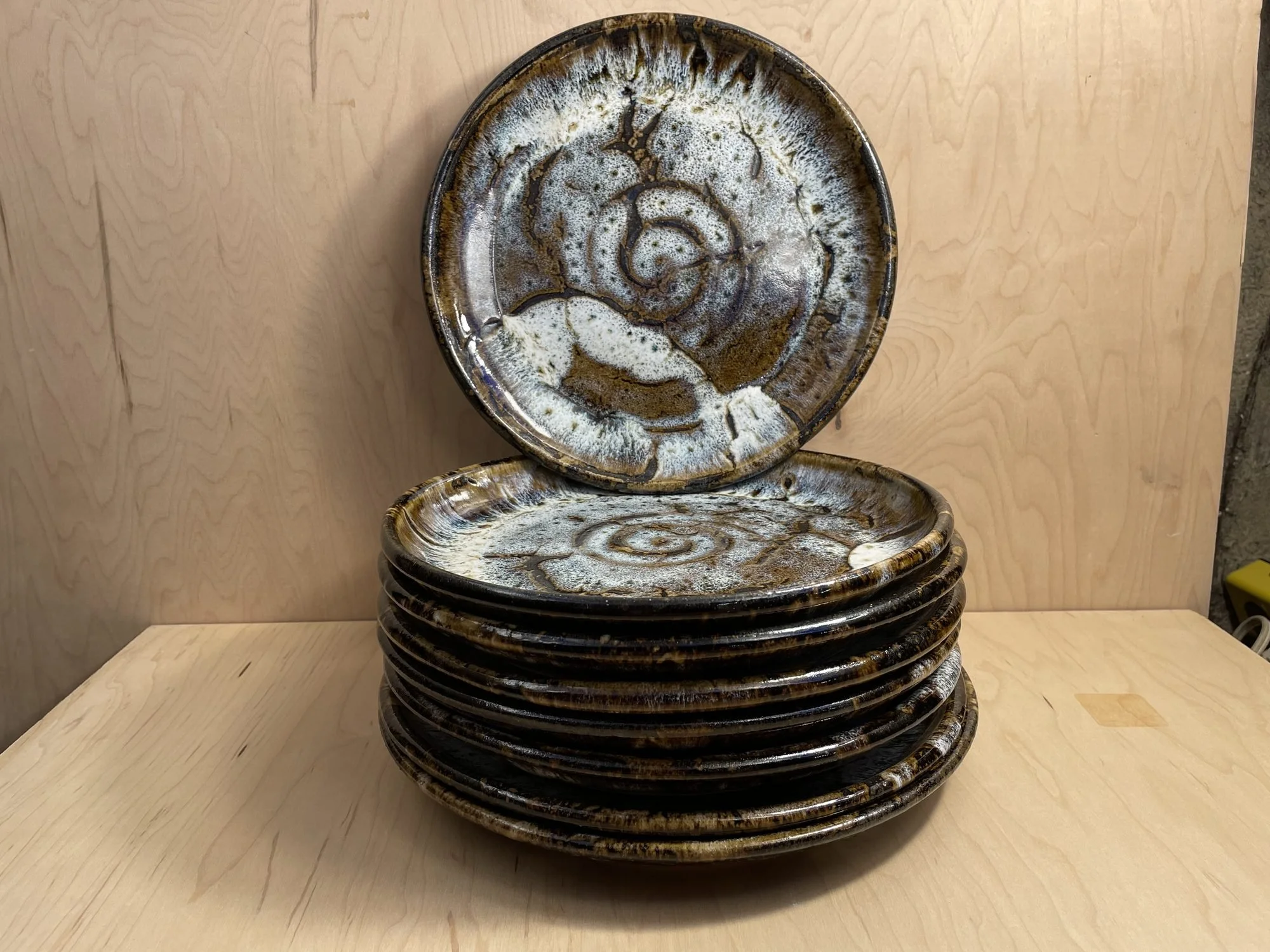
Why I Make Pottery in a Mass-Produced World
Why make pottery by hand when mugs are everywhere? Because most of what is available is built to be efficient, not to last.
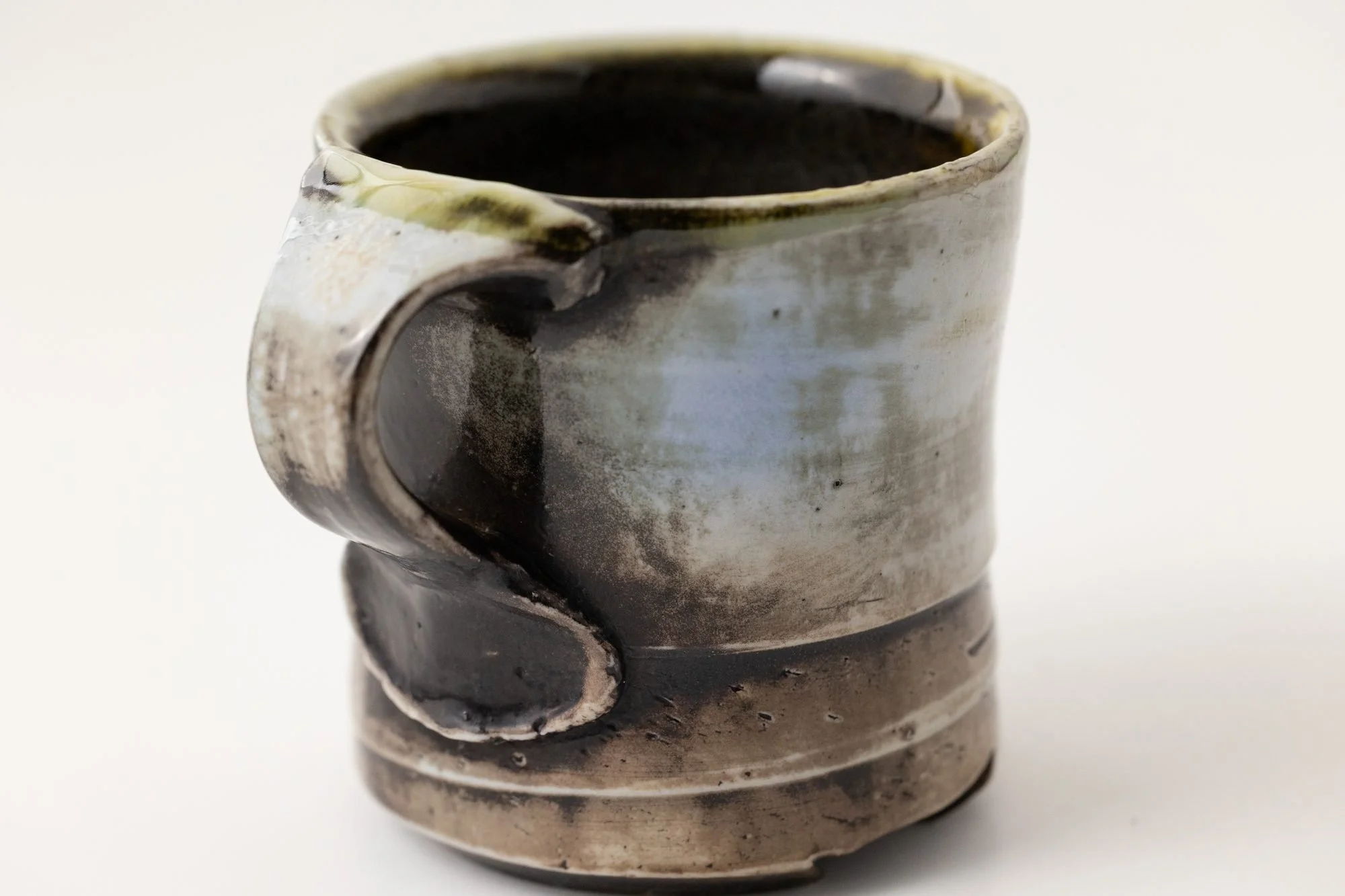
Why Salt Fired Surfaces Age Well
Salt fired surfaces are formed in the kiln, not painted on, which is why they age with use instead of fading.
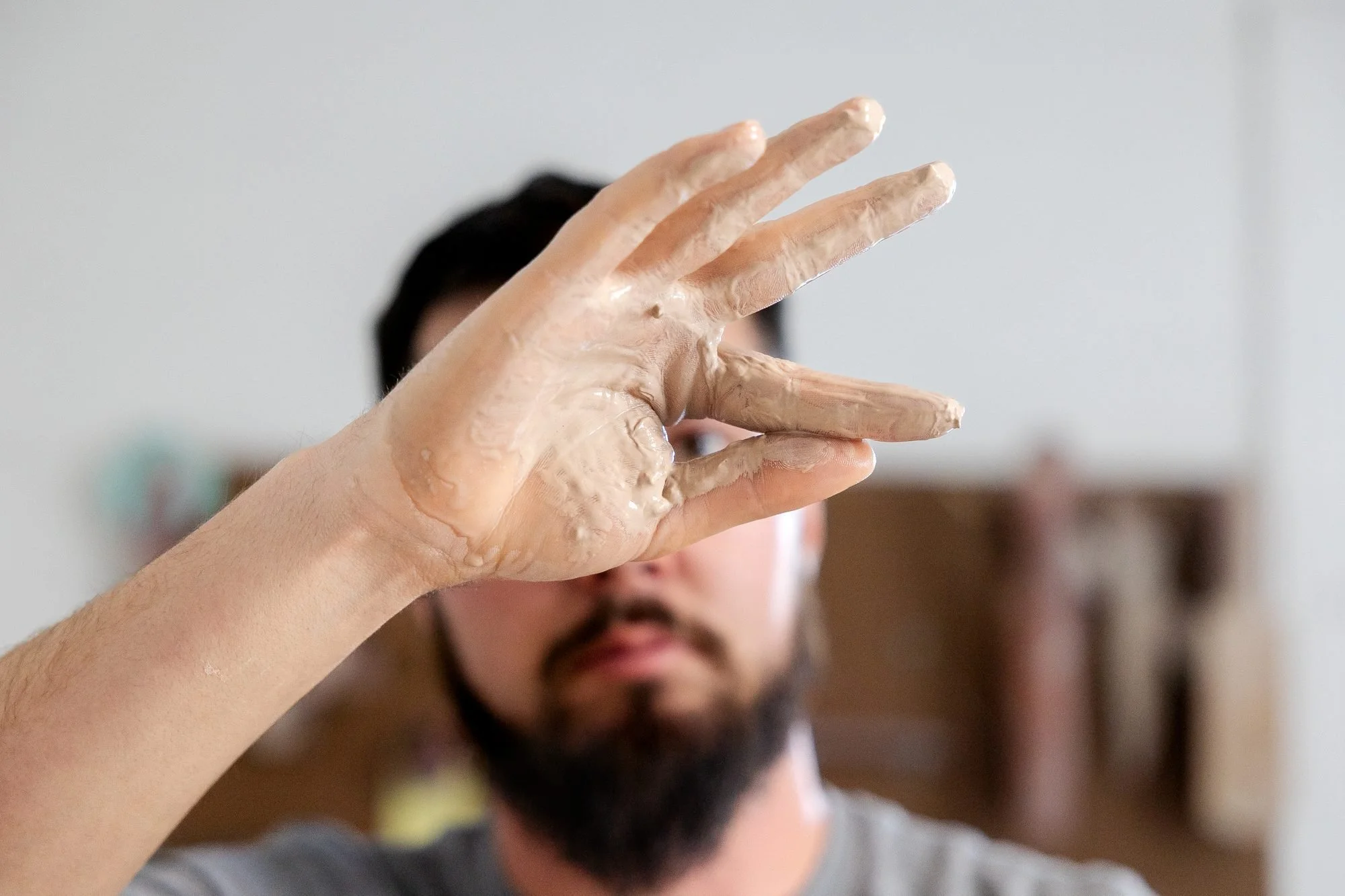
Why Handmade Isn’t Cheap
Handmade pottery is not expensive because it is handmade. It costs more because of time, high firing, testing and editing.
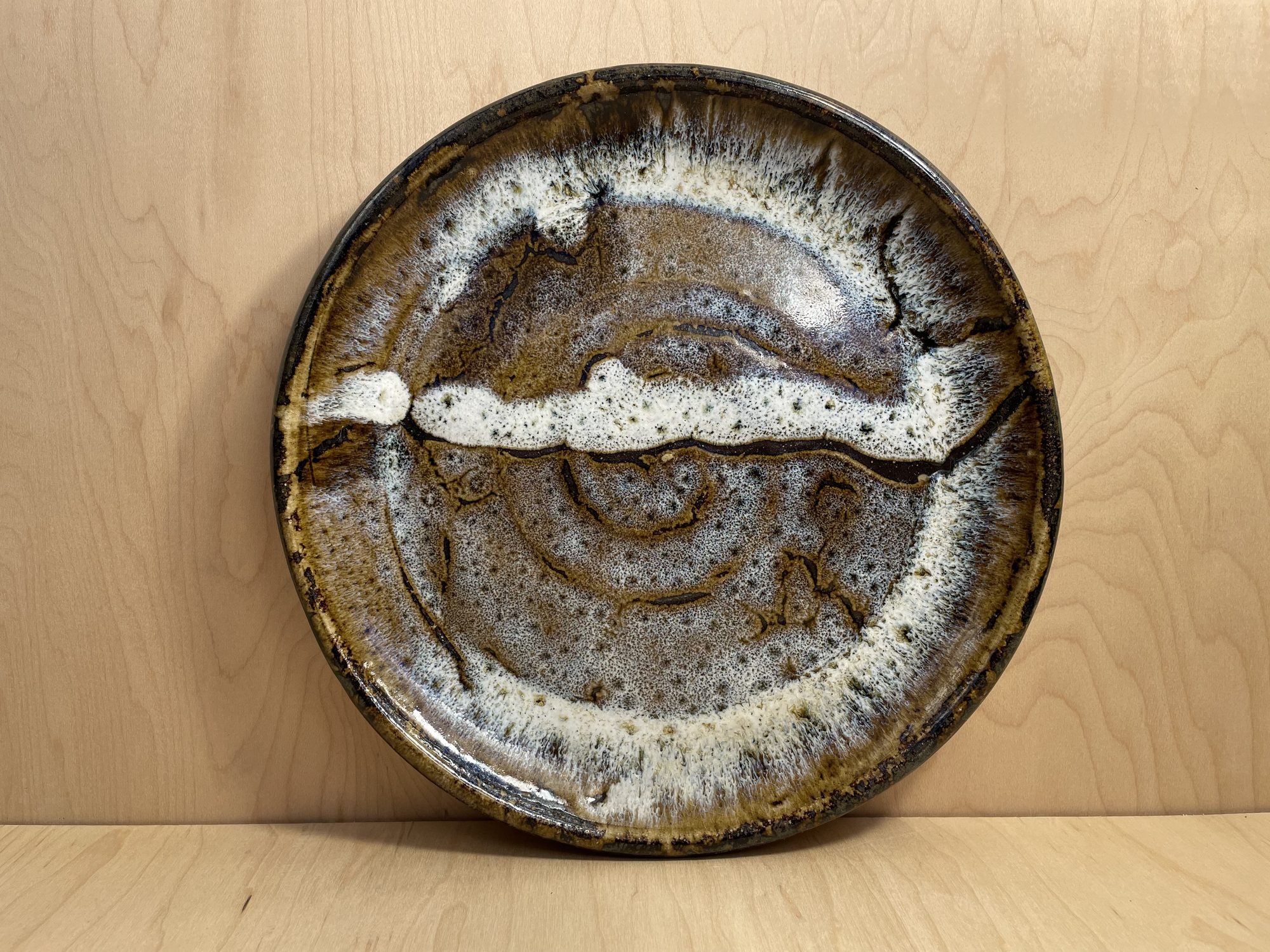
Can Handmade Pottery Go in the Microwave and Dishwasher?
Can handmade pottery go in the microwave and dishwasher? Usually yes. It comes down to vitrification and glaze fit.
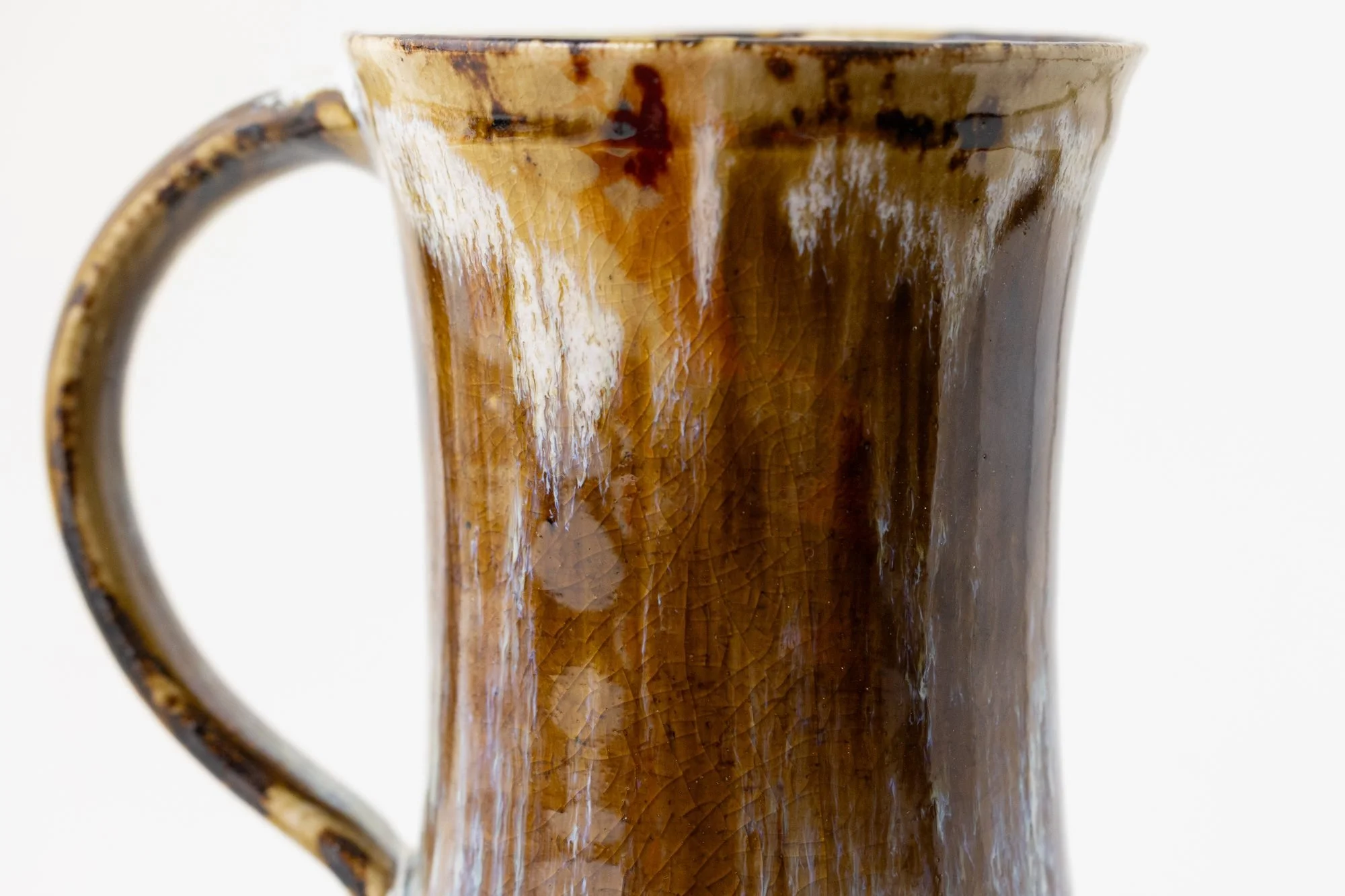
How to Tell If a Mug Is Actually Well Made
Six quick checks to tell if a handmade mug is actually well made: rim, weight, foot, handle, surface and sound.
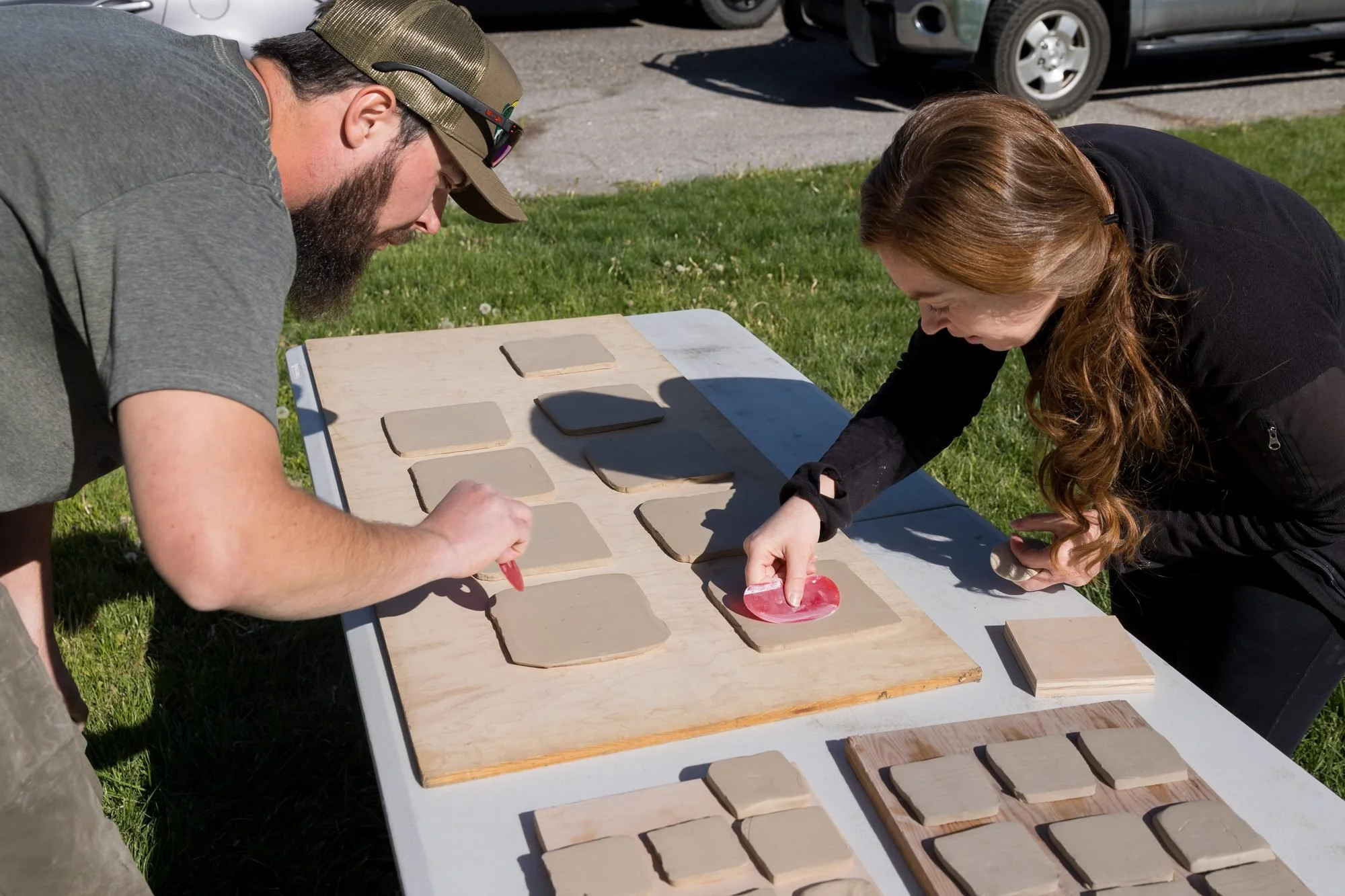
It Survived Cone 10
Most of my wild clay tests have failed. This one survived cone 10, and it's the first that has.
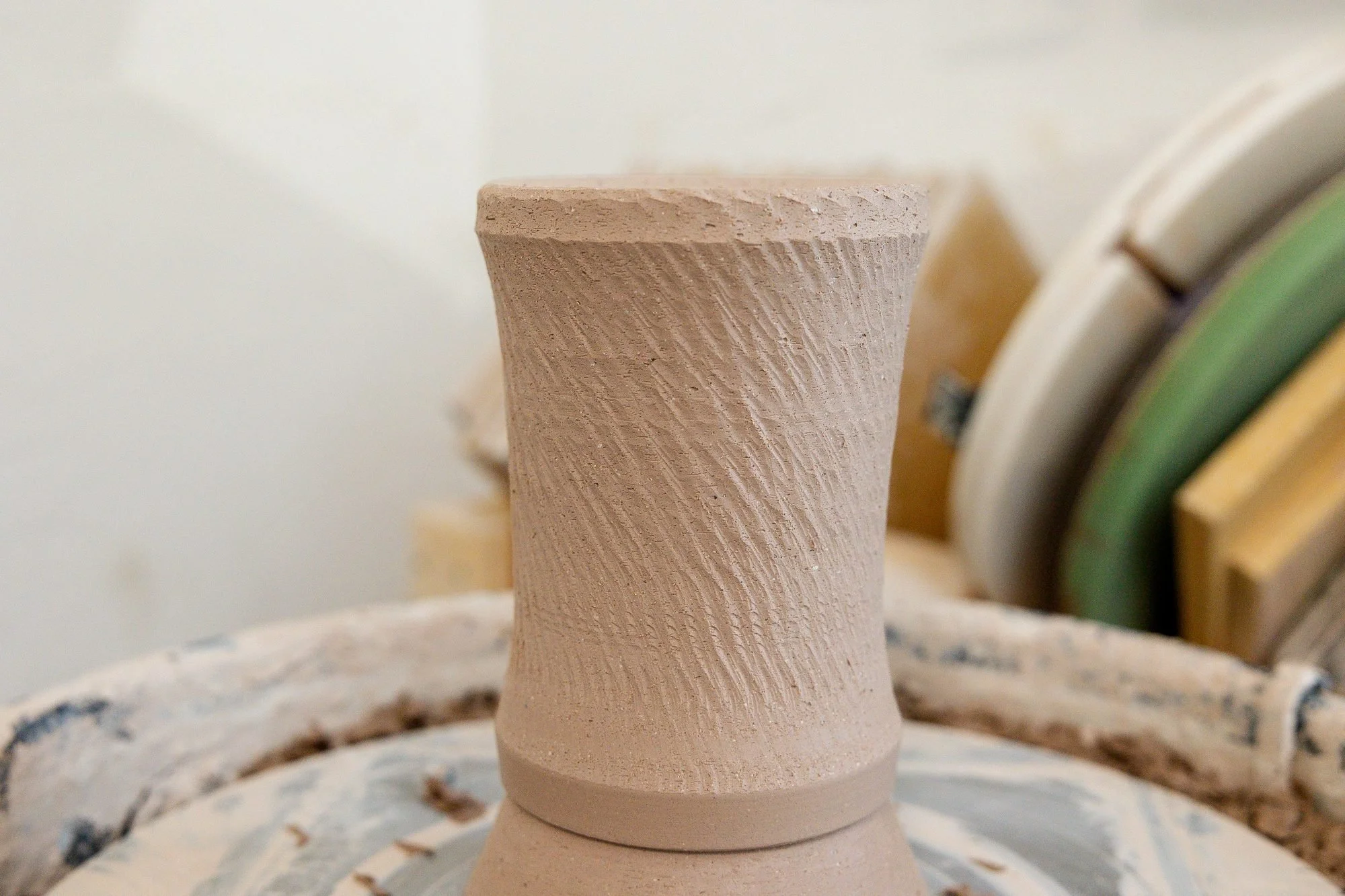
What Changes Between Throwing and Trimming
Throwing gets the credit, but trimming is where a pot's weight, foot and balance get decided.
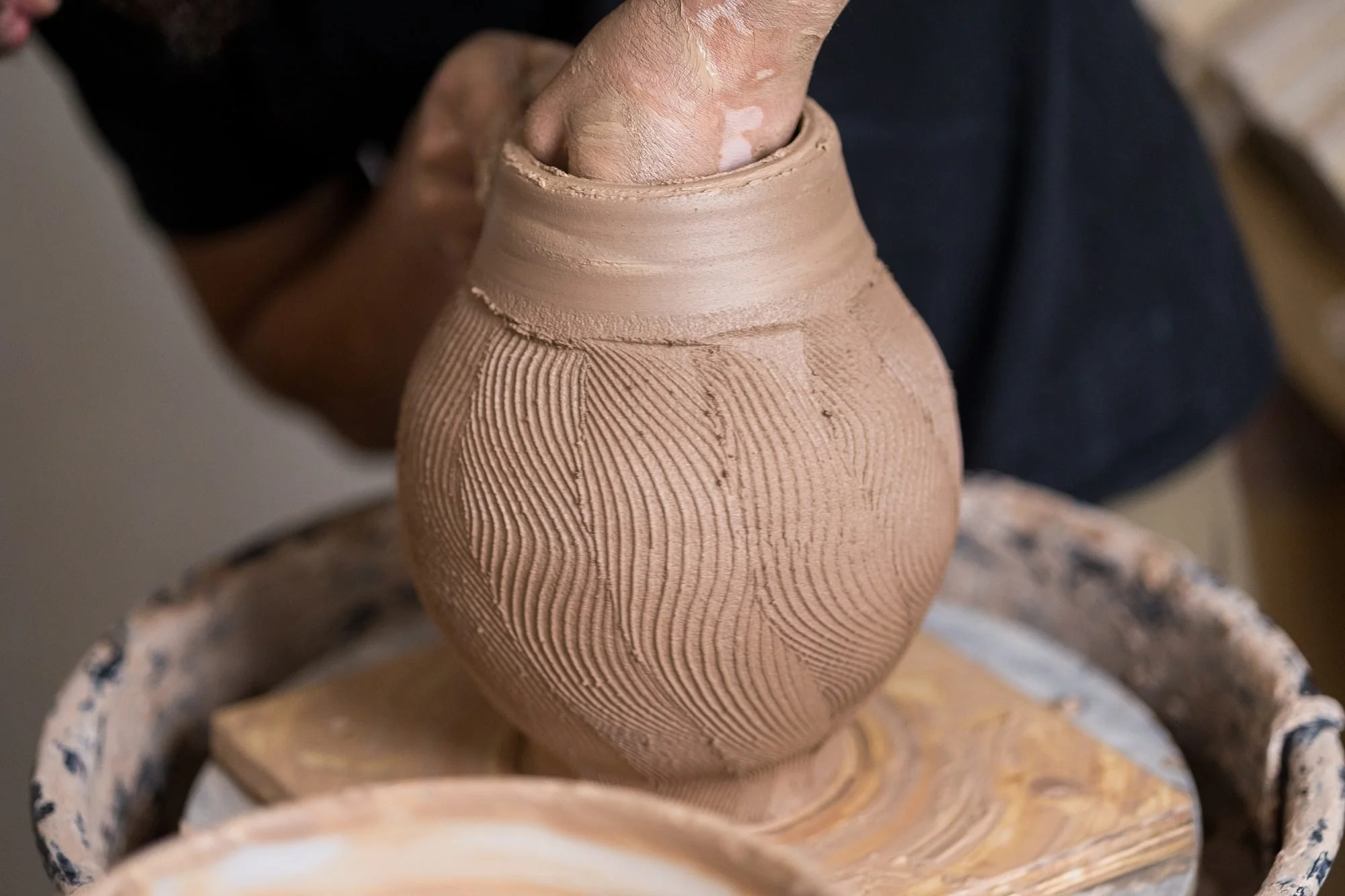
What Failure Has Actually Cost Me
Failure in clay is quiet. It costs time and confidence more than clay, and it pays you back in discipline.
The Pots You’ll Never See
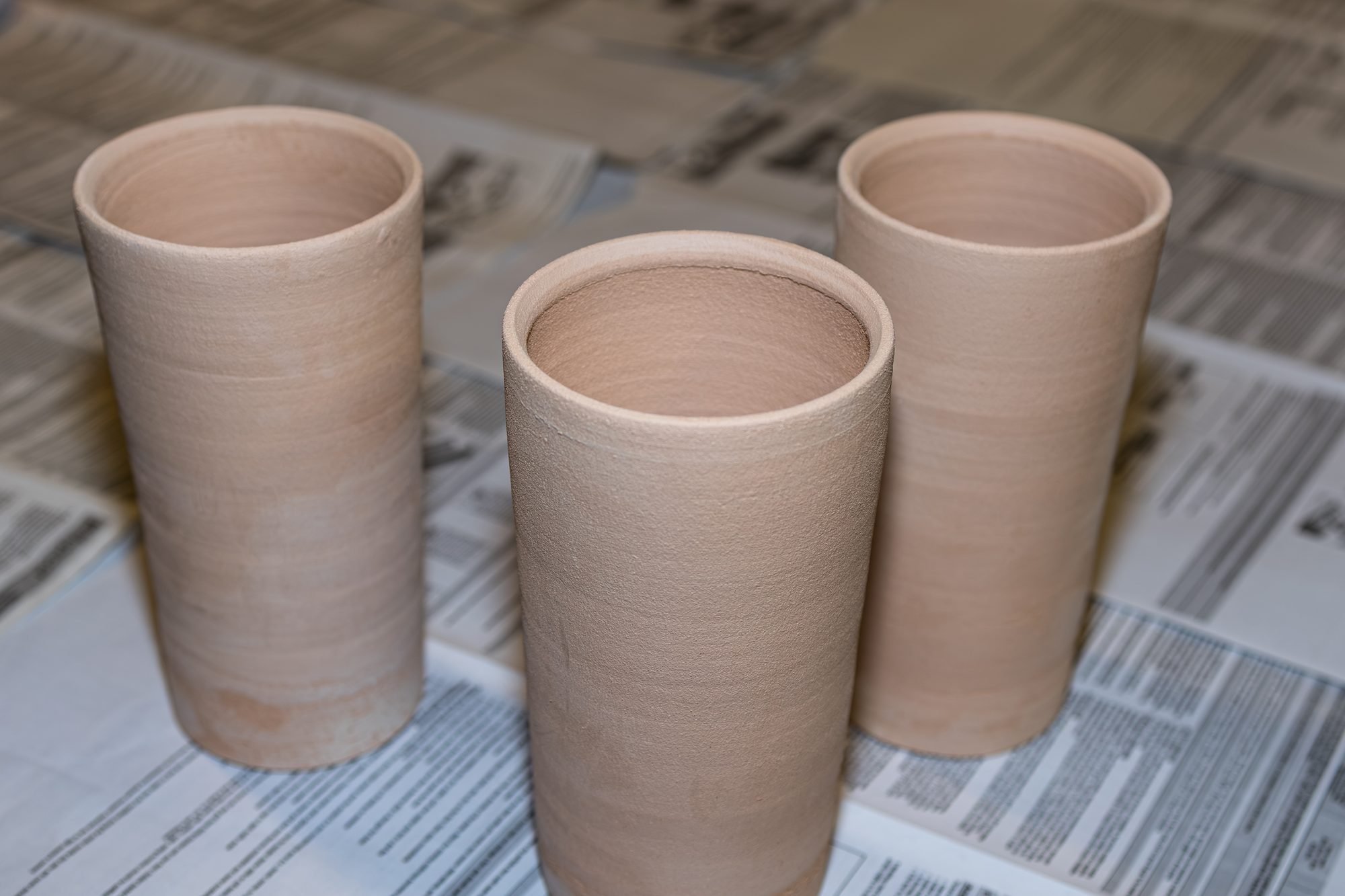
Not every pot that survives the kiln leaves my studio. Why I hold back the almosts, and what letting them go has taught me.
The Real Reason I Fire to Cone 10
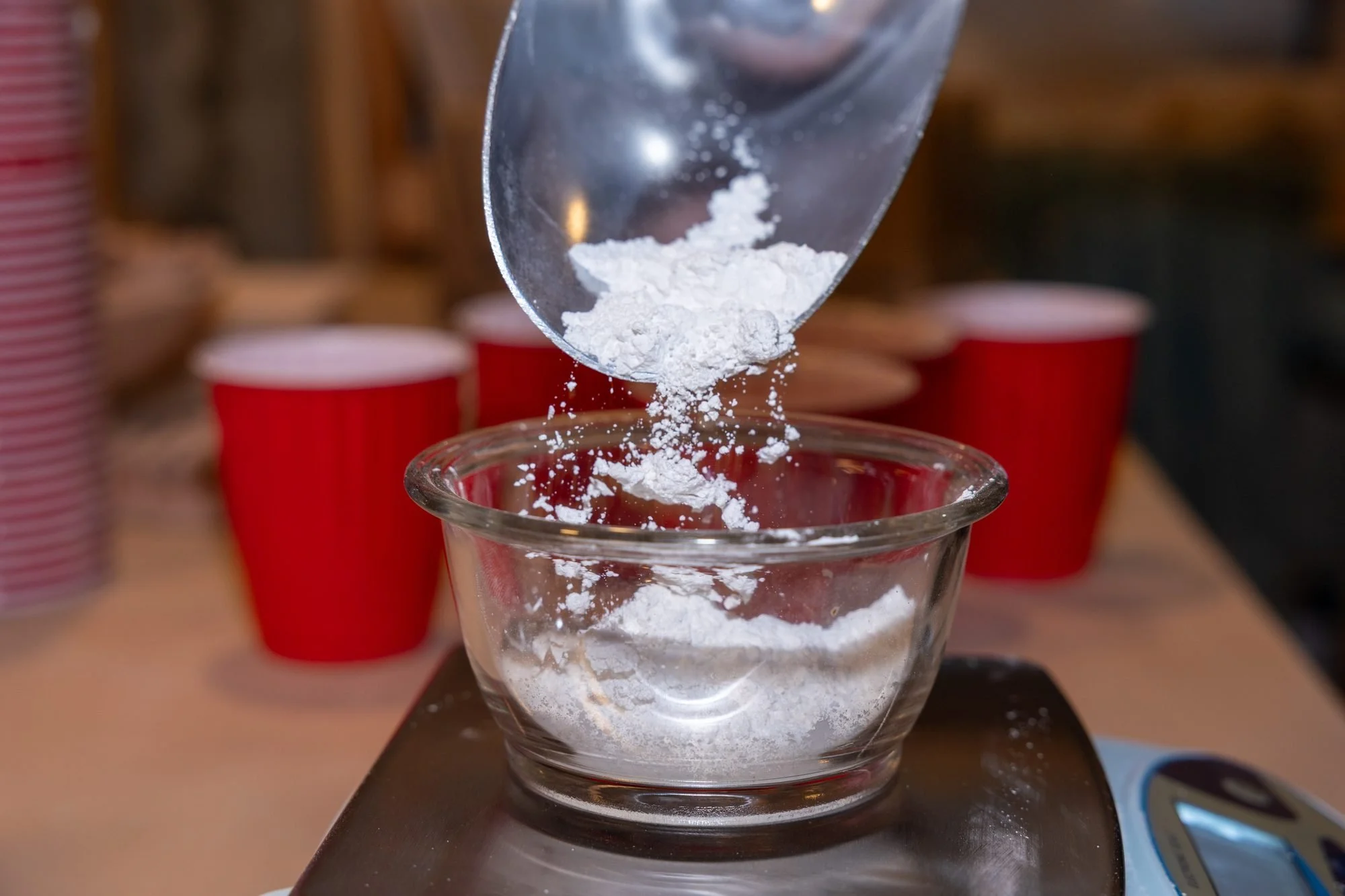
Cone 6 is easier. I fire to cone 10 anyway, because high fire glazes mature into the clay instead of sitting on top of it.
What Is Salt Fired Pottery? Salt Firing Explained
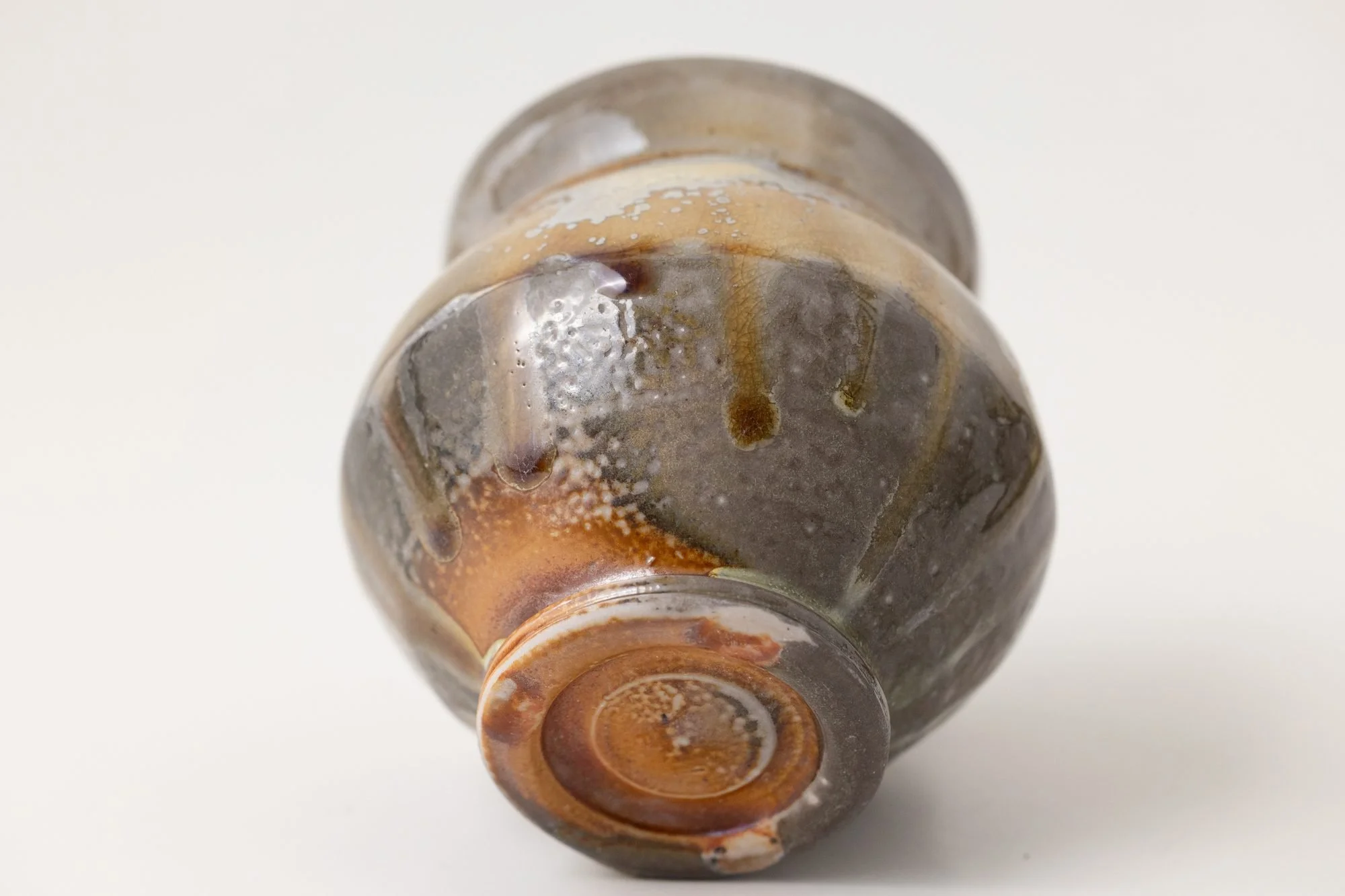
What salt firing is, how the kiln glazes the pot, what the surfaces look like, and whether salt fired pottery is food safe.