Making Pottery in Cache Valley
The valley is quiet at night, and that is when I am usually in the studio. Here is how Cache Valley's climate, elevation, clay and pace shape the work.
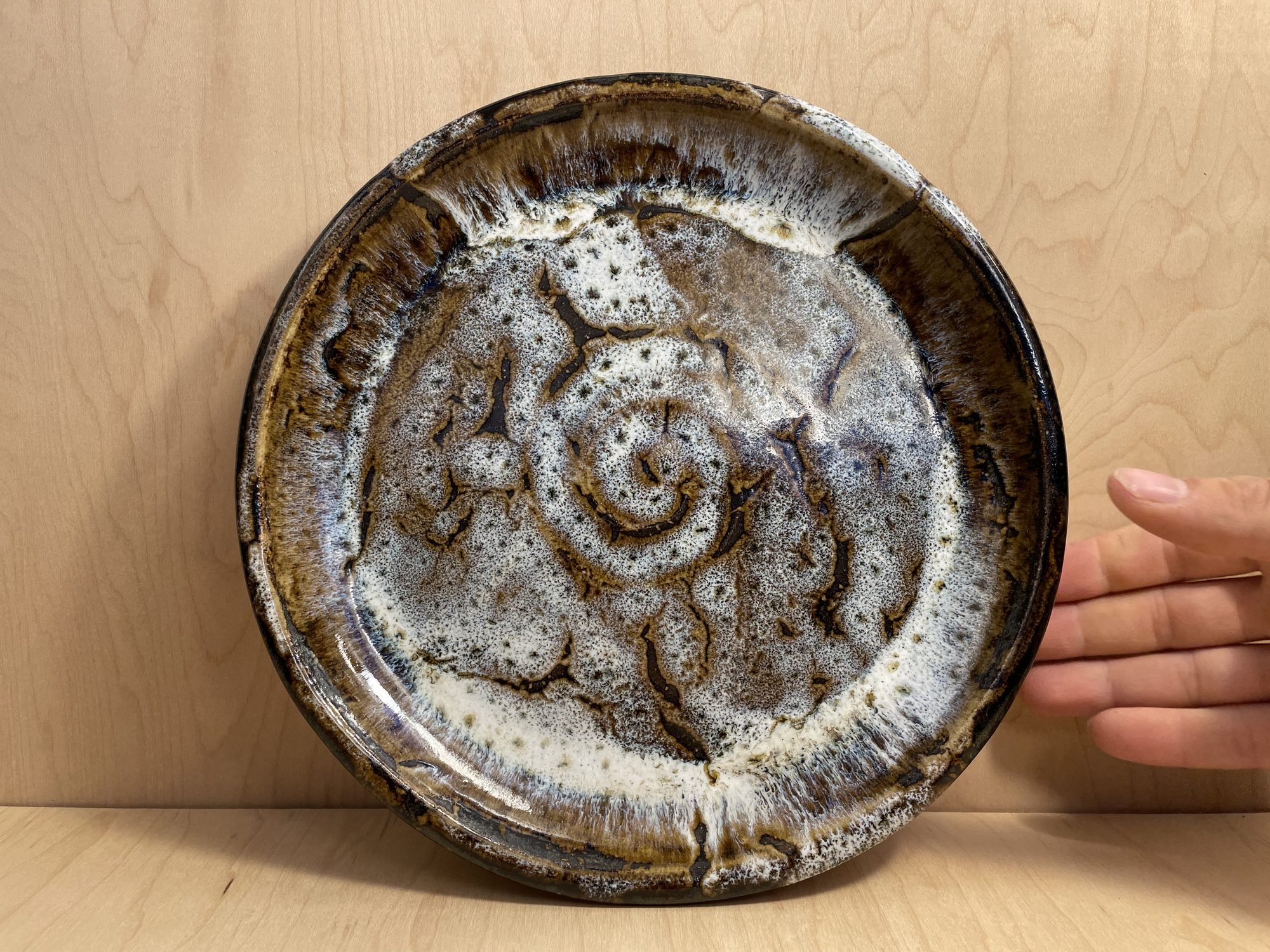
Making pottery in Cache Valley is practical, not romantic. Dry winters and open summer doors change how clay dries and glazes behave, elevation means learning my kiln here, local wild clay is slowly becoming part of the work, and a smaller community lets me build deliberately.
- Dry winter air stiffens handles and rims fast, so drying needs close attention
- Some northern Utah wild clay holds at cone 10, and that matters
- Logan is not a ceramics hub, which leaves room to focus on durability and salt
Night in the studio
The wheel is spinning. Iced coffee sweating on the table. The Wasatch range sitting dark beyond the lights of town. Making pottery in Cache Valley is not romantic. It is practical, and the climate forces that.
Winter and summer
Winter here is real. Dry air. Freezing temperatures. Long stretches where the studio door stays closed and the kiln heat feels welcome. Clay dries differently when the air is this dry. Handles stiffen faster. Rims can firm up before the body is ready. If I am not paying attention, uneven drying shows up later in the kiln.
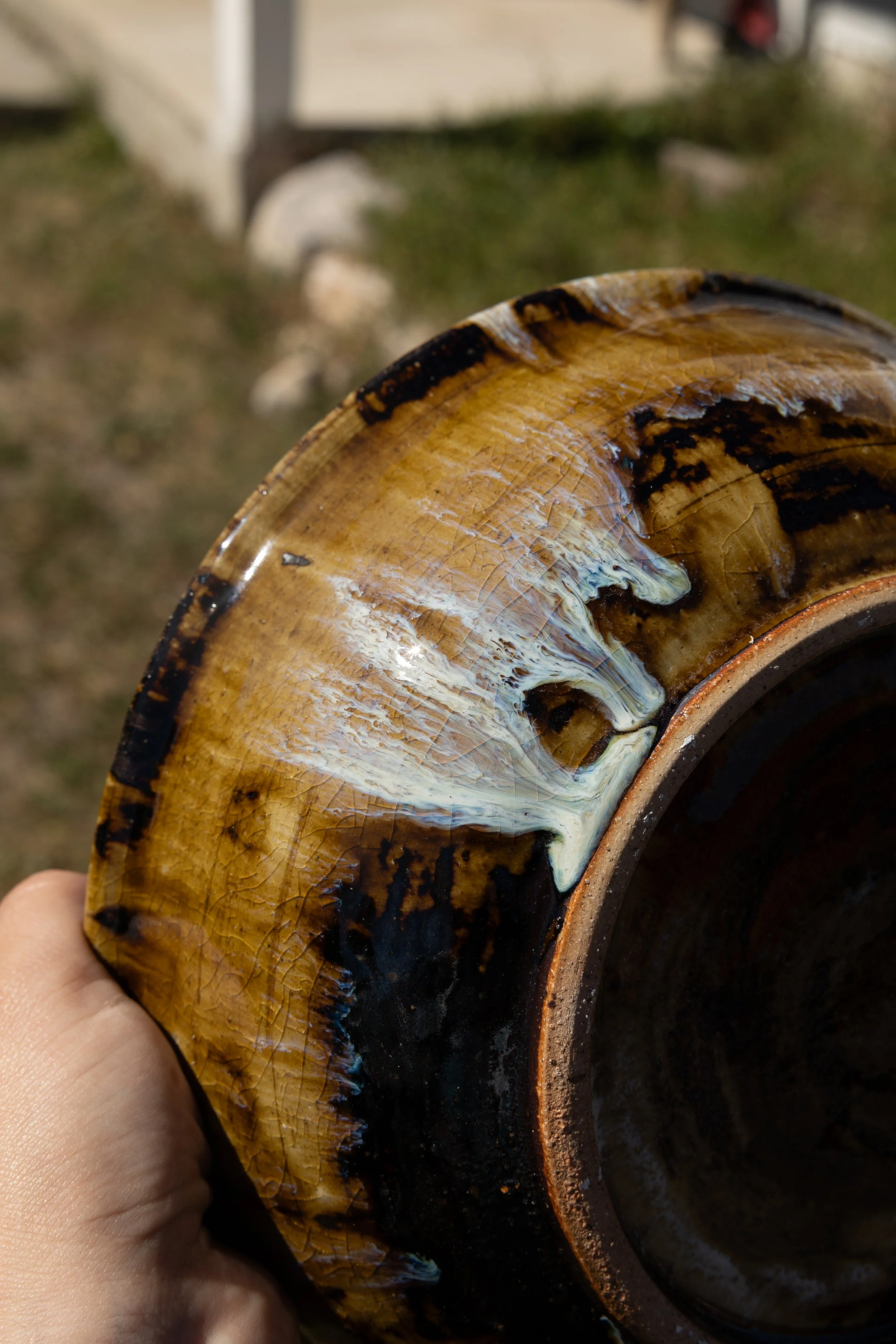
Summer flips it. Open doors and moving air. Clay stays workable longer. Glazes behave slightly differently because humidity changes how fast water evaporates. Small adjustments become normal.
Elevation
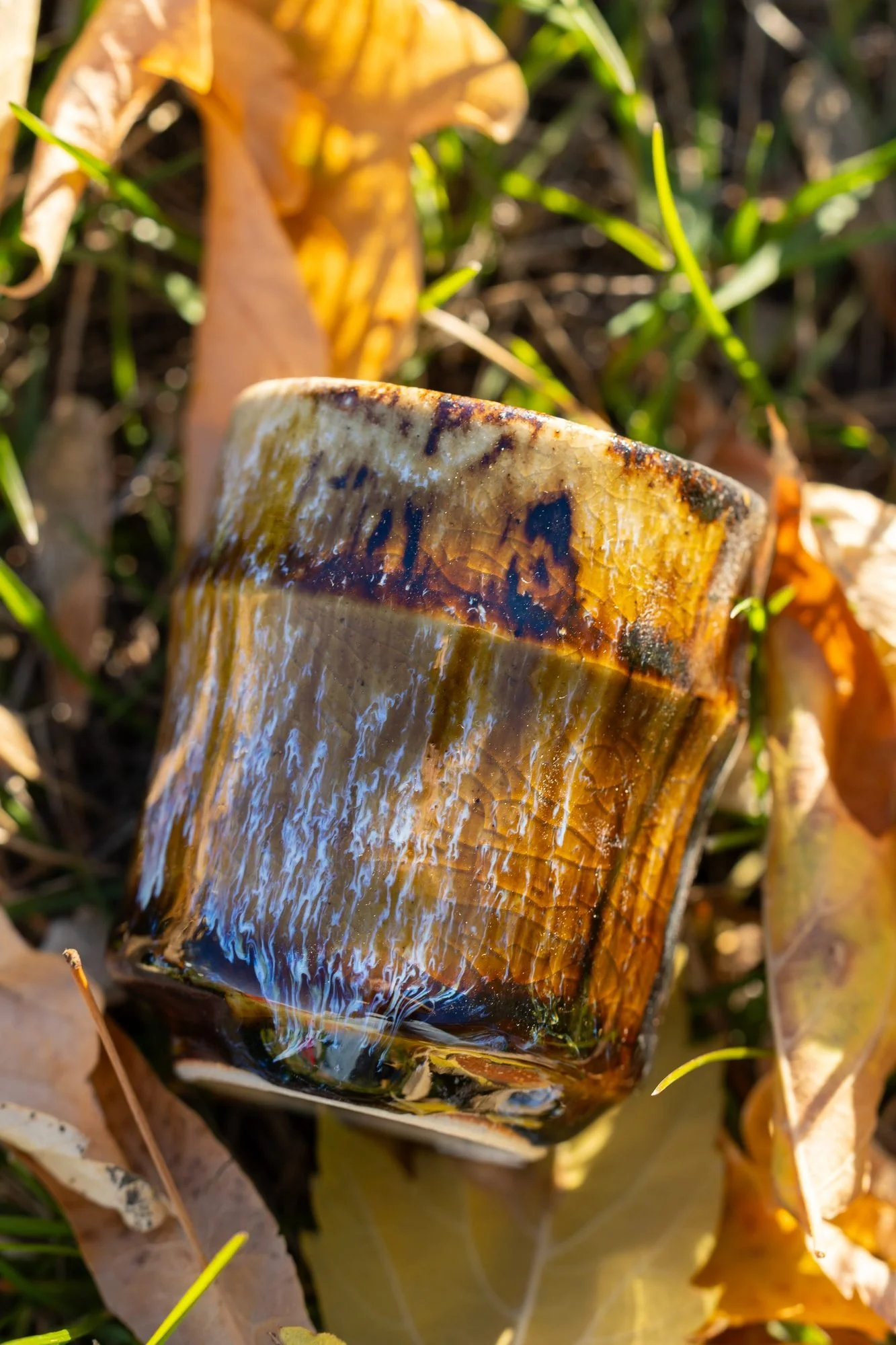
Logan sits high enough that firings behave a little differently than they would at sea level. Oxygen availability and subtle atmospheric differences are not dramatic, but they are enough that you learn your kiln here, not somewhere else. Place teaches you your own equipment.
The ground itself
Cache Valley also shapes the materials. Northern Utah has clay deposits worth paying attention to. I have dug and tested local wild clay. Most of it is not romantic. Some of it cracks. Some of it overfires. But some of it holds at cone 10. That matters, because it means the ground here can eventually become part of the work.
That connection is slow. It takes processing, testing, failing and adjusting. But it is real.
A smaller mountain community
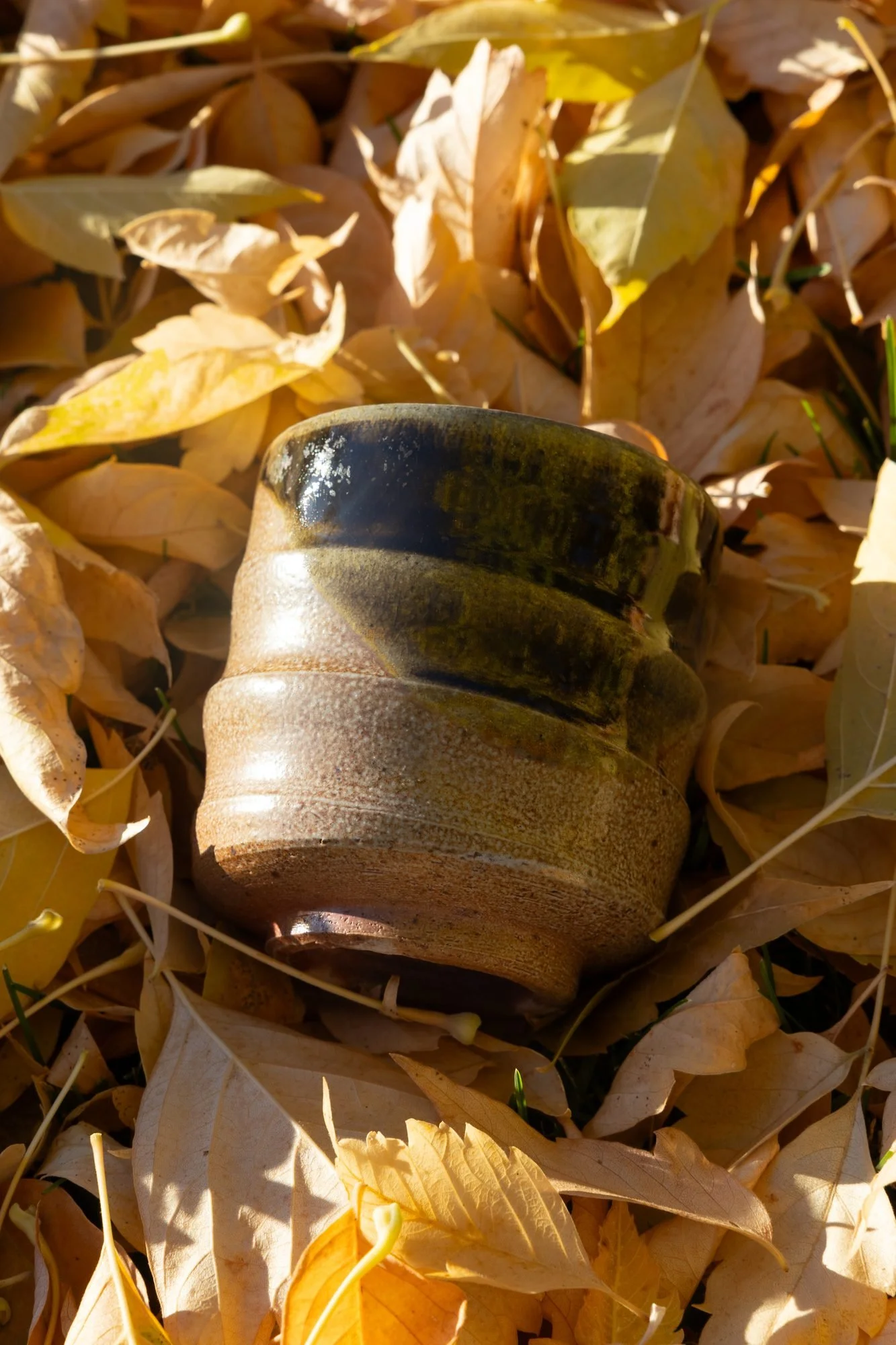
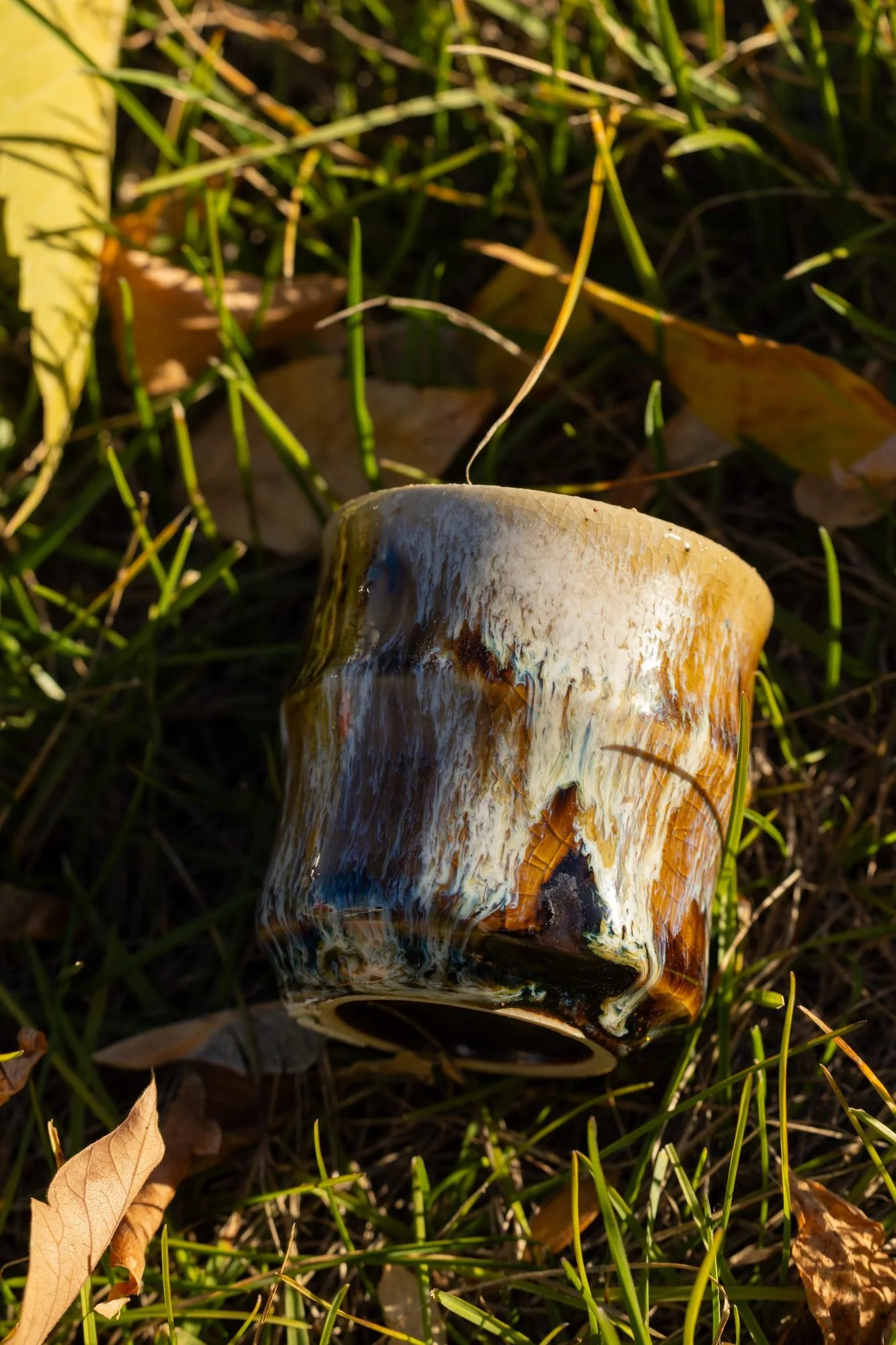
Logan is not a major ceramics hub. It is not saturated with galleries or trend cycles, and that is an advantage. It means I can build deliberately. I do not have to pivot every season to match what is selling in bigger cities. I can focus on durability, on salt firing and on infrastructure.
Building a salt kiln here makes sense. Dry climate. Space. A community that values handmade work without demanding spectacle. The landscape itself leans toward restraint, with its muted sage, earth and stone, and that fits the surfaces I want to make.
Making pottery in Cache Valley is not about branding the valley onto the pot. It is about working within real conditions, climate, elevation, material and pace, and letting those limits refine the process.
If you work in a dry climate like ours, cover handles and rims loosely with plastic as soon as they are attached, even for an hour. Letting the thin parts and the body dry at the same pace prevents a lot of cracks at the joint.
Place shapes the work more than people realize. This is what it looks like from here.
