What Corbridge Pottery Stands For
There is a lot of pottery in the world. The question is not whether I can make it. It is what I want mine to stand for.
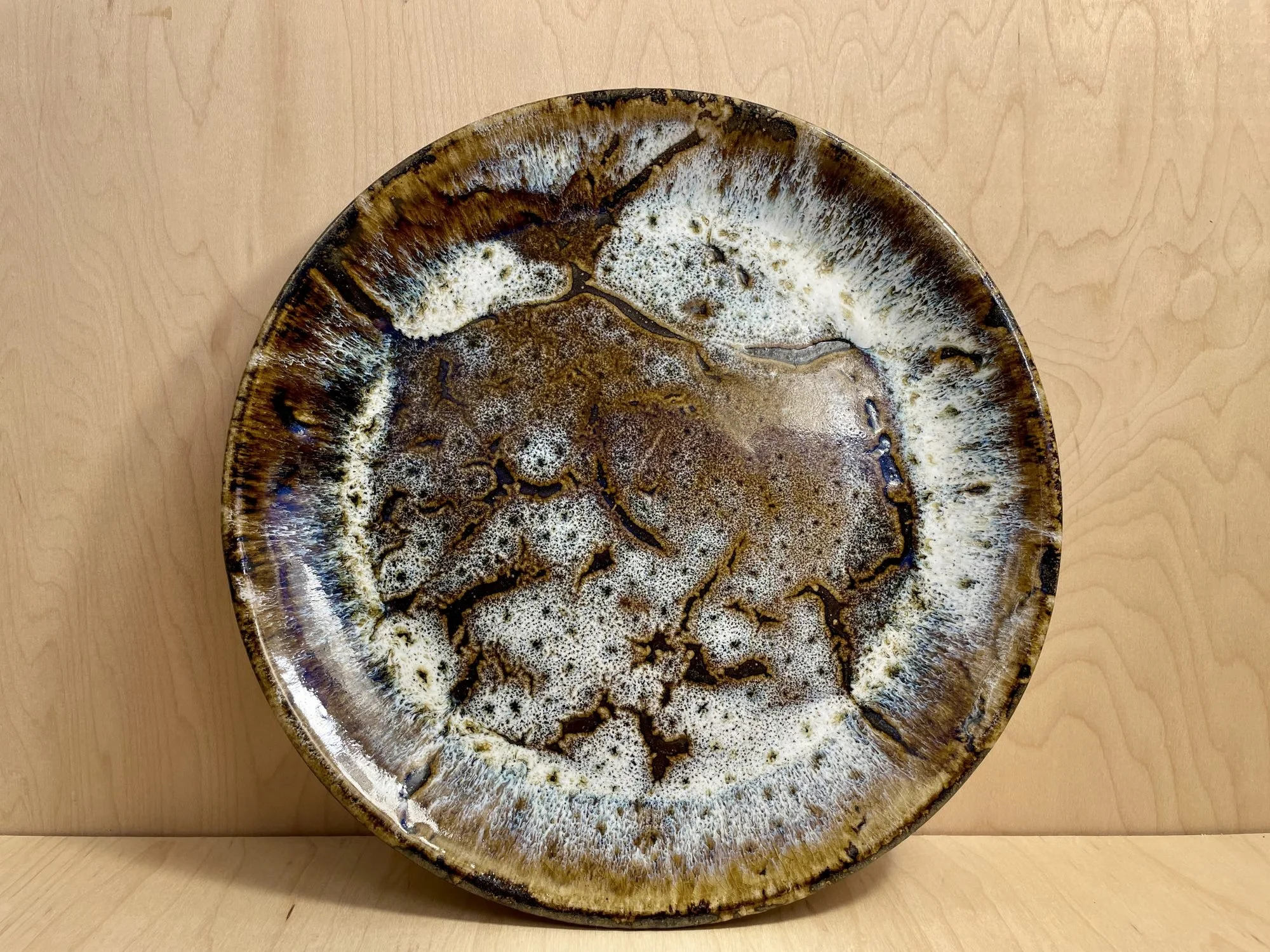
Corbridge Pottery stands for durability first, restraint in the surface, structure in the form, openness about process, and quiet confidence. In the long run, it also stands for salt.
- Everything functional is fired to cone 10, fully vitrified and glaze fit tested
- Earth tones and iron depth over bright palettes and trends
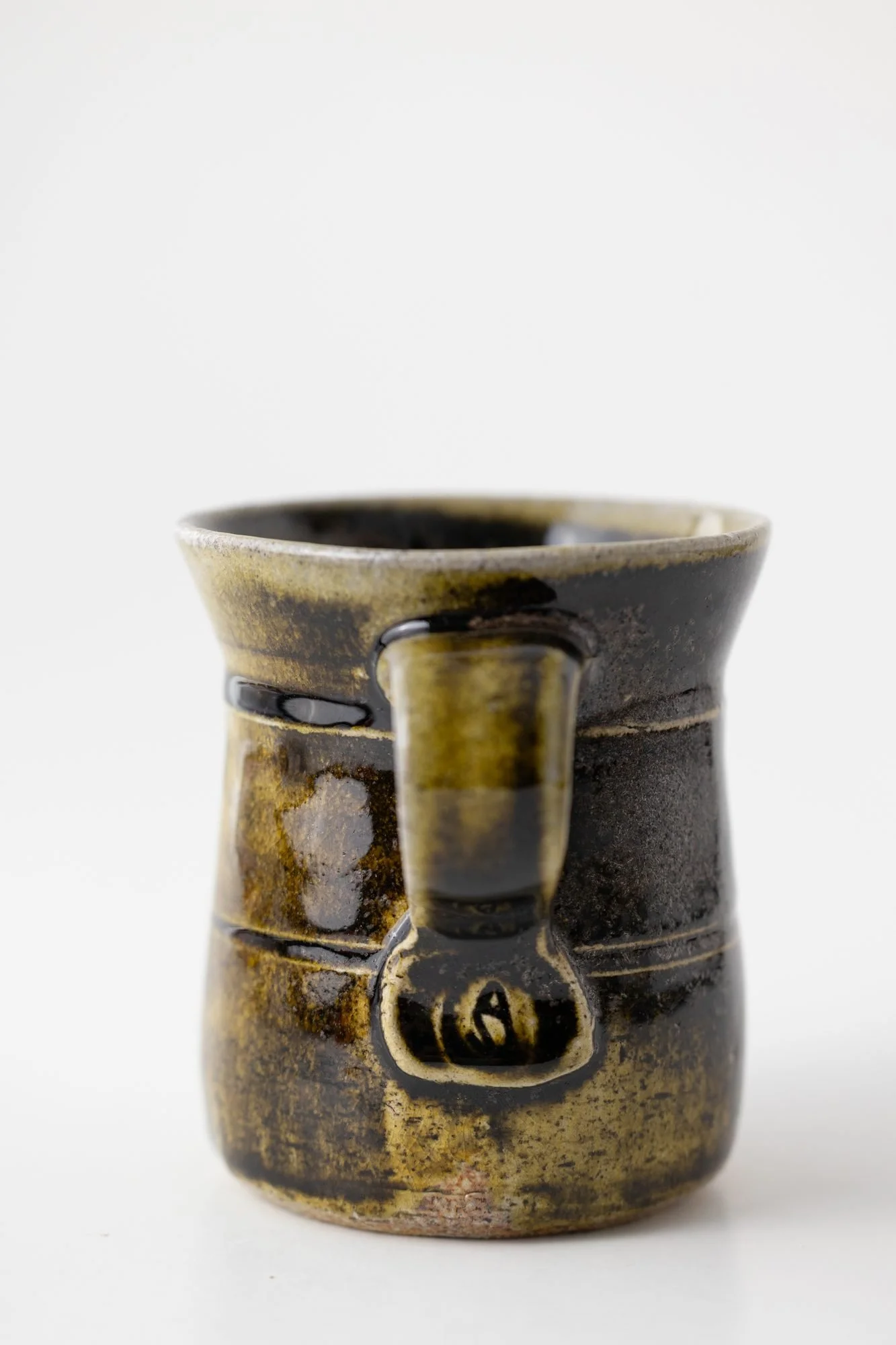
- Forms that feel resolved: compression, balance, flat feet and handles that carry a full mug
A lot of pottery in the world
Markets every weekend. Online drops. Shelves full of color, pattern and novelty. Some of it is good. Some of it is fast. Most of it blends together. So the question is not whether I can make pottery. It is what I want it to stand for.
Durability first
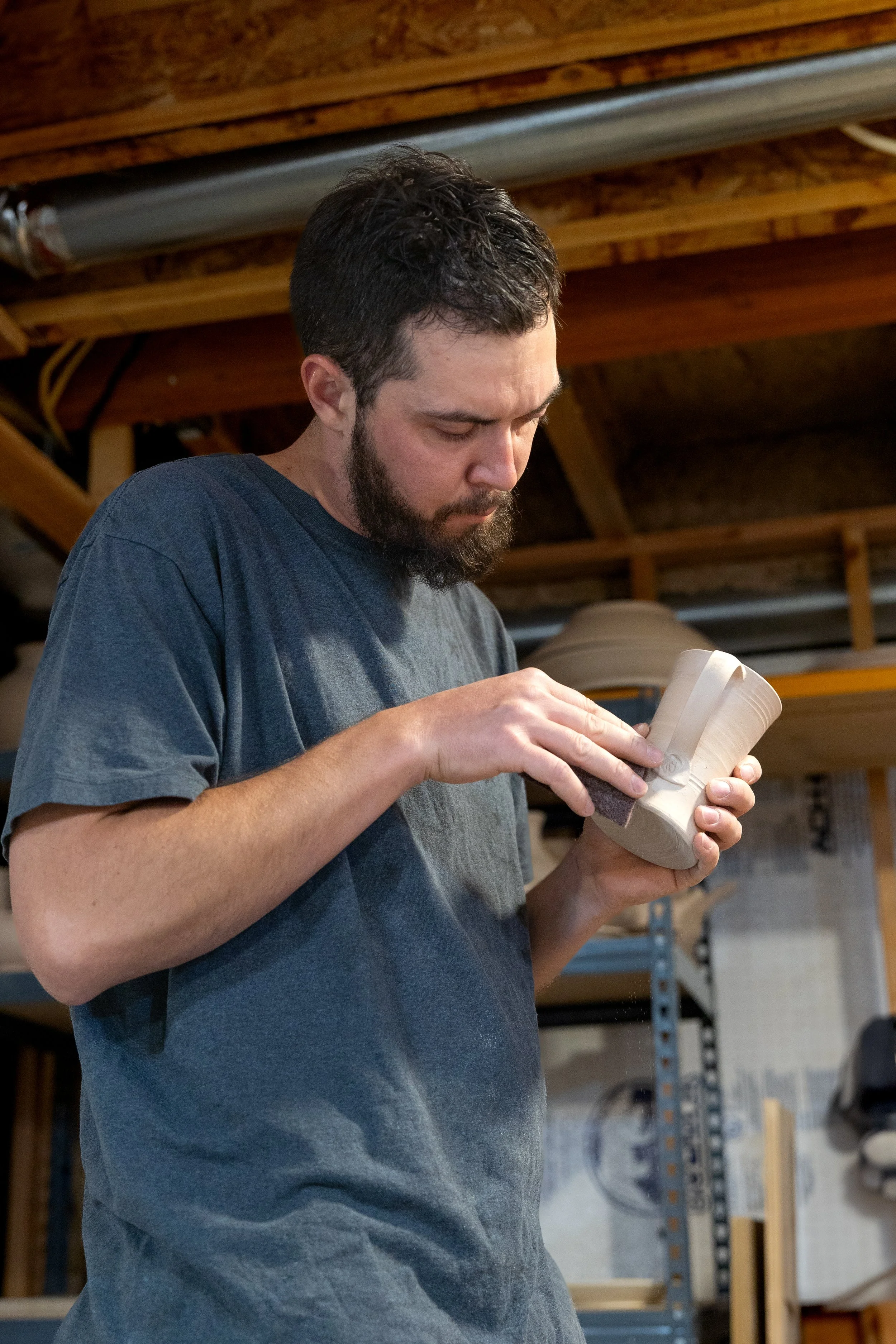
If a mug leaves this studio, it is fired to full maturity. Cone 10. A fully vitrified clay body. Glaze fit tested. I am not interested in work that looks good on a shelf but weakens over time. I want pieces that hold up to daily use: dishwashers, reheating and constant handling. Function is not secondary here.
Restraint
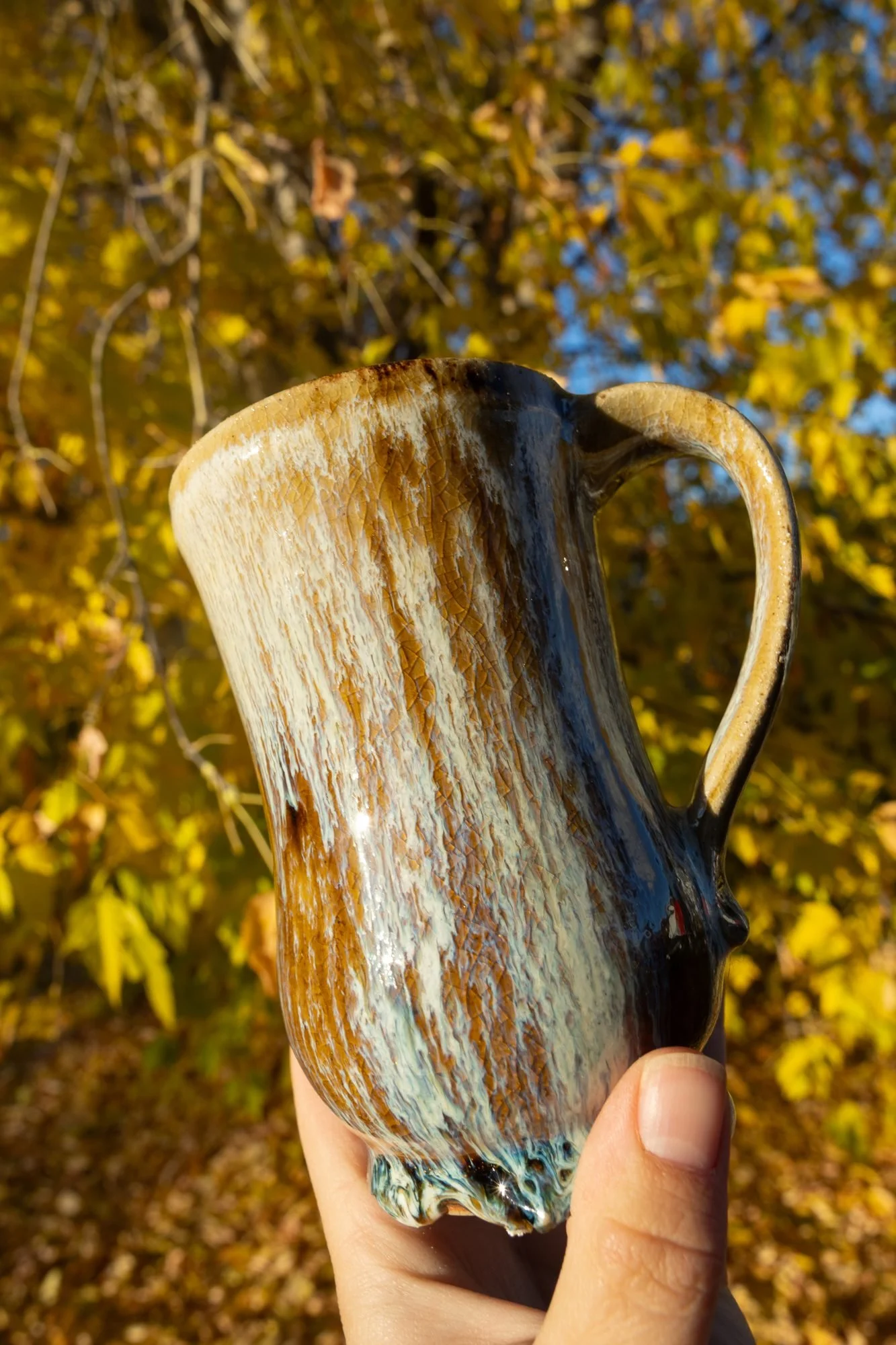
I am not chasing bright palettes or graphic trends. I am drawn to earth tones, iron depth and surface variation that comes from heat rather than decoration. The surface should support the form, not overpower it. If the glaze is louder than the structure, something is off.
Structure
Compression at the wheel. Balanced weight. Foot rings that sit flat. Handles engineered to carry a full mug without strain. Forms that feel resolved when you pick them up. None of that is dramatic, but it is what separates a pot you use once from the one you reach for every morning.
Process transparency
I talk about firing schedules, glaze fit, pinholing and shivering, and why they happen. Not because buyers need every technical detail, but because standards matter. The surface is not an accident. The temperature is not arbitrary.
Quiet confidence, and eventually salt
I want the work to be known for quiet confidence. Not flashy. Not decorative for the sake of attention. Just steady pieces that feel considered and do not need explaining once they are in your hand.
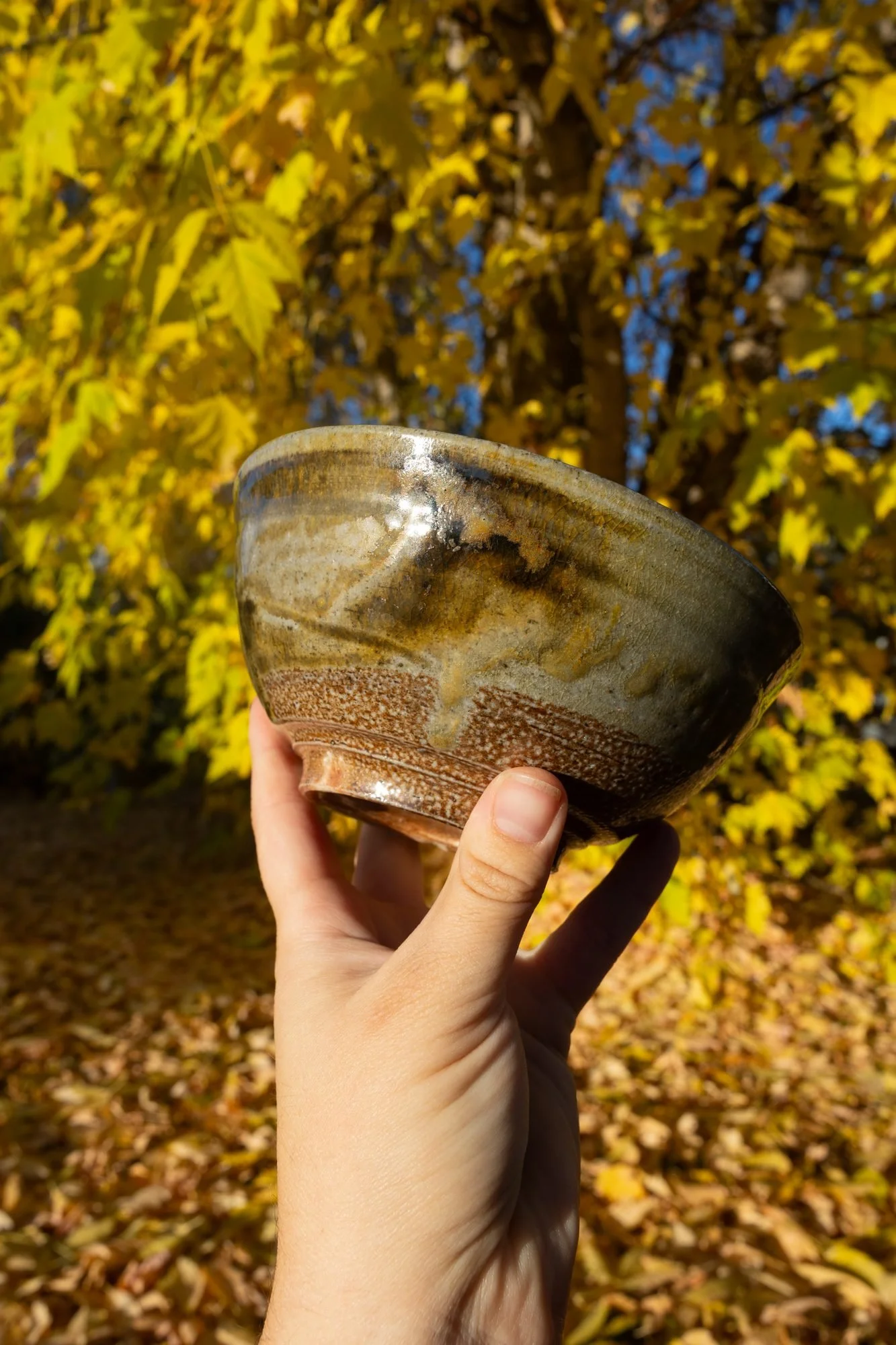
And eventually, salt. The salt kiln I am building is not about nostalgia. It is about depth and atmosphere: surfaces shaped by flame and chemistry, not just application. That direction is part of the long term identity of this studio.
If someone thinks of Corbridge Pottery years from now, I do not want them to remember a color. I want them to remember how the work felt: solid, balanced and dependable.
If you are choosing your first piece from me, start with a mug. It is the form where everything I care about, from compression to handle balance to glaze fit, shows up most in daily use.
Reputation is not built in one firing. It is built piece by piece.
