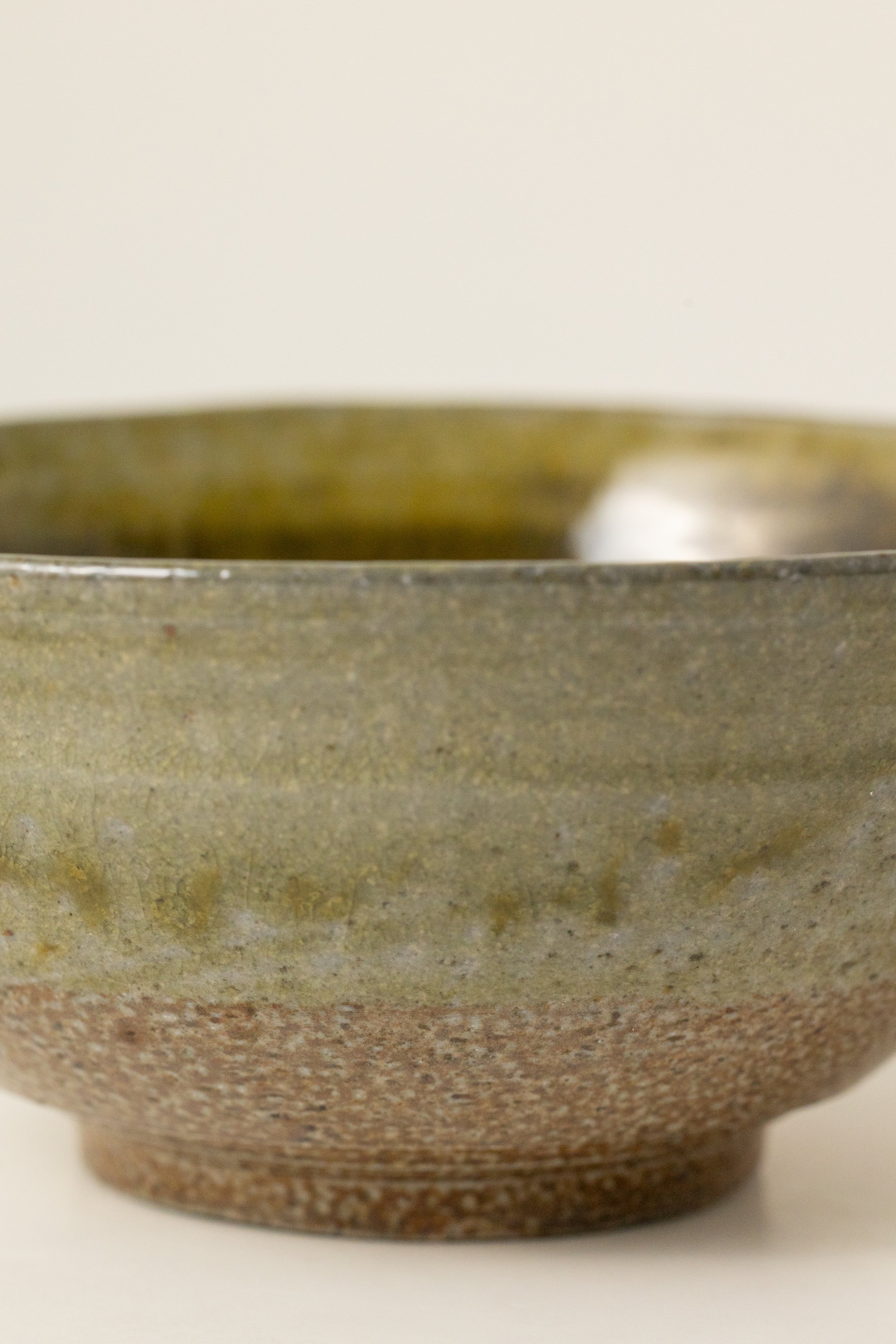
Why Salt Fired Surfaces Age Well
Salt fired pottery doesn’t fade with time — it develops depth. Adam Corbridge explains why high-fire salt surfaces age well and why he’s building toward salt firing.
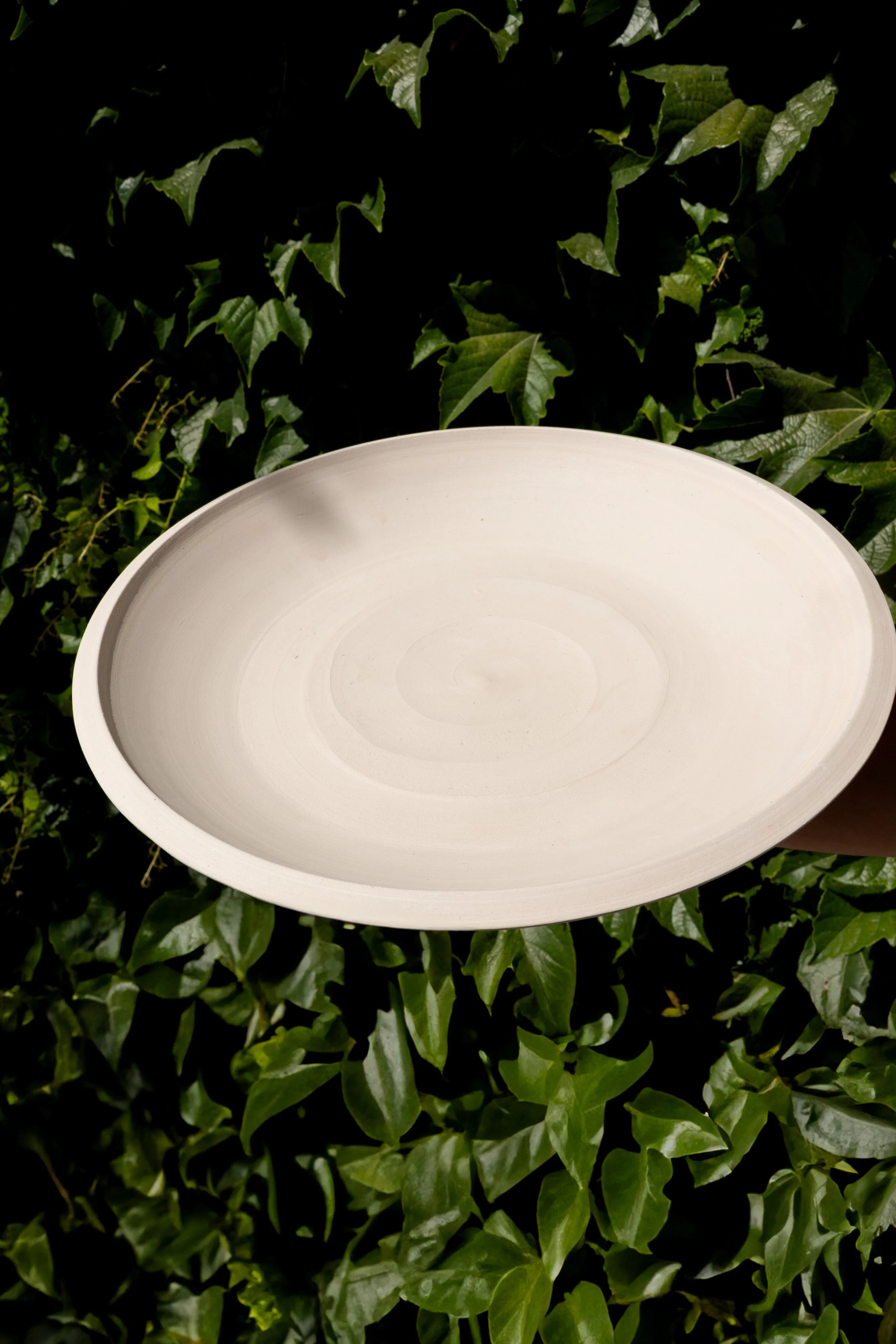
Why Handmade Isn’t Cheap
Handmade pottery costs more because of time, testing, high-fire kiln cycles, and editing. Adam Corbridge explains what you’re actually paying for in functional ceramics.
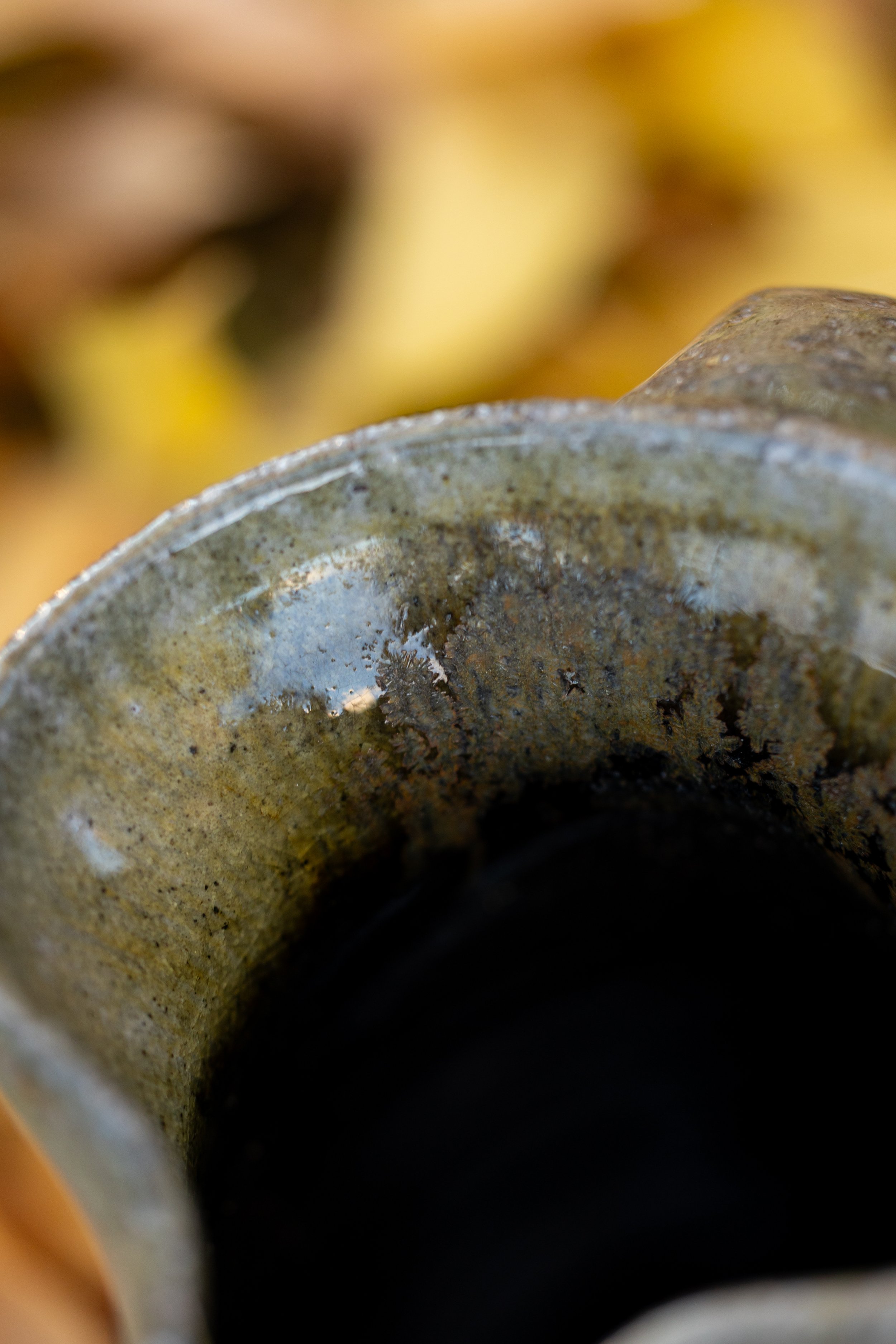
It Survived Cone 10
After repeated failures, a batch of Utah wild clay finally survived a full cone 10 firing. Adam Corbridge shares what that means — and why survival is only the first test.
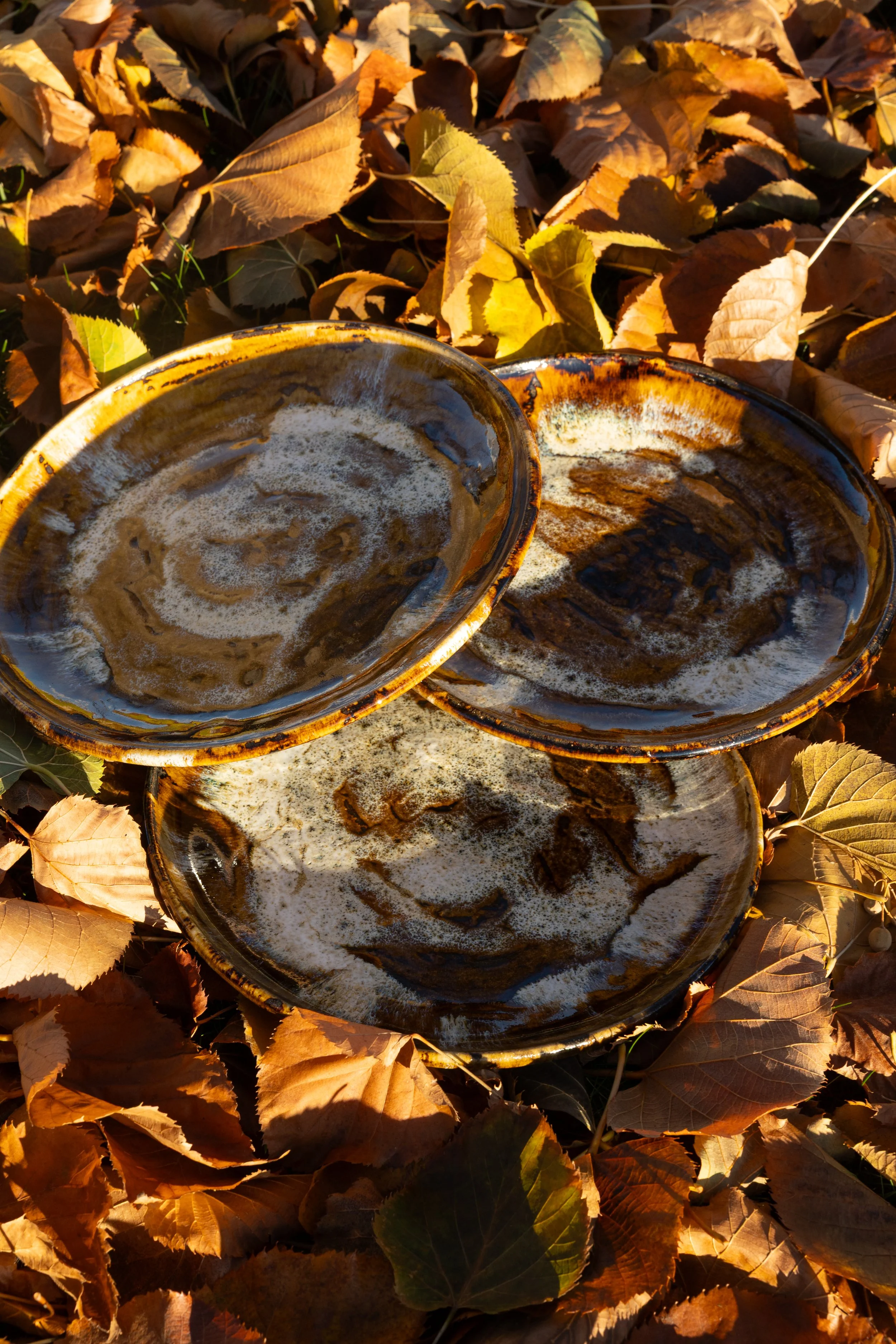
What Changes Between Throwing and Trimming
Throwing shapes the pot, but trimming decides whether it works. Adam Corbridge explains what changes between throwing and trimming — and why weight distribution and balance matter in functional pottery.
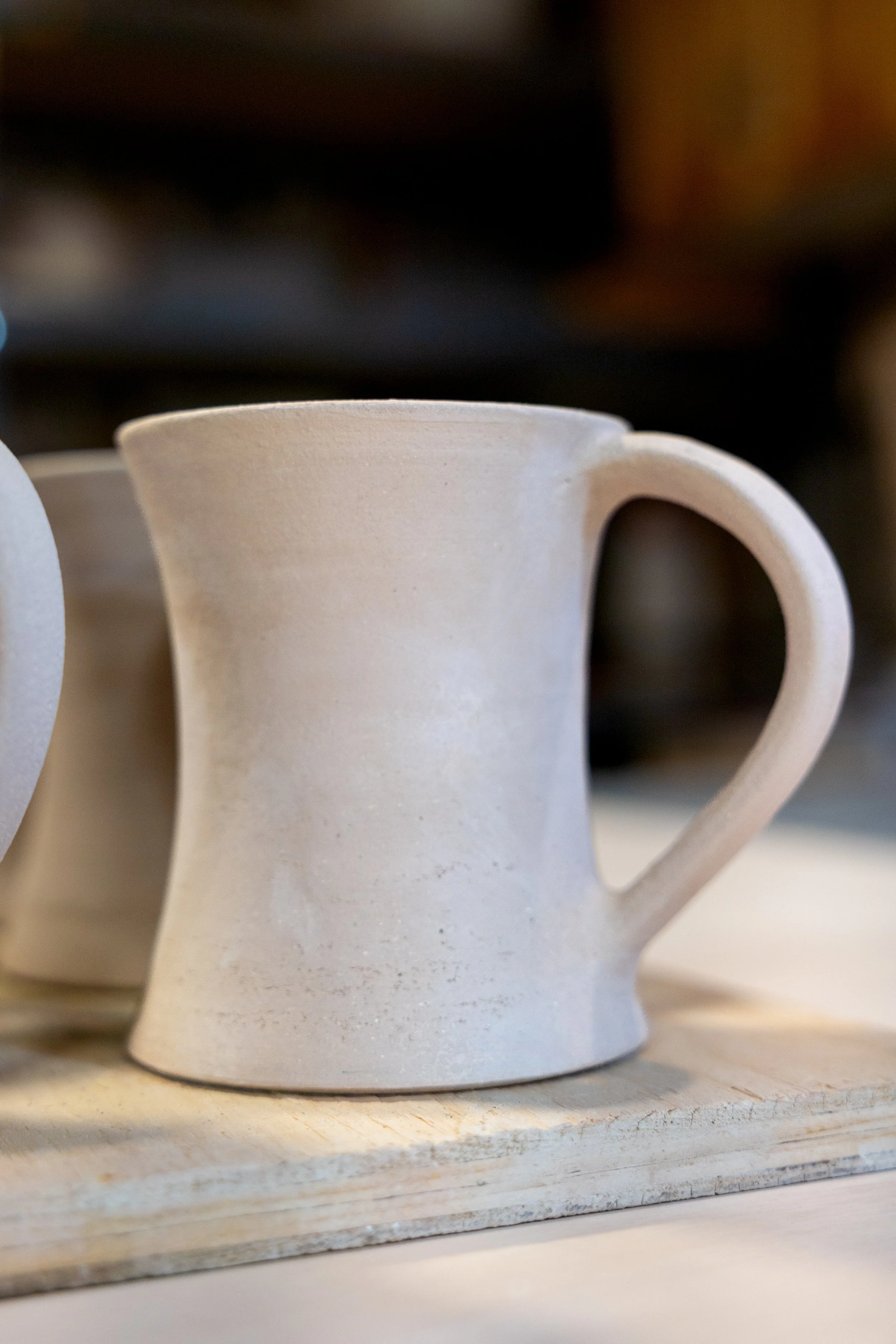
Why You Always Grab the Same Mug
The mug you always grab isn’t the flashiest — it’s the one that feels right. Adam Corbridge explains how balance, rim shape, and durability create pottery meant for daily use.
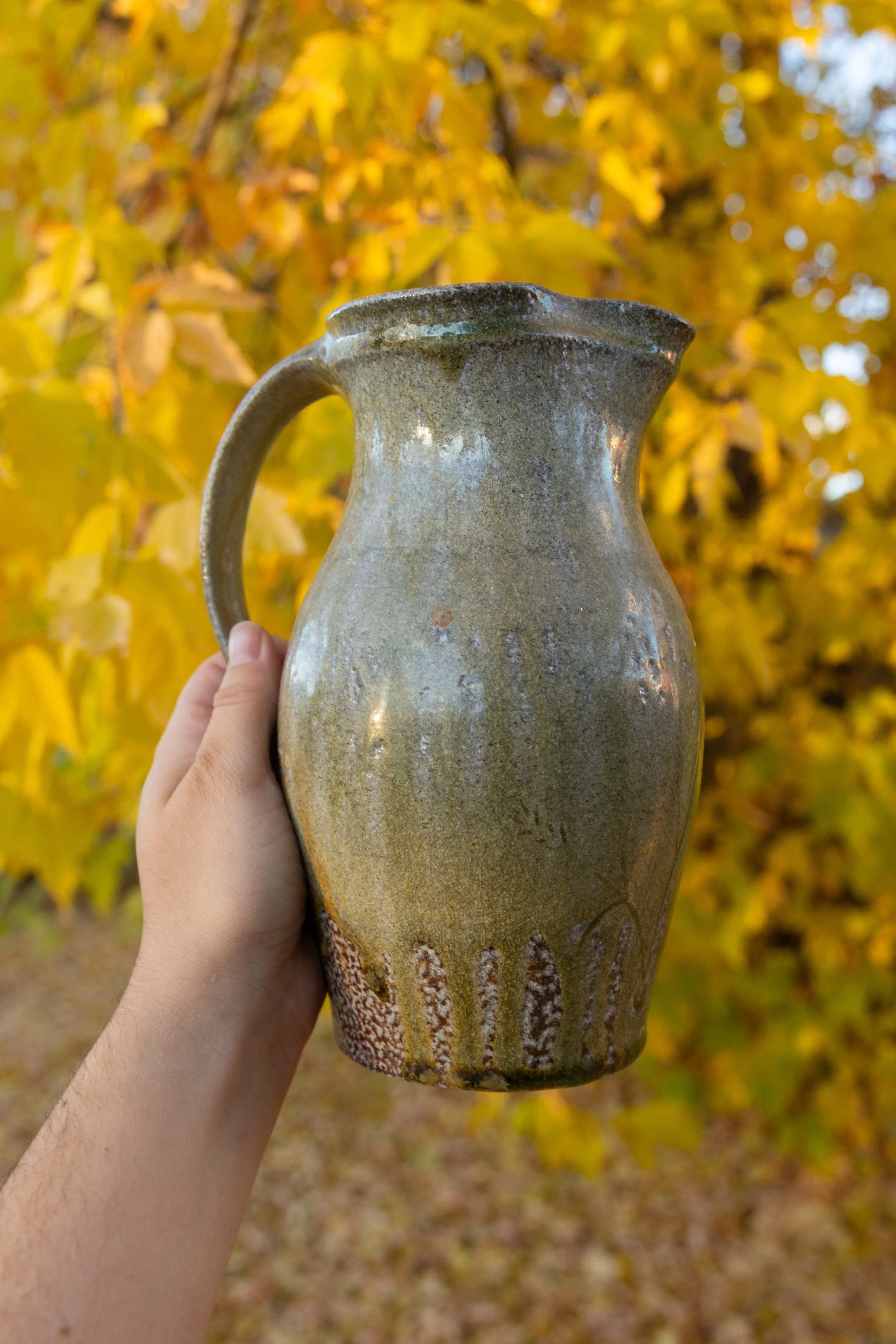
Not Everything Belongs in My Kiln
Not every pot deserves to be finished. In this post, Adam Corbridge explains why discipline, restraint, and editing matter more than surface in high fire functional pottery.
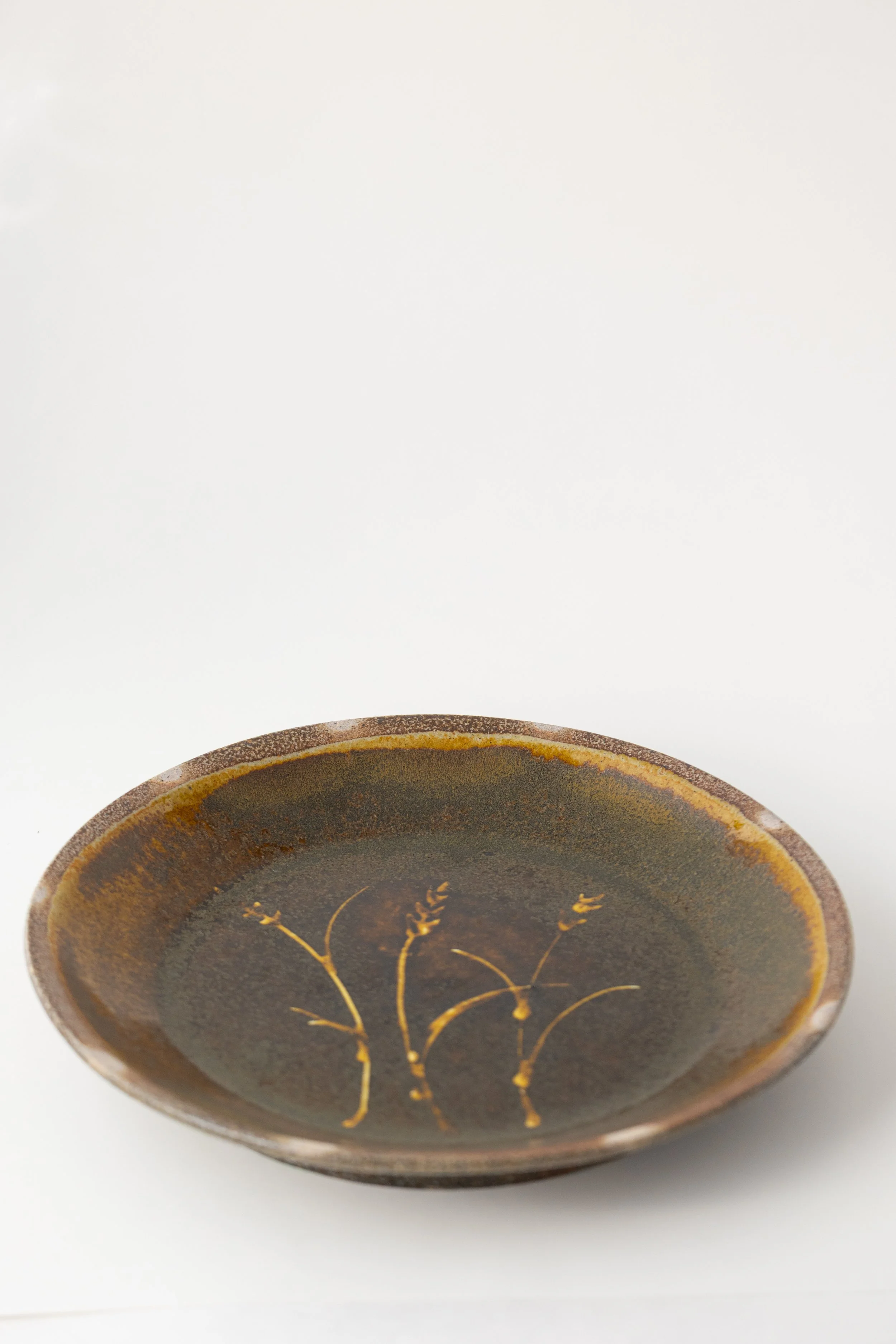
Heat Isn’t the Hard Part
Reaching cone 10 isn’t the challenge in salt firing — managing airflow is. As I design my Utah salt kiln, draft and flame path matter more than raw heat.
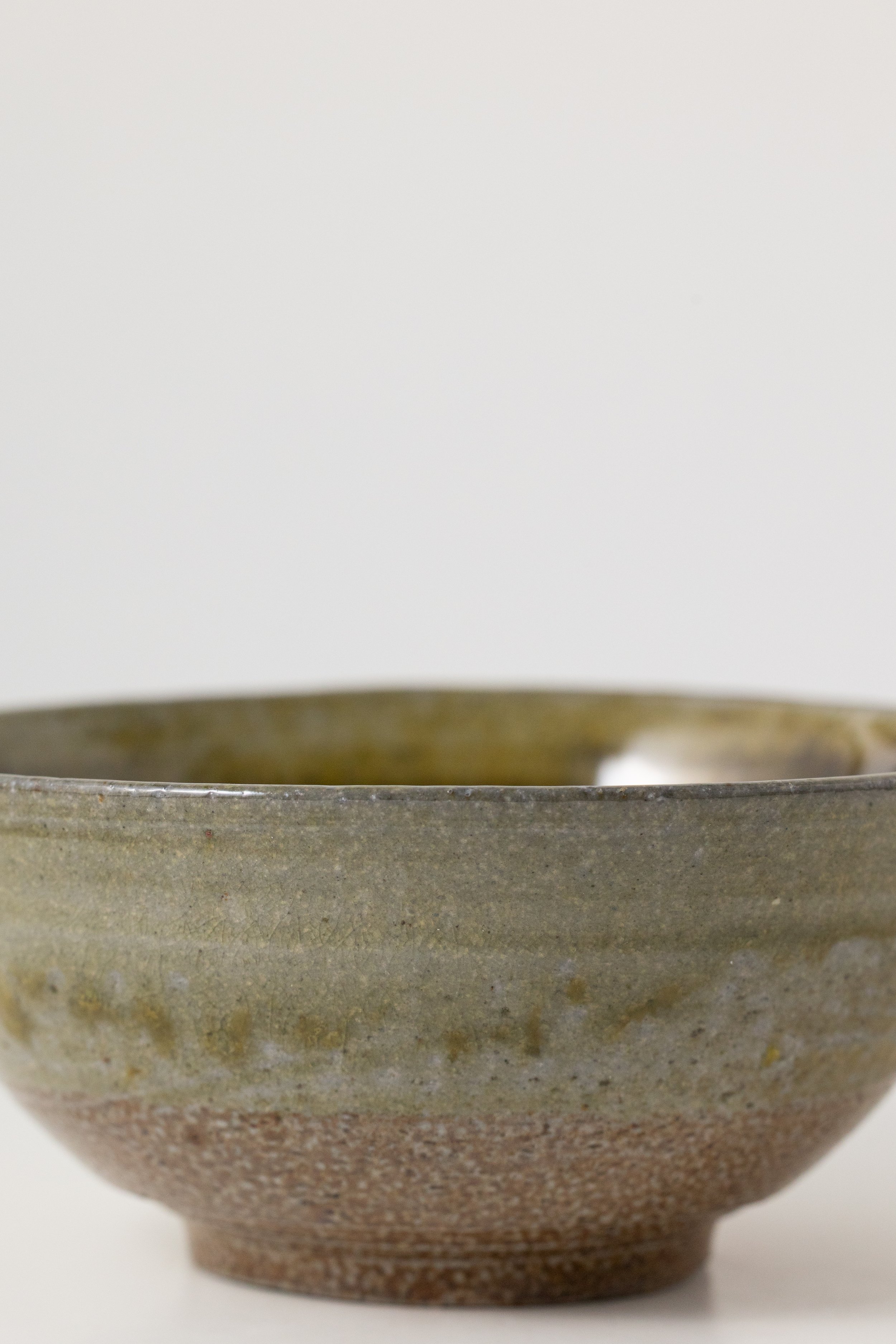
Surface Gets the Credit. The Rim Does the Work.
Glaze gets the attention, but the rim determines how a mug actually feels in daily use. In this post, I explain why rim thickness matters more than surface in functional, high fire pottery.