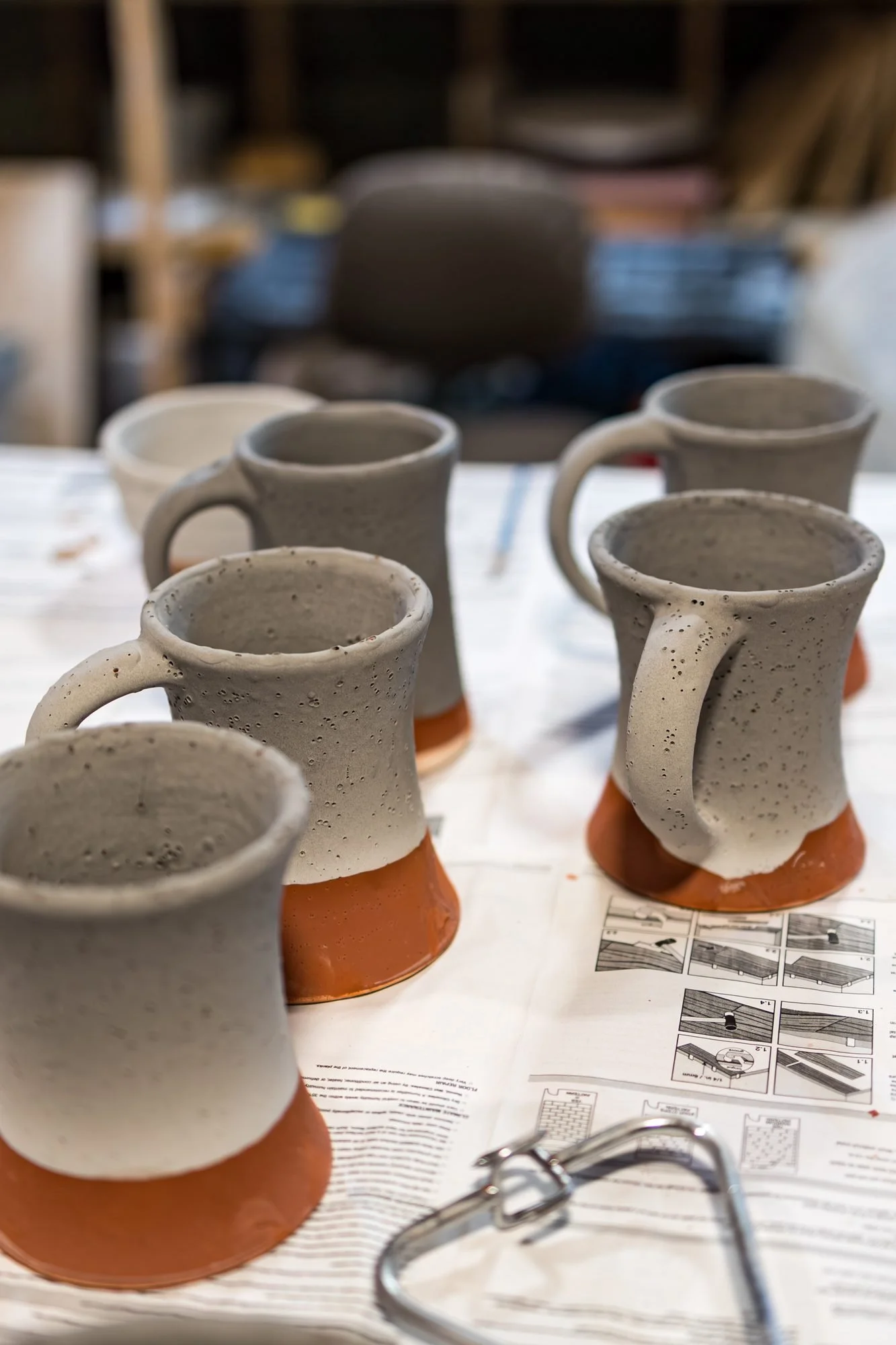
Bisque firing vs glaze firing: what each one actually does
Most pots go through the kiln twice, and the two firings do completely different jobs. Here is what bisque does, what the glaze firing does, and how to tell which stage a pot is at.
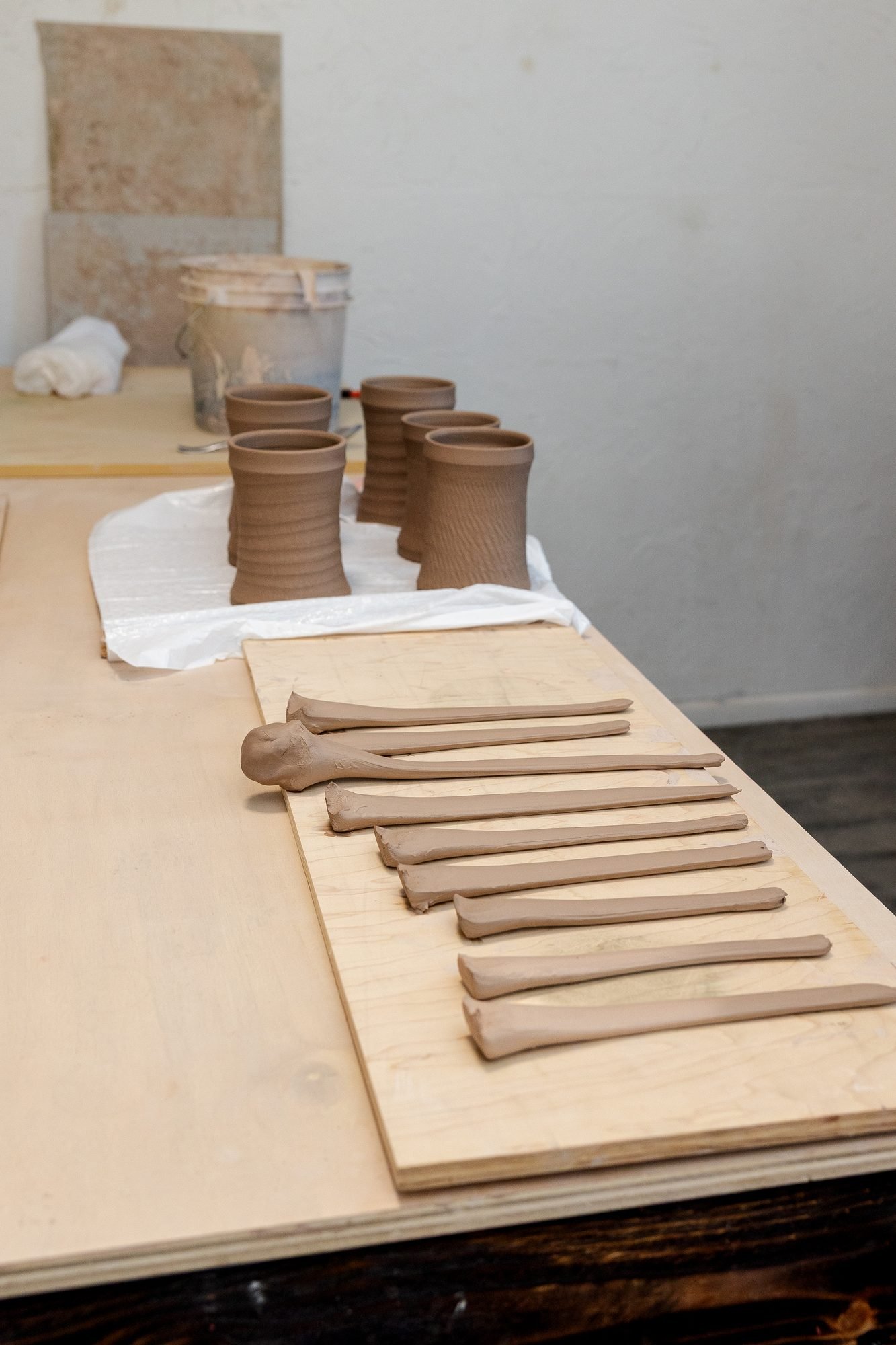
Handles day: the Summers mugs, part 2, and a birthday box of new tools
Scoring, slipping, pressing and cleaning a full set of mug handles for the Summers order, plus the first clay on a box of new birthday tools.
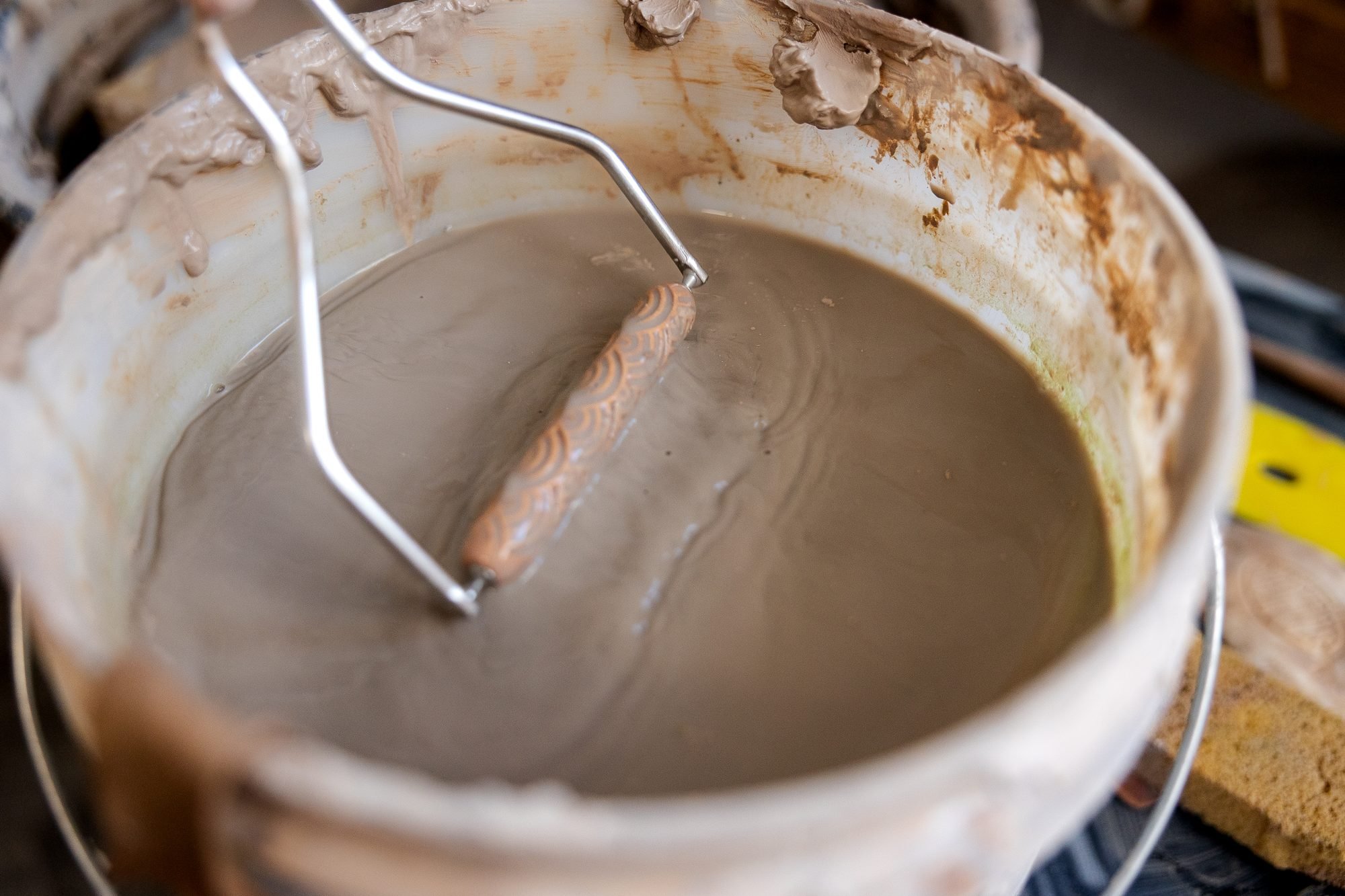
Studio Reclaim Without the Chaos
Reclaim can quietly take over a studio. Batching, moisture control and a pug mill turned mine into a predictable system.
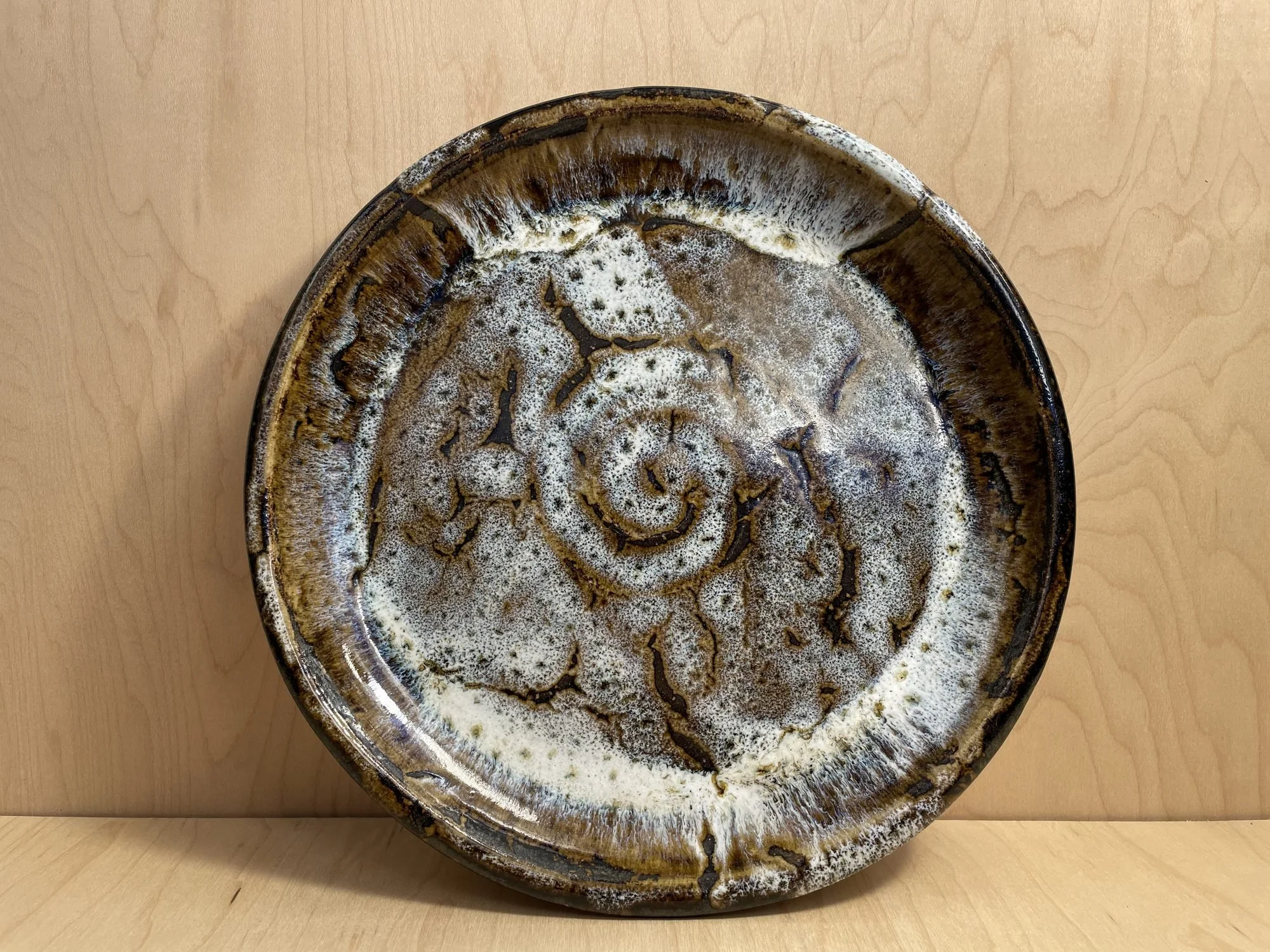
Why Plates Warp and How to Prevent It
Plates warp from uneven stress. Clay choice, compression, even thickness, slow drying and level shelves keep them flat.
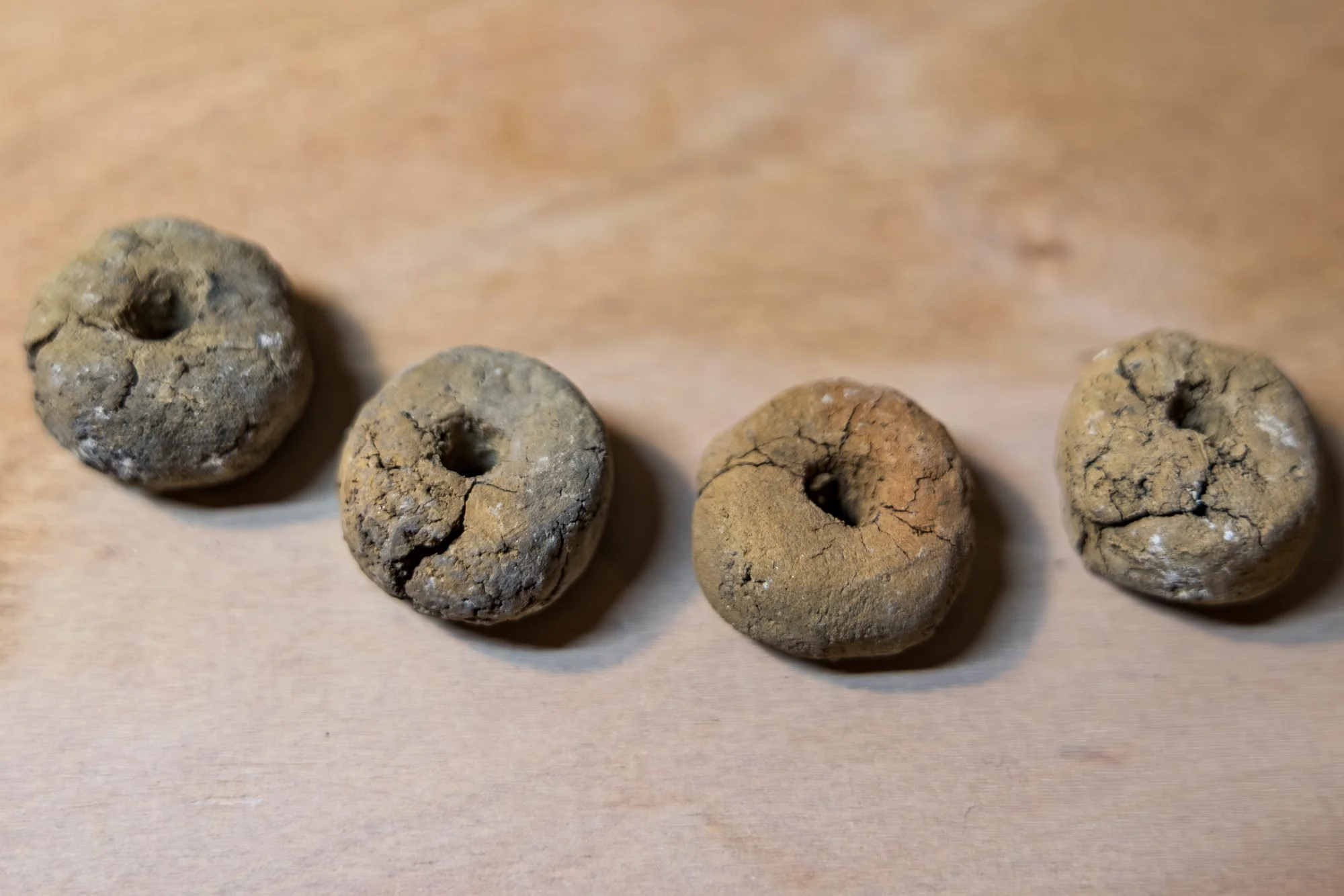
Why do pots crack after firing? The causes I see most
Most cracks were decided before the kiln was lit. How to read an S crack, a rim crack, a handle joint crack, and the one crack the kiln really does cause.
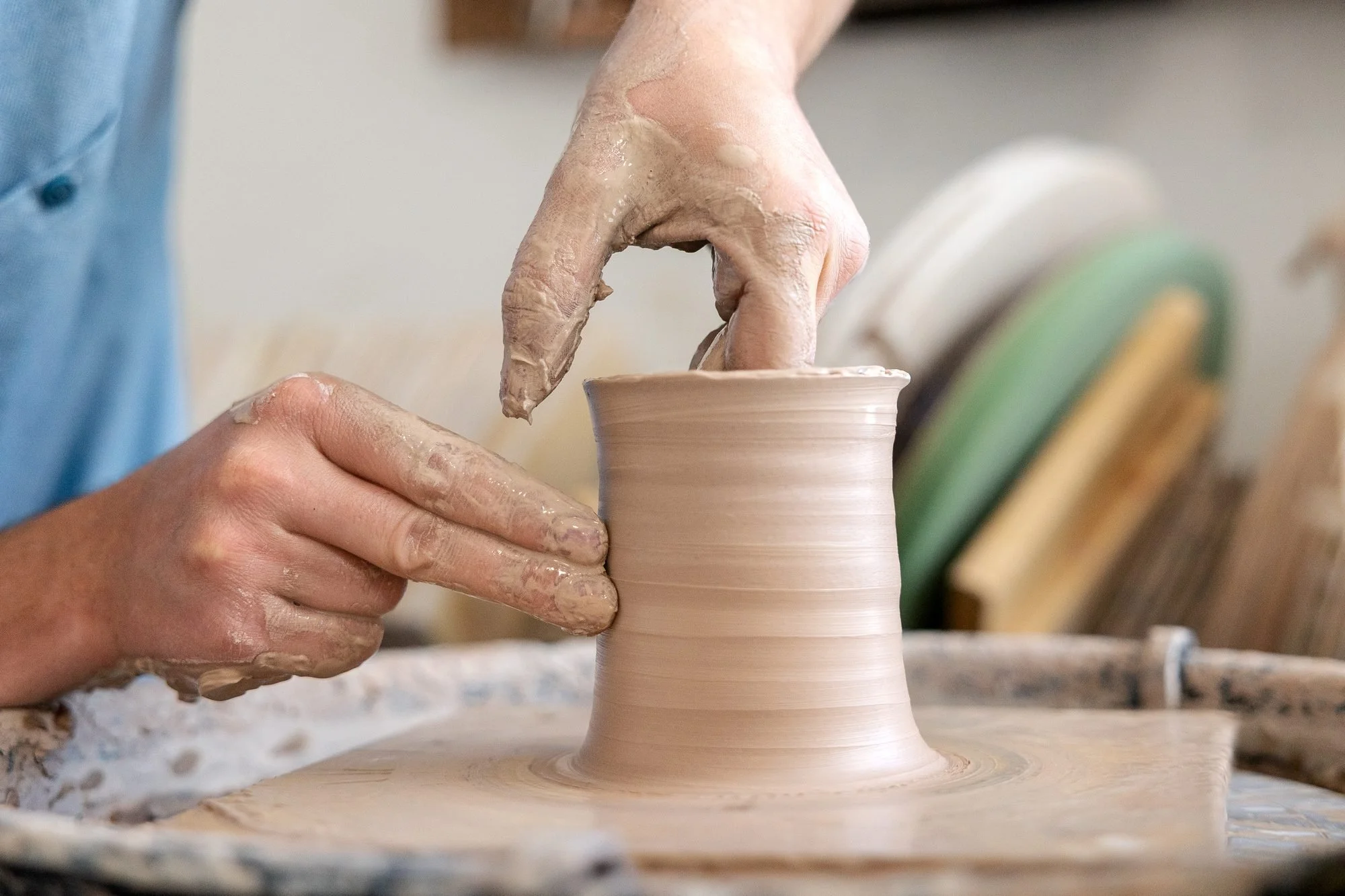
Throwing a custom mug order for the Summers family, part 1
A set of matching mugs starts at the scale, not the wheel. The throwing day for the Summers family order, frame by frame.
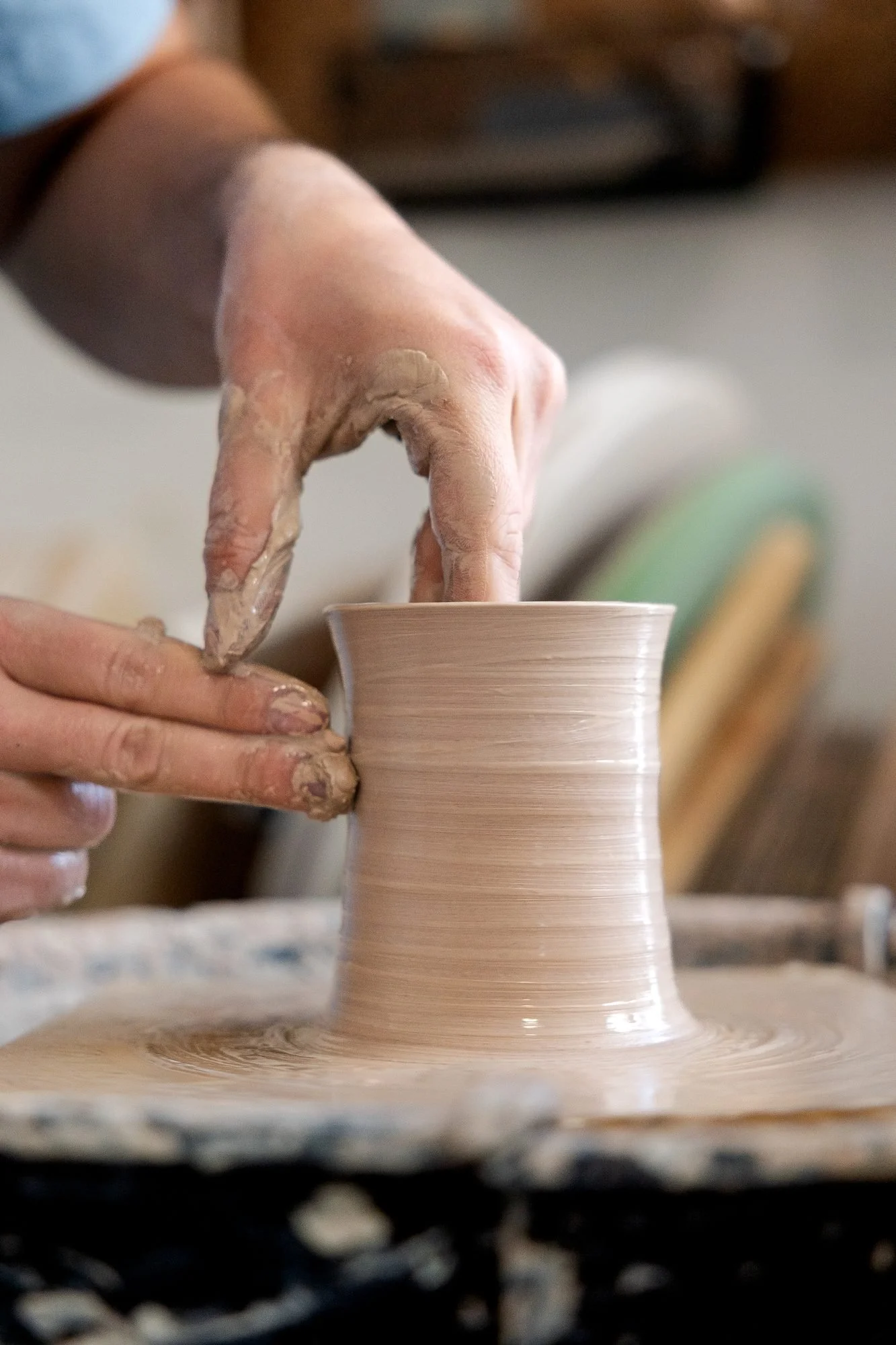
The 7 Stages of Clay, With a Photo of Each Stage
Slip, plastic, leather hard, bone dry, bisque, glazeware, glaze fired. What each stage is, what you can do at it, and a photo of each from my studio.
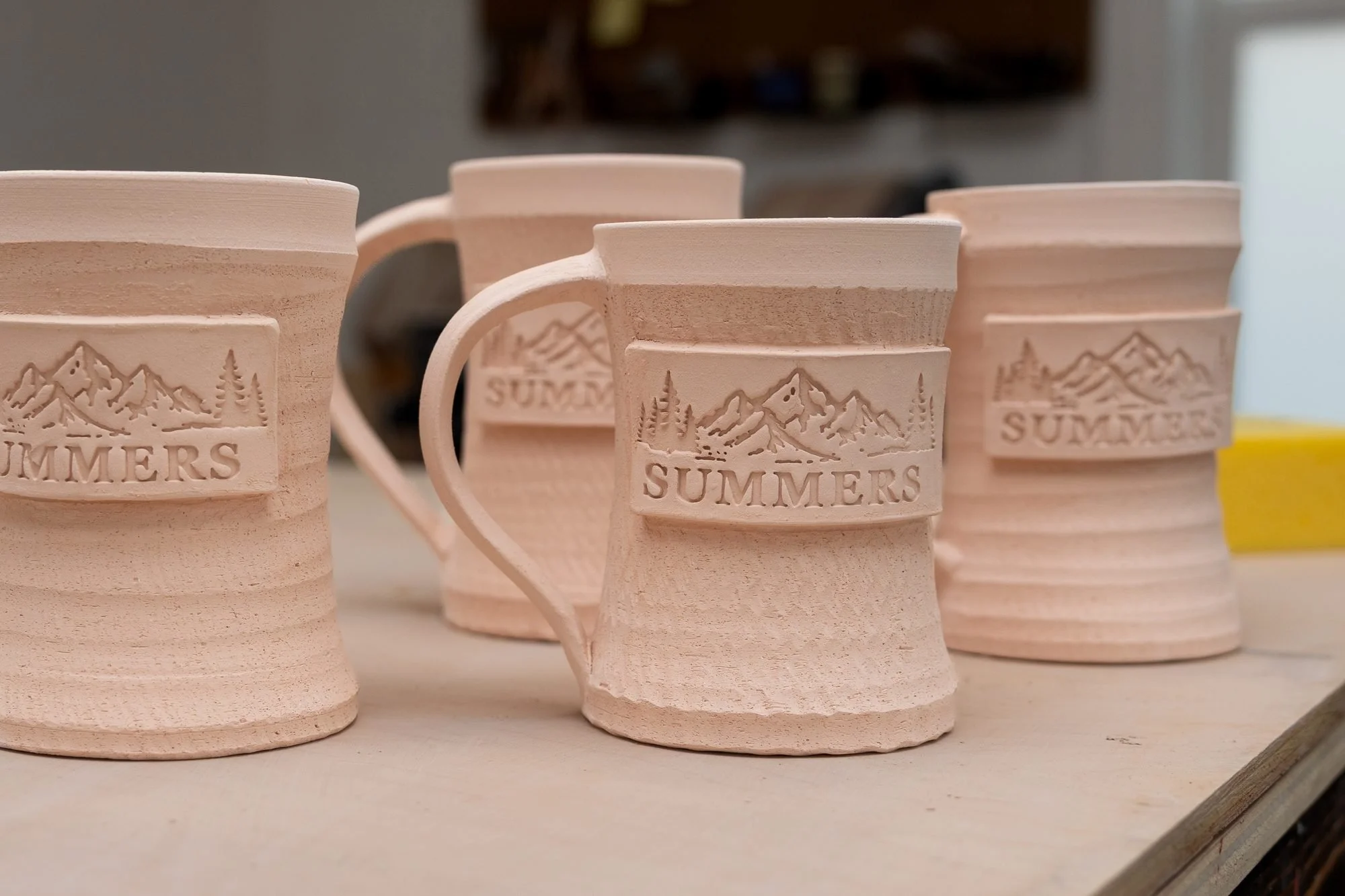
Why Some Handles Feel Right
A comfortable mug handle is geometry: weight, thickness, negative space and a firm attachment. Here is what I think about.
What Changes Between Throwing and Trimming
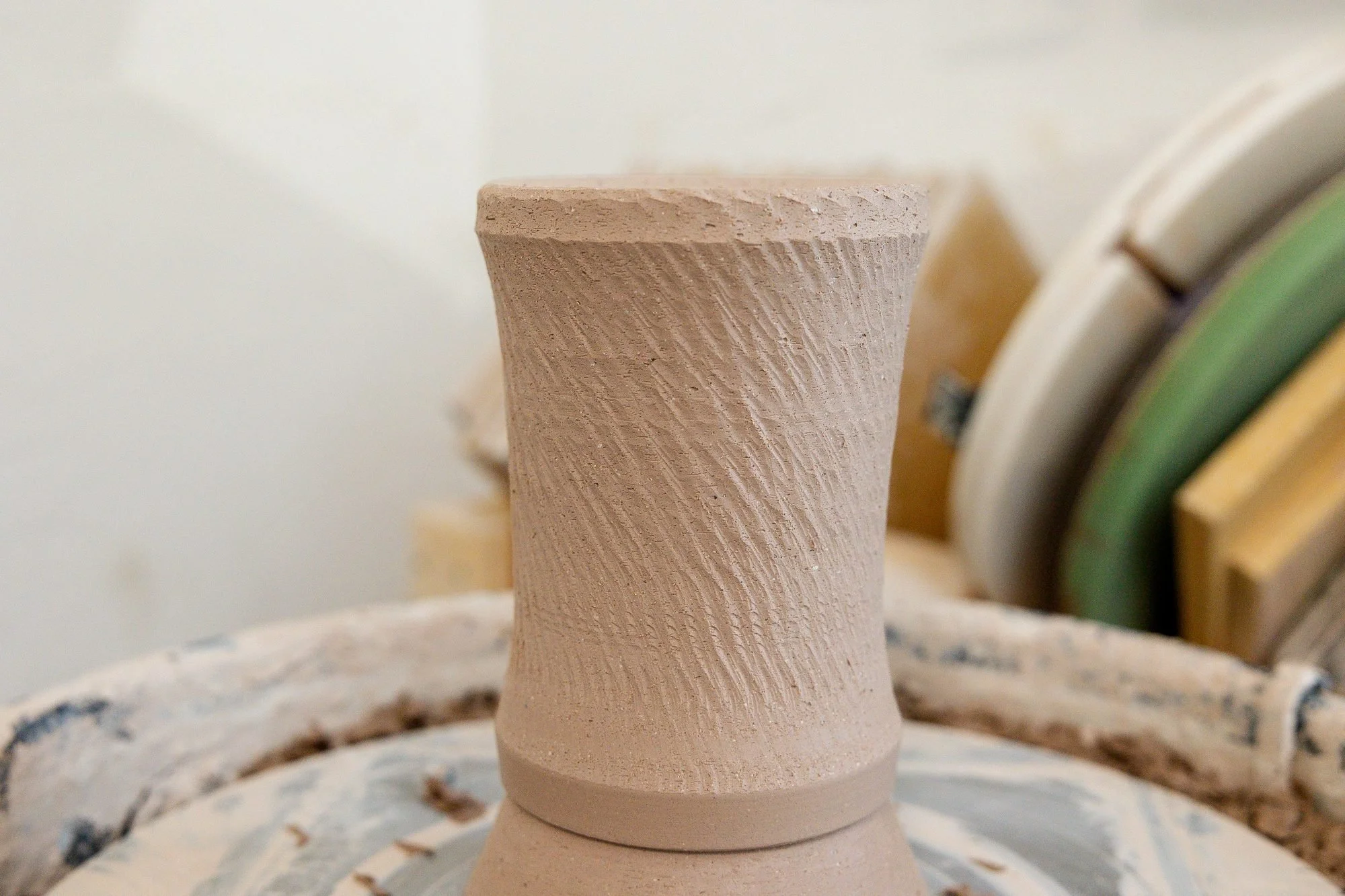
Throwing gets the credit, but trimming is where a pot's weight, foot and balance get decided.