Advice I’d Give My Younger Self in the Studio
If I could walk back into the studio years ago, I wouldn't give myself a lecture. I'd say two words: slow down.
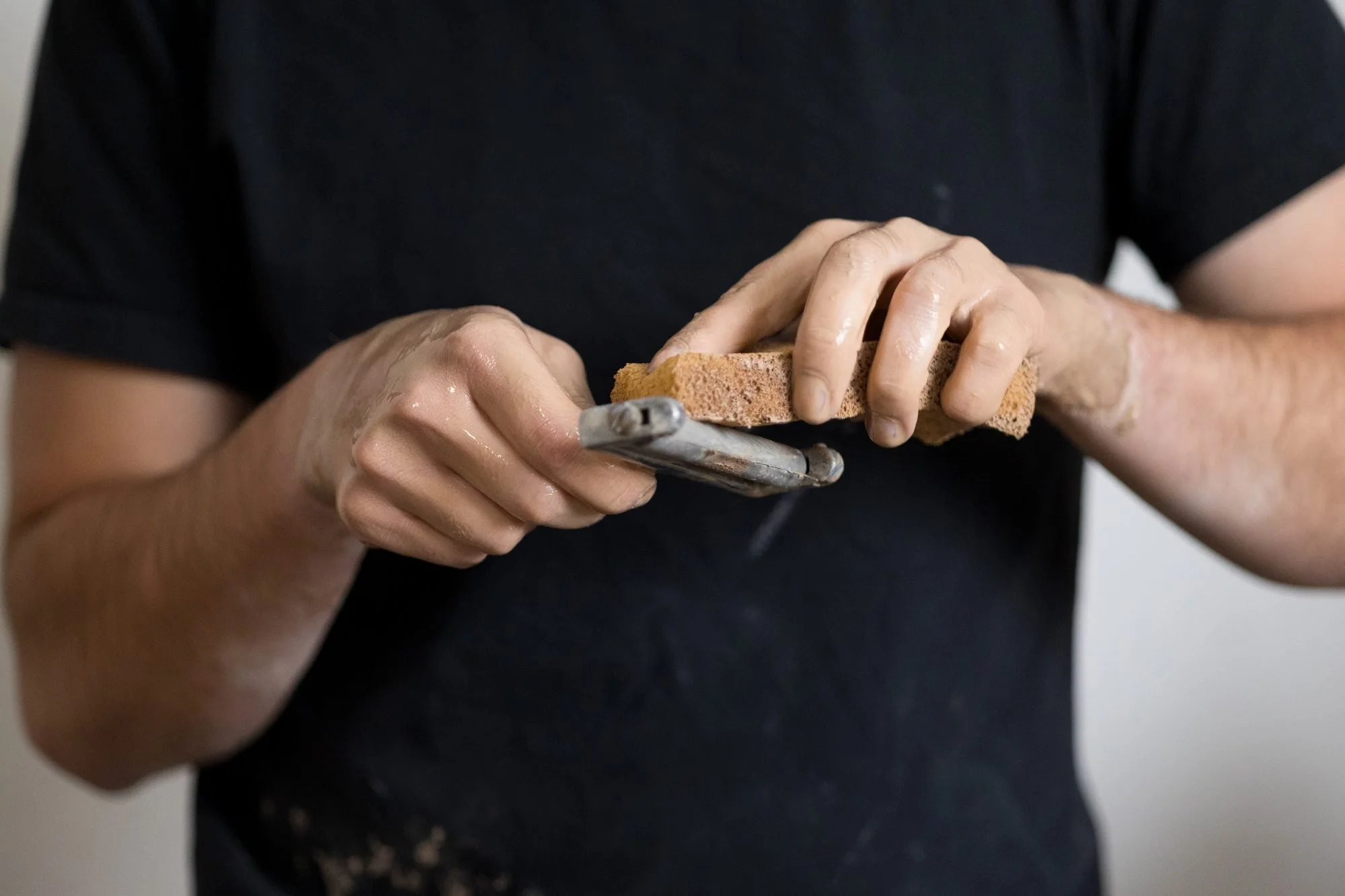
The advice I'd give my younger self isn't technical. Slow down, spend more time on the basics than feels necessary, don't chase what gets attention, and treat failure as part of the apprenticeship. Clarity comes from repetition, not from rushing to arrive.
- Compression, wall thickness and the way a foot meets the table matter more than a dramatic surface
- The work that lasts is consistent, not loud
- Build slowly: the kiln, the studio and the skills
Slow down
If I could step back into the studio years ago, when centering still felt unpredictable and every glaze result was a surprise, I wouldn't start with kiln schedules or clay body chemistry. I'd say something simpler. Slow down.
Early on I wanted progress to show quickly. I wanted the work to look finished. I wanted pieces that felt impressive instead of just competent. Every firing felt like a test of whether I was becoming a real potter.
That pressure didn't help. I rushed trimming because I wanted to see the final form. I accepted handles that were fine instead of pulling them again. I got distracted by glaze effects before I really understood form.
Spend more time on the basics
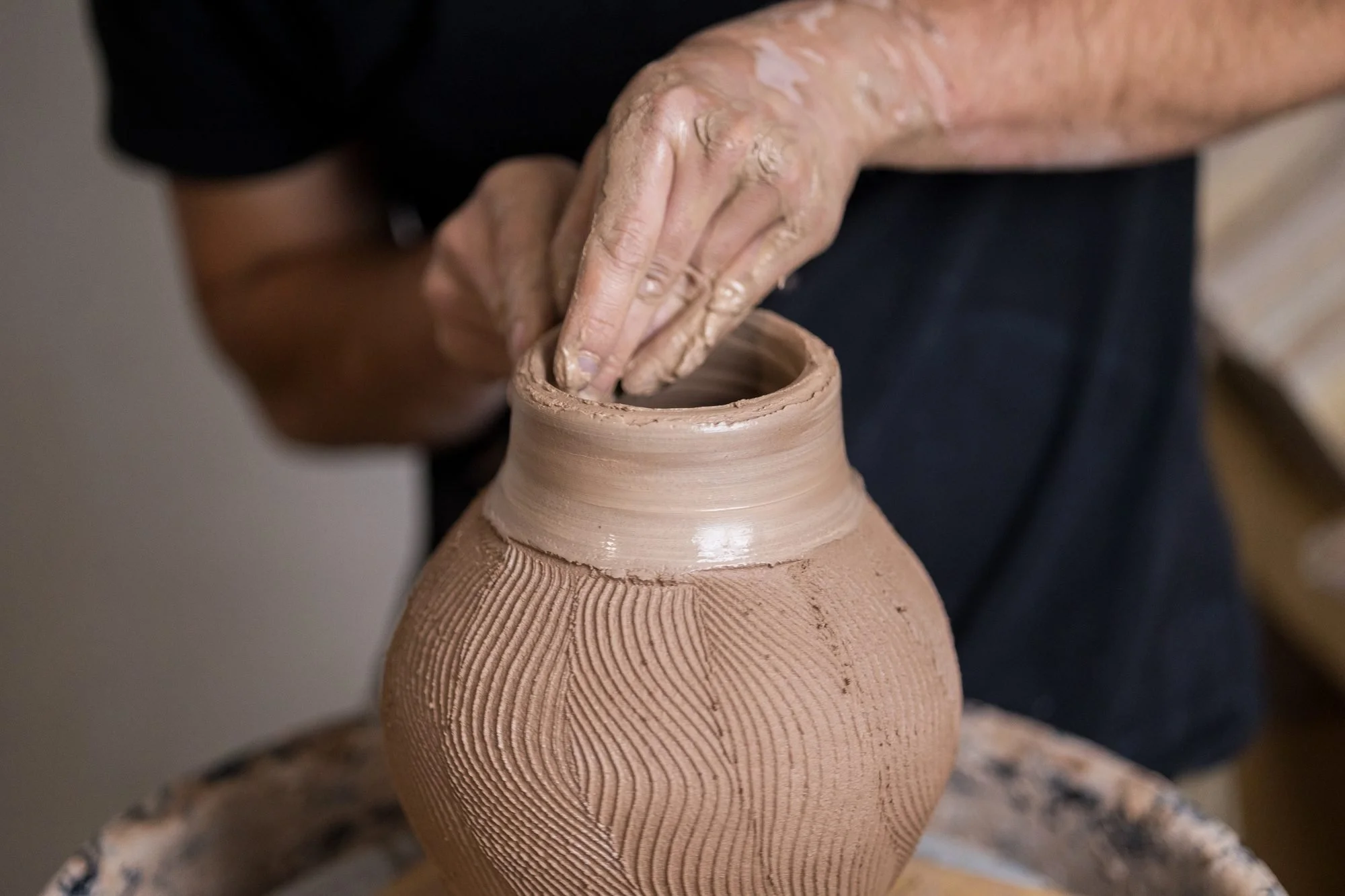
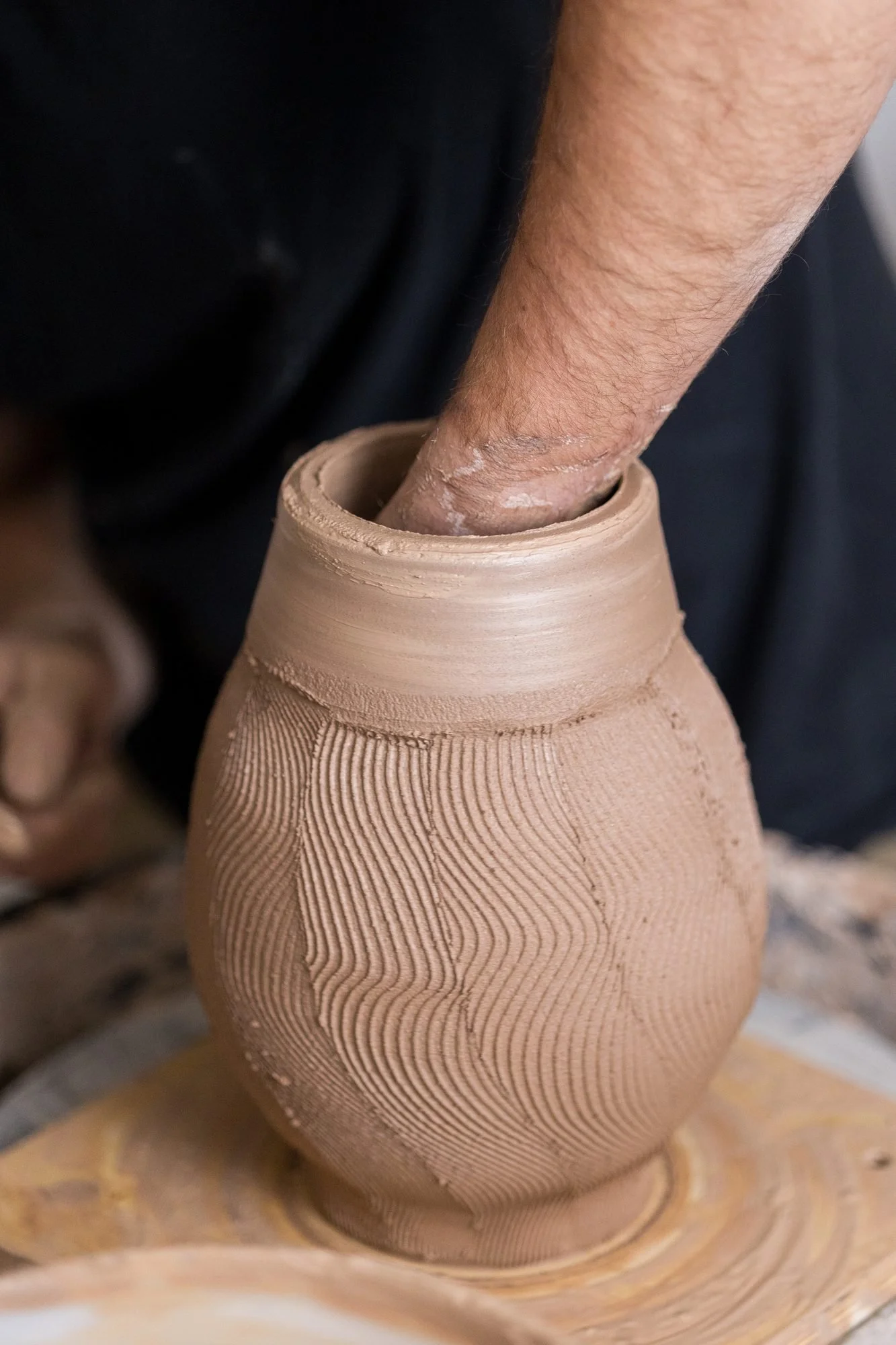
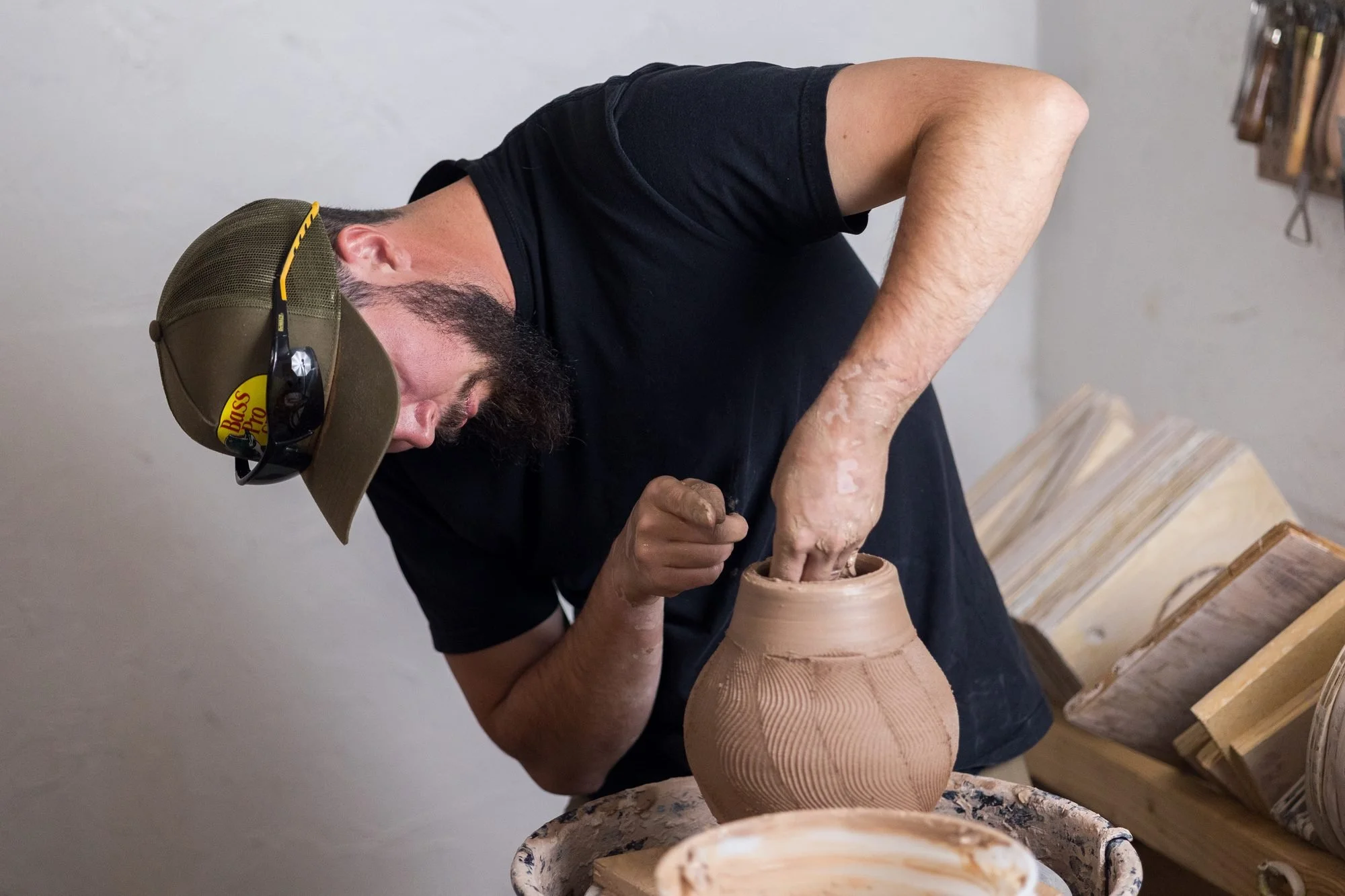
If I could talk to that younger version of me, I'd say: spend more time on the fundamentals than you think you need to. Compression matters. Thickness matters. The way a foot meets the table matters more than a dramatic surface ever will.
Don't chase what gets attention
It's easy to look around and think you need brighter glazes, bigger statements and faster output. It's easy to mistake visibility for direction. But the work that lasts isn't loud. It's consistent.
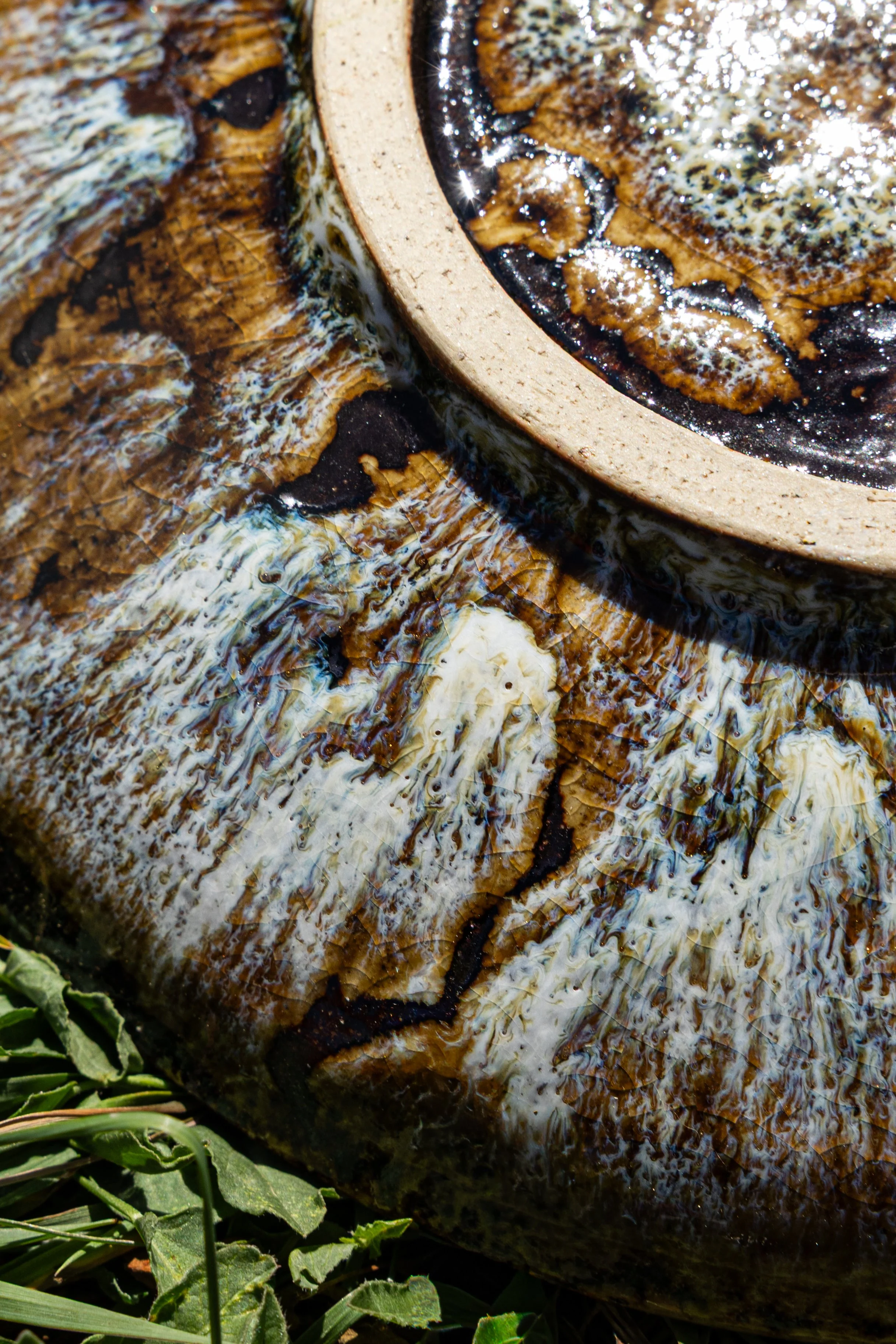
I'd tell myself that cone 10 isn't just a temperature, it's a commitment. That salt firing isn't a novelty, it's a relationship. That wild clay won't cooperate just because I want it to.
Failure is part of the apprenticeship
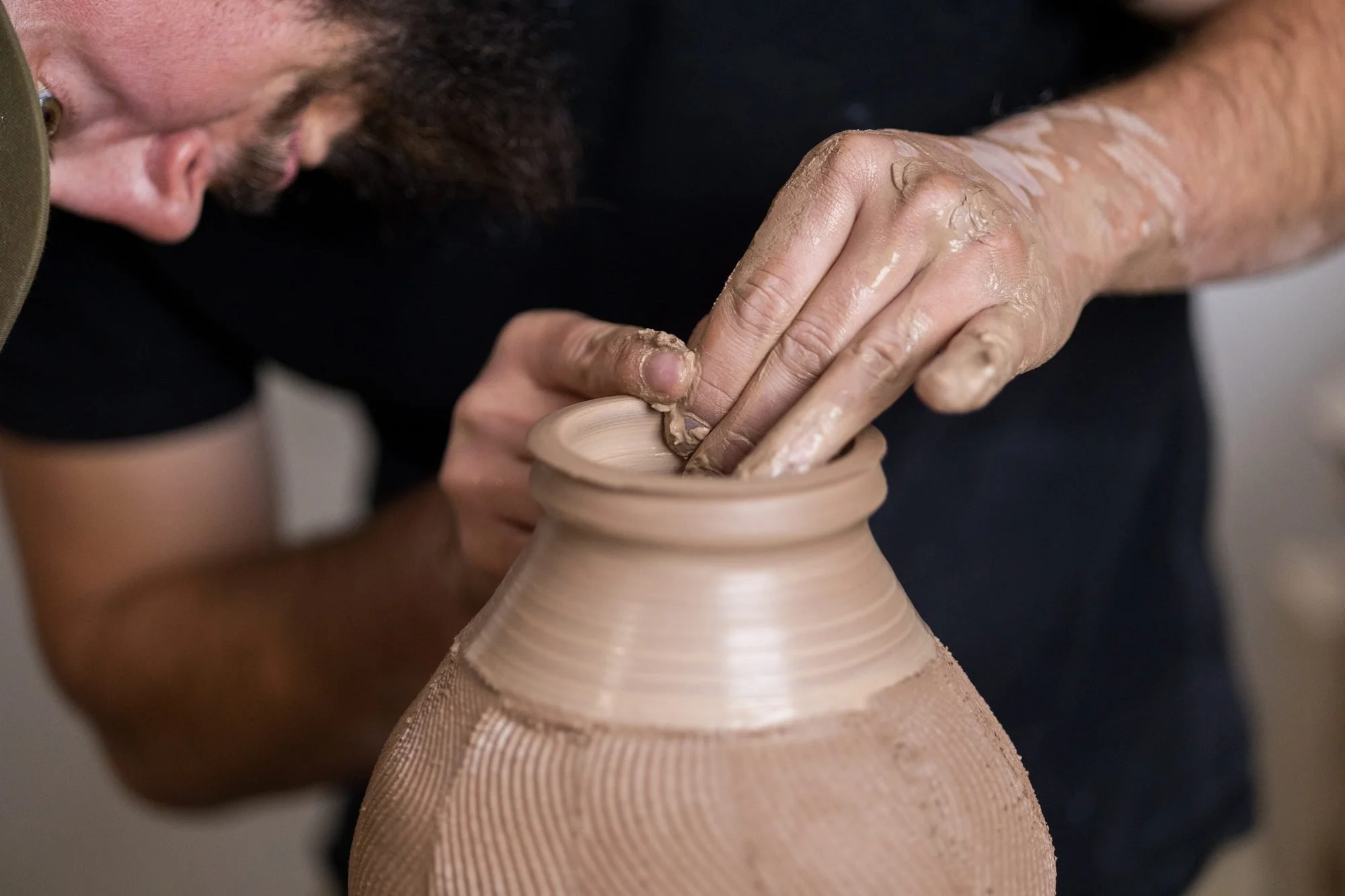
There were times a bad firing felt personal and a cracked pot felt like a verdict. I didn't yet understand that every serious potter has shelves full of things that didn't make it. Failure is part of the apprenticeship, not evidence that you don't belong. It doesn't mean stop. It means pay attention.
Build slowly
Maybe most of all, I'd say: build slowly. Don't rush the kiln you'll eventually want. Don't skip steps because you're eager to arrive. The studio you're building, physically and mentally, will shape you as much as you shape it.
The younger version of me wanted clarity right away. The version writing this understands that clarity comes from repetition. Throw the form again. Trim it again. Fire again. Test again. The direction shows itself over time. I wouldn't try to shortcut the struggle. I'd just remind myself that the struggle is part of becoming.
Pick one form, a simple cylinder, and throw ten of them in a session. Cut a couple in half with a wire and look at the wall from base to rim. That one habit teaches more about thickness and compression than a month of trying new shapes.
I'm trying to become the potter I once needed advice from. Follow along as the work keeps growing.
