The Day the Kiln Became Real
For a long time the salt kiln lived in notebooks. Then we poured the pad, and it stopped being an idea.
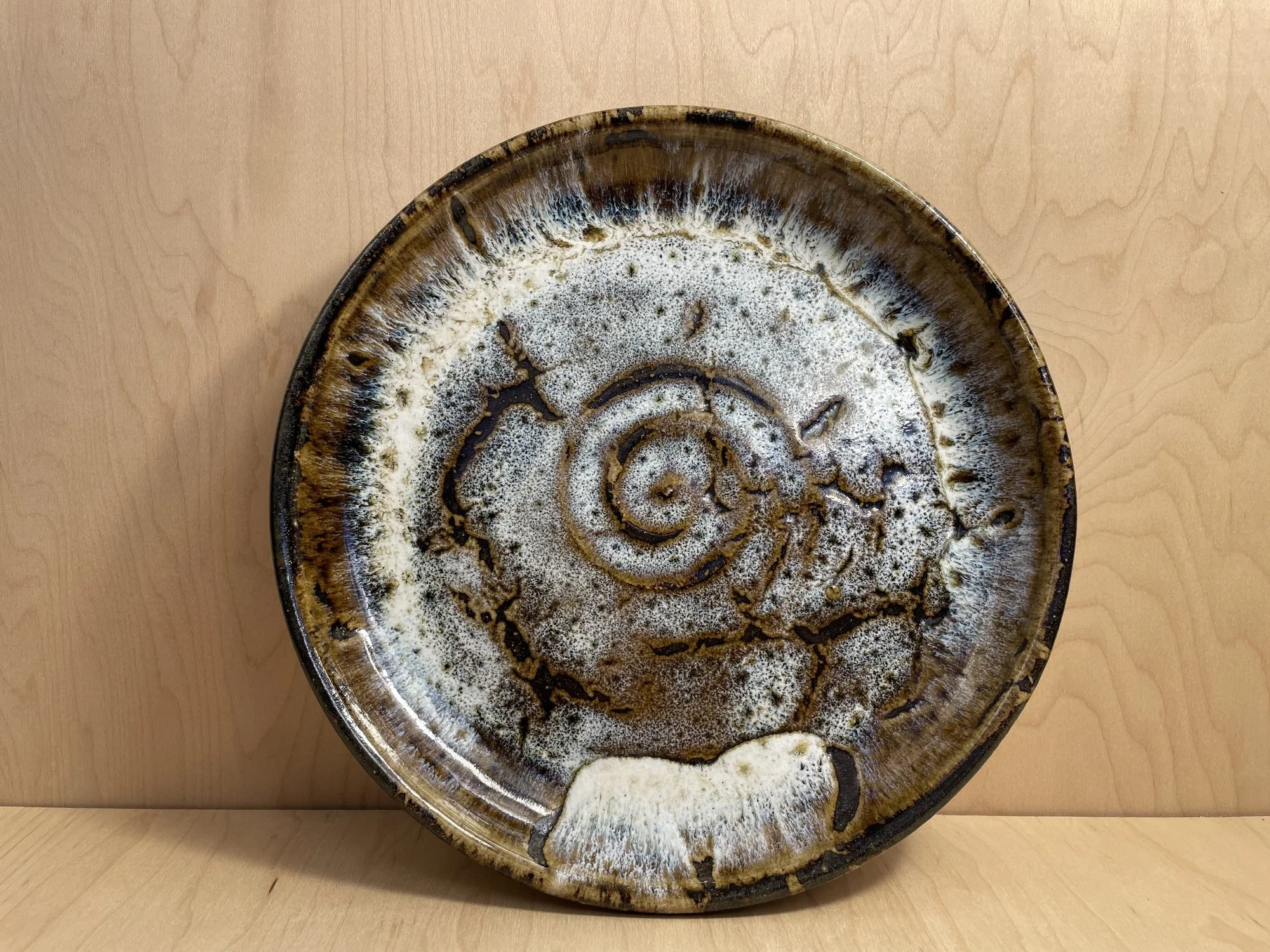
The salt kiln became real the day we poured the concrete pad in the backyard. Until then it was sketches and numbers. Wet concrete doesn't care about ideas: level, square and placement all had to be right, because once it's down, it's down.
- The plans lived in notebooks: burner placement, arch versus flat top, measurements reworked
- The pad's orientation meant something: wind direction, access, clearance and chimney height
- Everything else in the build will rise from that slab
A kiln on paper
For a long time, the salt kiln lived in notebooks. Sketches in the margins. Measurements scribbled and reworked. Burner placement ideas. Arch versus flat top debates. Numbers that felt abstract because they weren't attached to anything physical yet.
It was a direction. But it wasn't real.
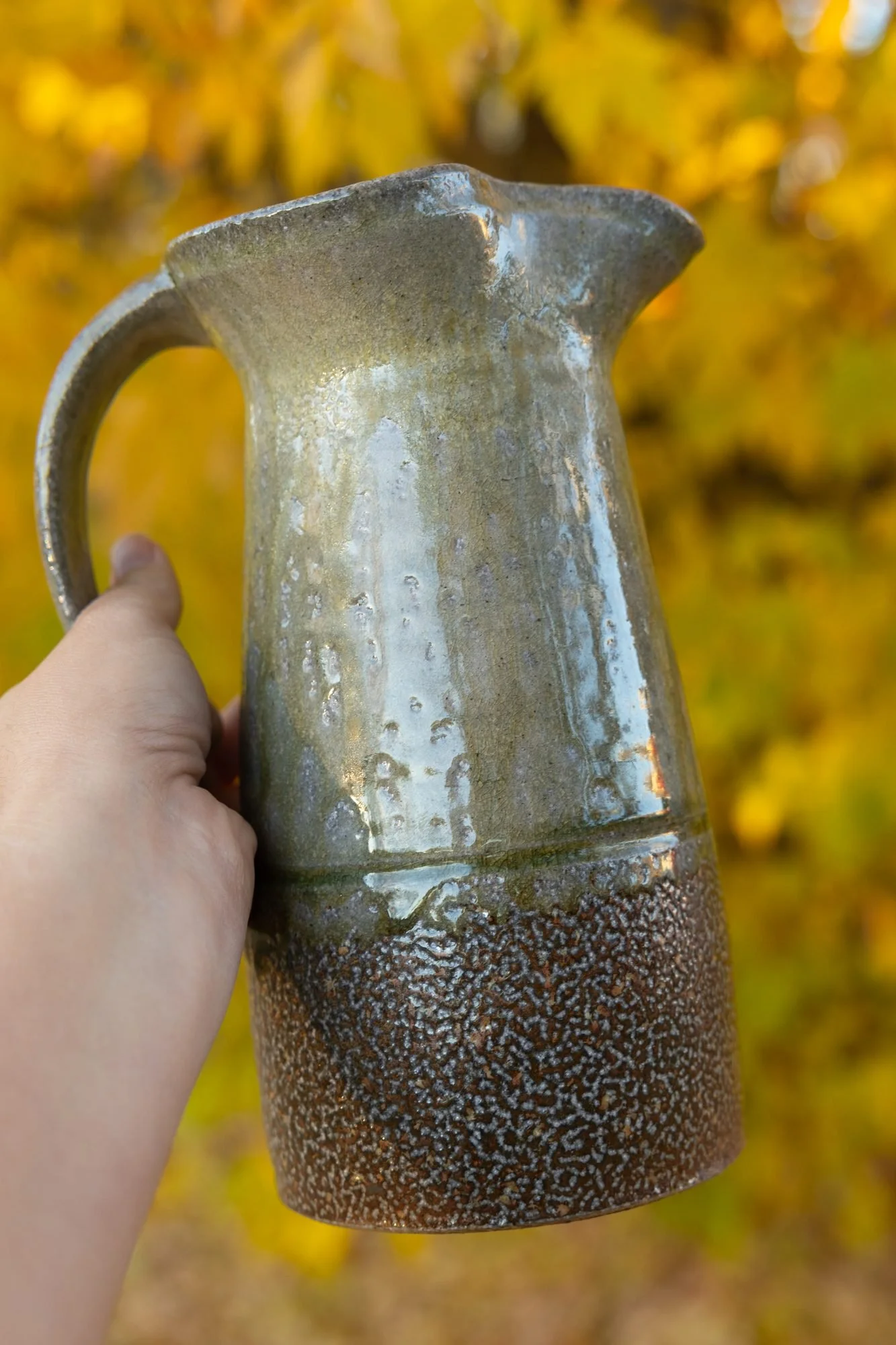

The day we poured the pad
That changed the day we poured the kiln pad in the backyard. There's something sobering about wet concrete. It doesn't care about long-term vision. Once it's down, it's down. Level matters. Square matters. Placement matters. You don't move a kiln pad easily.
Standing there watching the form fill, I realized this wasn't planning anymore. It wasn't a concept I could casually adjust in a notebook. It was commitment.
Measurements became boundaries
The backyard suddenly felt different. What used to be open space now held intention. The orientation of the slab meant something: wind direction, access, clearance, chimney height. All the abstract thinking met gravity.
Pouring that pad made me think about scale in a new way. A salt kiln isn't small. Even a modest one needs footprint and infrastructure. It asks for space, not just physically but mentally.
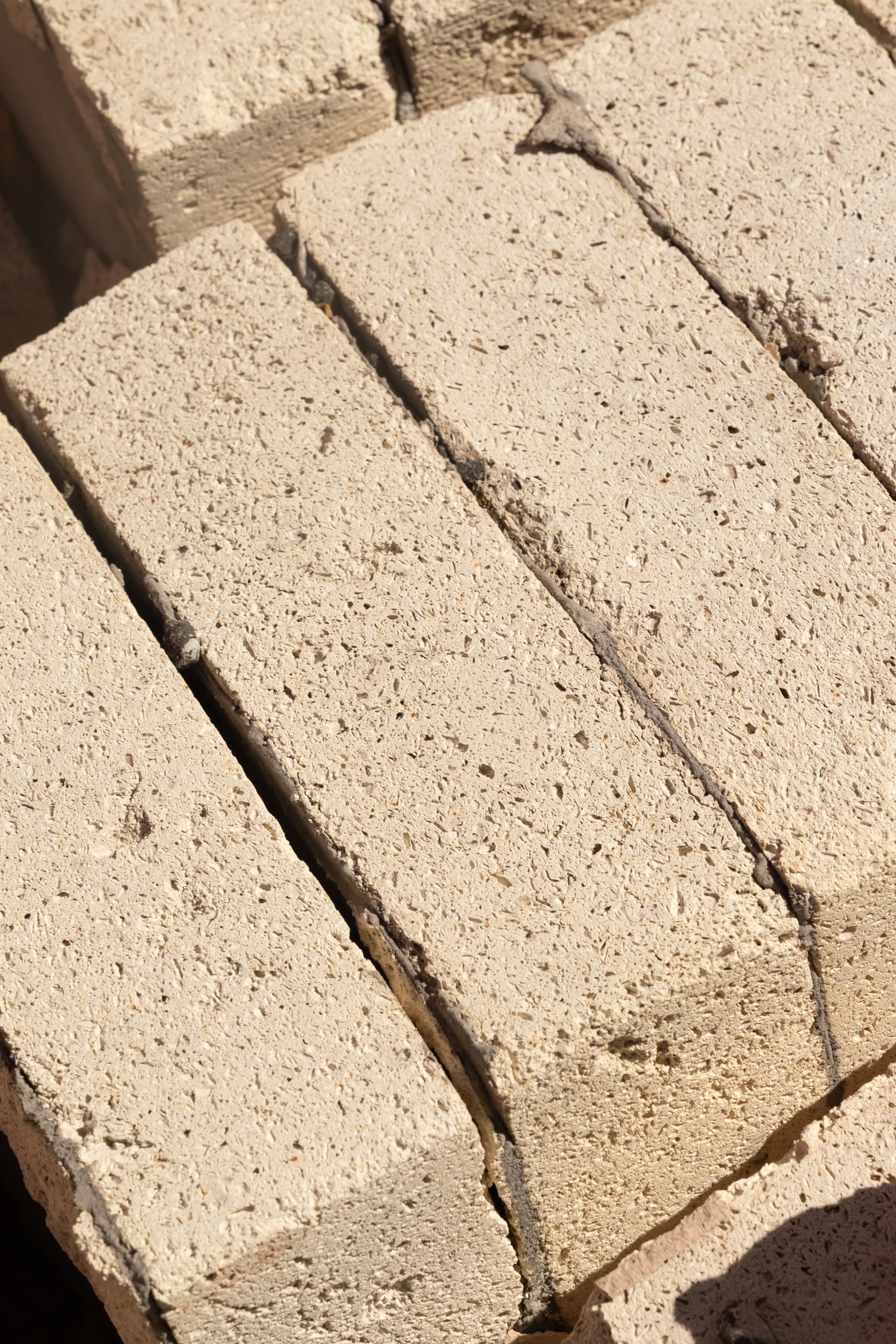
Just concrete
Later that evening, after the surface had set, I walked out and just stood there. No bricks yet. No arch. No burners. Just a slab of cured concrete. It felt like the most significant part of the build so far, because everything else will rise from it.
The first brick will sit on it. The flame will move above it. The shelves will stack because of it. The work I've been shaping toward for years, high fire surfaces, restrained glazing, salt atmosphere, will depend on that foundation holding steady.
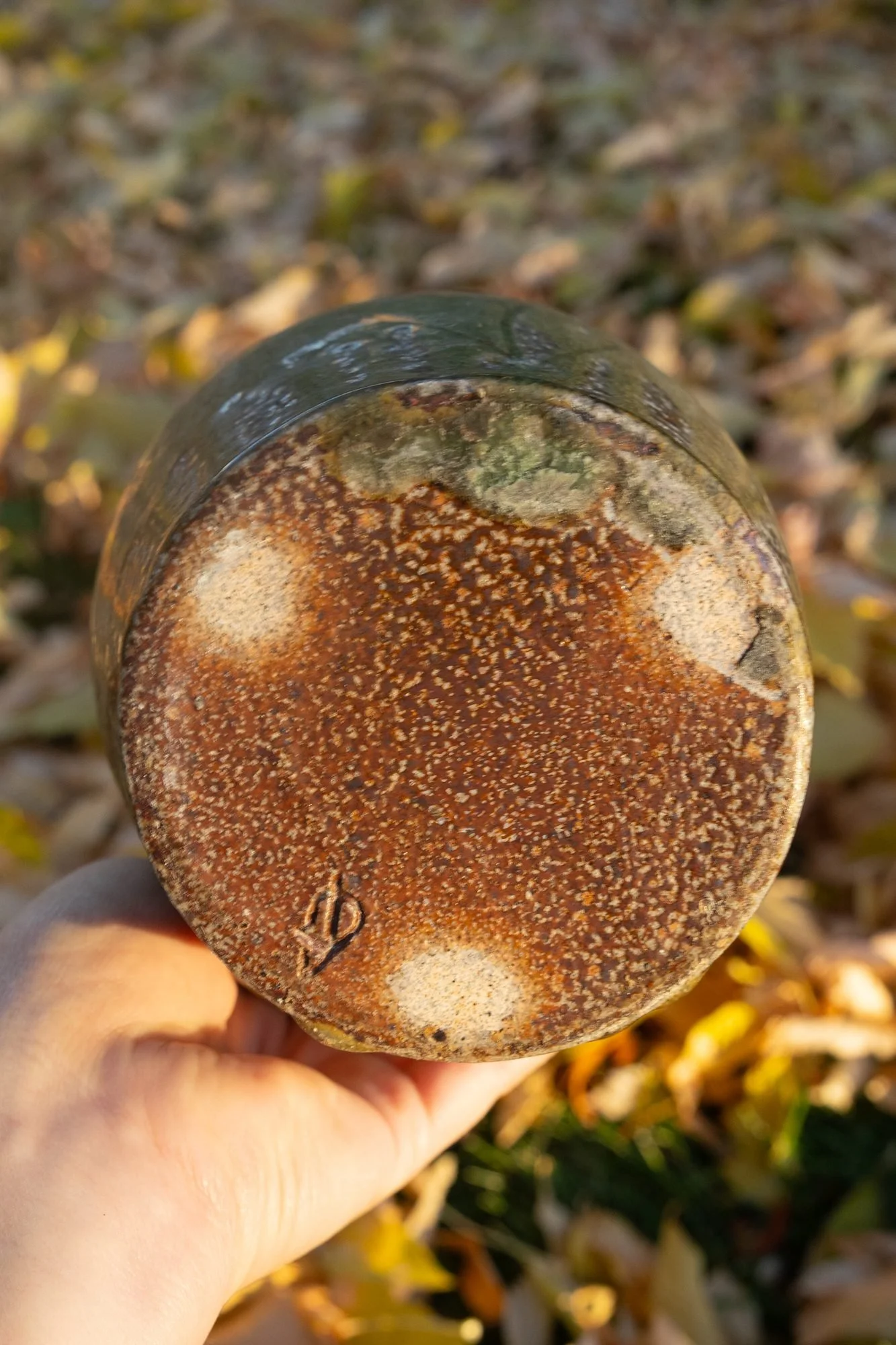

Accountable now
It isn't dramatic to look at. It's just concrete. But it changed something for me. The kiln stopped being something I was moving toward someday and became something I'm accountable to now.
Up until then, I could talk about building a Utah salt kiln as a future project. With concrete curing in the backyard, it became a present responsibility. There's a quiet weight to that, and I'm glad to carry it.
Before you pour a kiln pad, stake out the full footprint with string, including the chimney and room to walk all the way around. Stand inside it for a few minutes and picture loading in winter. It is much cheaper to move string than concrete.
I'm trying to build this slowly and build it right. Follow the kiln journey as it goes up.
