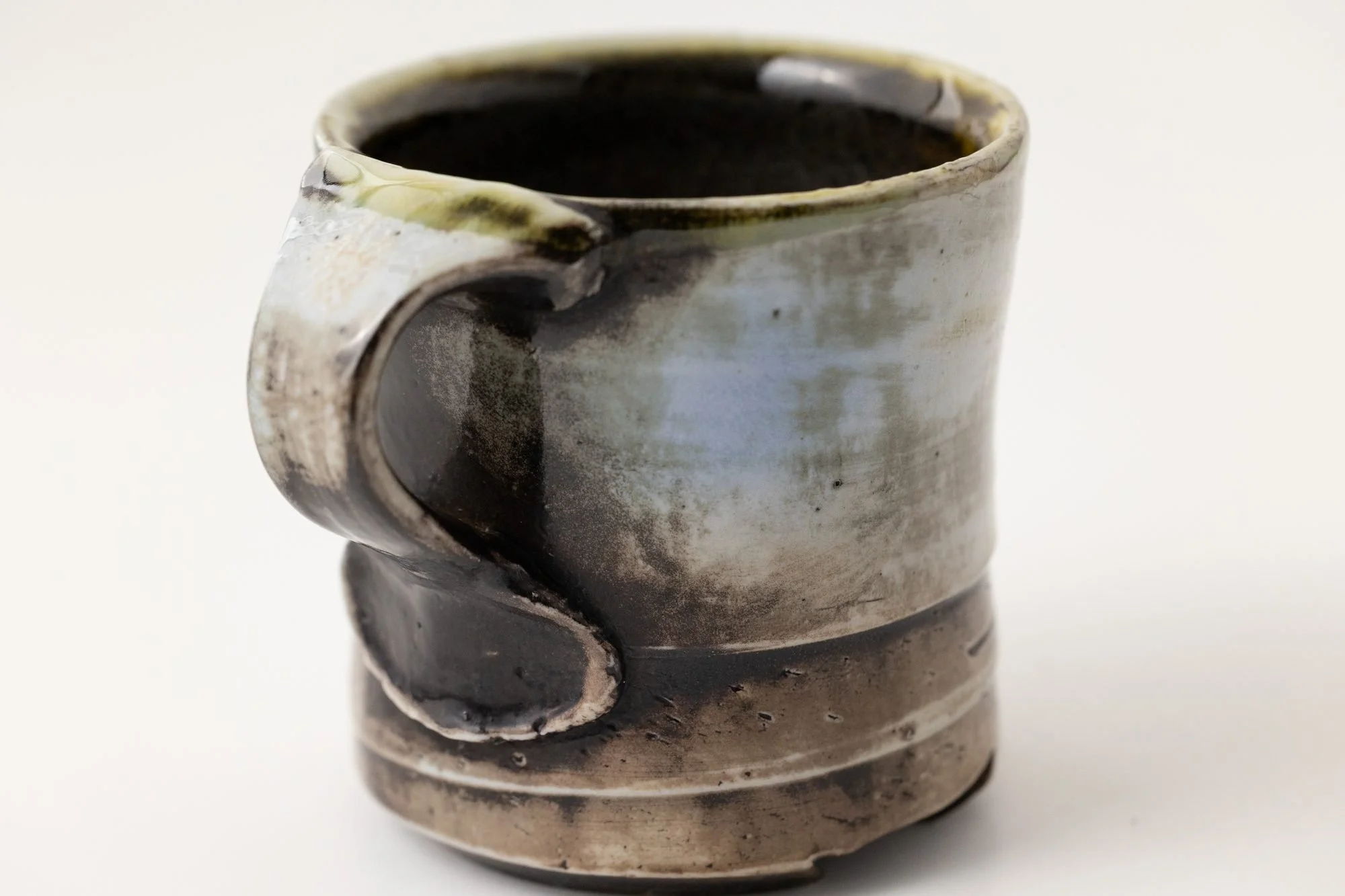
Why Salt Fired Surfaces Age Well
Salt fired surfaces are formed in the kiln, not painted on, which is why they age with use instead of fading.
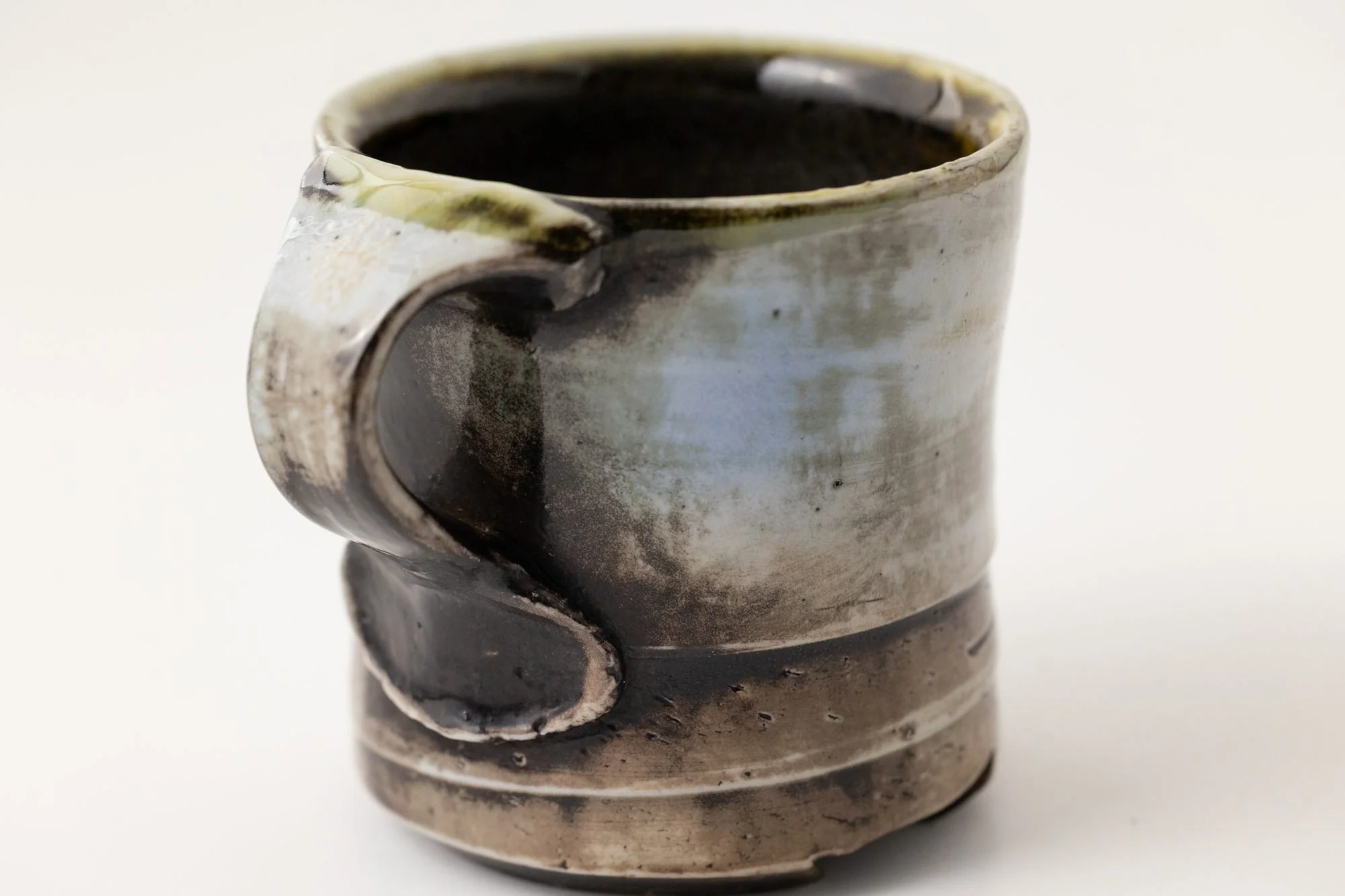
Is Salt Fired Pottery Food Safe?
Yes, salt fired pottery is food safe when it's fired correctly. Here's what happens in the kiln and what makes it safe.
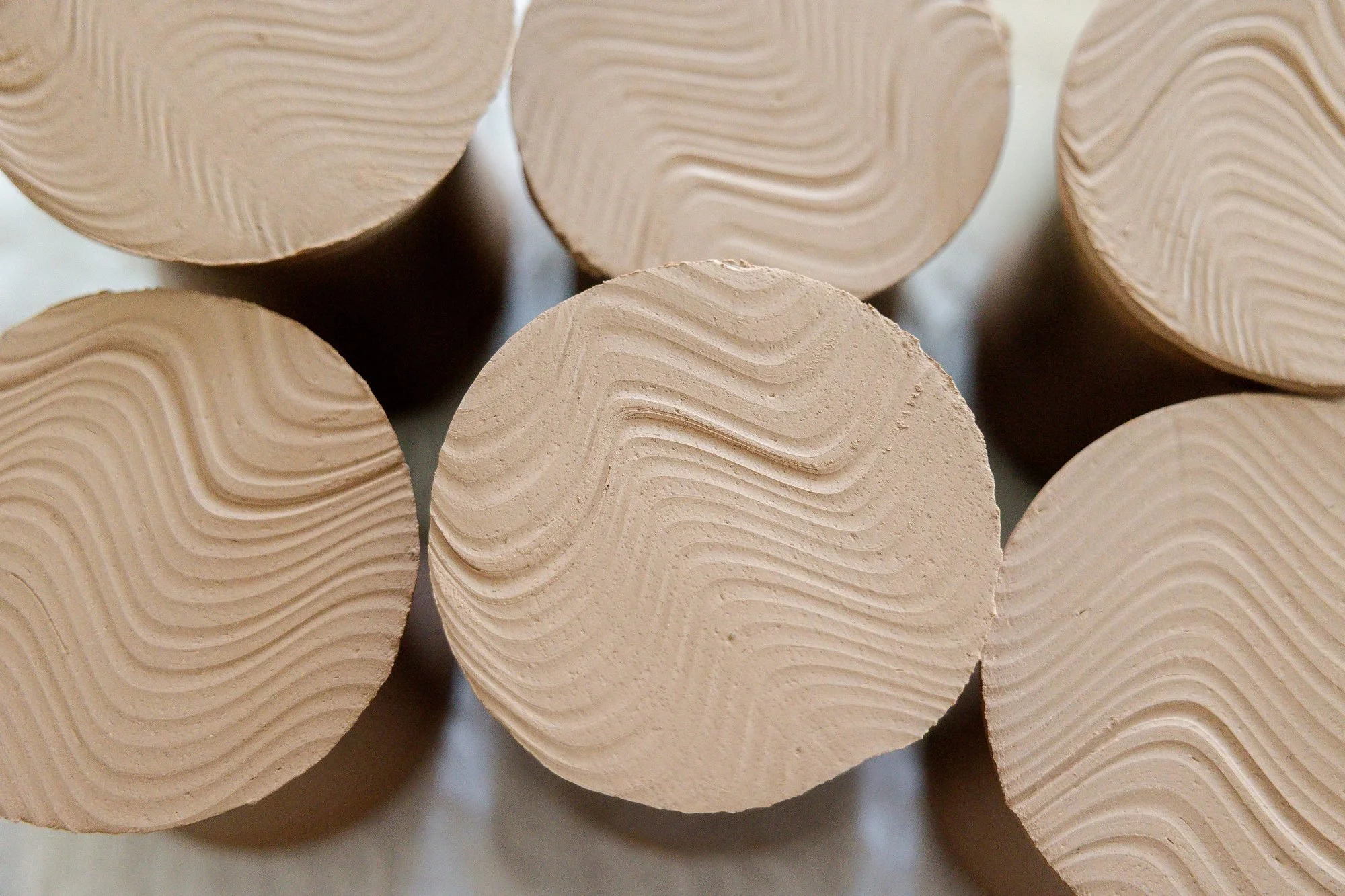
Not Everything Belongs in My Kiln
I don't fire everything I make. Why some pots stop on the ware board, and why salt never fixes a weak form.
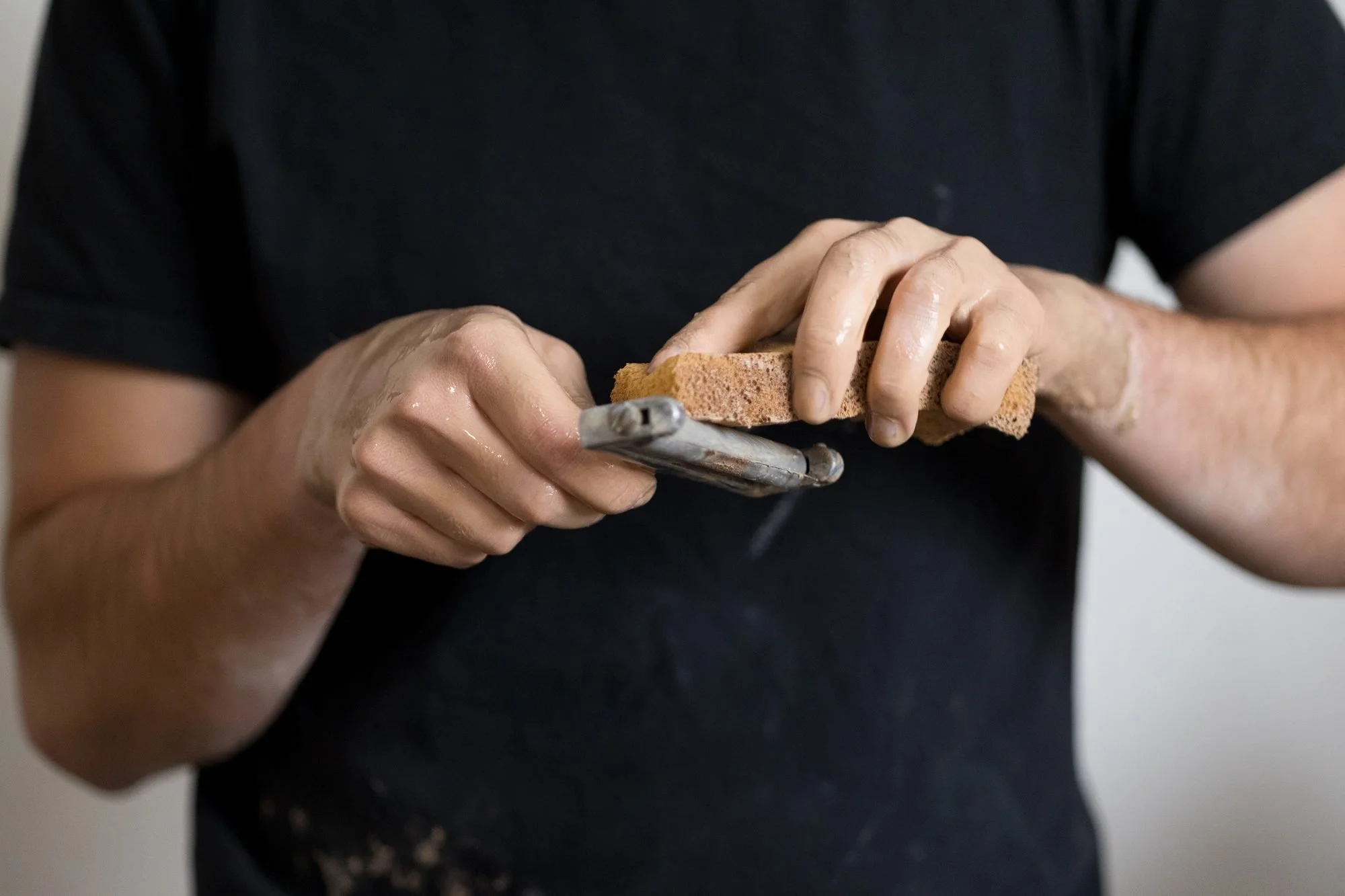
Advice I’d Give My Younger Self in the Studio
The advice I'd give my younger self in the studio: slow down, master the basics, and treat failure as part of the apprenticeship.
The Moment I Knew I Needed My Own Salt Kiln
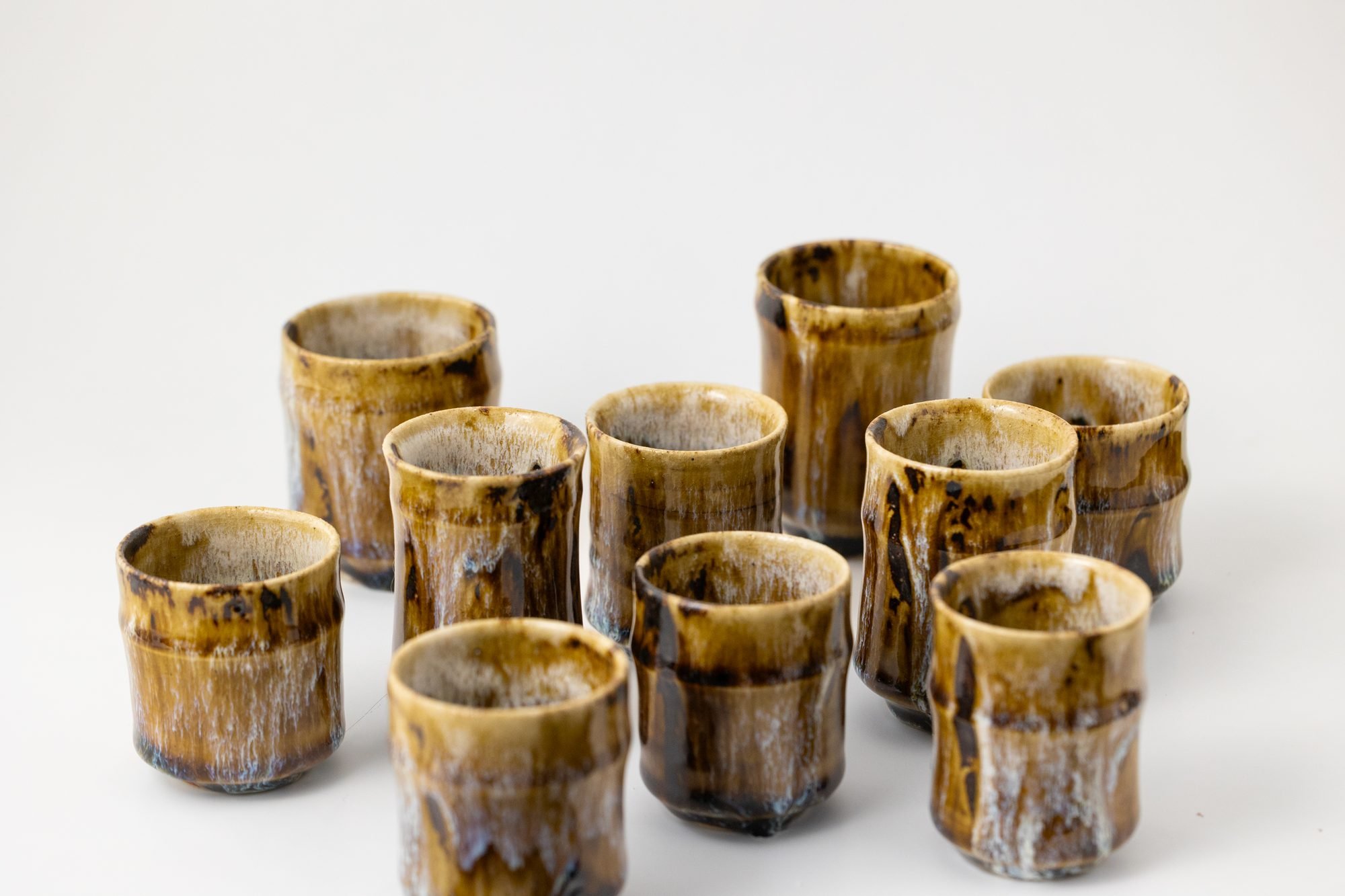
I learned salt firing in borrowed kilns. One mug at one unloading told me I needed my own.

The First Time I Fired a Salt Kiln
Fifty pots, a stalled kiln, canyon wind and fifty pounds of salt: what my first salt firing at Utah State taught me about timing.
What Matters Most Isn’t the Surface
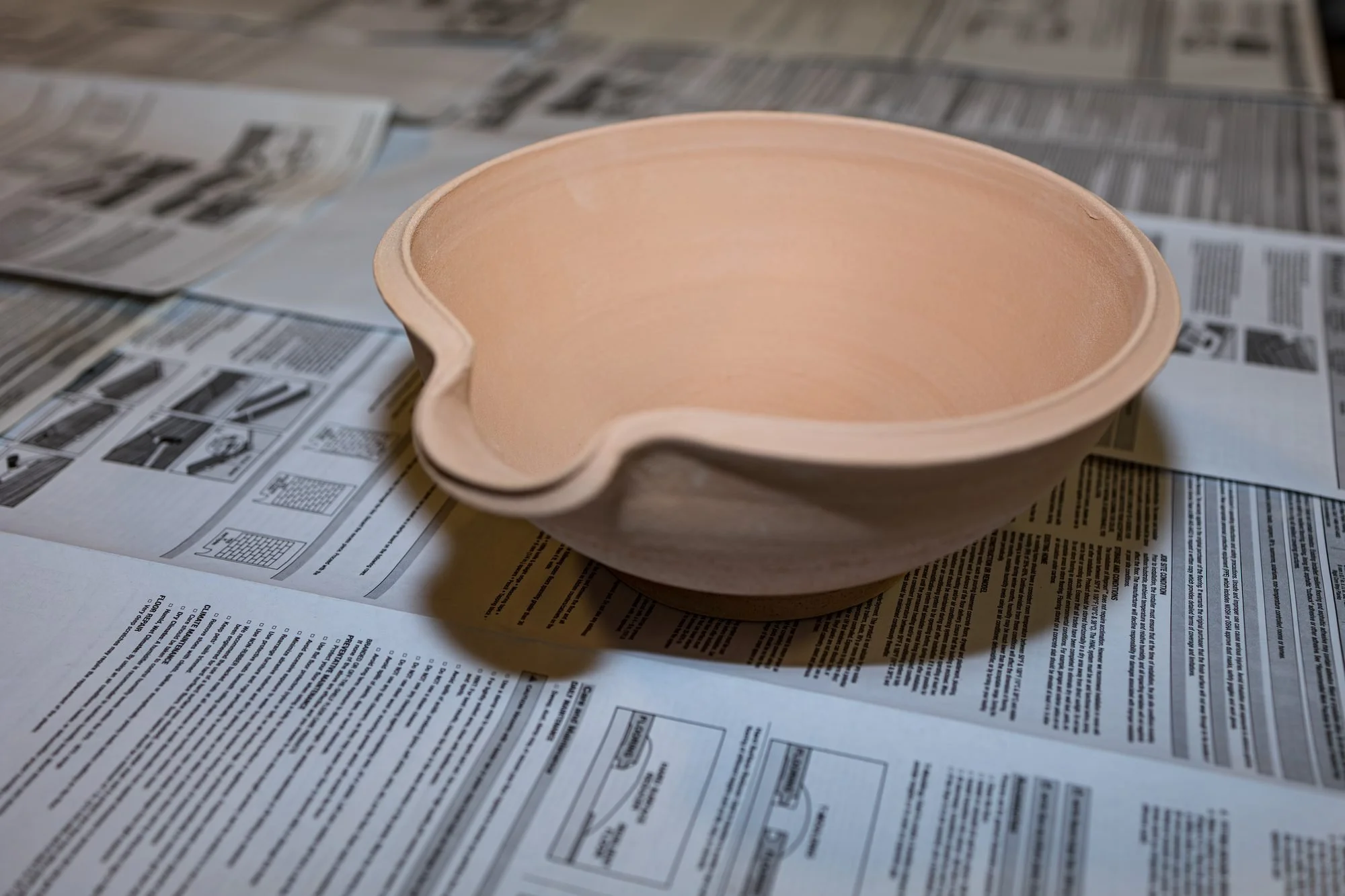
Surface photographs well, but weight, balance and form are what people feel first. Why the glaze can never save a weak pot.
Why Logan, Utah Shapes the Way I Make Pots
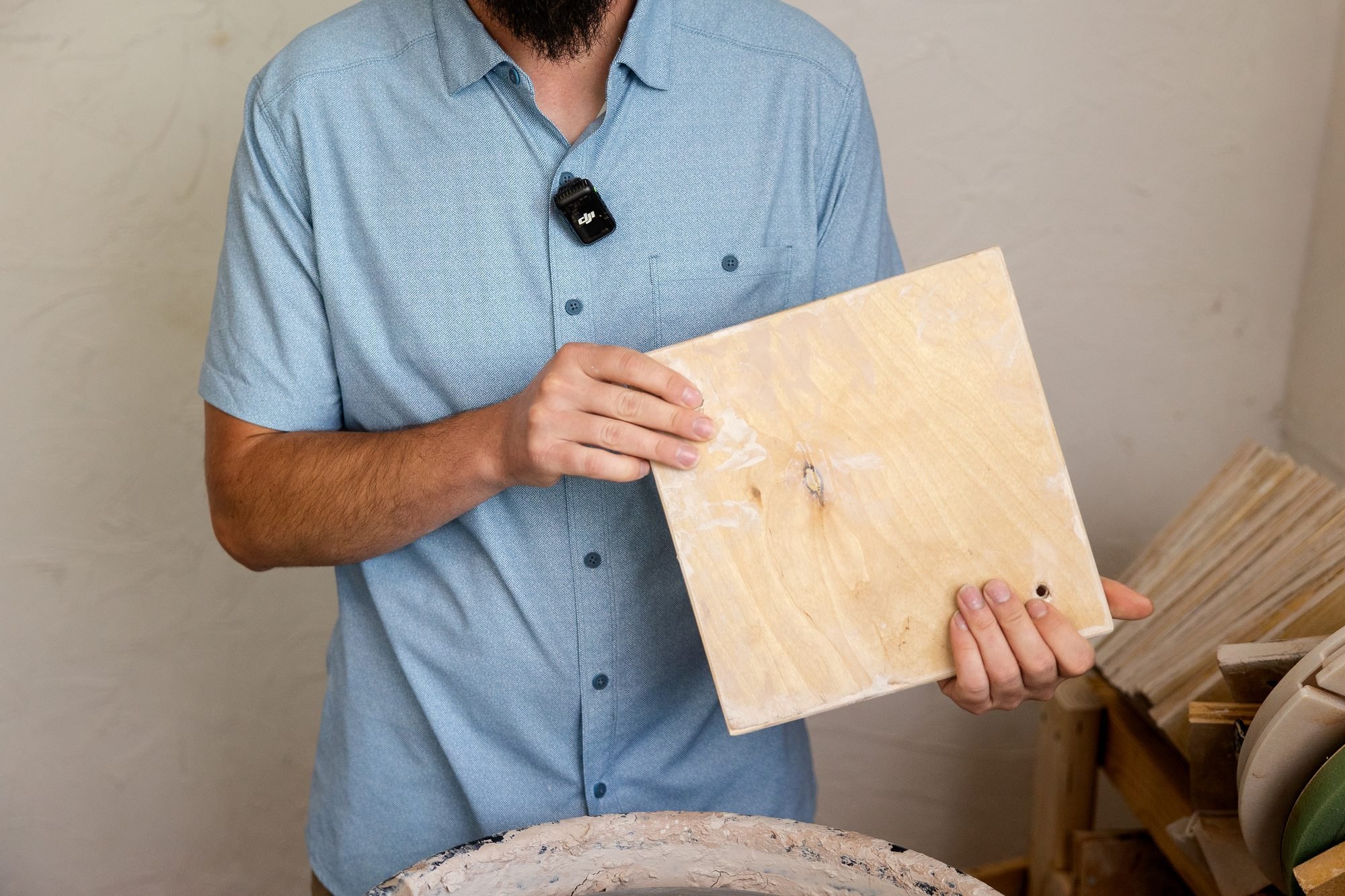
Long winters, dry air and the colors of Cache Valley: how living in Logan, Utah shapes the way I make pots.
Why Handmade Pottery Costs More Than You Think
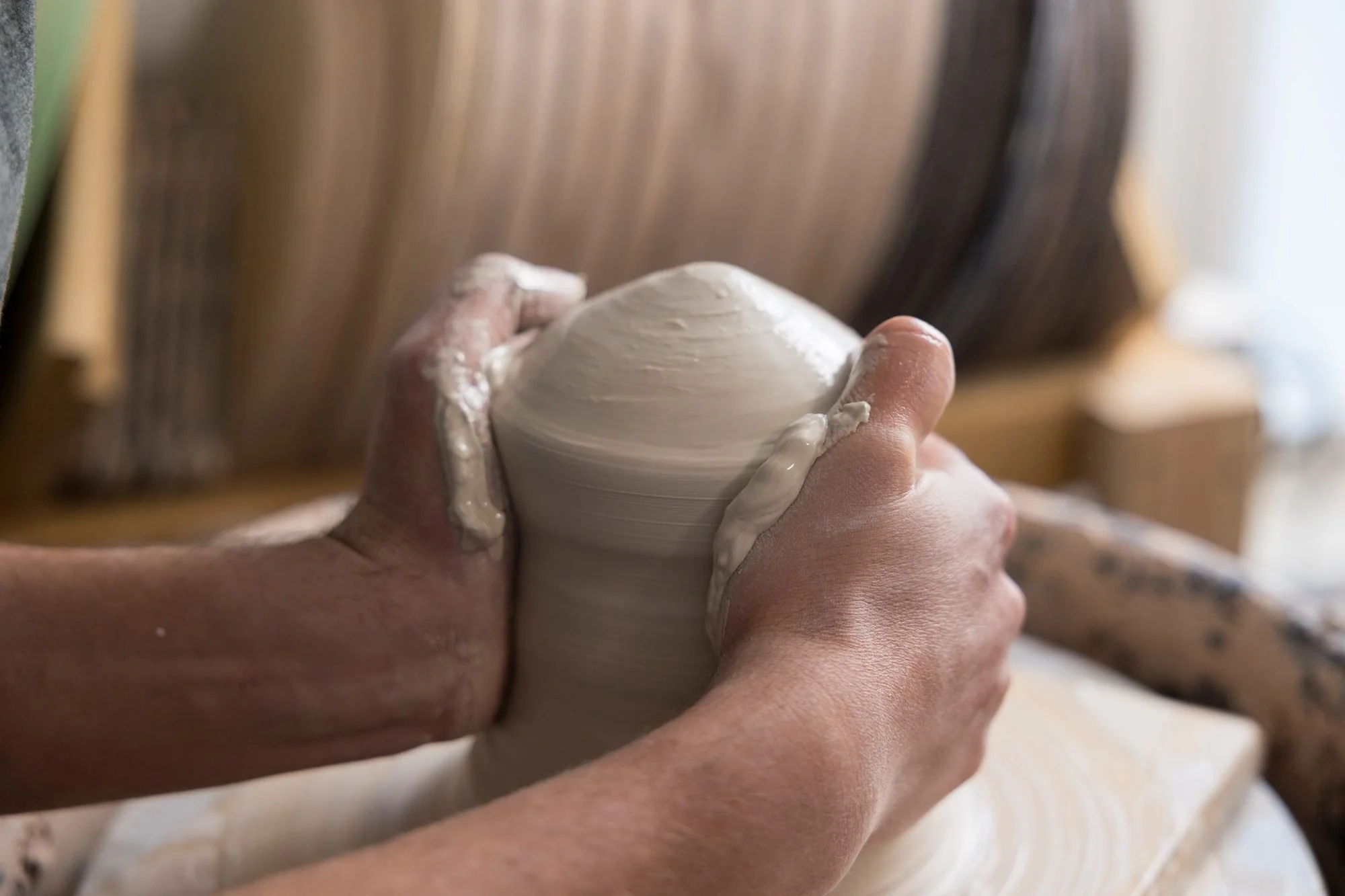
Wedging, throwing, trimming, firing, losses: why handmade pottery costs more than a store-bought mug, from a Logan potter.
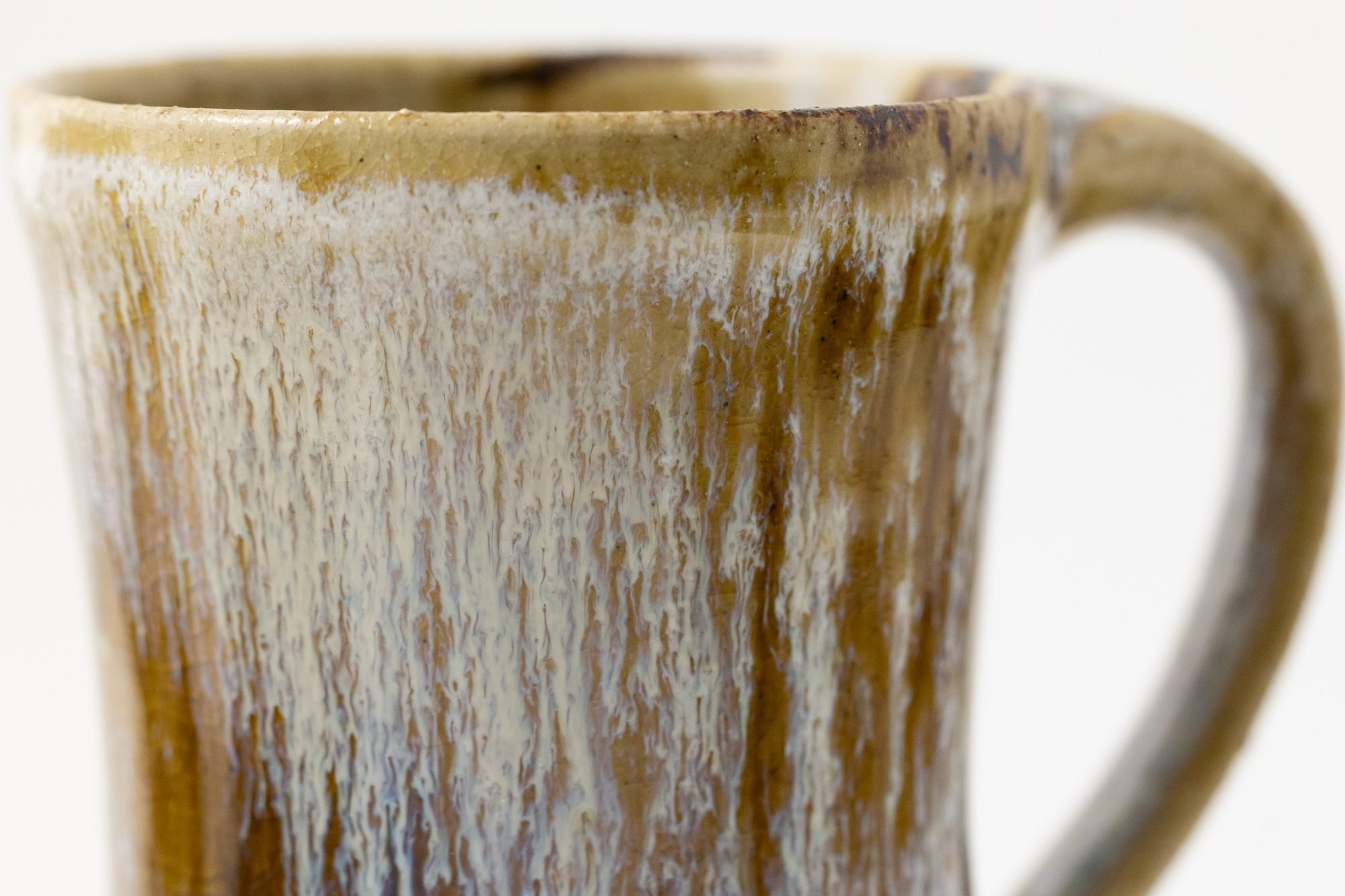
What Makes a Good Mug? (From a Potter’s Perspective)
Weight, rim, handle, surface and foot: what makes a good handmade mug, from a potter who has thrown hundreds of them.
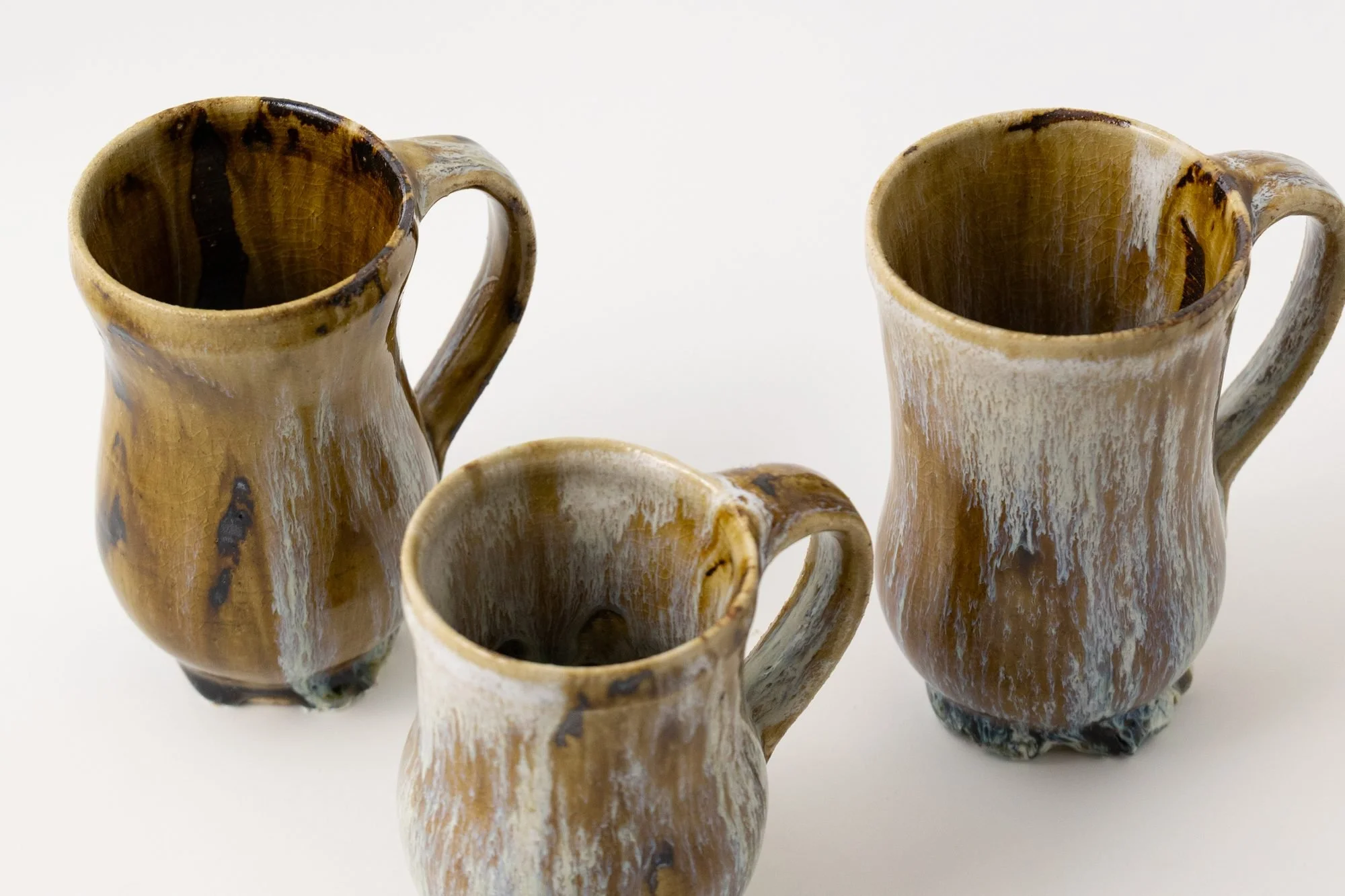
Why I Choose Functional Pottery Over Decorative Work
Why I make cups, bowls, plates and pitchers instead of sculpture, and why function keeps my work honest.
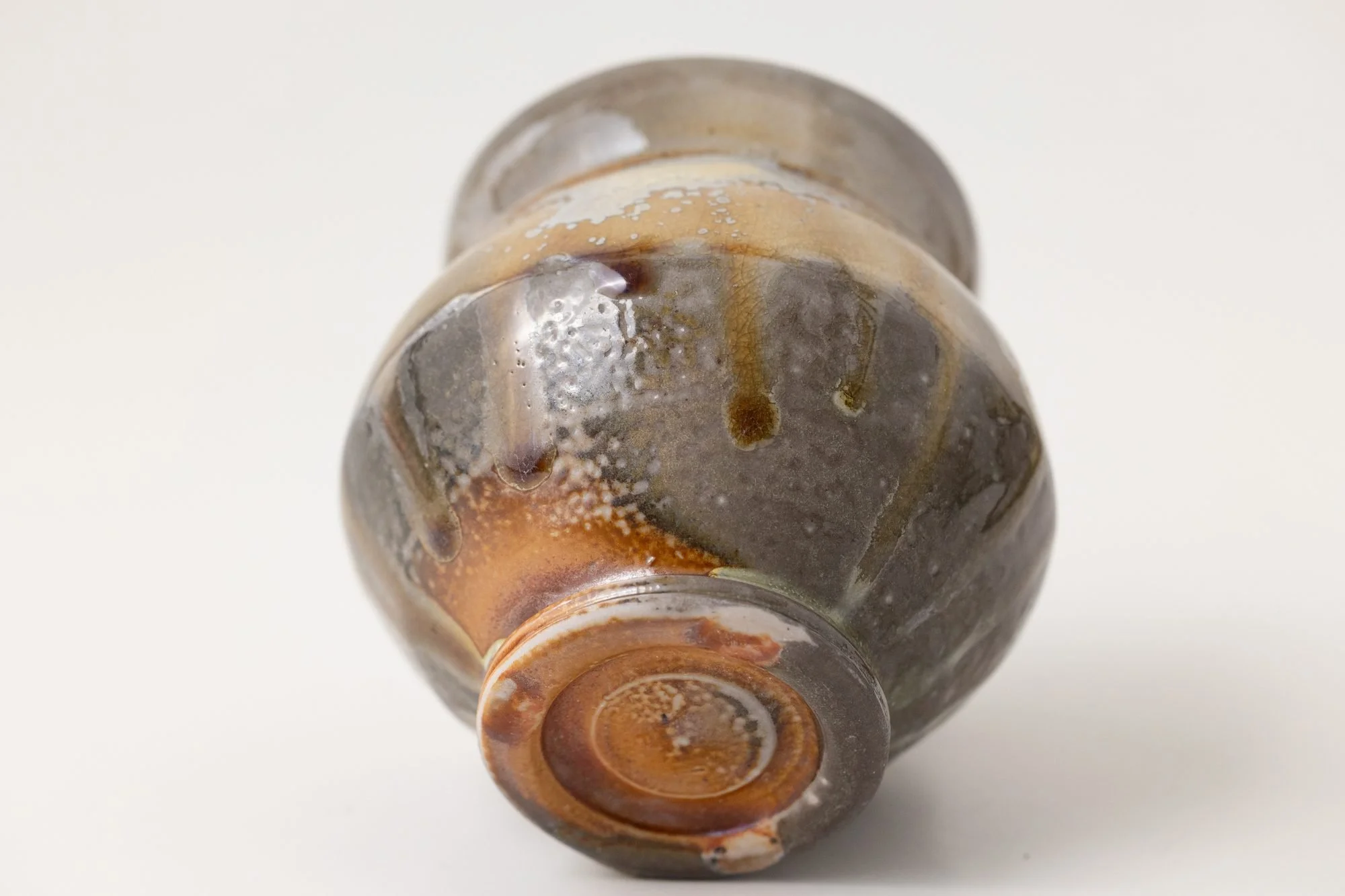
What Is Salt Fired Pottery? Salt Firing Explained
What salt firing is, how the kiln glazes the pot, what the surfaces look like, and whether salt fired pottery is food safe.