Studio Reclaim Without the Chaos
Reclaim starts as thrift and quietly turns into clutter. Here is how I went from buckets and plaster bats everywhere to a system that keeps the wheel moving.
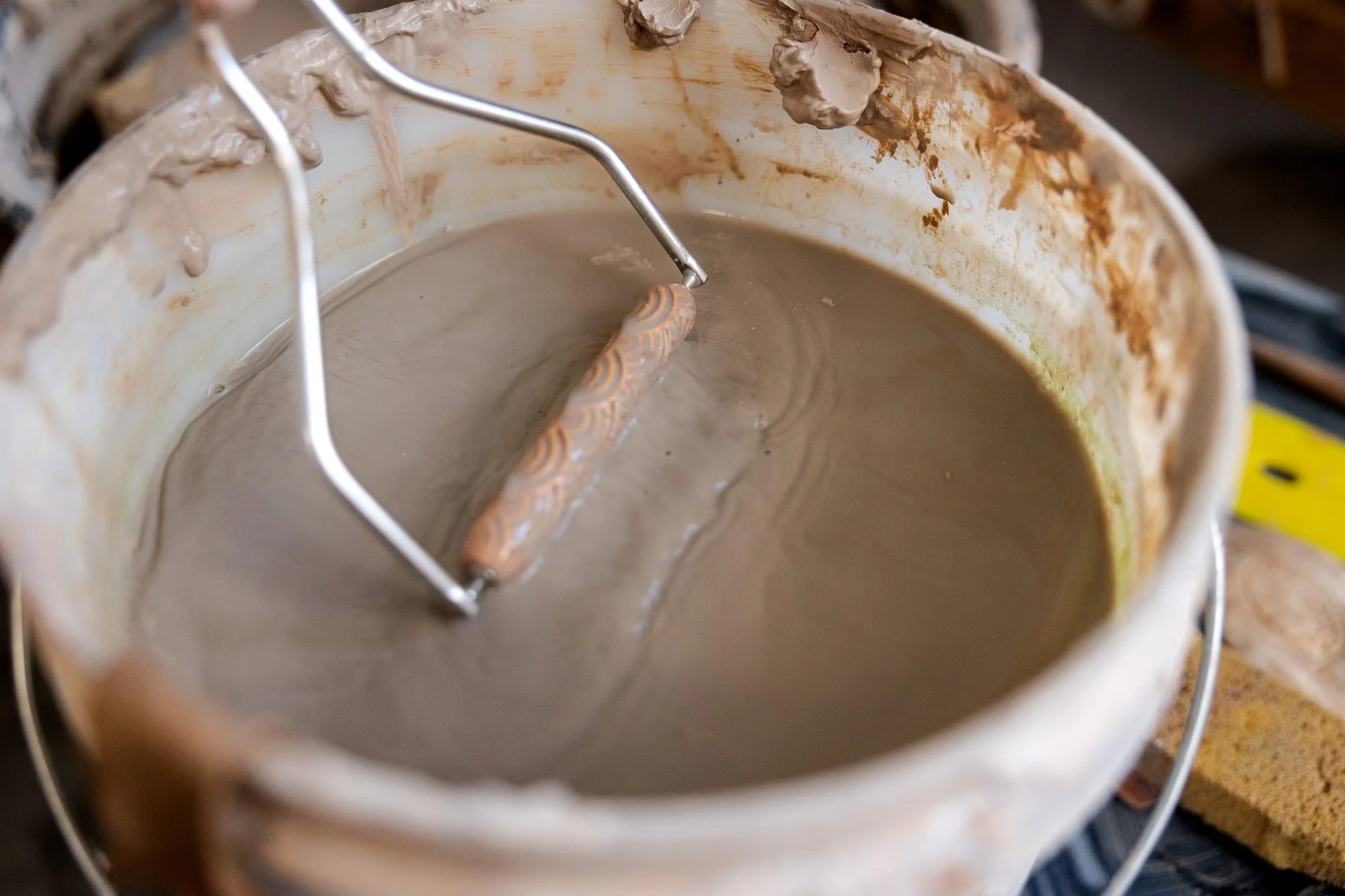
Reclaim should support the work, not slow it down. Batching one clay body at a time, letting reclaim firm up a little past ideal, and eventually adding a pug mill turned reclaim from a second production line into a predictable part of my week.
- Reclaim one clay body at a time, in larger batches, with no mixing
- Aim for consistent moisture, not perfect softness, on the plaster
- If contaminated clay costs more time to fix than it is worth, let it go
How reclaim takes over
Buckets of slurry. Half dry scraps on plaster. Different clay bodies mixing without anyone meaning them to. Hours spent wedging instead of throwing. It starts as thrift and turns into clutter. I have been there.
Doing it all by hand
Early on, I did everything by hand. Scraps went into a reclaim bucket. When it filled up, I slaked it down, poured it onto plaster bats, waited for it to stiffen, cut it into slabs, wedged it thoroughly, then tested the moisture. If it was too wet, it sat longer. Too dry, I misted it and wedged again.
It worked. But it was slow. When you are making functional ware consistently, mugs and bowls and repeat forms, reclaim cannot become a second production line. If reclaim takes more time than fresh clay is worth, you are not saving anything.
The first shift: batching
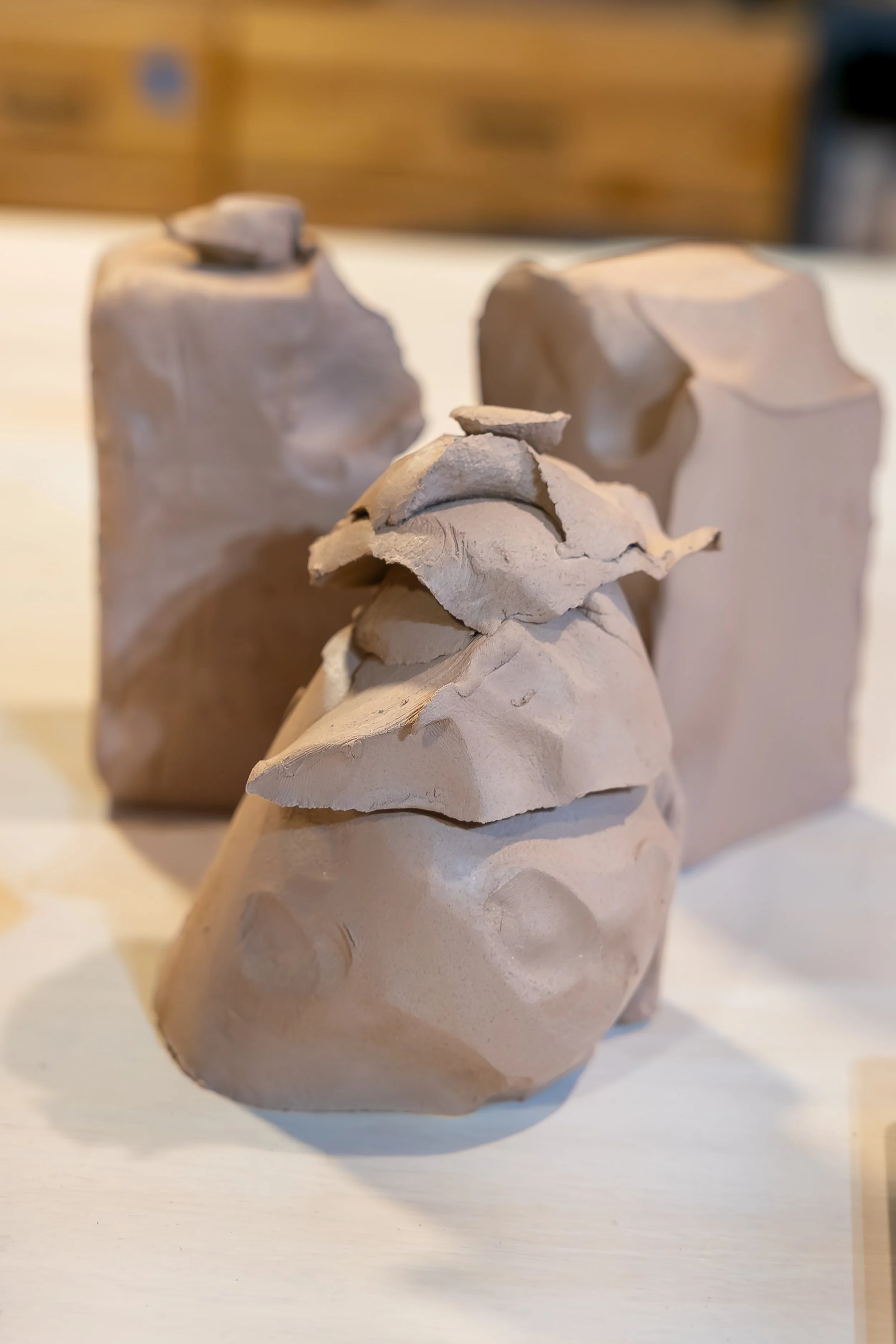
Instead of constantly managing small amounts of scrap, I started reclaiming in larger cycles. One clay body at a time. One batch at a time. No mixing, and no guessing what is in the bucket. That alone reduced confusion and improved consistency.
Then moisture control
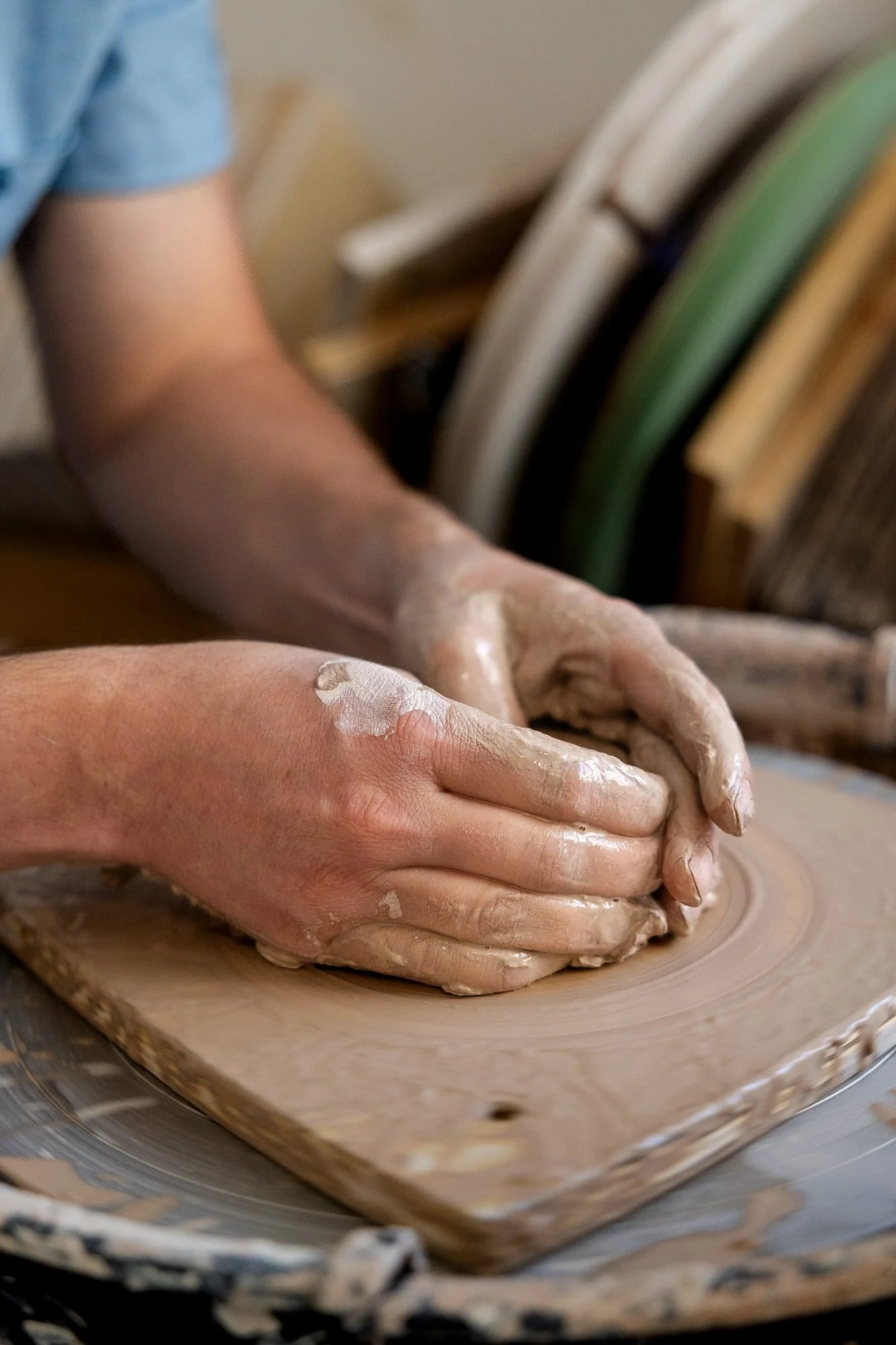
I stopped trying to hit perfect throwing consistency on the plaster table. Instead, I let the clay firm up slightly past ideal softness, knowing I could adjust it during wedging. Consistency matters more than softness.
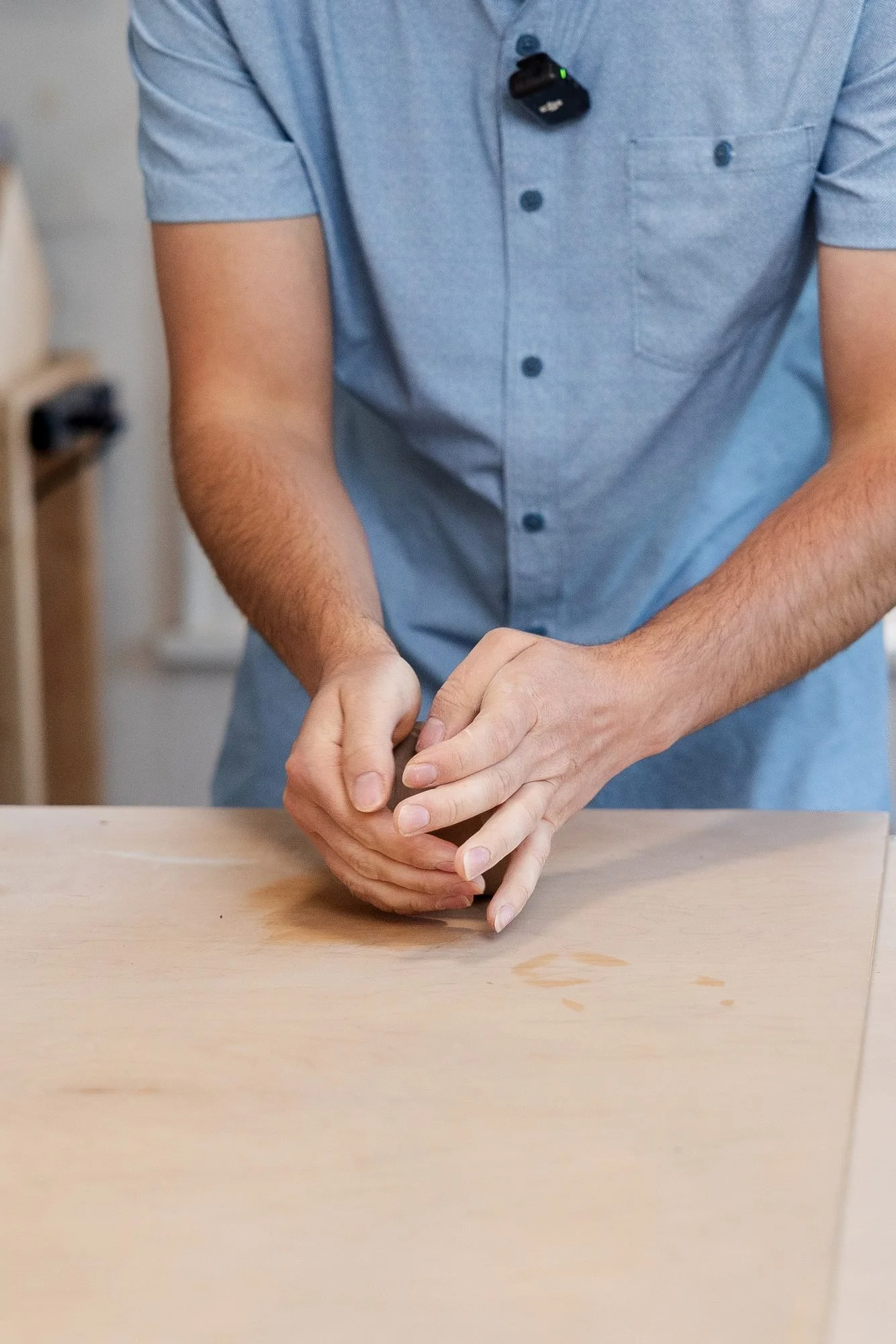
But even with batching, hand reclaim is heavy work. Wedging reclaimed clay thoroughly, especially at production scale, takes time and energy. Air pockets hide in unevenly dried sections, and moisture differences show up at the wheel.
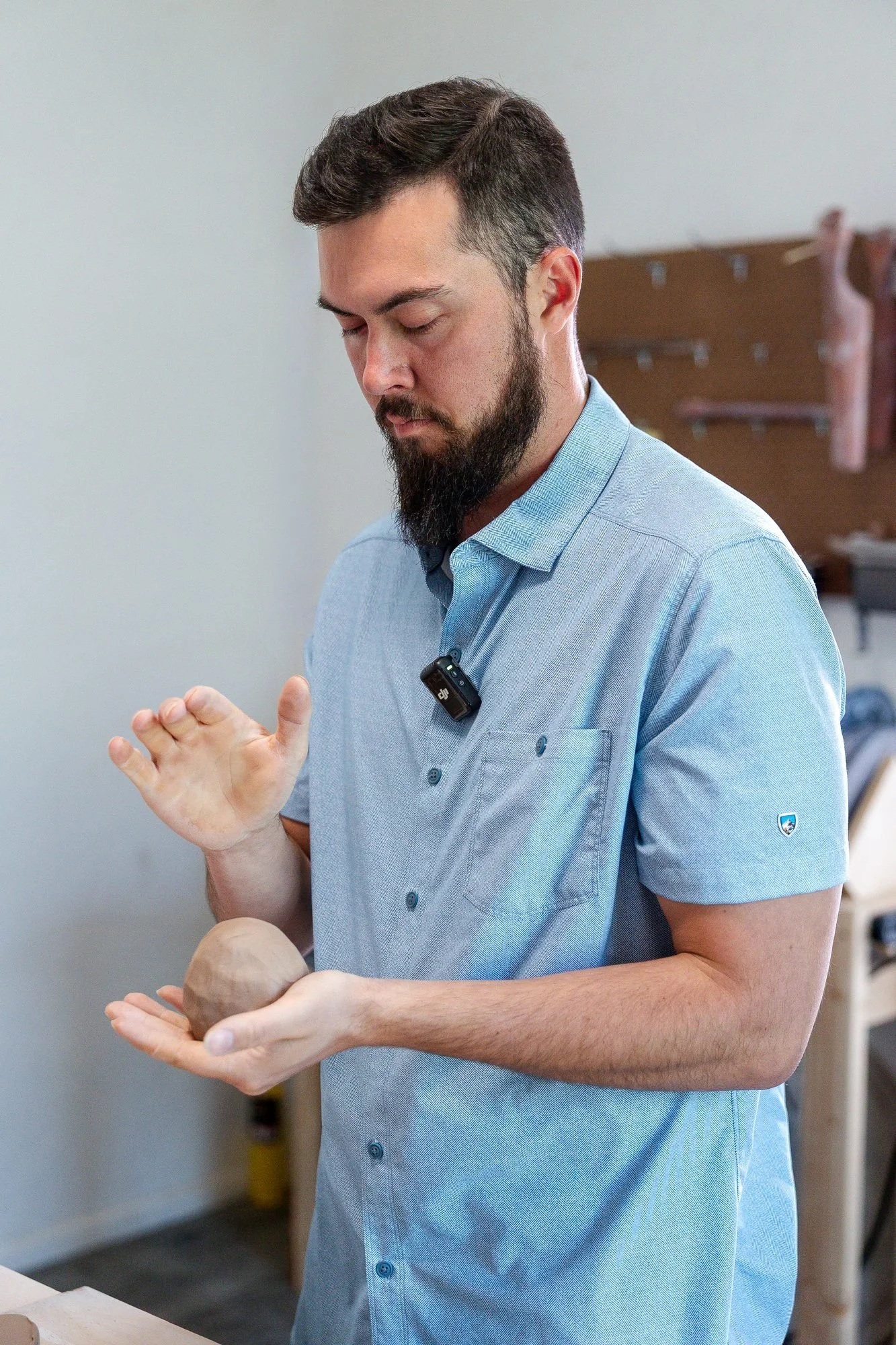
Then the pug mill
Eventually, I bought a pug mill, and it changed the workflow immediately. Instead of several plaster cycles and long wedging sessions, I now run reclaim through the pug mill in controlled batches. It blends moisture evenly, compresses the clay and removes air. What used to take hours of physical labor now takes a fraction of the time.
More importantly, it makes reclaim predictable. Predictable clay throws better, trims cleaner and cracks less because the moisture is consistent all the way through.
The pug mill did not remove the need for discipline. It reinforced it. I still separate clay bodies carefully. I still keep trimming scraps from different batches out of my throwing clay. I still throw out reclaim if it becomes too compromised or inconsistent. And if a small amount of badly contaminated clay will cost more time to fix than it is worth, I let it go. Time and studio energy matter too.
Label every reclaim bucket with the clay body and the date you started it, on the bucket itself and not the lid. Lids get swapped. Buckets do not.
A clean reclaim system keeps the floor clear, keeps the wheel moving and keeps production steady without feeling frantic. Studio order is not about looks. It is about rhythm, and reclaim is part of that rhythm without being allowed to run it.
