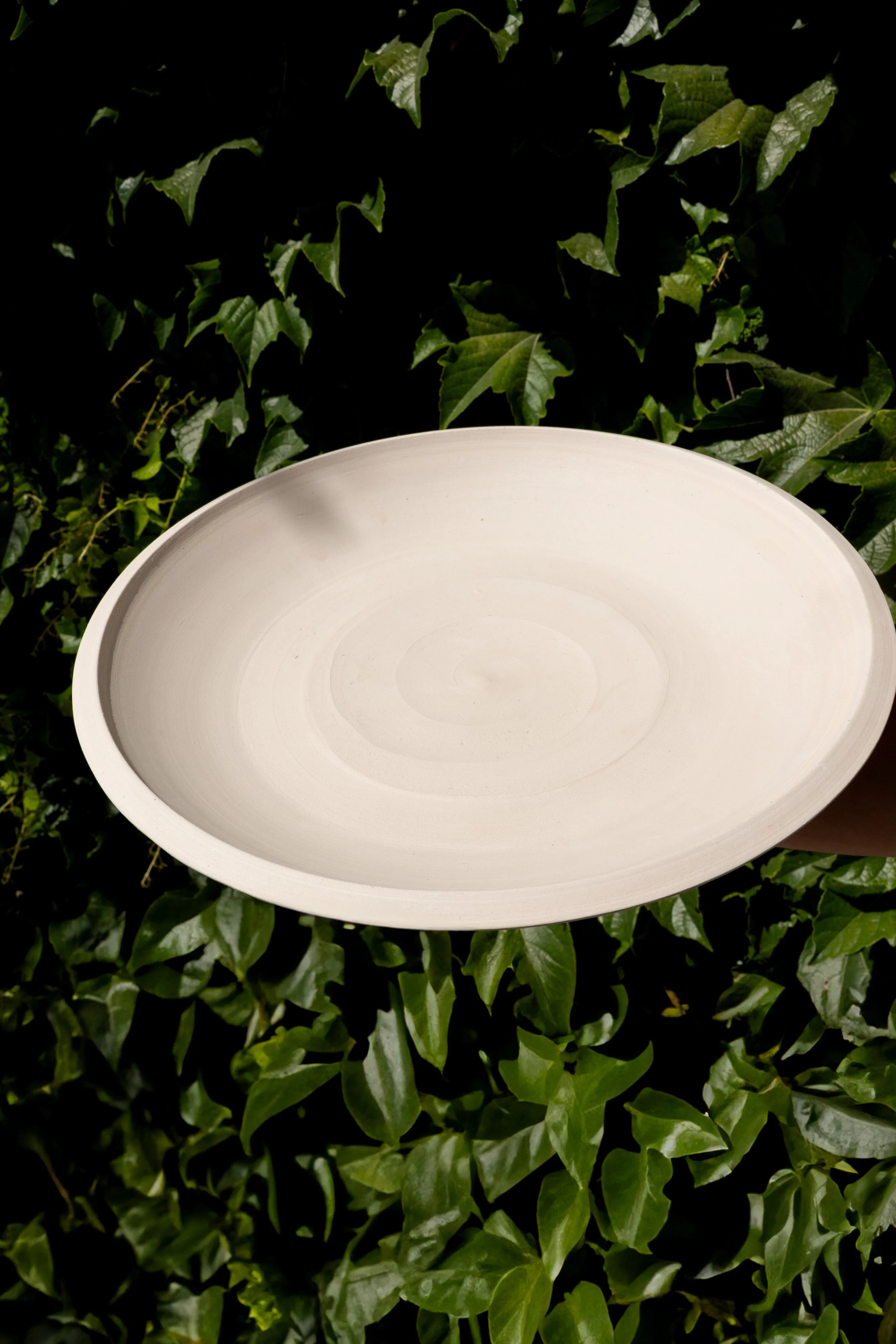
Why Handmade Isn’t Cheap
Handmade pottery costs more because of time, testing, high-fire kiln cycles, and editing. Adam Corbridge explains what you’re actually paying for in functional ceramics.
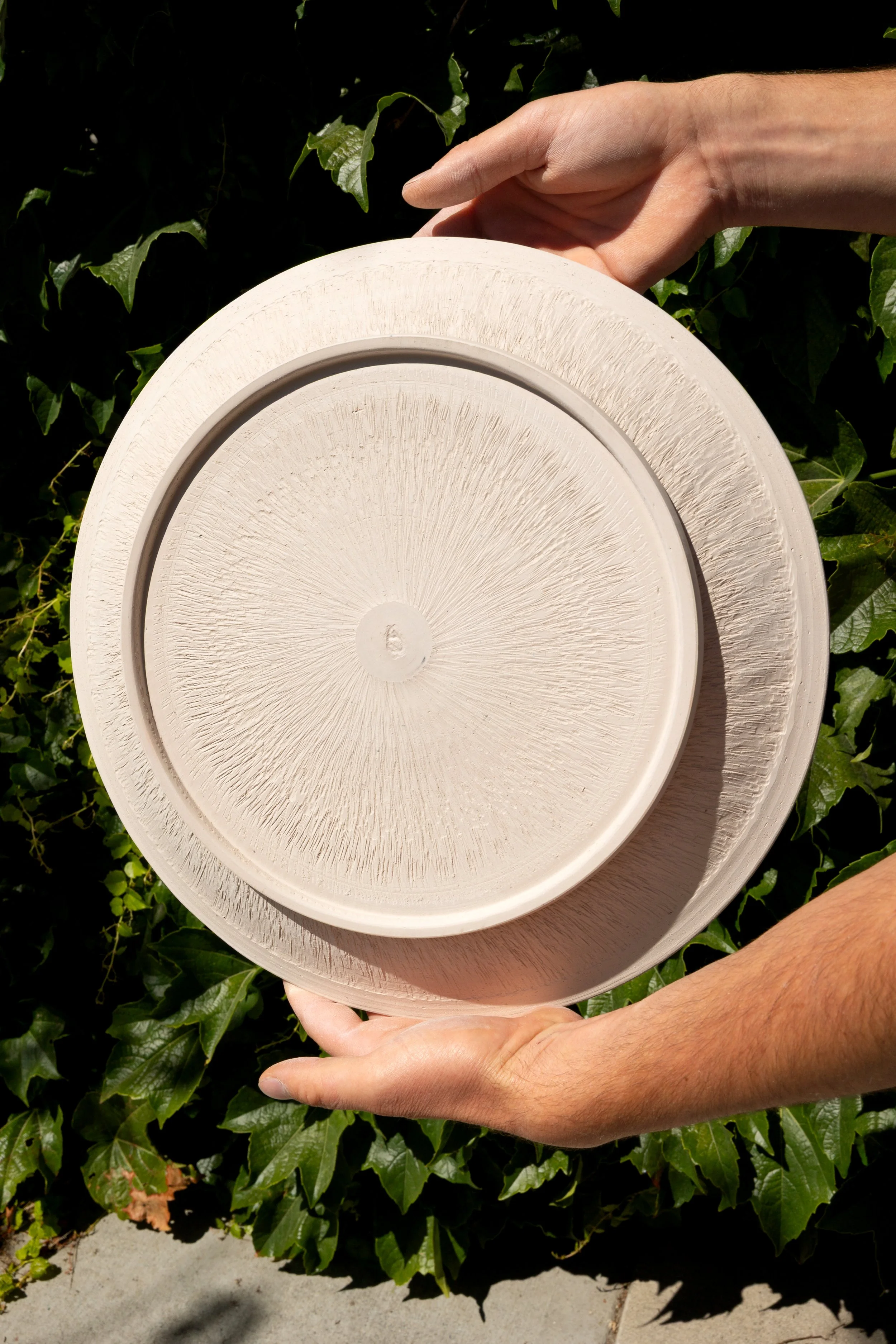
Can Handmade Pottery Go in the Microwave and Dishwasher?
Can handmade pottery go in the microwave and dishwasher? When properly fired to cone 10 and glaze-tested, yes. Adam Corbridge explains what makes functional pottery safe for daily use.
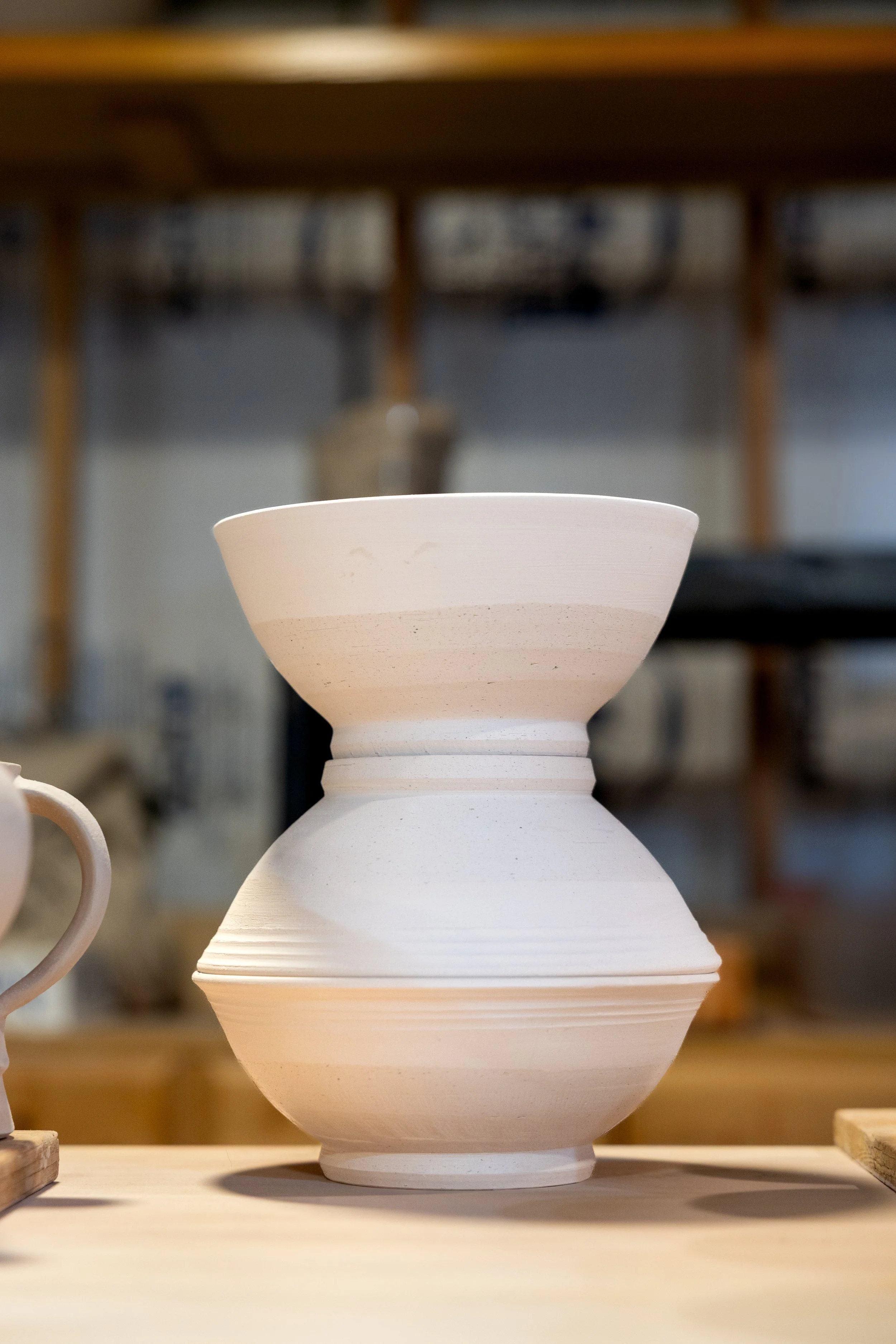
Is Handmade Pottery Durable?
Is handmade pottery durable? When properly fired and well-crafted, high-fire pottery can last decades. Adam Corbridge explains what actually determines durability.
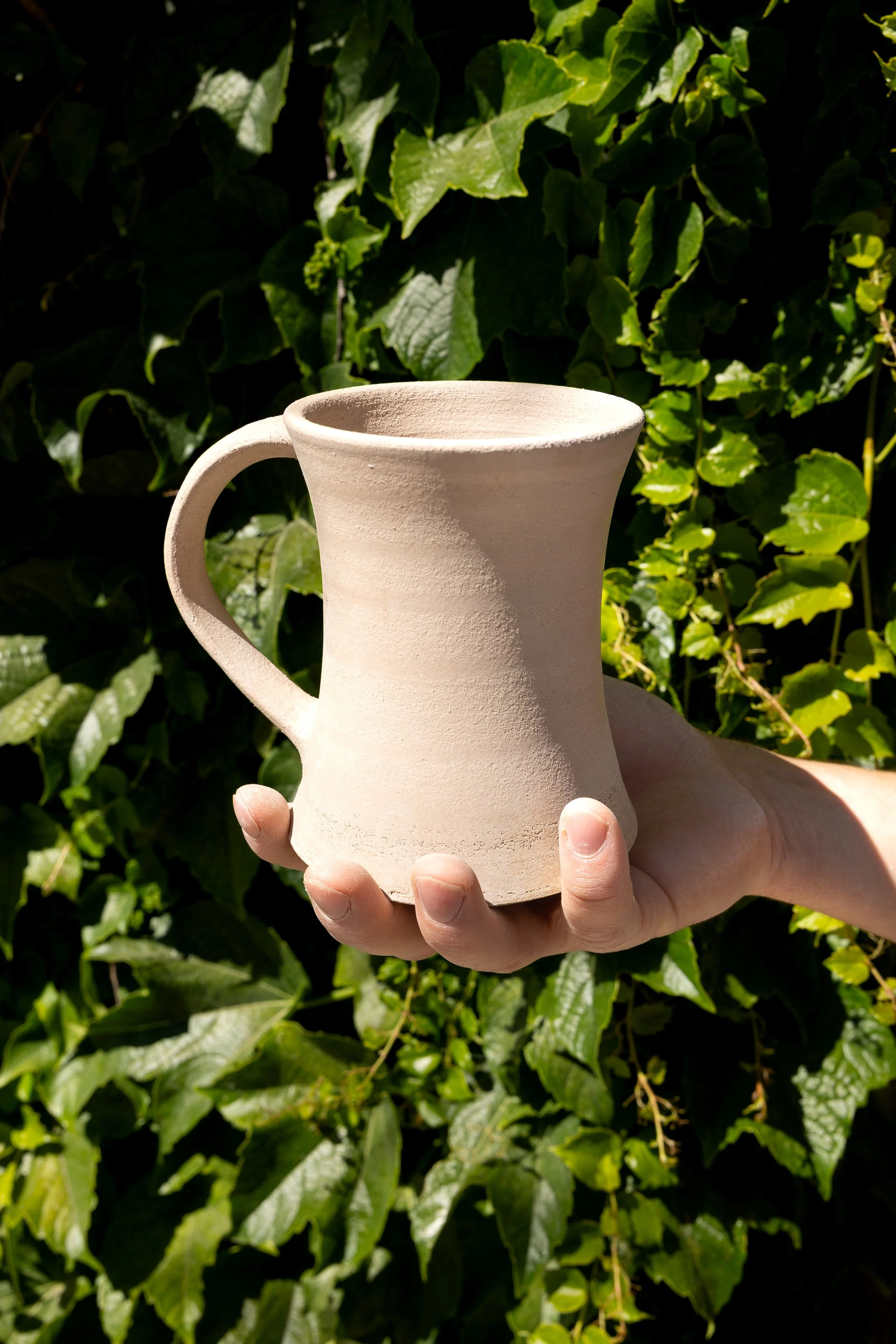
How to Tell If a Mug Is Actually Well Made
A good mug reveals its quality in use, not on a shelf. Adam Corbridge explains how to evaluate rim thickness, balance, handle comfort, glaze fit, and firing maturity in functional pottery.
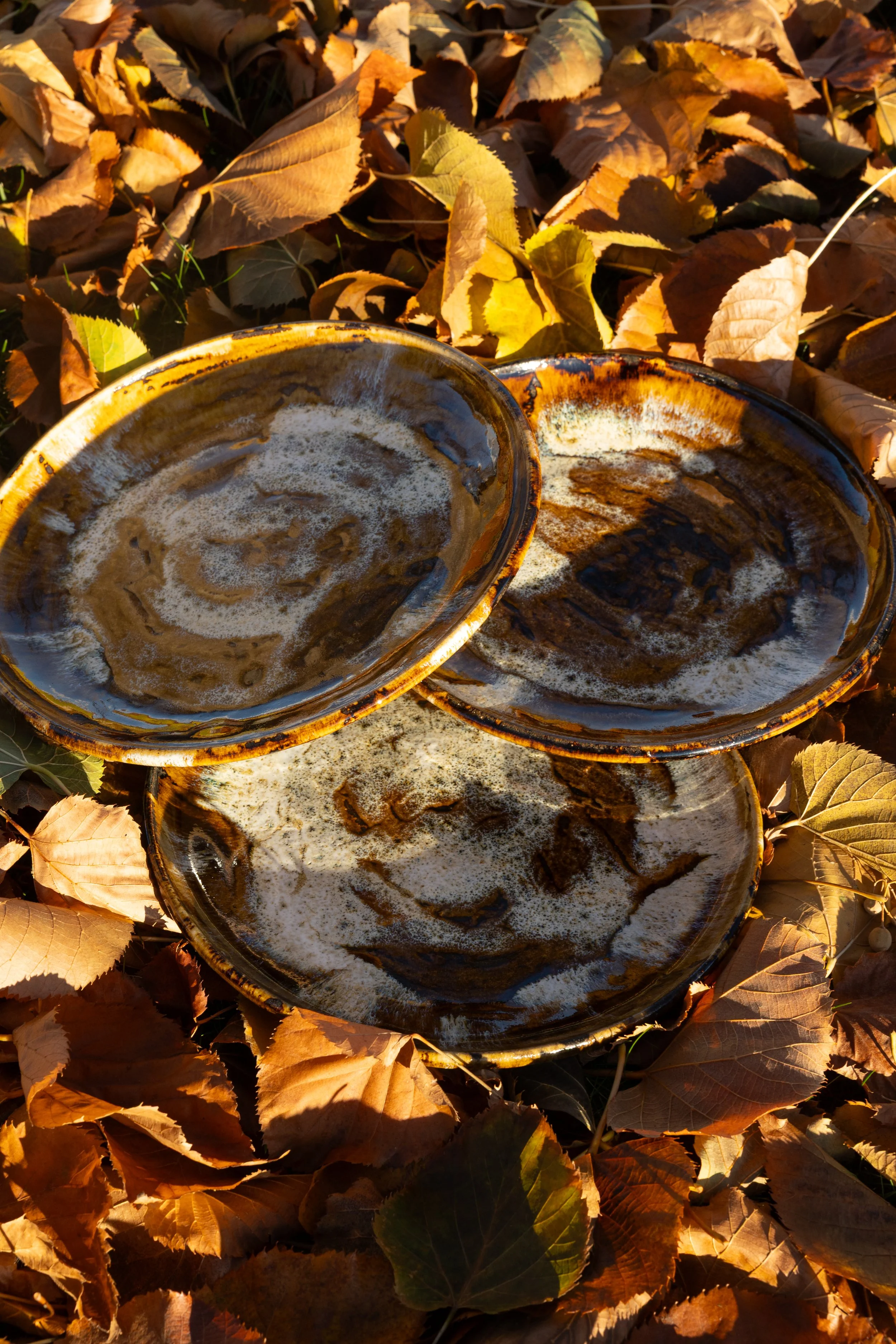
What Changes Between Throwing and Trimming
Throwing shapes the pot, but trimming decides whether it works. Adam Corbridge explains what changes between throwing and trimming — and why weight distribution and balance matter in functional pottery.
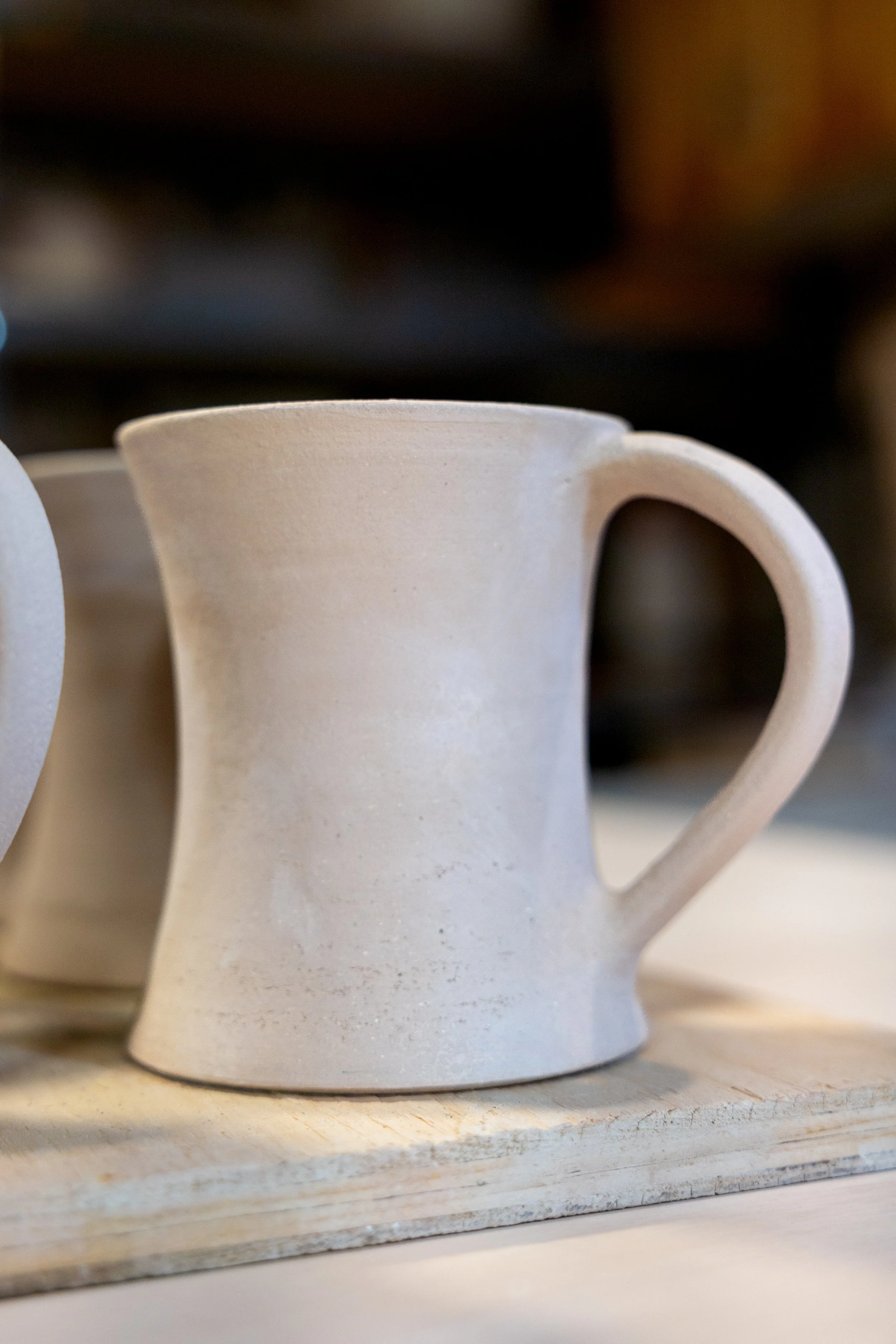
Why You Always Grab the Same Mug
The mug you always grab isn’t the flashiest — it’s the one that feels right. Adam Corbridge explains how balance, rim shape, and durability create pottery meant for daily use.
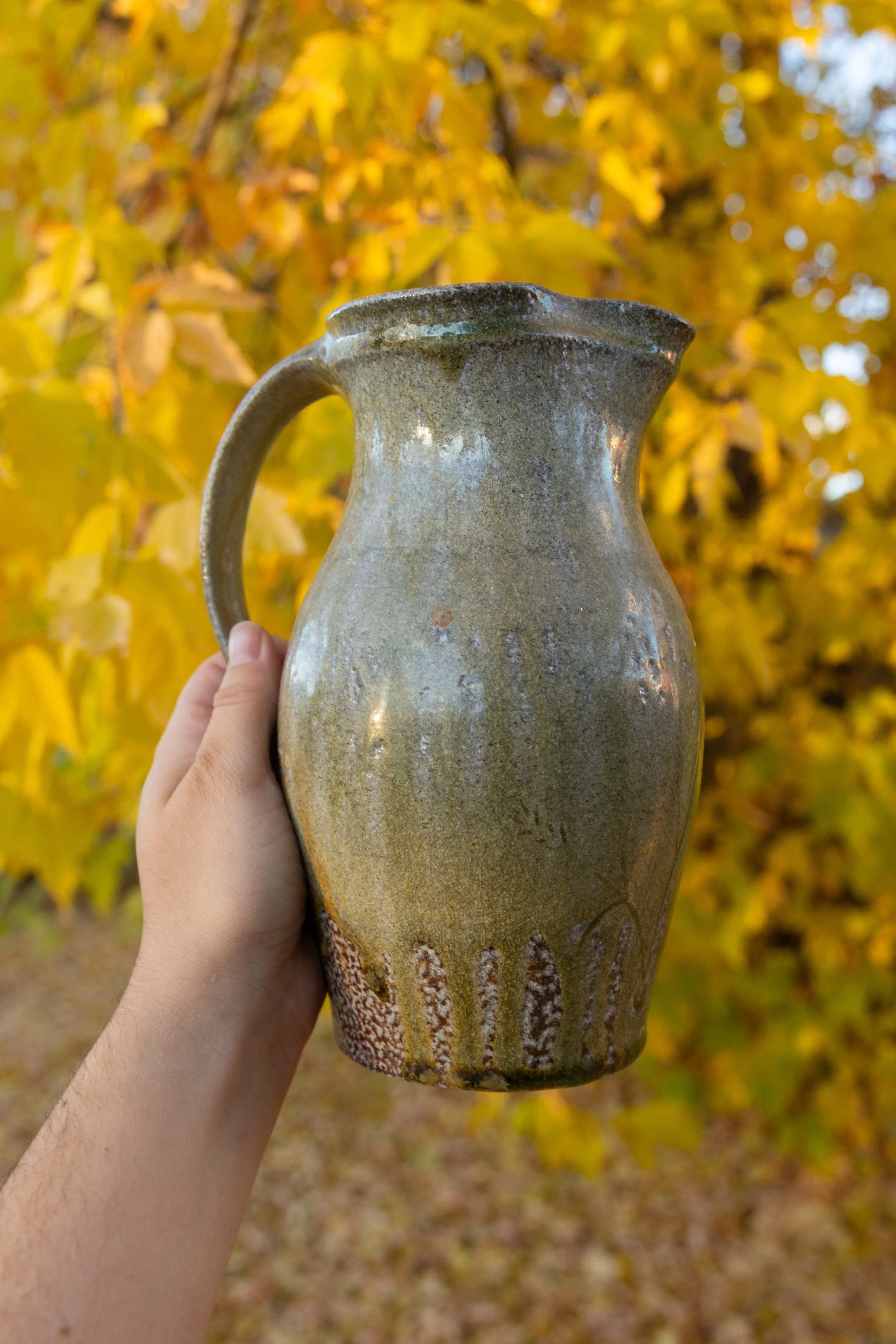
Not Everything Belongs in My Kiln
Not every pot deserves to be finished. In this post, Adam Corbridge explains why discipline, restraint, and editing matter more than surface in high fire functional pottery.
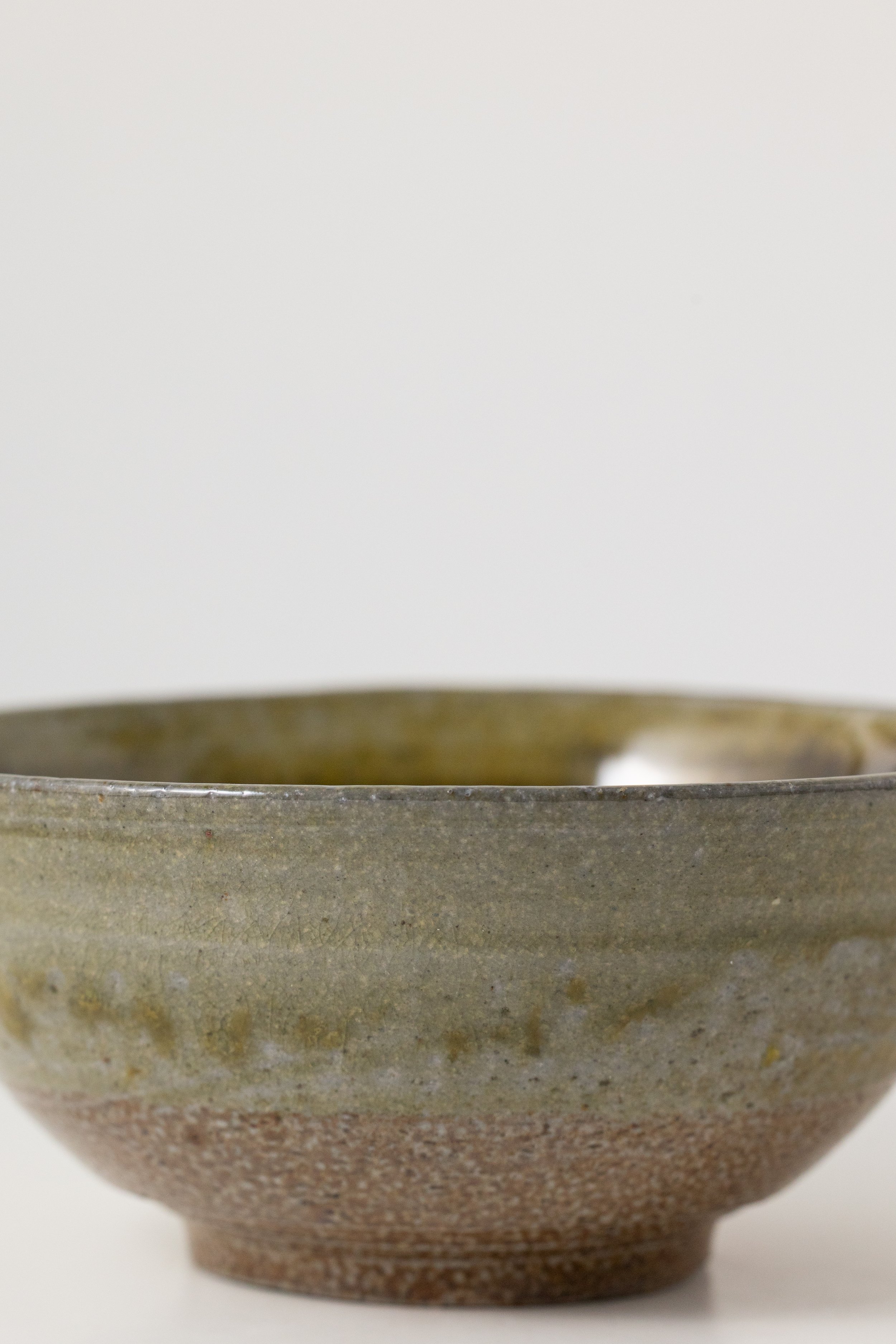
Surface Gets the Credit. The Rim Does the Work.
Glaze gets the attention, but the rim determines how a mug actually feels in daily use. In this post, I explain why rim thickness matters more than surface in functional, high fire pottery.