Can Handmade Pottery Go in the Microwave and Dishwasher?
Short answer: yes, in most cases. The longer answer comes down to two things that happen in the kiln, and they are worth knowing before you buy.
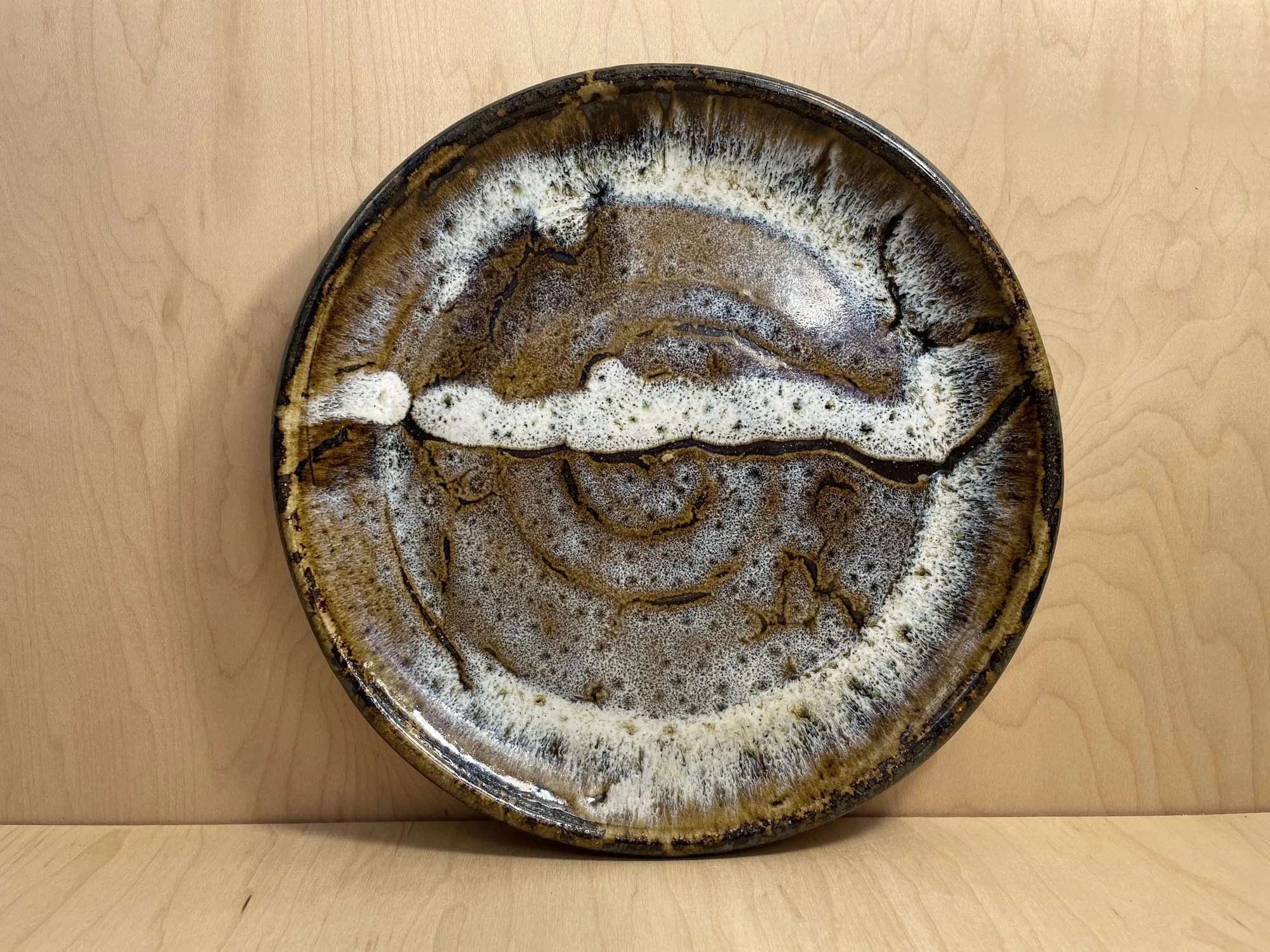
Well made, properly fired handmade pottery can go in the microwave and the dishwasher. What decides it is not the fact that a person made it, but whether the clay has vitrified and whether the glaze fits the clay.
- Underfired, porous clay can soak up water and get hot in the microwave
- Poorly fitted glaze can craze in the dishwasher and hold stains over time
- My functional work is fired to full cone 10 maturity and glaze tested before it is sold
Handmade does not mean fragile
People often handle a handmade mug as if it might break from being looked at. I understand the instinct, but it is not how good functional pottery works. Handmade pottery is not automatically delicate. Whether a piece can live in your microwave and your dishwasher comes down to two things: vitrification and glaze fit.
The microwave: it is about water in the clay
A microwave heats water molecules. If a clay body is underfired, it stays porous, and over time it can absorb moisture from washing and use. Put that piece in the microwave and the water trapped inside the clay heats up along with your food. The result is a mug or bowl that comes out hot, sometimes hotter than whatever is inside it.
Properly fired high fire pottery does not have that problem. At cone 10 the clay body vitrifies: the particles fuse tightly together and the body becomes dense and only minimally absorbent. There is very little room left inside it for water. When that is done correctly, the piece will not overheat from moisture it has soaked up.
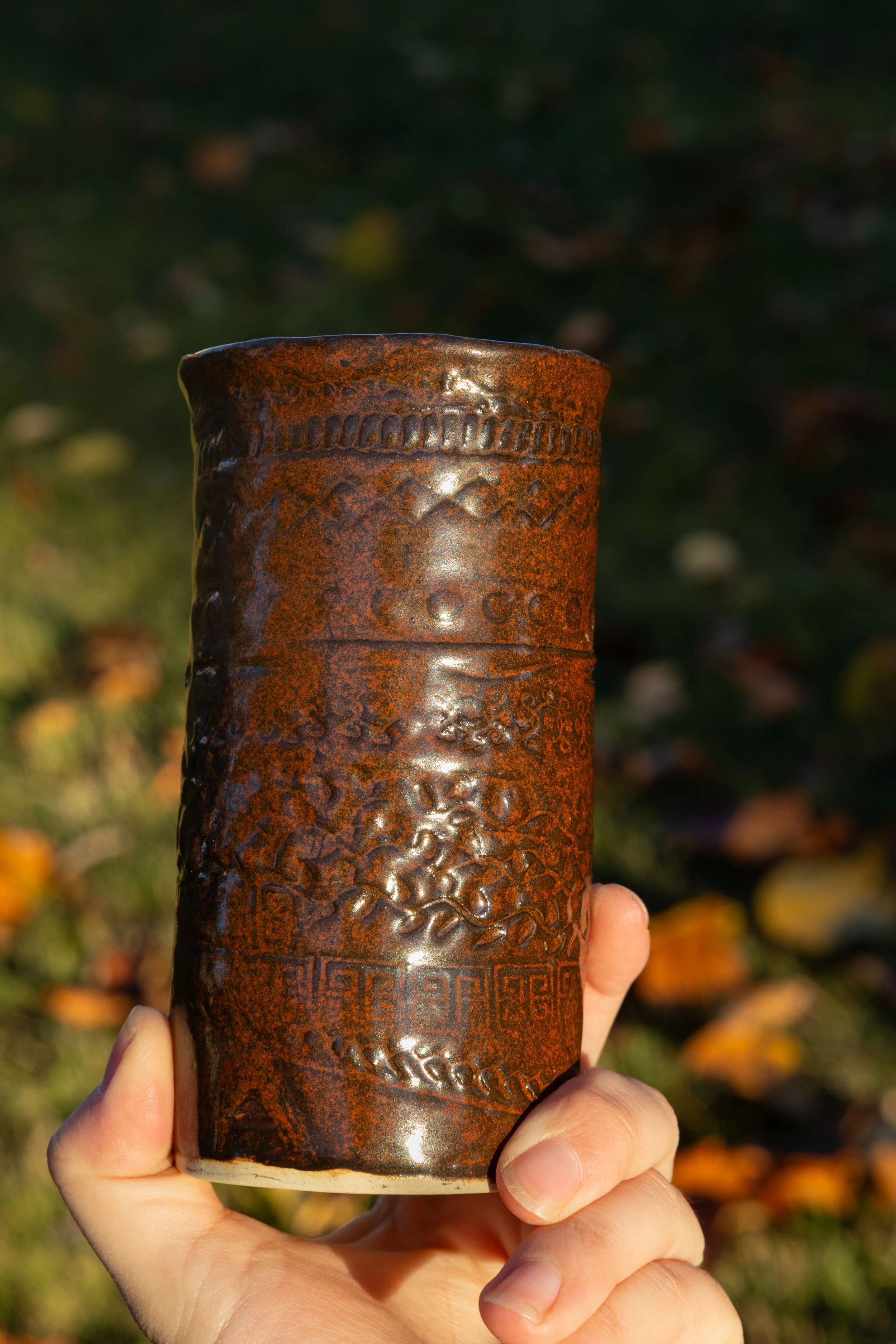
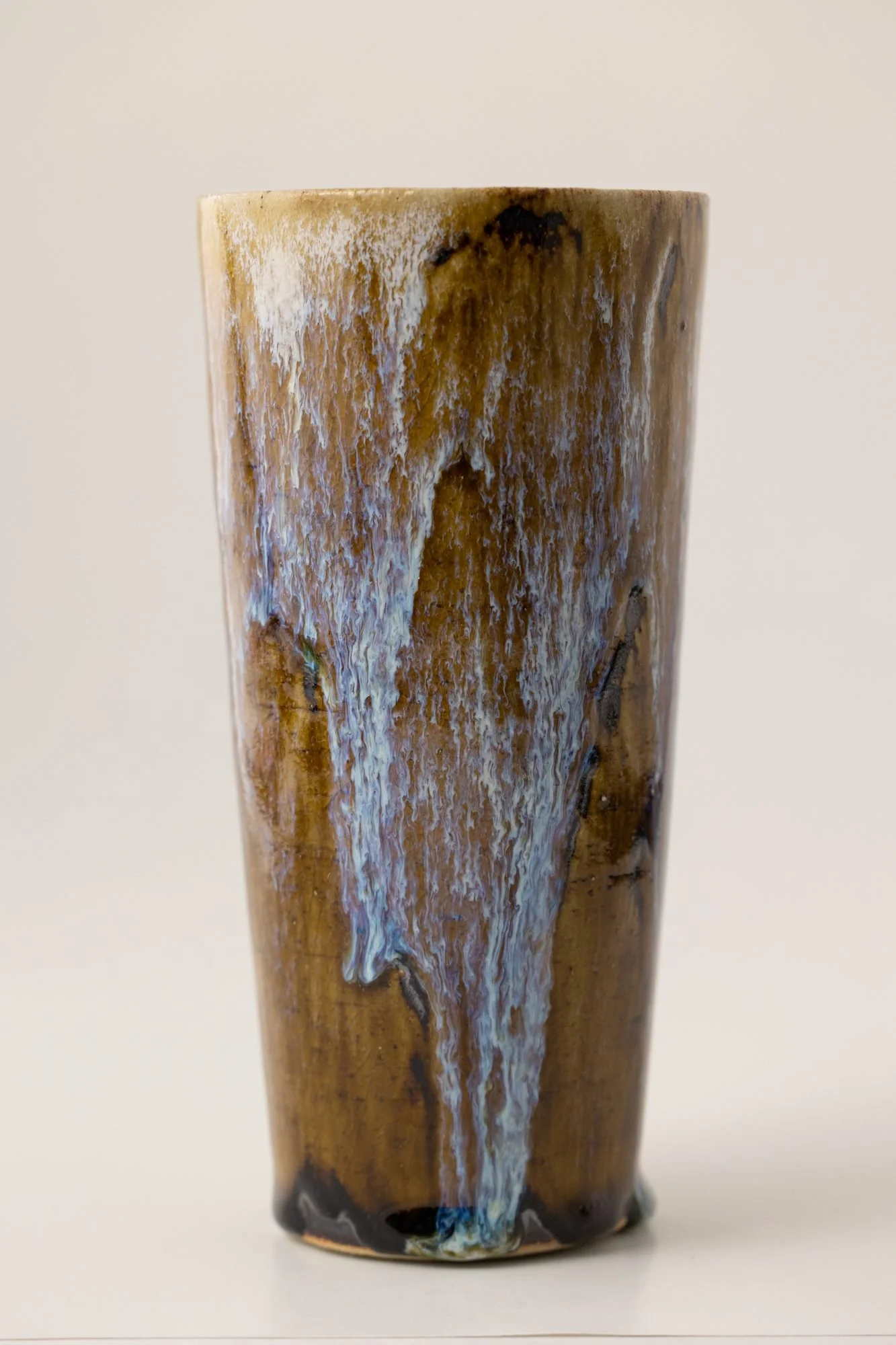
The dishwasher: it is about the glaze
A dishwasher combines heat, water and agitation. The clay body is not usually the concern there. The surface is. If a glaze is poorly fitted to the clay beneath it, it can craze over time, which means a network of fine cracks forms in the glass. Those cracks can hold residue and develop staining after many cycles.
When glaze fit has been tested and is correct, that does not develop. The glaze and clay expand and shrink together closely enough that the surface stays sound wash after wash.
How I make sure my work can take it
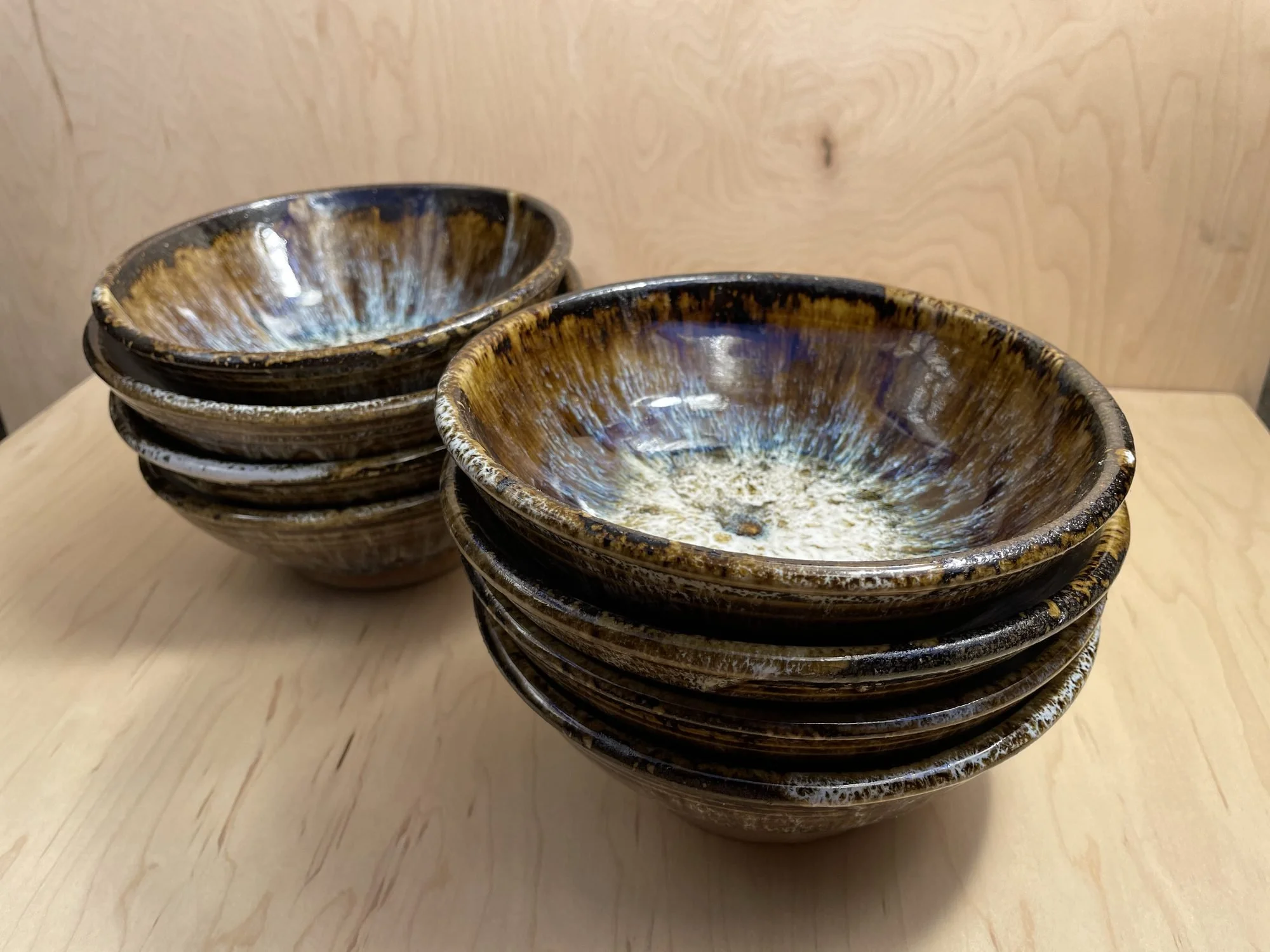
In my studio, functional work is fired to full cone 10 maturity. I choose clay bodies and test them for proper vitrification at that temperature. Glazes are tested for fit before they ever go onto production pieces. If I see instability, that glaze or clay does not move forward.
That means the mugs and bowls I release are microwave and dishwasher safe under normal household use.
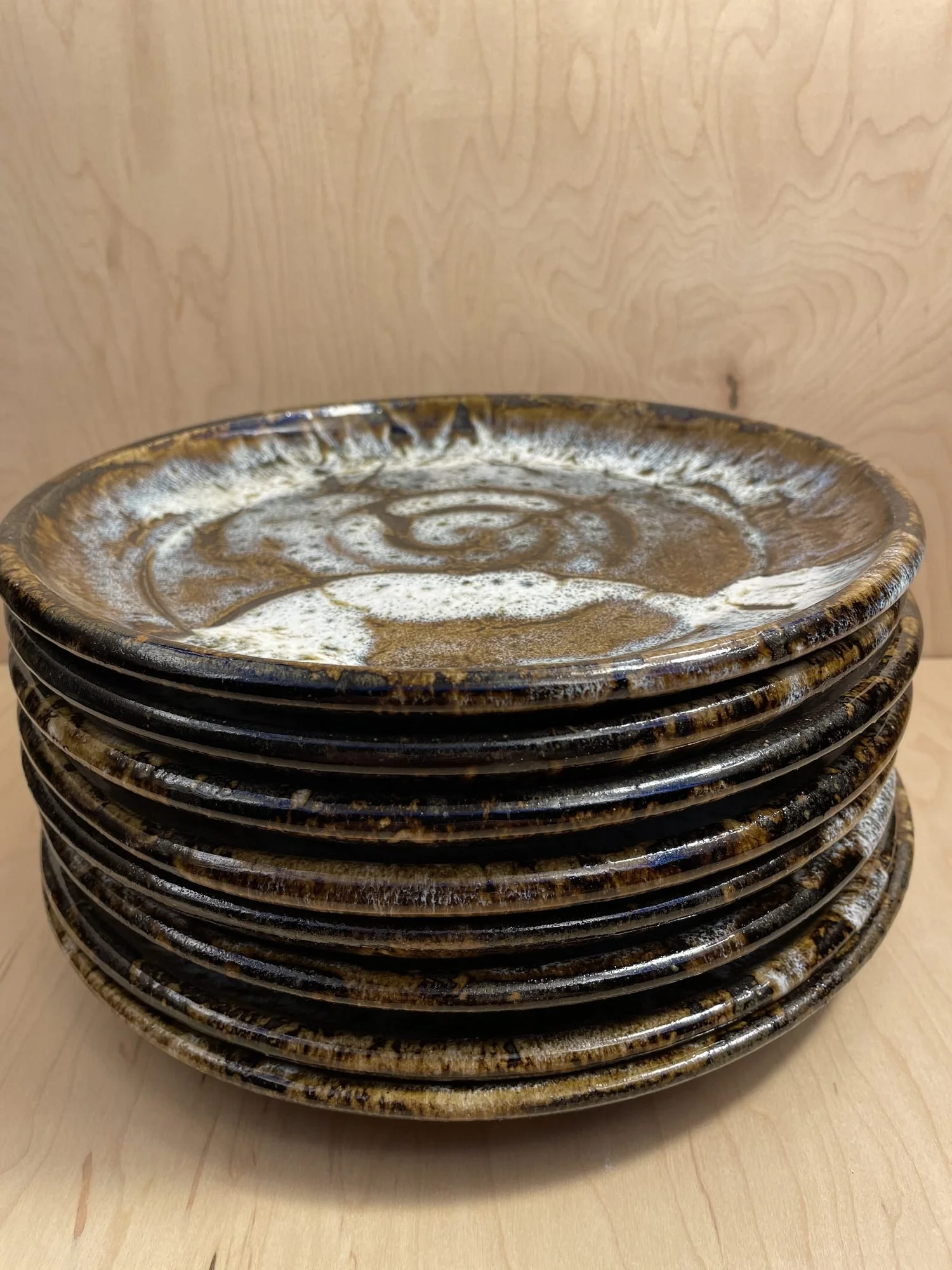
A little common sense still applies
Ceramics are strong, but they are still ceramics. Avoid sudden thermal shock, like taking a piece straight from the freezer into a hot oven. And while the dishwasher is safe, load pieces so they do not knock hard against heavier pans and plates. Both habits will add years to anything made of clay.
The goal of my work is not to be babied. It is to live in your kitchen: morning coffee, reheated leftovers, cycle after cycle. High fire functional pottery should handle that without drama.
If you are not sure whether a handmade mug has been fully fired, ask the potter what cone they fire to and whether they test glaze fit. Someone who fires carefully will be glad you asked and will have a straight answer.
I make pots for real kitchens, not special occasions. Use them every day. That is what they are for.
