The Difference Between Electric and Gas Firing
At first, firing feels simple.
You load the kiln. You program it. You wait.
That’s how it feels with electric.
My early firings were all electric. Plug in. Set the schedule. Listen to the relays click on and off as the temperature climbs. It’s clean. Contained. Predictable. The atmosphere inside the kiln stays neutral — oxidation. What you see in the glaze bucket is usually what you get.
There’s comfort in that.
Electric firing is about control.
You adjust ramp speeds. You adjust hold times. You fine-tune. It becomes a relationship between you and a machine that follows instructions.
But the first time I stood in front of a gas kiln during a firing, I realized something was different.
Gas isn’t just heat.
It’s atmosphere.
With gas firing, you’re not just climbing temperature — you’re shaping oxygen levels inside the chamber. You’re adjusting pressure. Watching flame. Listening to the burners. Reading the kiln in a way that feels less like programming and more like steering.
Electric gives you precision.
Gas gives you movement.
In an electric kiln, glazes mature in oxidation. Colors stay bright. Iron remains stable. Results are consistent across the chamber.
In gas, especially when firing in reduction, oxygen is pulled from the clay and glaze materials themselves. Iron shifts. Copper changes. Surfaces break differently. Flame path leaves its mark.
The clay body participates more.
That was the turning point for me.
When I started paying attention to high fire surfaces in gas kilns, I saw depth I hadn’t seen before. Subtle variation. Soft flashing. Glazes that didn’t look applied but integrated. It wasn’t louder — it was deeper.
But gas comes with responsibility.
You can’t walk away from it the same way you can with an electric firing. You monitor it. Adjust it. Stay present. The kiln responds to weather. To pressure changes. To small shifts in damper position.
It’s less about pushing a button.
More about paying attention.
That difference matters if you’re building toward salt firing. A Utah salt kiln lives in the gas world. Atmosphere isn’t optional — it’s central. The flame carries vapor. Oxygen levels shape surface.
Electric firing taught me control.
Gas firing taught me humility.
One isn’t better in every situation. Electric is efficient. Consistent. Reliable. It’s excellent for certain glaze palettes and production needs.
Gas is variable. Demanding. Alive.
The difference isn’t just fuel.
It’s relationship.
Electric asks you to manage temperature.
Gas asks you to understand fire.
And I’m still learning how to do that.
— Adam Corbridge
Trying to understand the fire, not just manage it.
Follow the process at adamcorbridgepottery.com
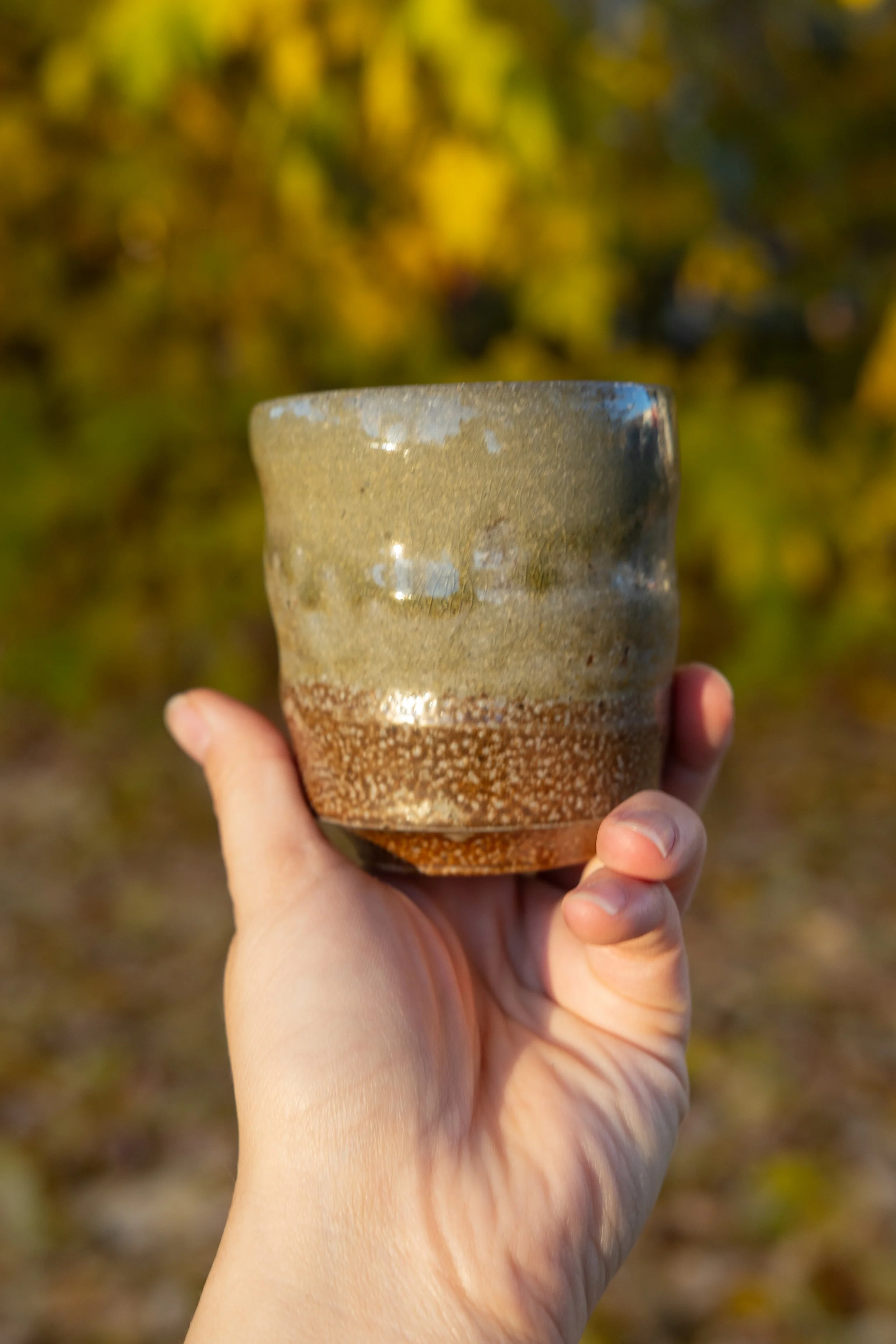
Salt fired pottery
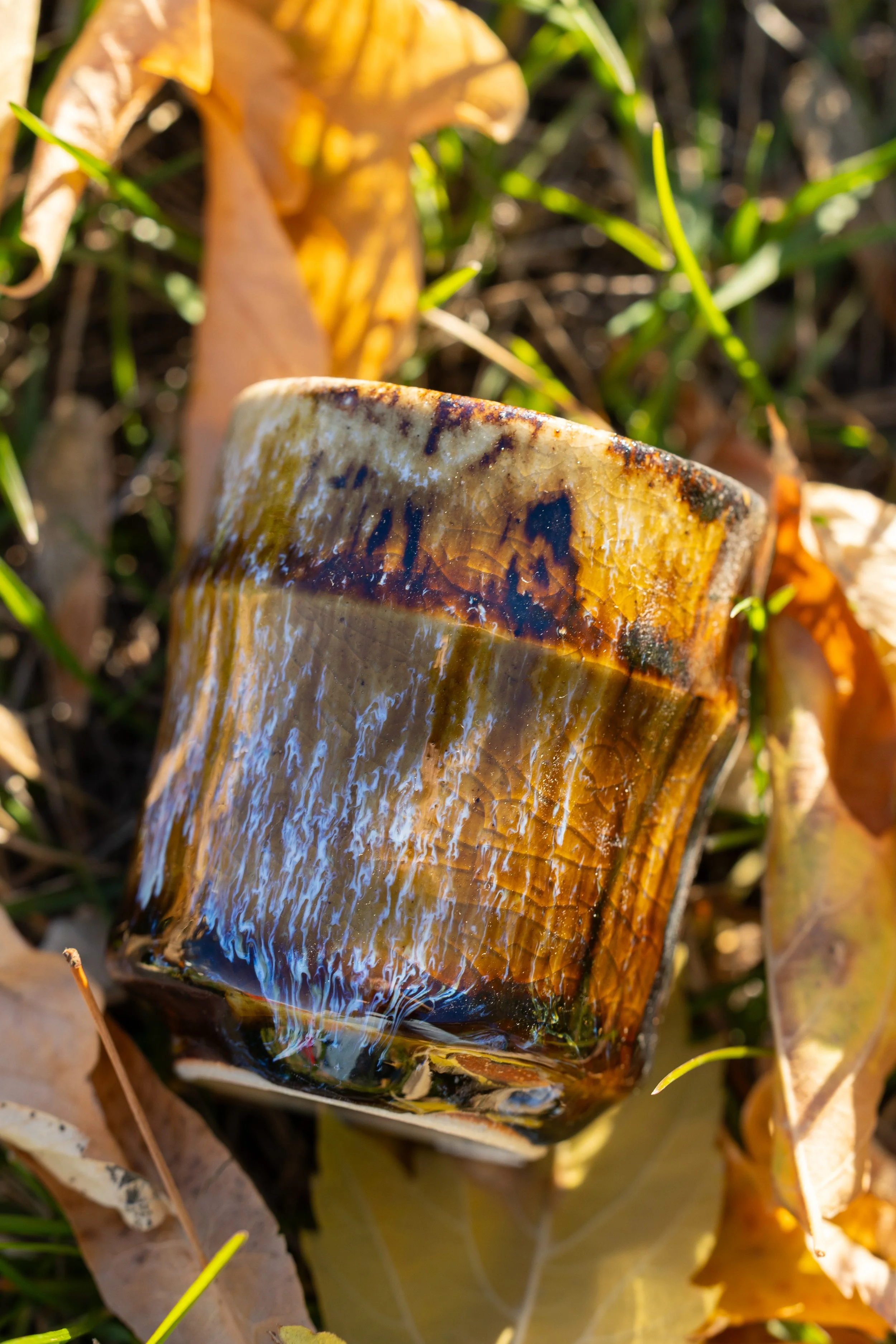
Electric fired pottery
