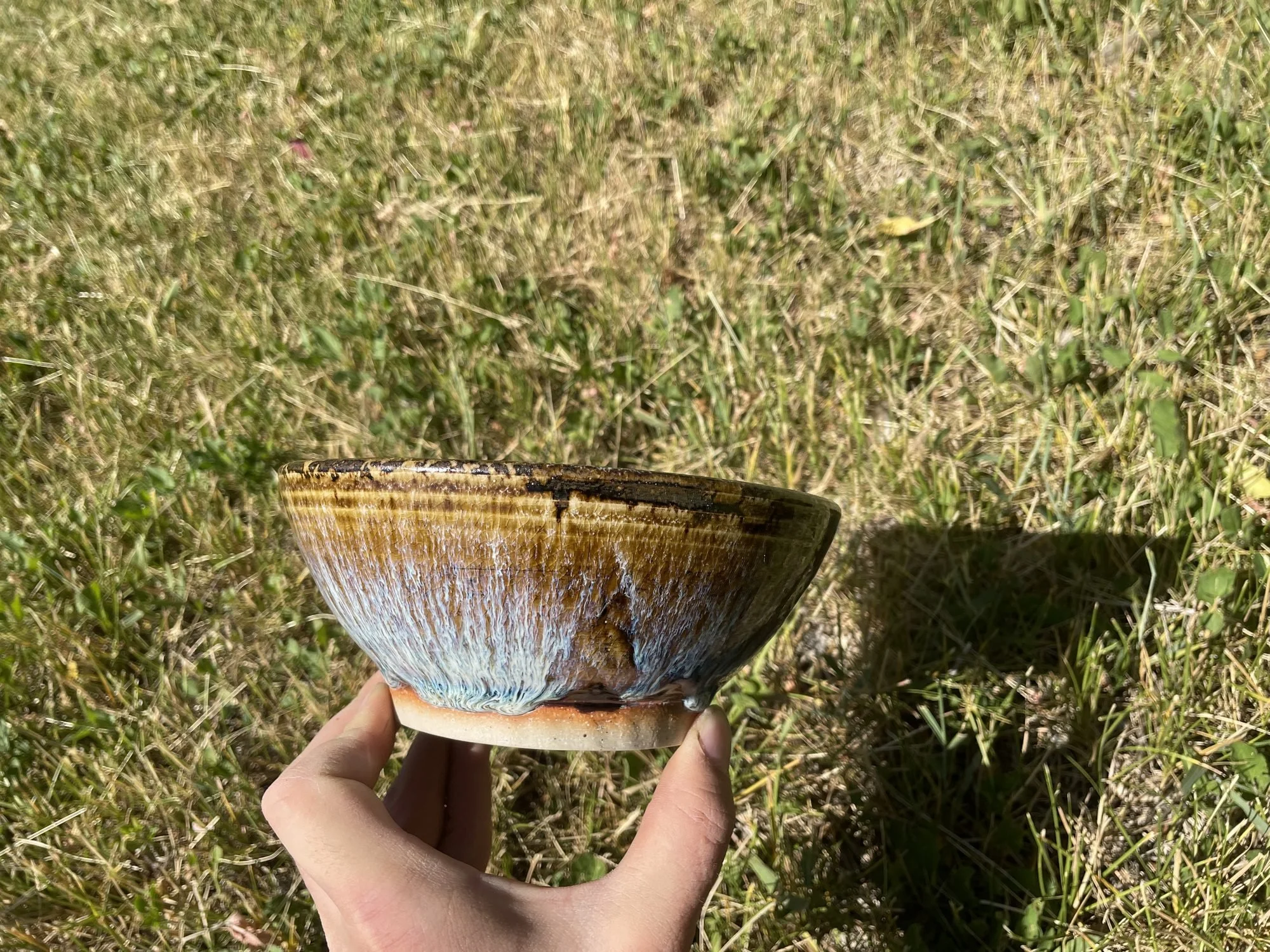
Food Safe Isn’t Just “Lead Free” in Pottery
Lead free does not mean food safe. Safety in pottery comes from formulation, full firing, vitrification, glaze fit and testing.
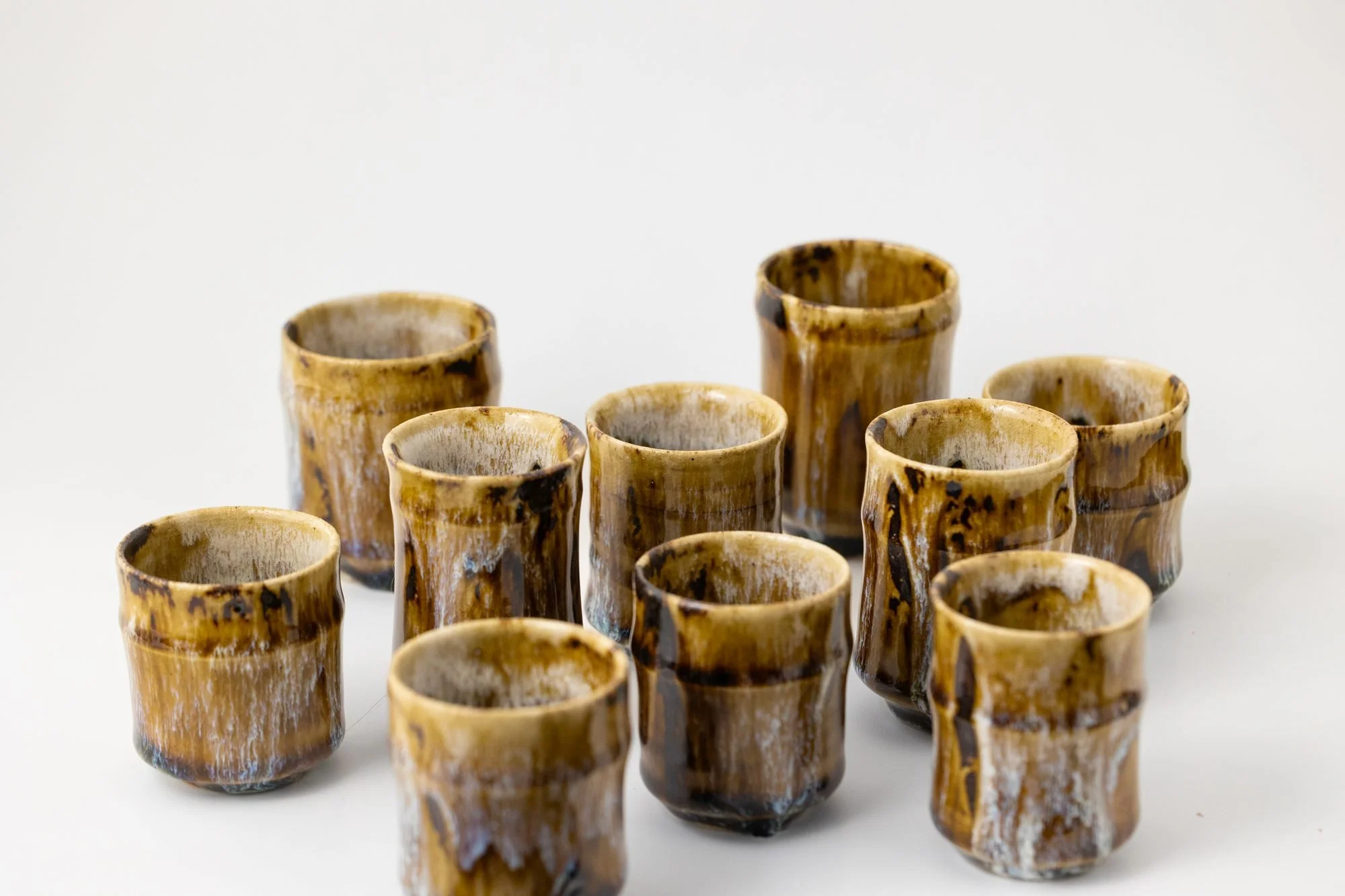
Handmade pottery gift guide 2026: what to buy and for whom
A potter's honest advice on giving pots: the right piece for the coffee drinker, the cook, the person who has everything, and the one who brings flowers home.
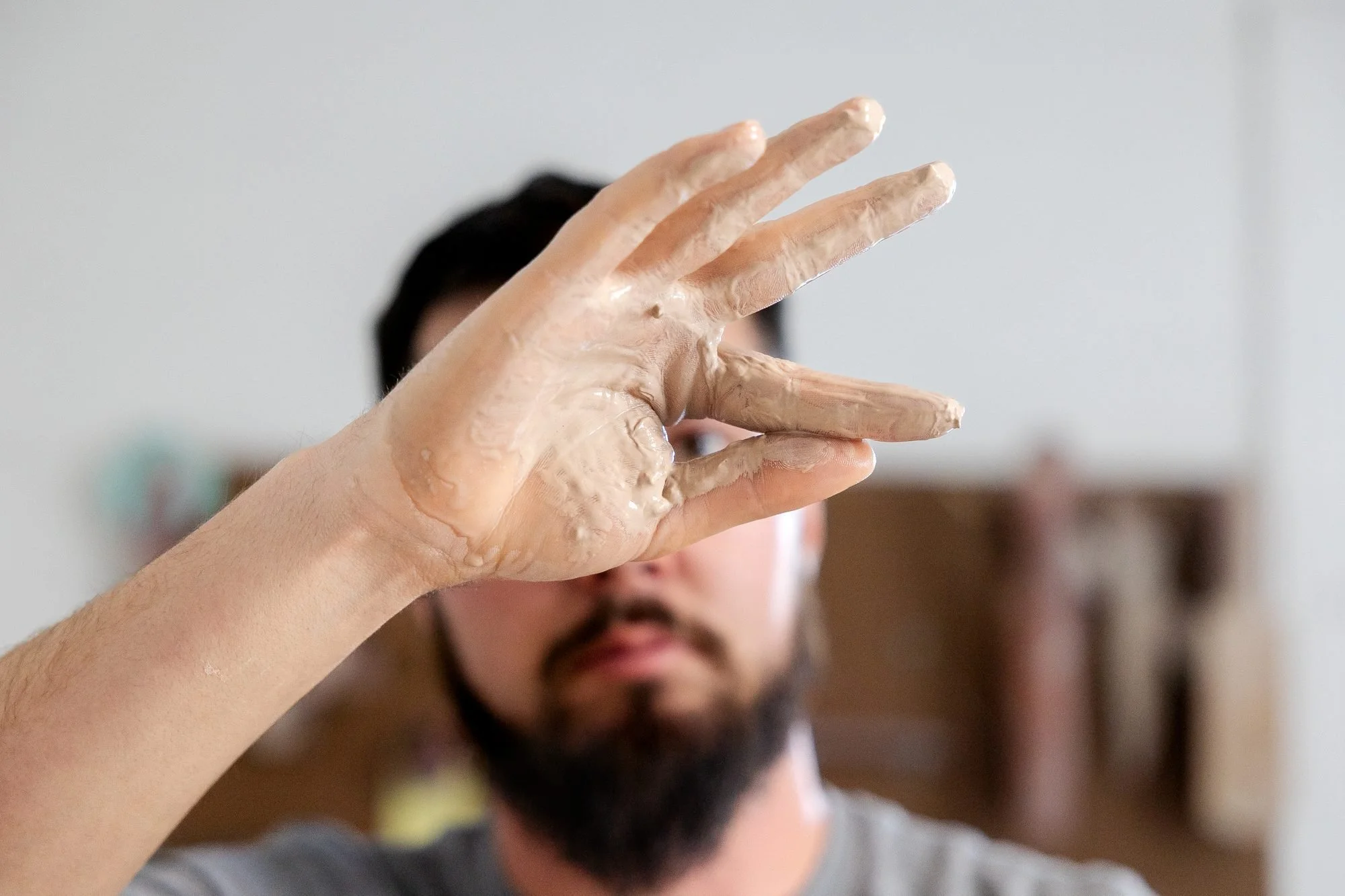
Why Handmade Isn’t Cheap
Handmade pottery is not expensive because it is handmade. It costs more because of time, high firing, testing and editing.
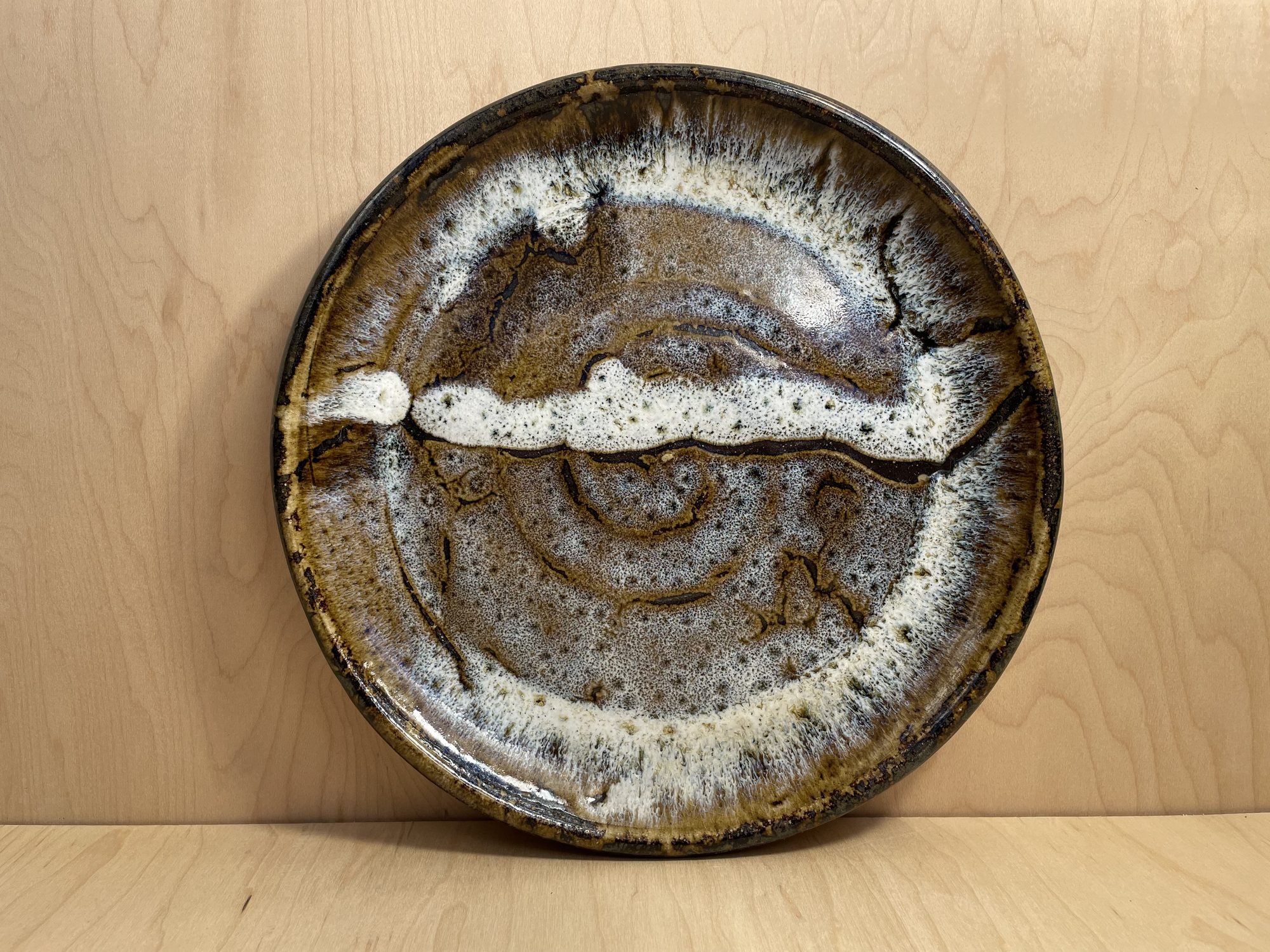
Can Handmade Pottery Go in the Microwave and Dishwasher?
Can handmade pottery go in the microwave and dishwasher? Usually yes. It comes down to vitrification and glaze fit.
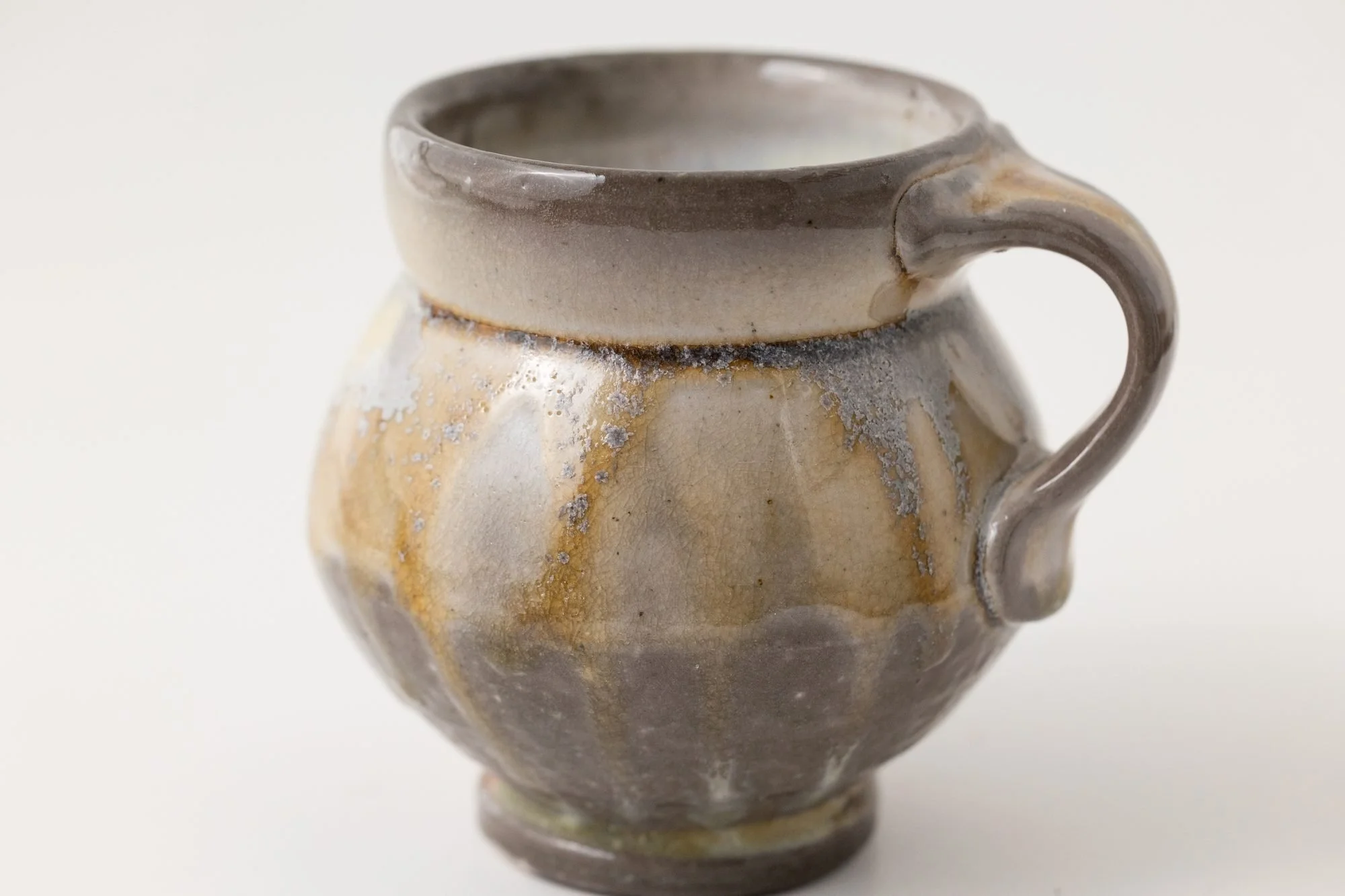
Is Handmade Pottery Durable?
Yes, handmade pottery is durable when it's made and fired correctly. Here's what makes the difference.
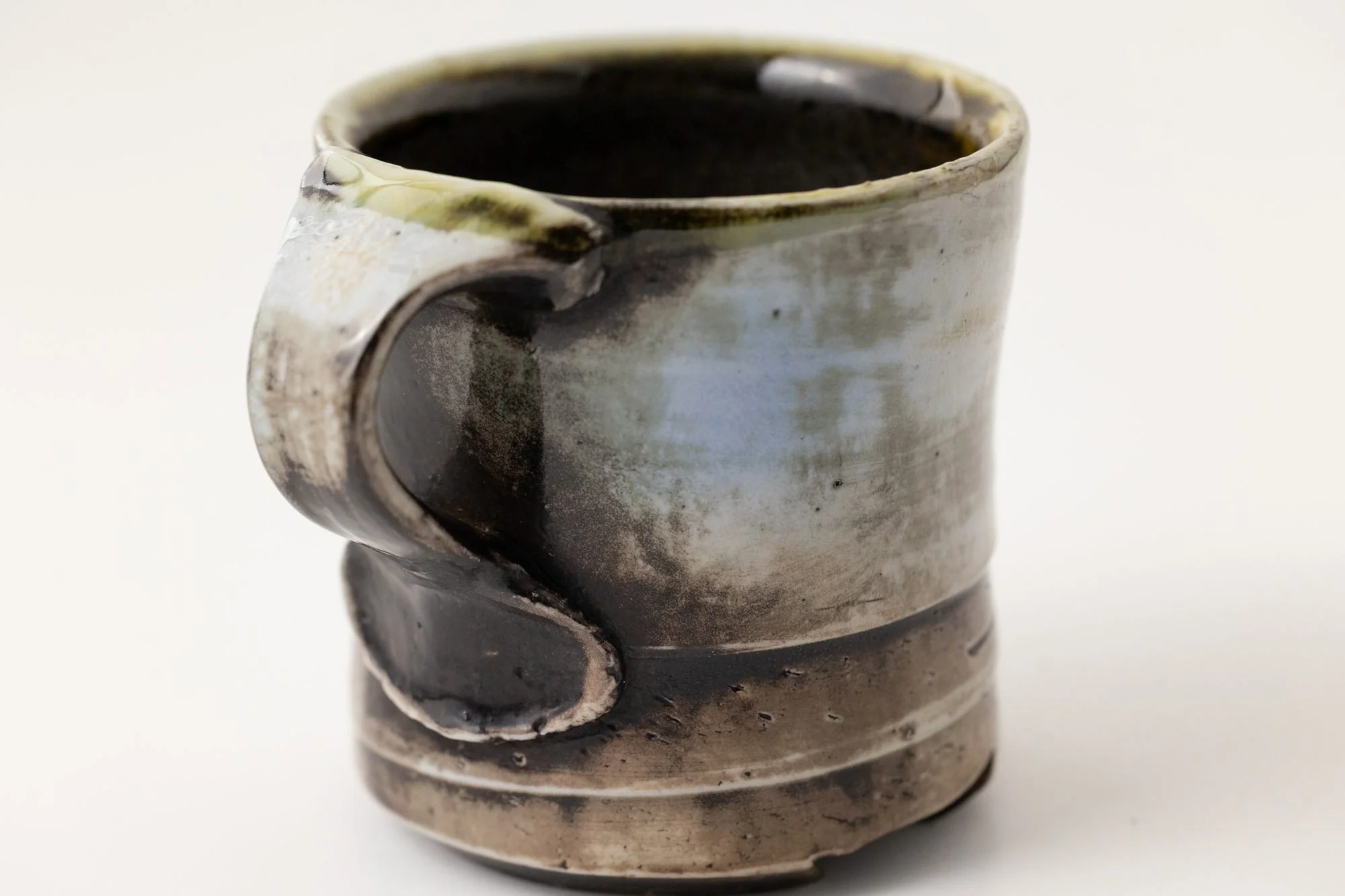
Is Salt Fired Pottery Food Safe?
Yes, salt fired pottery is food safe when it's fired correctly. Here's what happens in the kiln and what makes it safe.
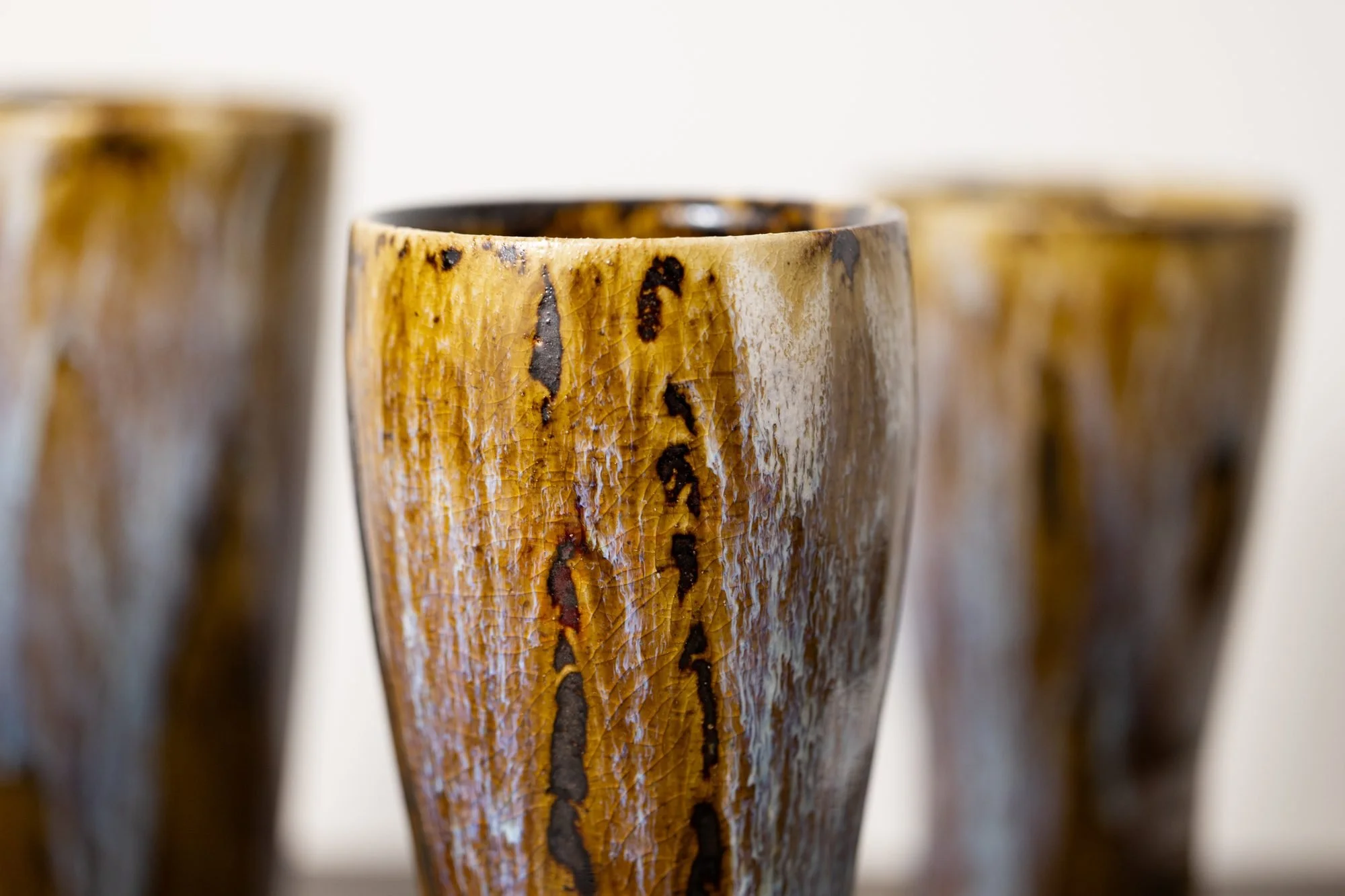
What’s Available Right Now
Fresh from the last cone 10 firing: mugs, a few bowls and vases, built for daily use. Here's what's in this batch.
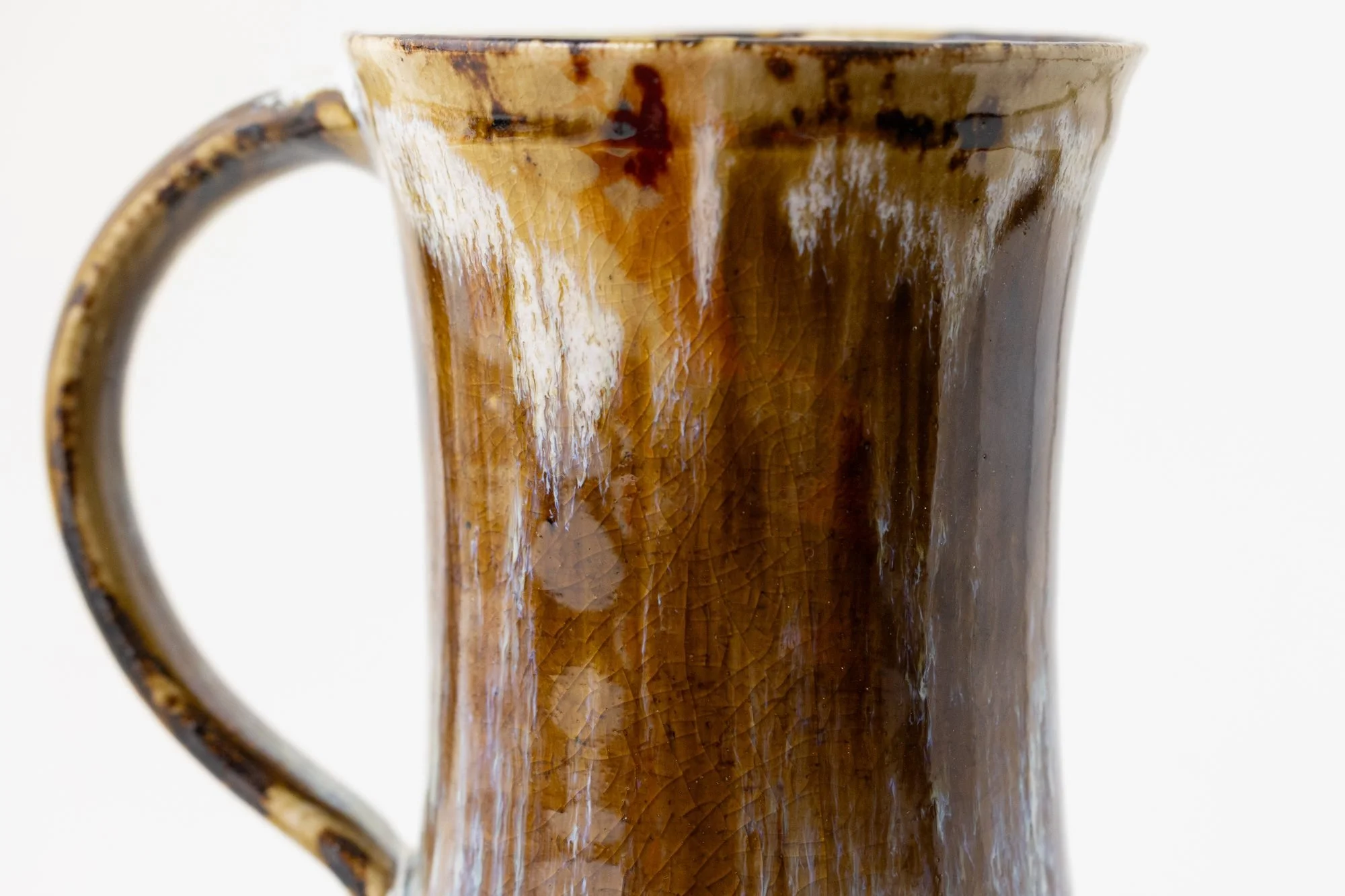
How to Tell If a Mug Is Actually Well Made
Six quick checks to tell if a handmade mug is actually well made: rim, weight, foot, handle, surface and sound.
Surface Gets the Credit. The Rim Does the Work.
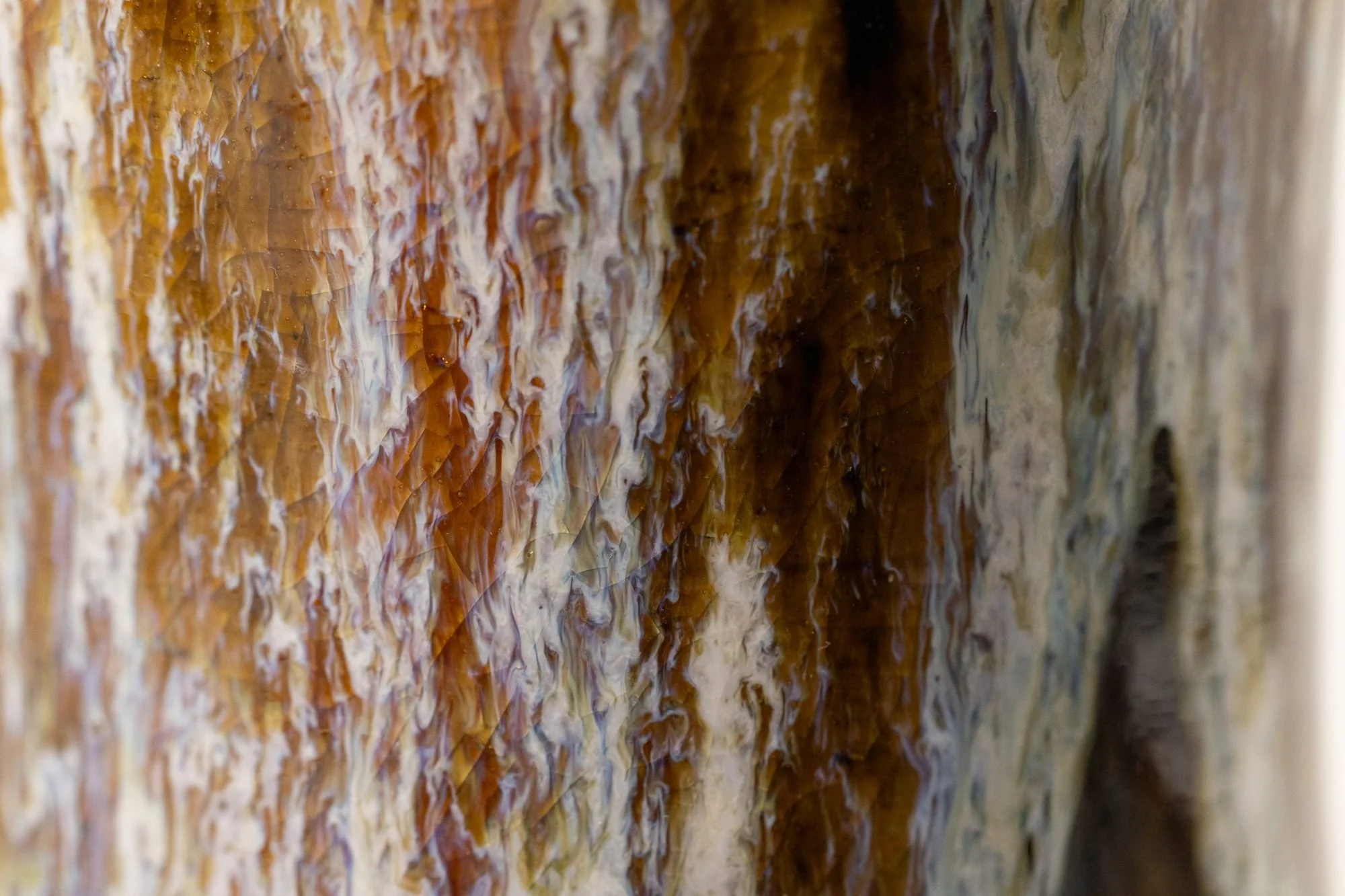
The glaze gets the credit, but the rim is what meets your mouth every morning. Why I fuss over every mug lip.
Why Handmade Pottery Costs More Than You Think
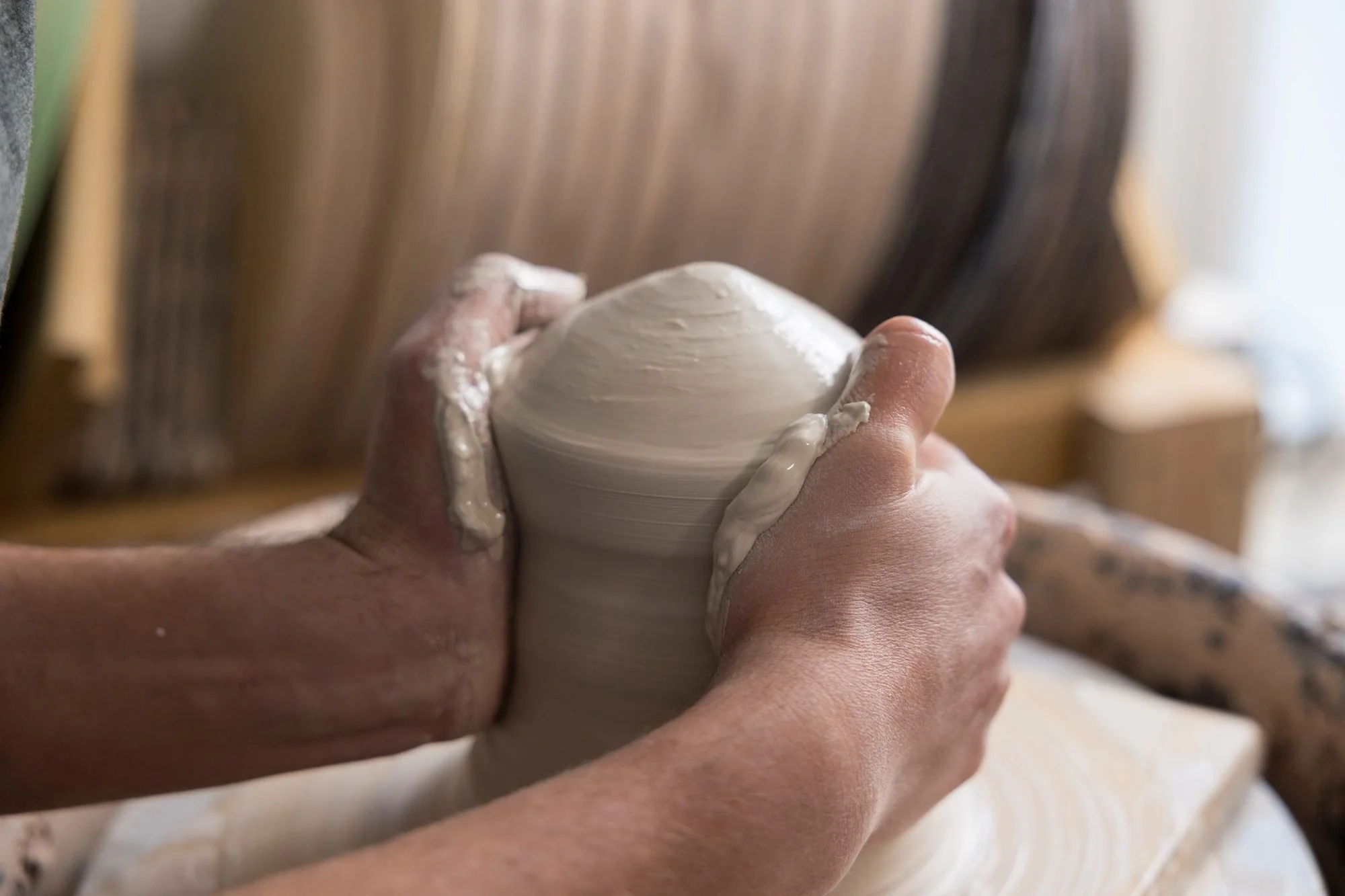
Wedging, throwing, trimming, firing, losses: why handmade pottery costs more than a store-bought mug, from a Logan potter.
What Makes a Good Mug? (From a Potter’s Perspective)
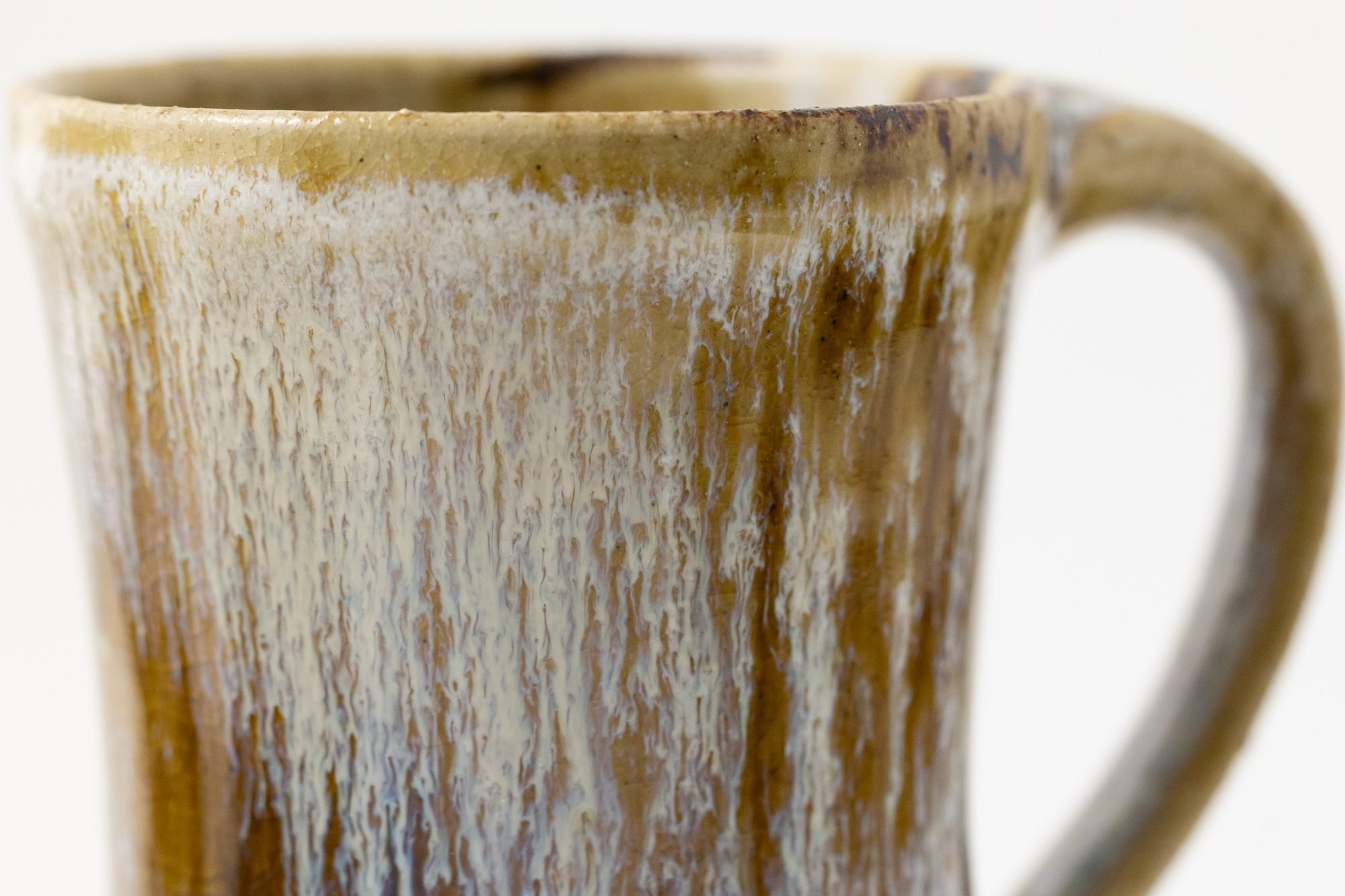
Weight, rim, handle, surface and foot: what makes a good handmade mug, from a potter who has thrown hundreds of them.
What Is Salt Fired Pottery? Salt Firing Explained
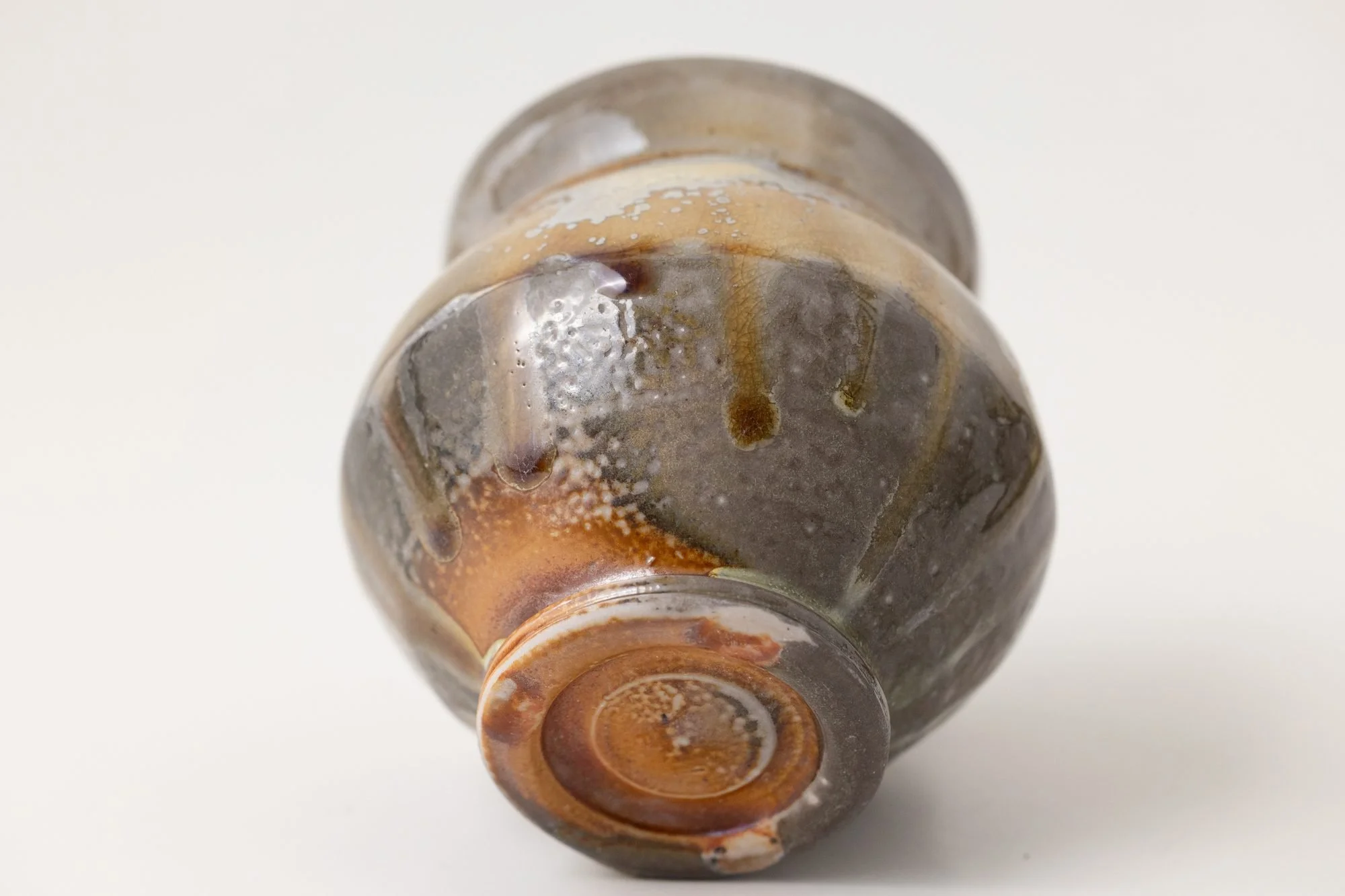
What salt firing is, how the kiln glazes the pot, what the surfaces look like, and whether salt fired pottery is food safe.