Food Safe Isn’t Just “Lead Free” in Pottery
"Lead free" gets treated like a finish line. It is not. Food safe pottery is about whether the glaze and clay are stable together at the temperature they were fired.
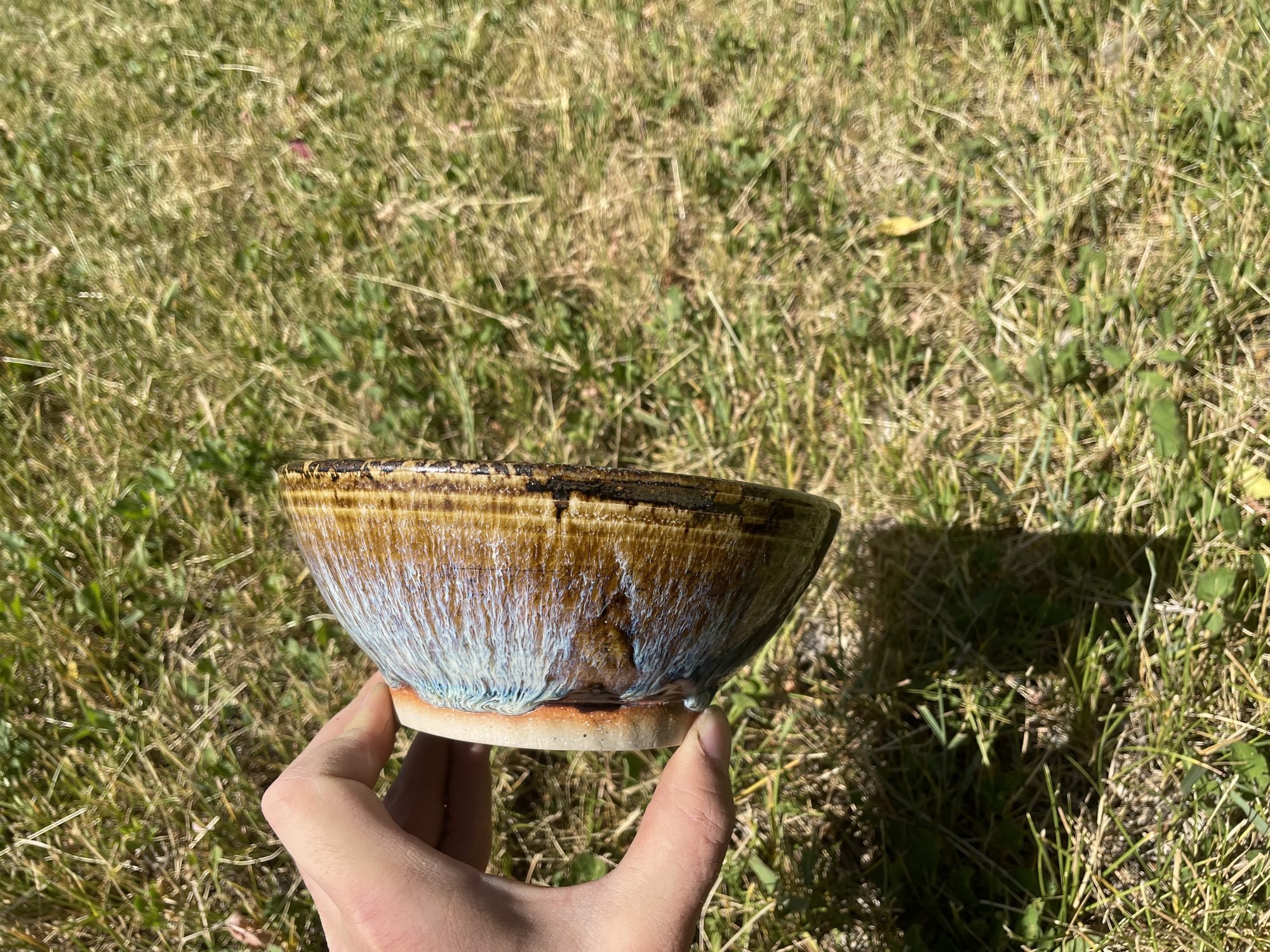
A glaze can be lead free and still be poorly formulated, glossy and still unstable, or smooth and still able to leach if it never matured in the kiln. Real food safety comes from proper formulation, correct firing temperature, full vitrification, stable glaze fit and testing.
- Acidic foods like tomato sauce, citrus and vinegar can pull materials from an unstable glaze
- Gloss only means the glaze melted, not that its chemistry is balanced
- Underfiring is one of the most common causes of an unstable surface
Lead free is not the same as food safe
If a glaze is labeled lead free, people assume it is automatically food safe. That is not how it works. Food safety in pottery is not about one ingredient. It is about stability. A glaze can be lead free and still poorly formulated. It can be glossy and still unstable. It can look smooth and still leach materials if it did not mature correctly in the kiln.
What leaching is
Leaching happens when acidic food, like tomato sauce, citrus or vinegar, pulls soluble materials out of a glaze surface. If a glaze is underfired or chemically unbalanced, acids can extract trace elements over time.
A glossy surface does not guarantee stability. Gloss simply means the glaze melted enough to form a smooth surface. It does not tell you whether the chemistry is balanced or whether the firing reached full maturity.
Temperature matters
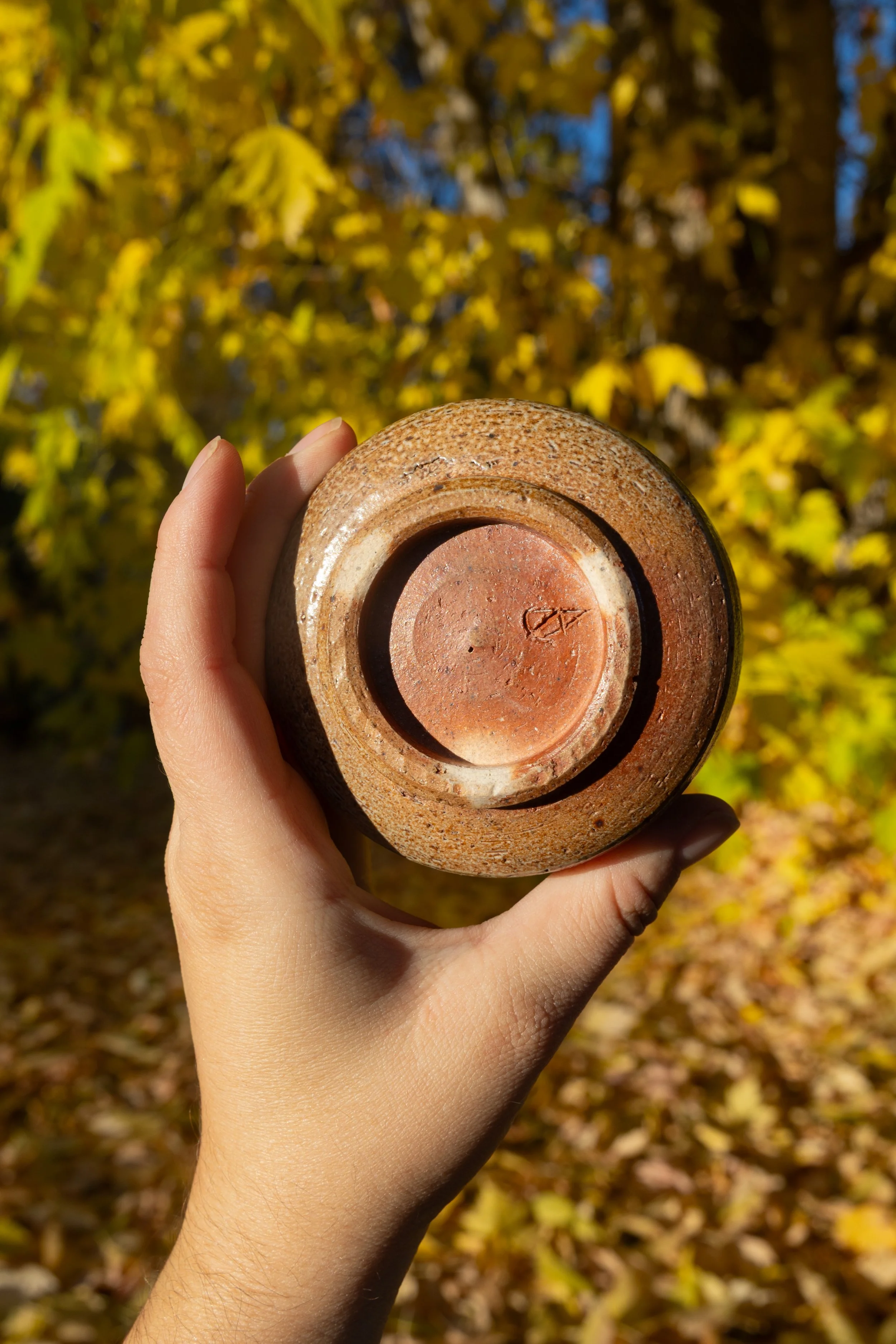
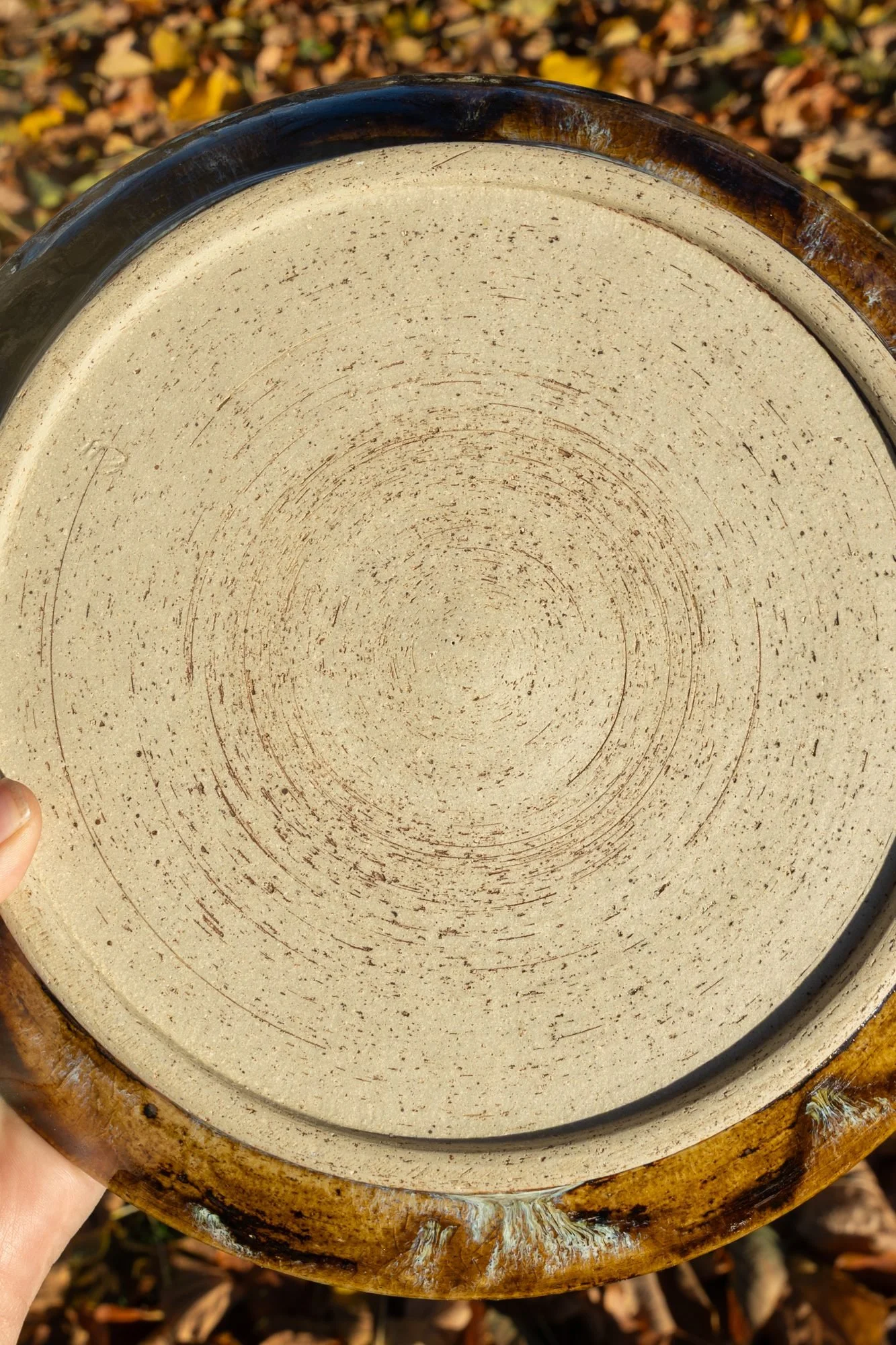
At cone 10, clay bodies vitrify fully. The glaze melts completely and bonds tightly to the surface. When a glaze is properly formulated for that temperature and fired correctly, the result is a stable layer of glass.
Underfiring is one of the most common causes of instability. If a glaze is meant for cone 10 and only reaches cone 8, the melt may look close, but it is not fully matured. That incomplete melt can leave the surface more vulnerable to chemical attack.
Fit matters too
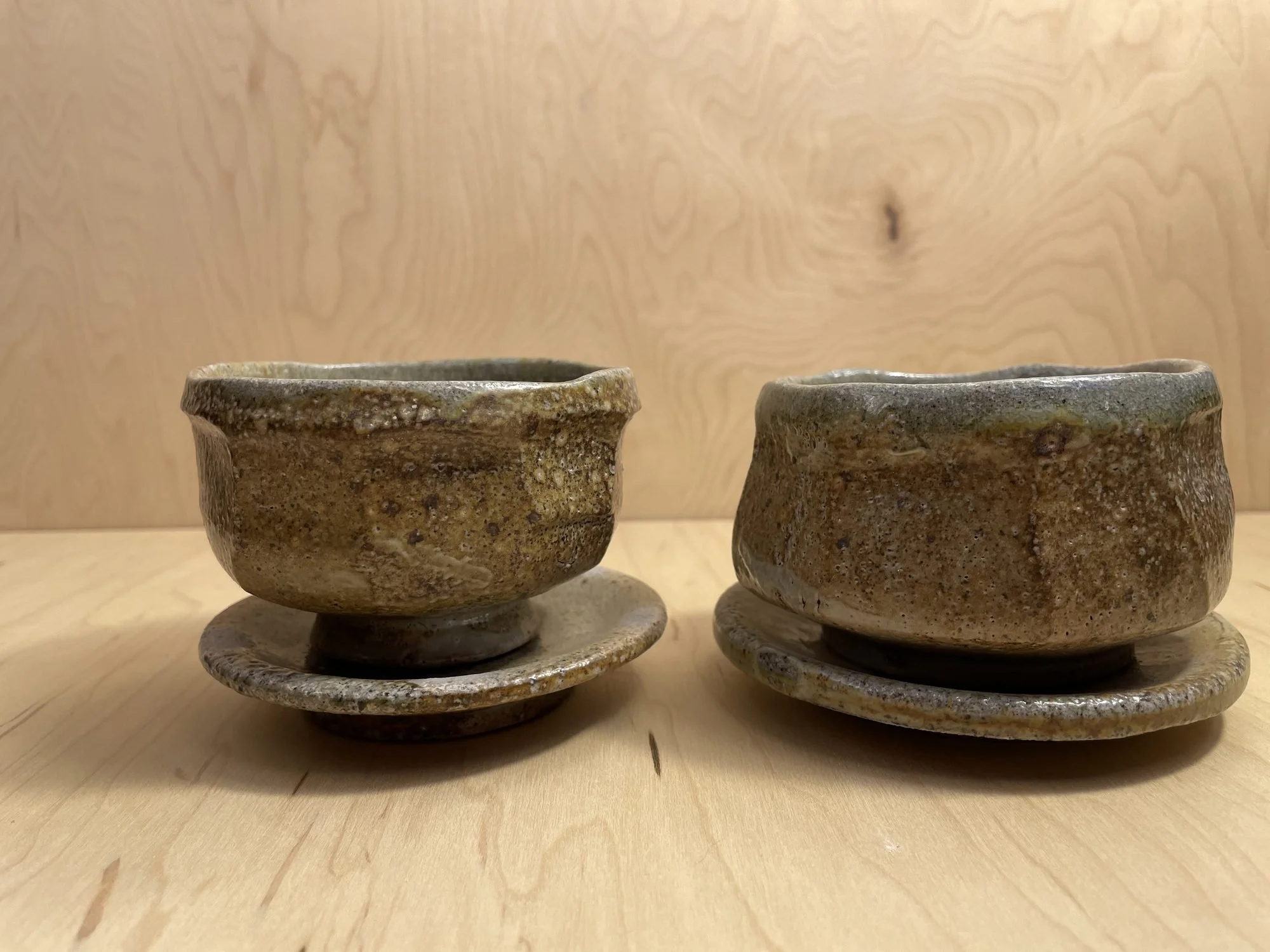
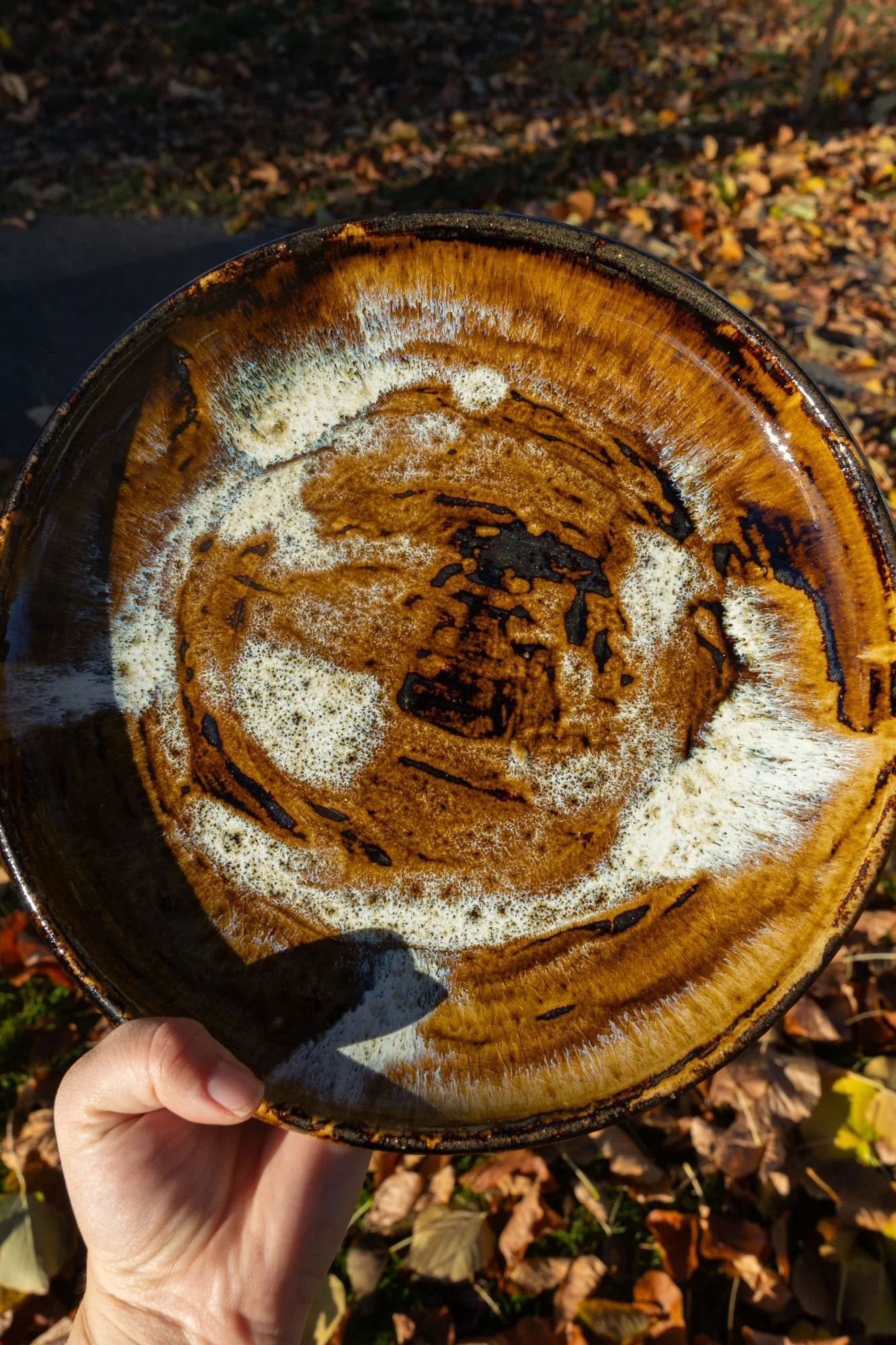
If a glaze crazes, forming fine crack lines across the surface, it can trap moisture and food residue. Crazing alone does not automatically mean something is unsafe, but over time it can lead to staining and more exposed surface. That is why glaze fit testing is part of my process.
What real food safety takes
- Proper glaze formulation
- Correct firing temperature
- Full vitrification of the clay body
- Stable glaze fit
- Testing
There are laboratory leach tests that measure exactly how much material is released under acidic conditions. Those are the gold standard. But most functional potters rely on sound chemistry, firing discipline and conservative material choices long before a piece ever reaches a kitchen.
In my studio, functional ware is fired to full cone 10 maturity. Glazes are tested for fit. Surfaces are inspected. If a glaze shows instability, like heavy crazing, a questionable melt or inconsistent behavior, it does not move forward. Food safety is not a marketing claim. It is a responsibility tied to process.
When you buy functional pottery, ask the potter what temperature it was fired to and whether the glaze was made for that temperature. A clear answer to both questions tells you a lot.
If I would not eat off it, I do not sell it.
