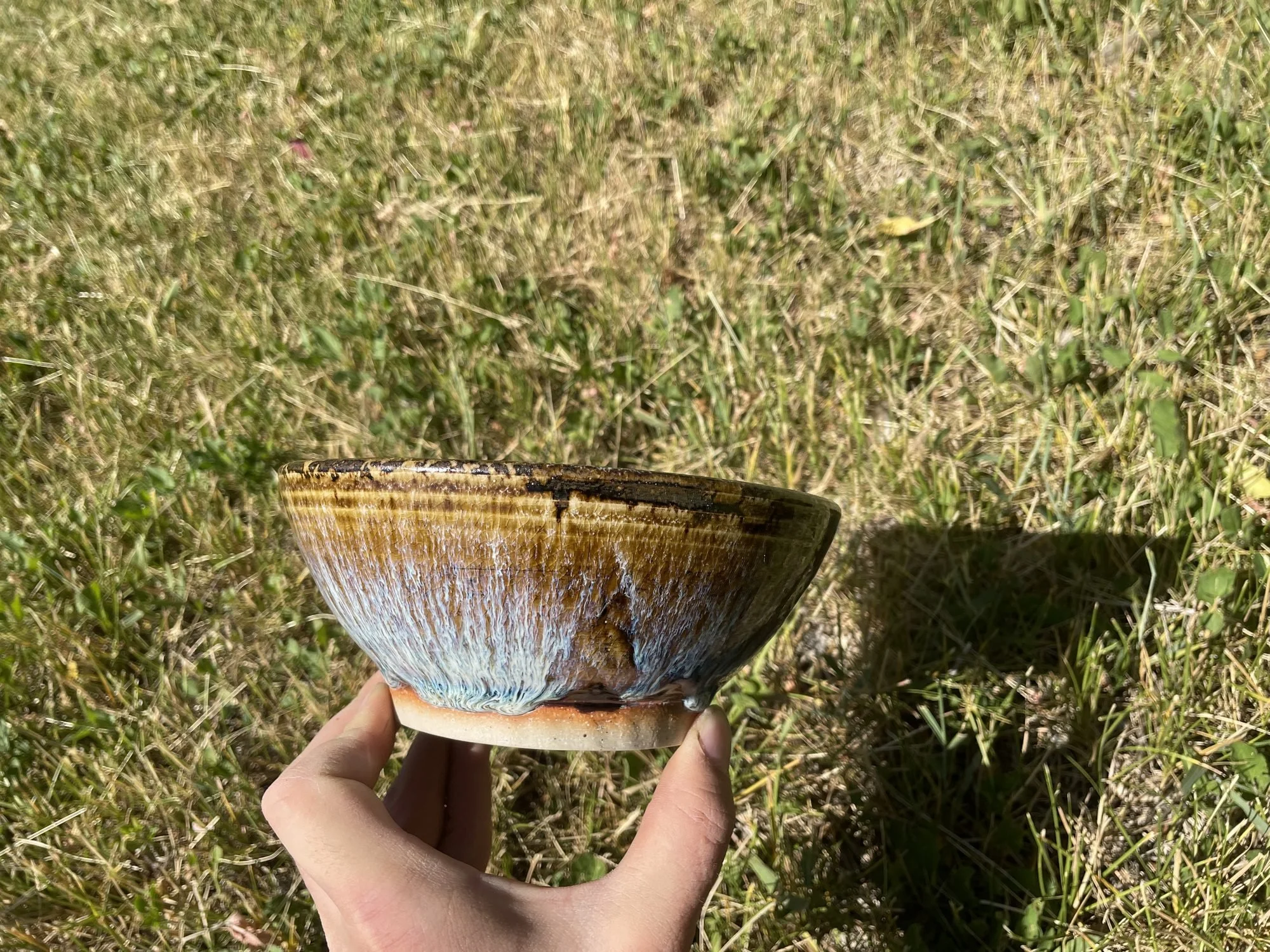
Food Safe Isn’t Just “Lead Free” in Pottery
Lead free does not mean food safe. Safety in pottery comes from formulation, full firing, vitrification, glaze fit and testing.
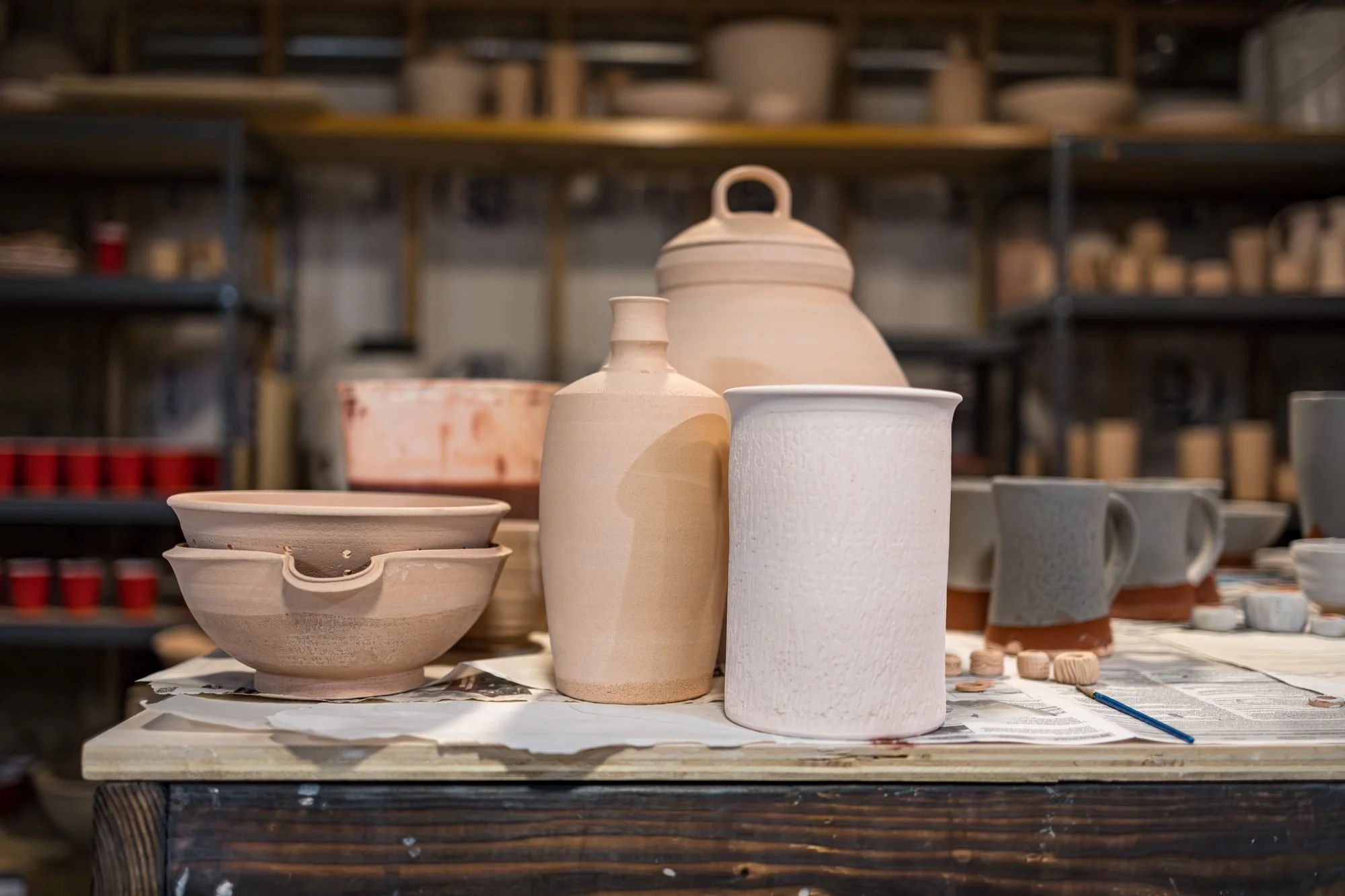
A Firing Schedule That Solves Problems
My cone 10 electric firing schedule, segment by segment, and why each step prevents a specific firing problem.
Common Glaze Problems and How to Fix Them
How to tell pinholing, crawling, shivering and crazing apart, what usually causes each one, and where to start fixing it.
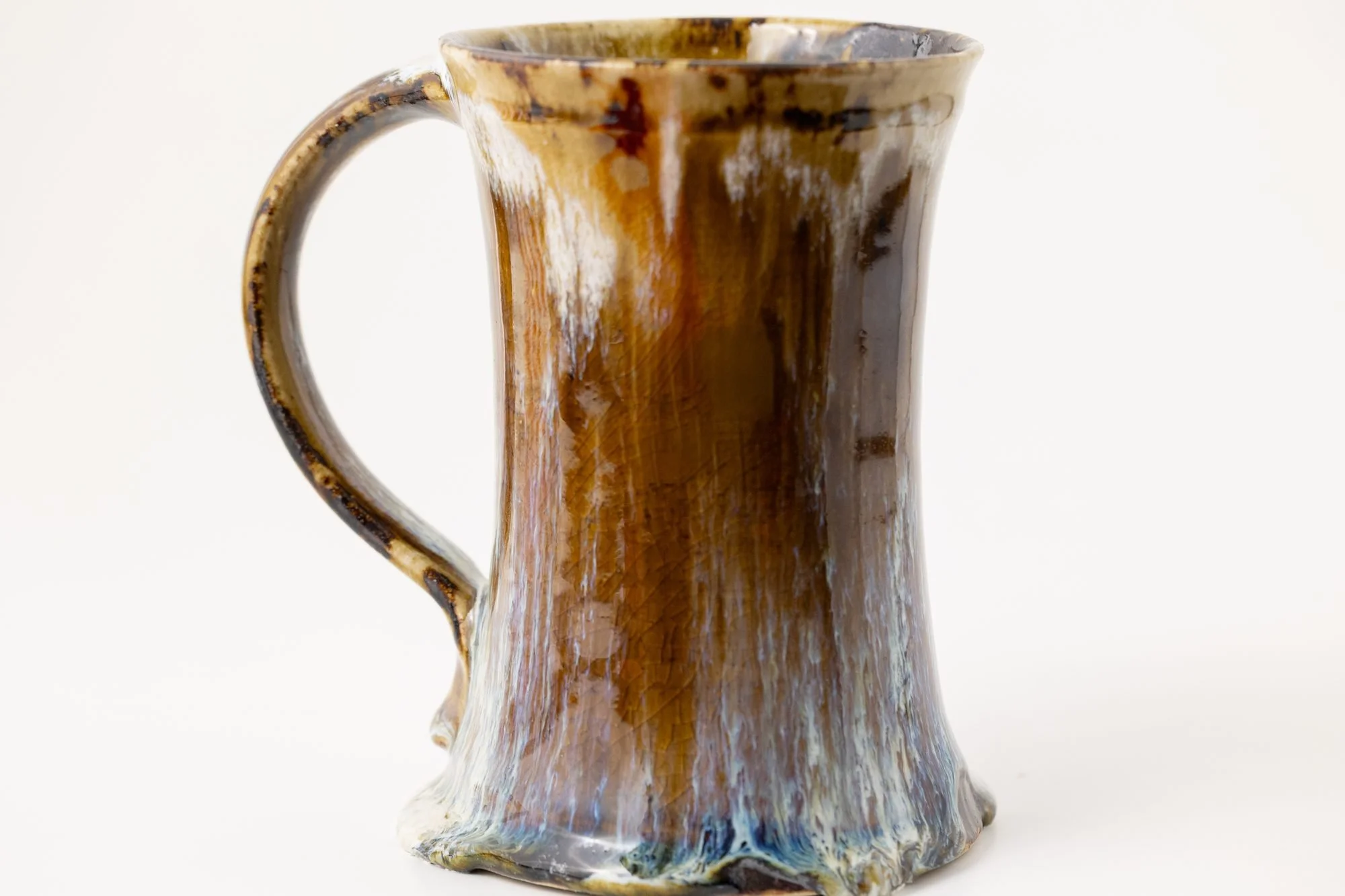
How to Actually Test for Crazing and Shivering
A glaze can look perfect and still fail. Here is how I test for crazing and shivering with water, a marker and time.
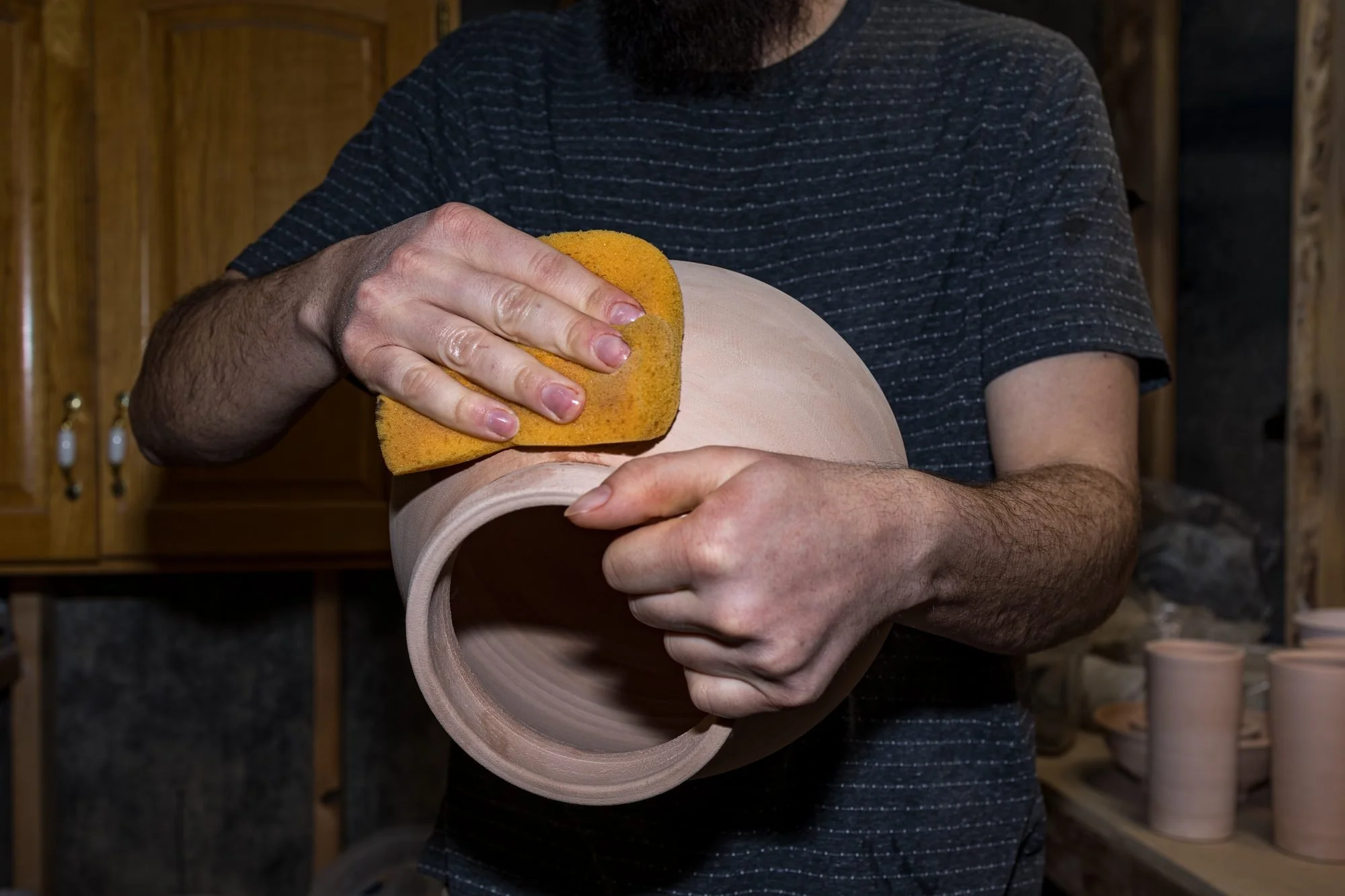
Crawling and Shivering — Why Glazes Fail
Crawling and shivering are not just part of ceramics. One is an application problem and the other is chemistry. Both can be prevented.
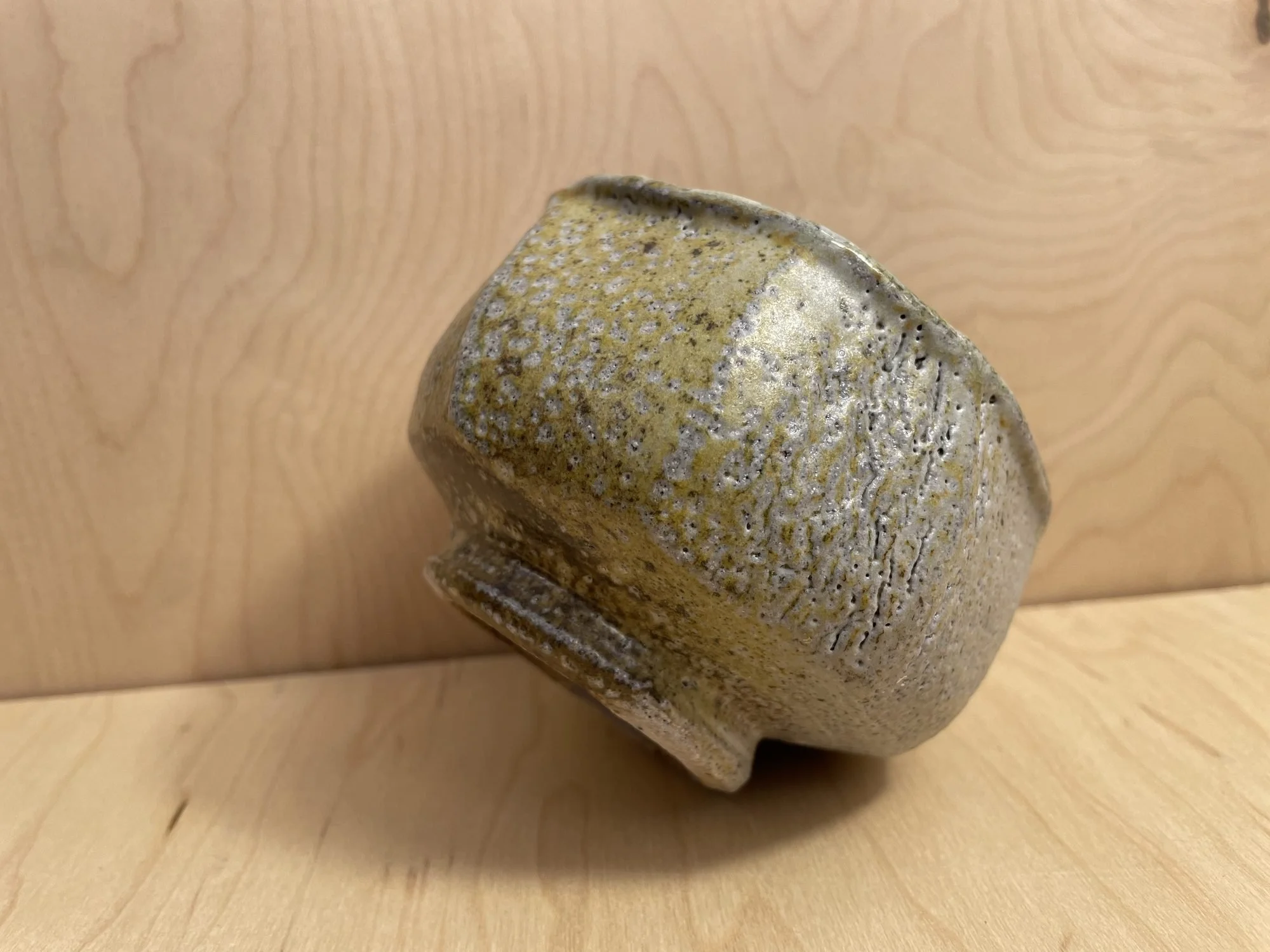
What Is an Atmospheric Kiln?
An atmospheric kiln controls oxygen as well as heat. Here is what oxidation, reduction and neutral mean, and where salt fits.
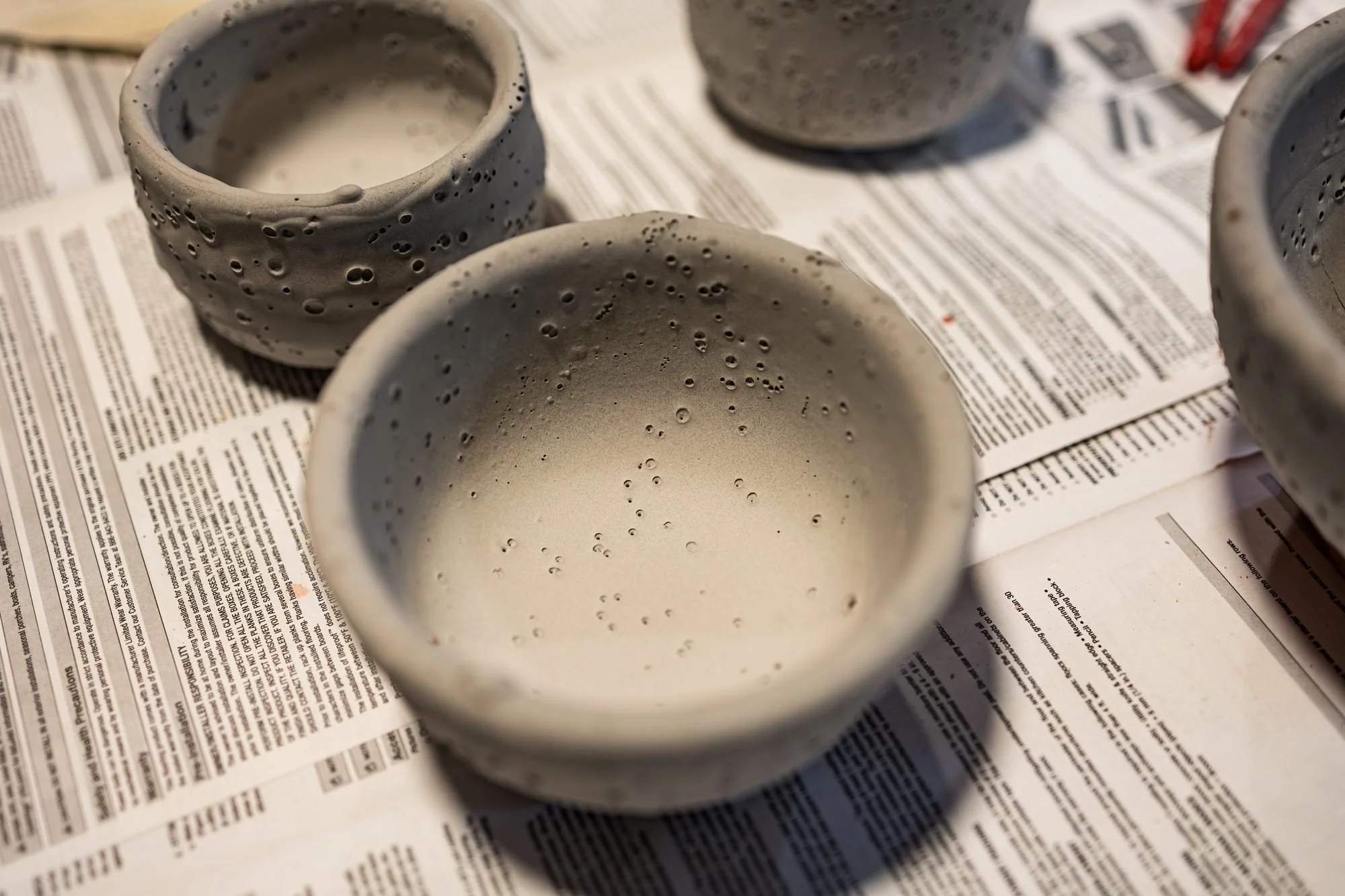
Why Your Glaze Is Pinholing
Pinholes are gas escaping through glaze that is already sealing. Here are the four usual causes and how to test for each.
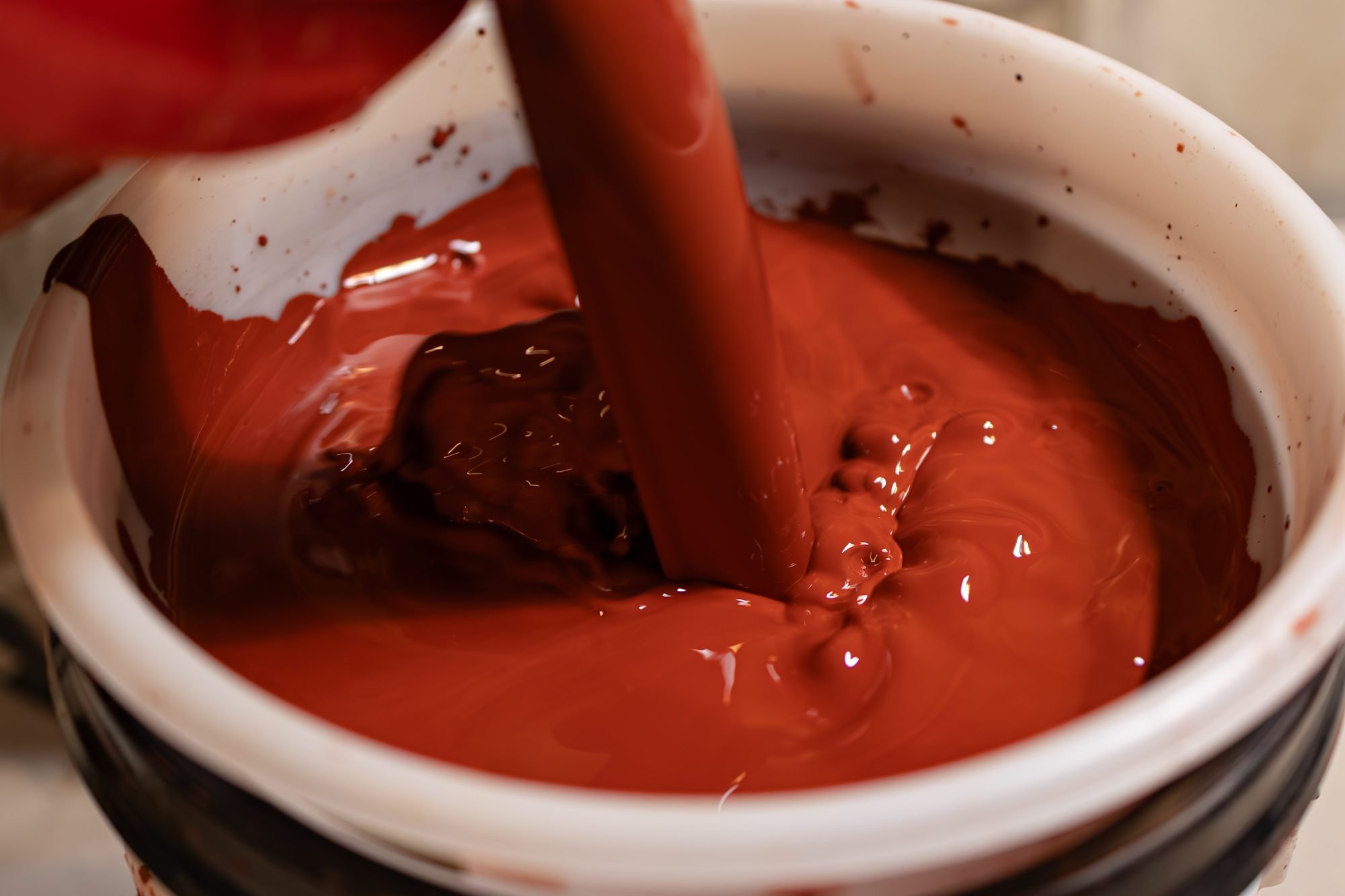
Consistency Starts With Measurement
Repeatable glaze results start with measurement: specific gravity, dip time, firing schedule and clay body, all written down.