How to Find Natural Clay Near You (Utah Guide)
Clay is almost everywhere. The hard part is not finding it. It is knowing what you are looking at once you are standing on it.
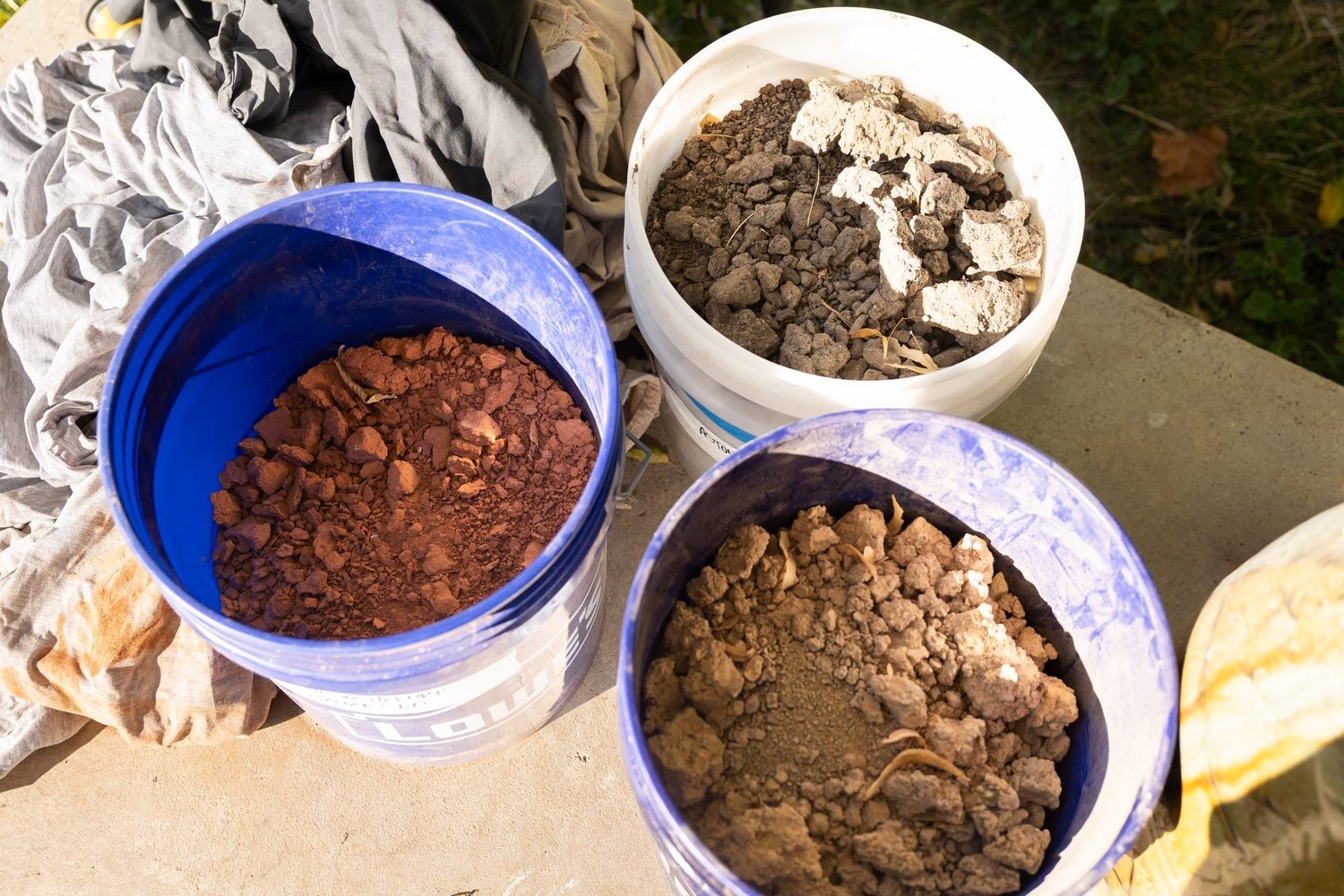
Natural clay is usually found where water once moved slowly and dropped its finest particles: creek and river banks, old lake beds, road cuts, ditch banks and construction sites. Look for a smooth, fine layer that holds a fingerprint when wet and feels slick, not gritty. Then test a small piece before you haul home a bucket.
- Look where water used to sit or slow down
- Wet a pinch: real clay is sticky, smooth and bends without crumbling
- Fire a test tile before you trust it in a pot
Where clay is found
Clay is weathered rock, ground so fine that water carries it until the water slows down. Wherever that happened, clay settled out in layers. In Utah that means old shorelines, creek banks, irrigation ditches and the cuts where roads and builders have sliced into a hillside.
The clay I dig comes from a cut bank a drive from my studio in Logan. I found it the way most people do: by noticing a band of color in a bank that looked different from the dirt above and below it. Clay layers often show up as stripes of gray, tan, red or cream that are smoother and tighter than the soil around them.
How to tell clay from dirt
Take a pinch, wet it, and roll it between your fingers.
Clay feels smooth, almost buttery. Dirt and sand feel gritty.
Roll it into a thin coil and wrap it around your finger. Clay bends. Most dirt cracks and falls apart.
Rub it with your thumb. Good clay takes a slight shine.
If it passes all three, it is worth a bucket.
Before you dig
Ask the landowner first. Private land needs permission, and parks and protected land are off limits. Bring a shovel, and a pickaxe if the ground is frozen or baked hard. In summer, wear a dust mask, because dry clay dust is fine silica you should not breathe. Scrape back the top layer until you reach fresh clay, and label every bucket with where and when you dug it.
What happens next
Dug clay is not ready to use. I soak it until it falls apart, pour it through screens to pull out rocks and roots, let it settle, then dry it back to something I can throw. Then it goes on a test tile, because every clay has a temperature it can survive, and I fire to cone 10.
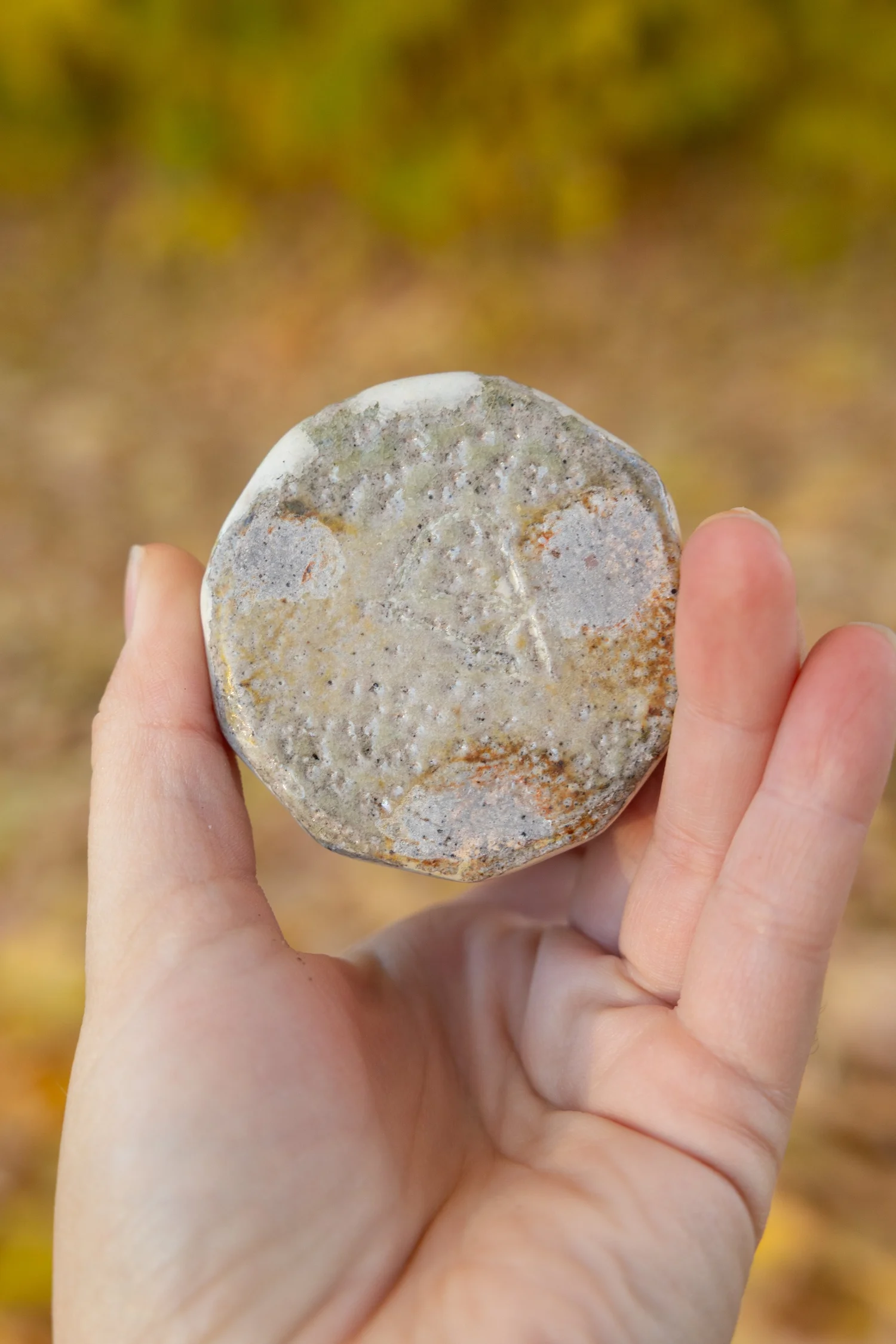
I have written more about how I find and test local clay, and about the problems I keep running into with Utah clay, if you want the longer version.
The best way to start is the simplest: next time you are on a creek bank, wet a pinch and roll it. You might be standing on clay.
