Why I Make Pottery in a Mass-Produced World
You can buy a mug almost anywhere. So why make them by hand, one at a time, in a world that does not need more mugs?
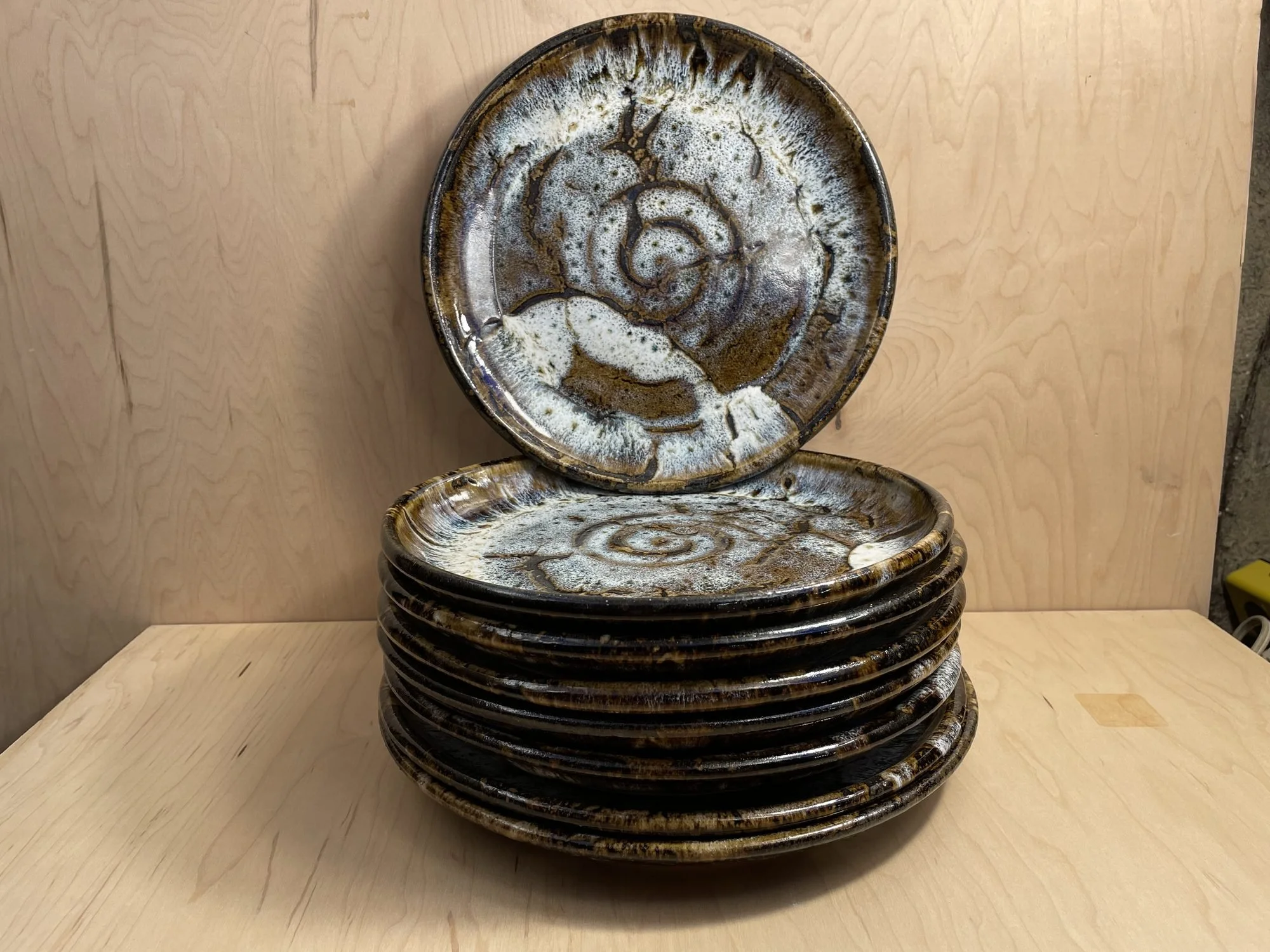
I make pottery by hand because most of what is available is designed to be efficient, not lasting. I care about structural weight, full vitrification and being responsible for every decision, from clay body to the final edit.
- Mass production solves for scale, speed and cost per unit, and some things fall away
- Slowness is a choice: compression, clean trimming and cone 10 firing all take time
- I want to make the objects that stay, not the ones designed to be replaced
A world full of mugs
Big box stores, online retailers, grocery aisles. Perfectly uniform stacks, identical down to the millimeter. Lightweight, inexpensive, replaceable. So why make pottery by hand in a world that does not need more mugs? Because most of what is available is designed to be efficient, not lasting.
What efficiency leaves out
Mass production solves for scale. It solves for speed, shipping and cost per unit. There is nothing inherently wrong with that. Factories do what they are built to do. But when efficiency becomes the main goal, certain things fall away. Walls get thinner. Clay bodies are optimized for throughput. Firing temperatures are lowered to save energy. Glazes are formulated for consistency above everything else.
You end up with objects that function, but do not carry much weight beyond that.

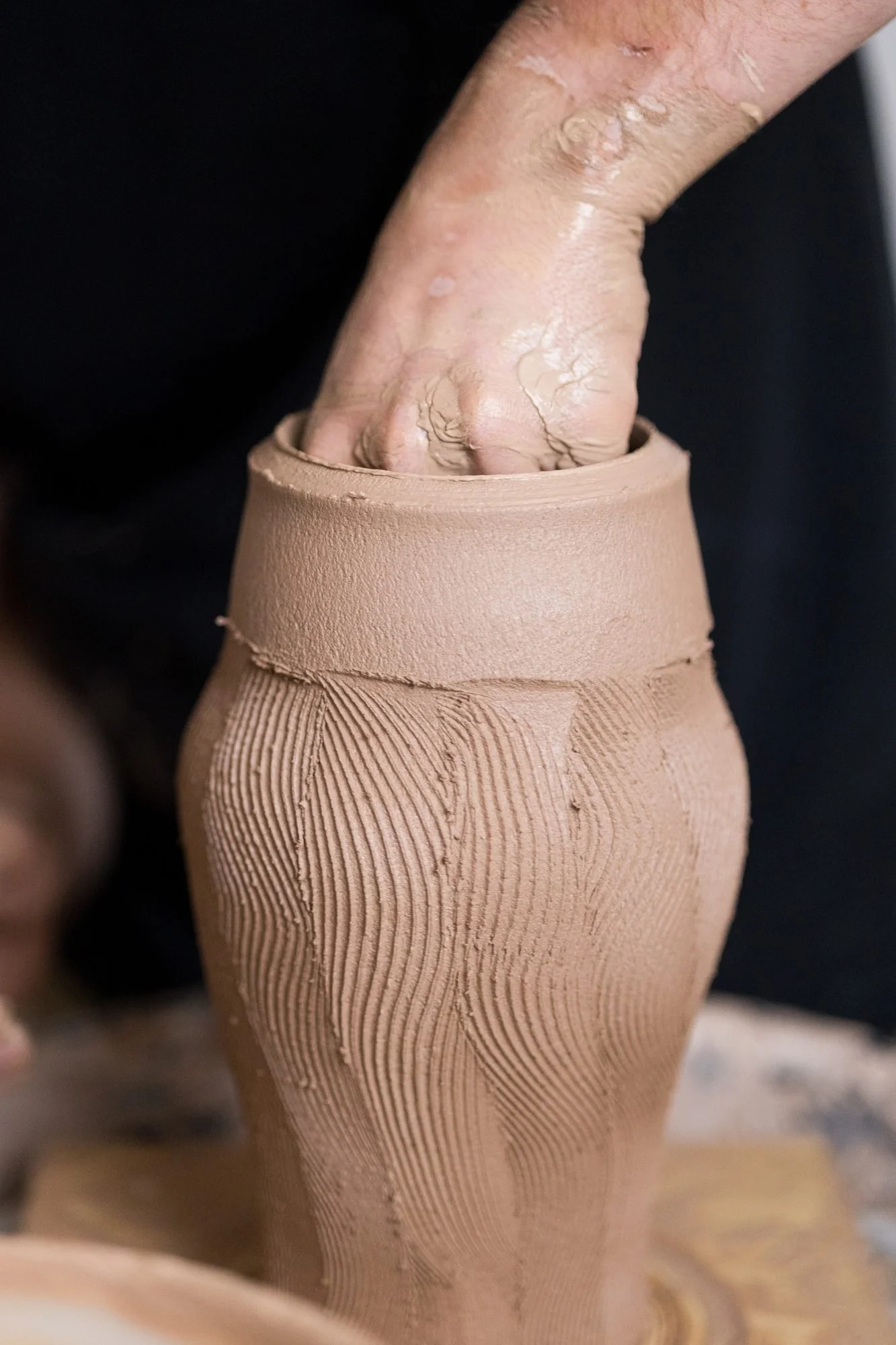
I care about the weight
Not physical heaviness. Structural weight. The kind that comes from compression at the wheel. From trimming a foot ring clean instead of leaving extra clay to save time. From firing to cone 10 because full vitrification matters more than a shorter cycle.
In a mass produced world, slowness is a choice. When I throw a mug, I am not thinking about how many I can make in a day. I am thinking about how it will feel a year from now. Whether the rim will still feel right. Whether the handle will hold steady. Whether the glaze will age well instead of crazing and staining. Factories do not have to ask those questions the same way.
Being responsible for the decisions
I make pottery because I want to be accountable for every choice: clay body selection, glaze fit testing, firing schedule adjustments, and editing out pieces that do not meet the standard. That accountability disappears in volume production.
Objects that stay
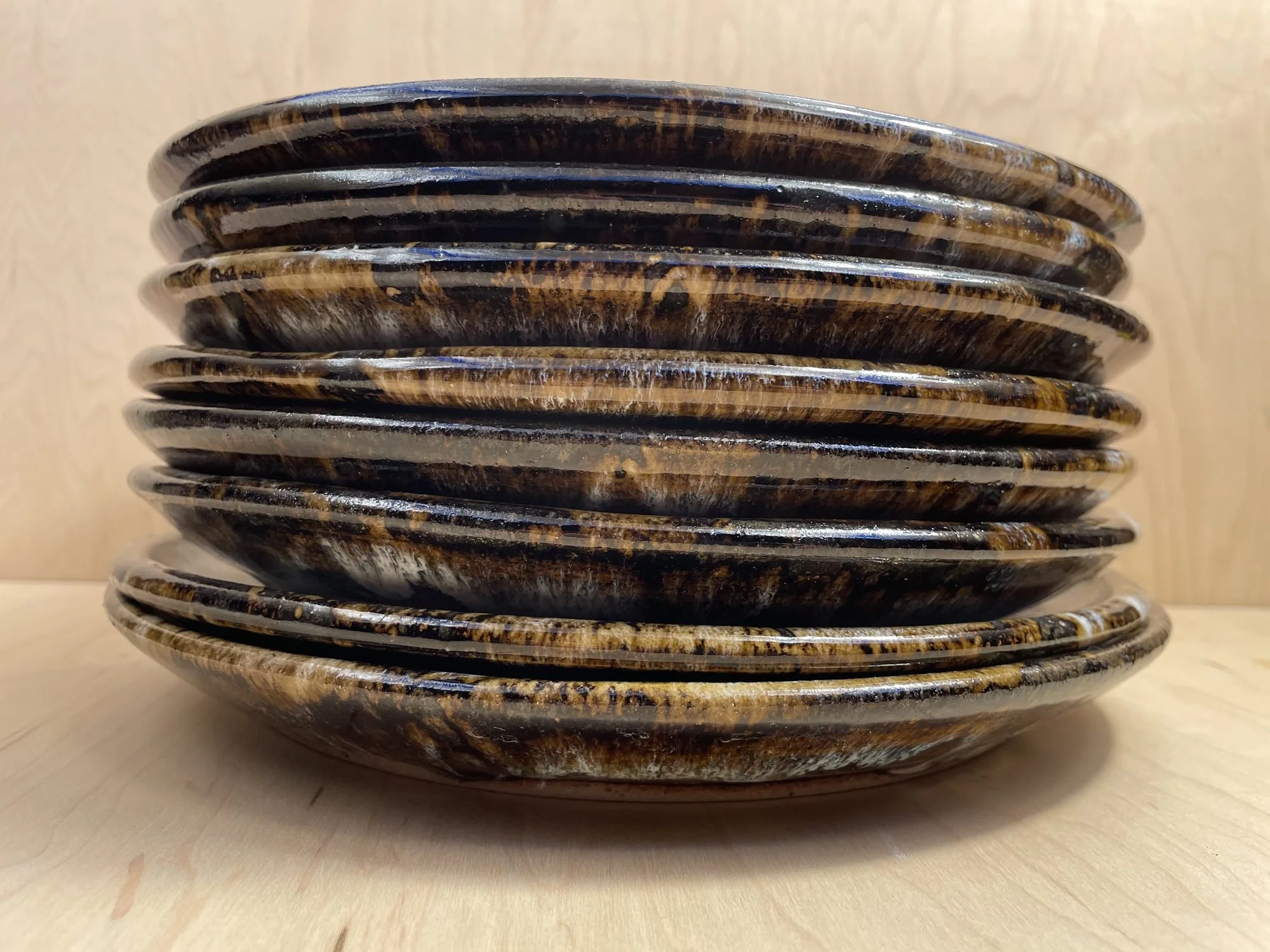
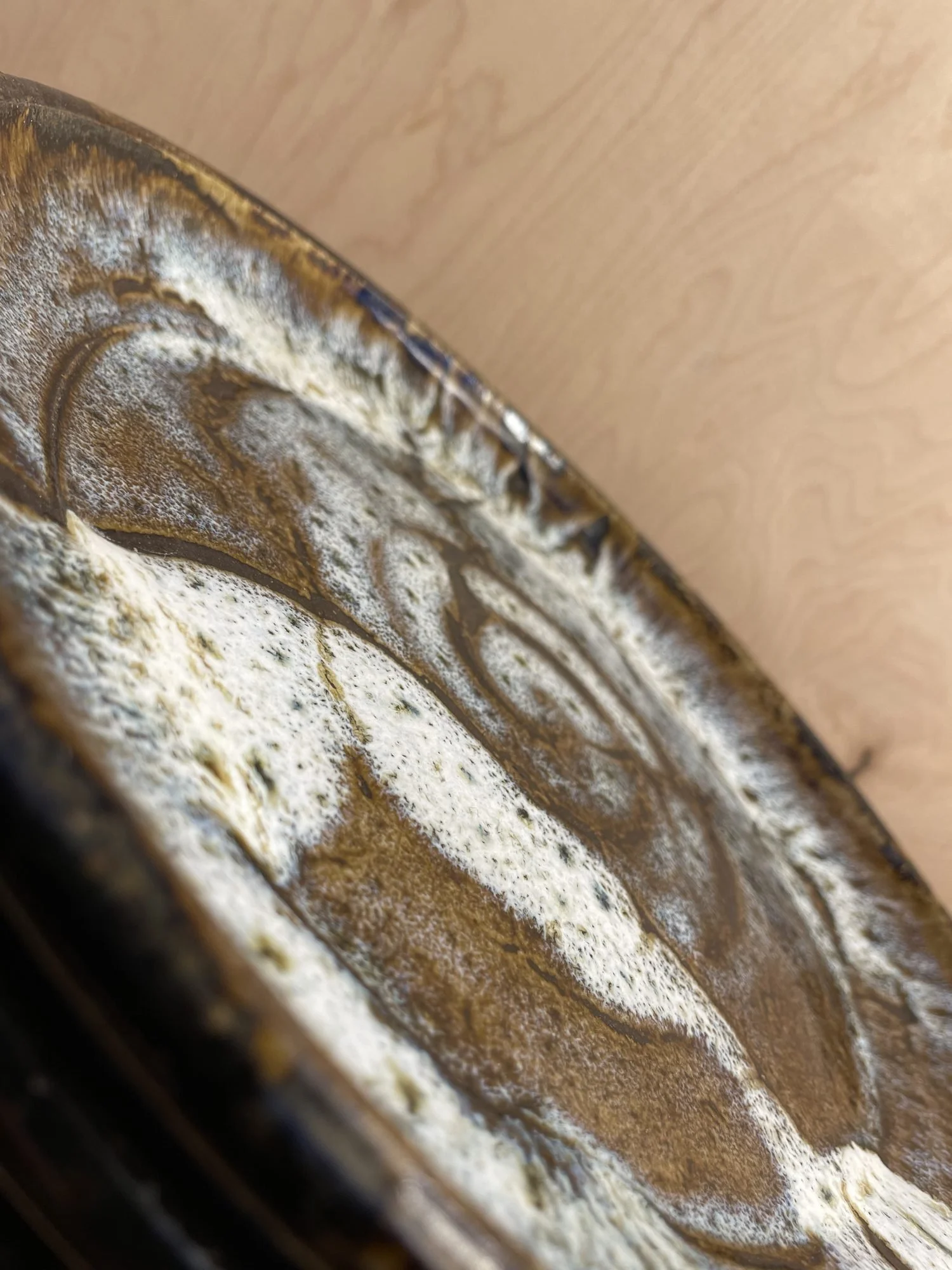
There is something else, too. In a world where most objects are designed to be replaced, I am interested in objects that stay. The mug you reach for without thinking. The bowl that survives years of dinners. The piece that earns small wear marks instead of being thrown out when trends shift.
Handmade pottery is not about rejecting modern life. It is about choosing a different relationship to the objects inside it. I do not believe everything needs to be handmade. But I believe some things should be: the objects you touch every day, the ones that sit in your hands and hold heat and weight and routine.
If you are starting a handmade collection, start with the piece you use most. One good mug used every morning will tell you more about handmade pottery than a shelf of pieces you save for guests.
Mass production has its place. This is mine.
