The First Time I Fired a Salt Kiln
When I was invited to be part of my first salt firing, I didn’t play it safe.
I went back to the studio and started throwing like I meant it.
For two weeks straight, I made pots with that firing in mind — about fifty of them. Mugs, bowls, simple forms. Nothing overly complicated. I kept the shapes honest and restrained. I glazed them lightly on purpose.
I didn’t want glaze to steal the show.
I wanted the salt to do the work.
Salt firing had already taken hold of me at that point. The unpredictability. The way flame and vapor move through a chamber. The way surfaces come out looking weathered instead of painted. It felt alive compared to controlled electric firings.
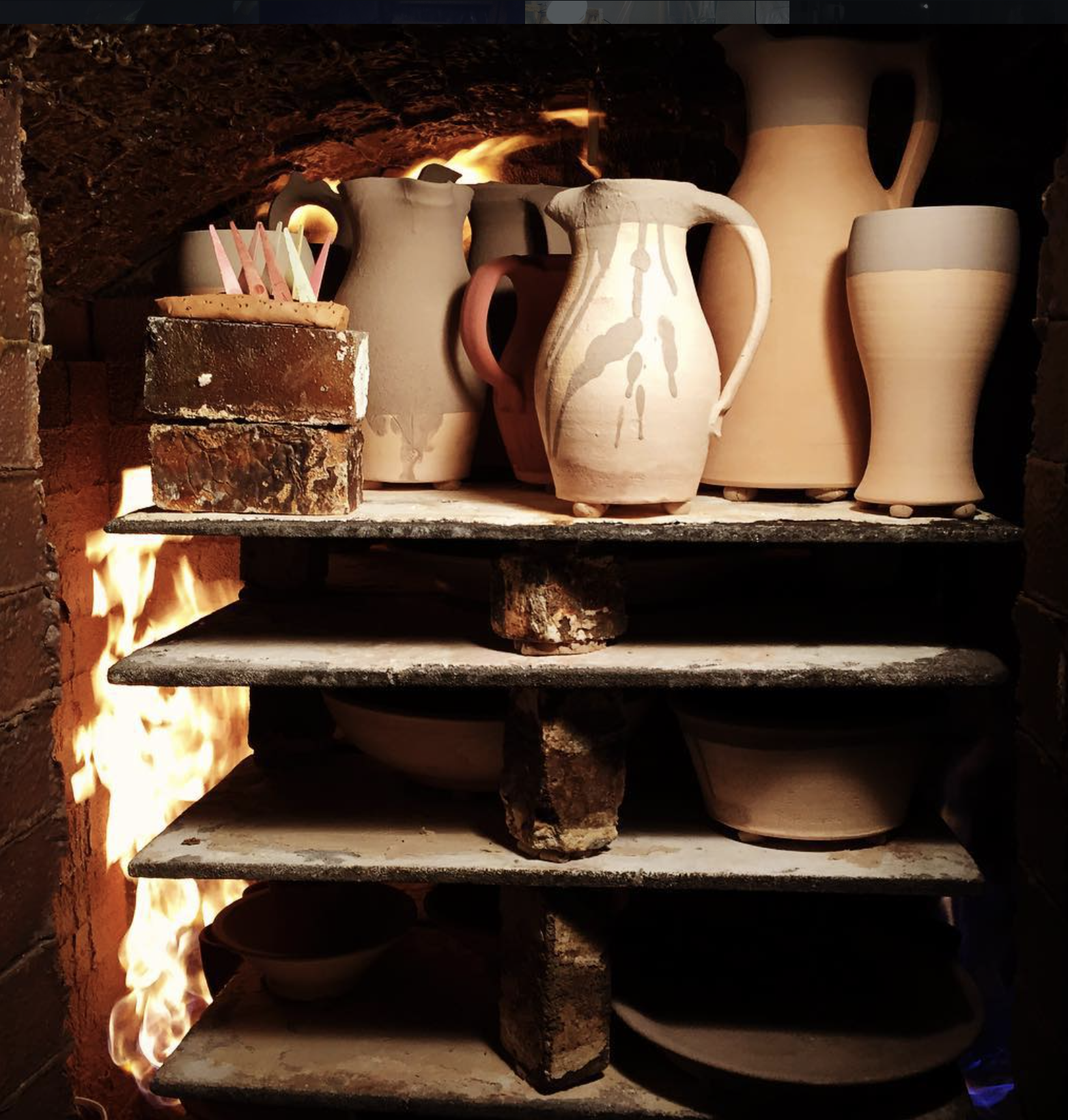
When we loaded the kiln, I remember the weight of it.
Wadding under every piece. Shelves set tight but not suffocating. Enough space for flame movement. The door bricked up carefully. Burners steady. Everything sealed and intentional.
Then the canyon wind reminded us who was really in charge.
Sometime overnight, the burners blew out.
Nothing dramatic. No damage. Just silence where flame should have been.
The next morning, we realized the firing had stalled. That meant relighting. Rebuilding heat. Repeating hours of climb. It wasn’t catastrophic — but it was humbling.
Salt firing isn’t convenient.
We brought it back up. Monitored the pressure. Adjusted air. Checked cones. And then we did what students do during a long university firing — go to class, check in when you can, rotate shifts, trust the process.
By around 7 that evening, the kiln reached cone 8.
That’s when the atmosphere changes.
Salting a kiln is physical. You introduce salt through ports at temperature and it vaporizes instantly. The flame shifts. The chamber responds. There’s a sense that something irreversible is happening inside.
We started salting.
And we didn’t hold back.
One charge after another. Watching the flame. Waiting for response. Adding more.
By the end of it, we had used around fifty pounds of salt.
At the time, that felt like commitment. If a little salt creates texture, a lot must create more, right?
When we finally opened the kiln days later, the surfaces were… fine.
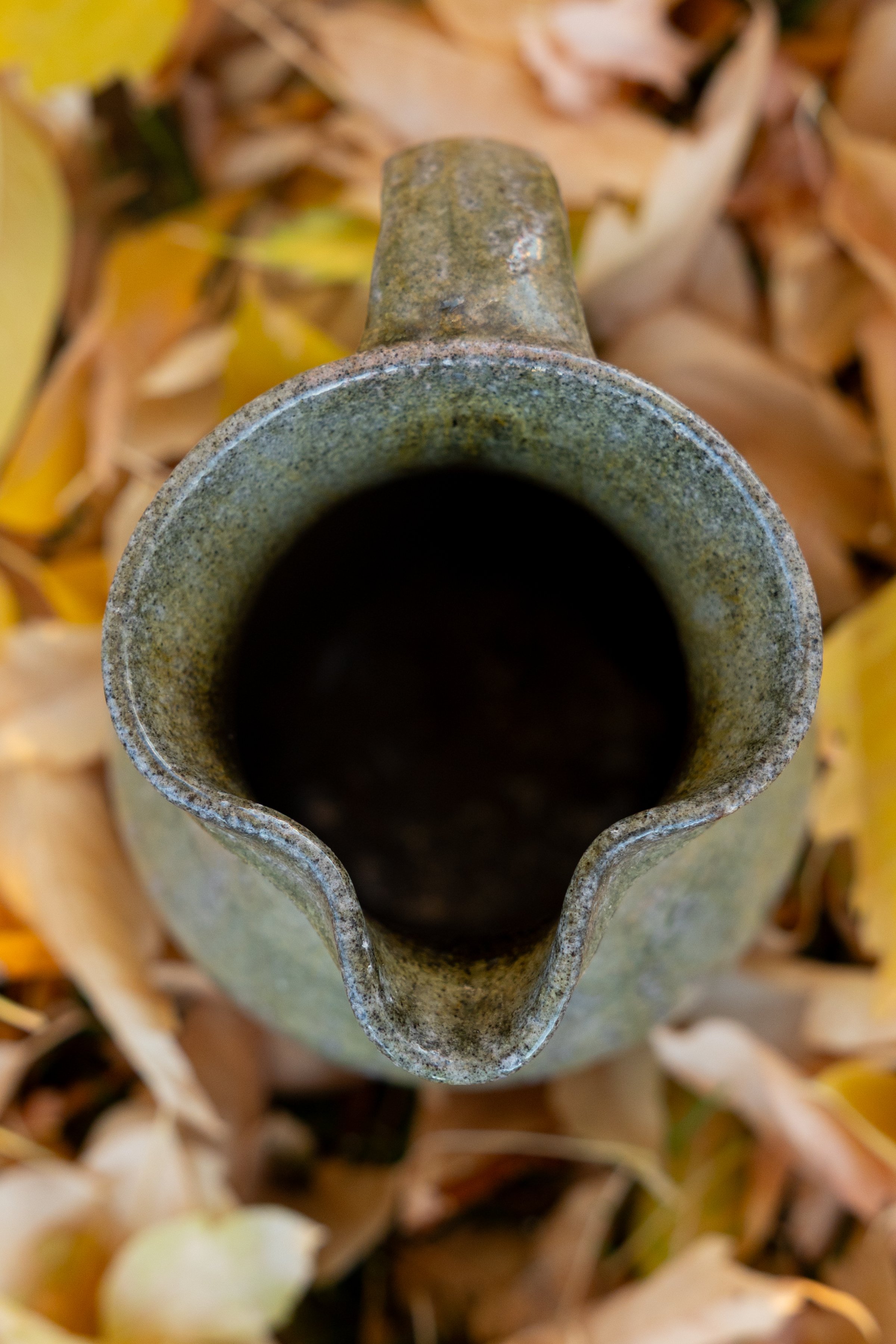
There was some orange peel. Some flashing. Some movement.
But it wasn’t what we imagined after hauling in that much salt.
It wasn’t dramatic. It wasn’t rich. It wasn’t as alive as we expected.
That was the turning point.
We learned later that starting the salting process earlier — around cone 7 instead of waiting until cone 8 — gave the vapor more time to react with the silica in the clay. It created better surface development with less salt.
Timing mattered more than volume.
That lesson stuck with me more than any dramatic result could have.
Salt firing isn’t about force.
It isn’t about dumping in more material and hoping for magic.
It’s about reading heat. Understanding atmosphere. Introducing the right thing at the right time.
That first firing didn’t give me perfect pots.
It gave me perspective.
It taught me that salt is a conversation, not a command.
And that’s what made me want to do it again.
— Adam Corbridge
Learning the hard way and still grateful for the heat.
Follow the journey at adamcorbridgepottery.com