What Is an Atmospheric Kiln?
Most people know the electric kiln: set the temperature and wait. An atmospheric kiln asks you to manage the air inside it too, and the pots show it.
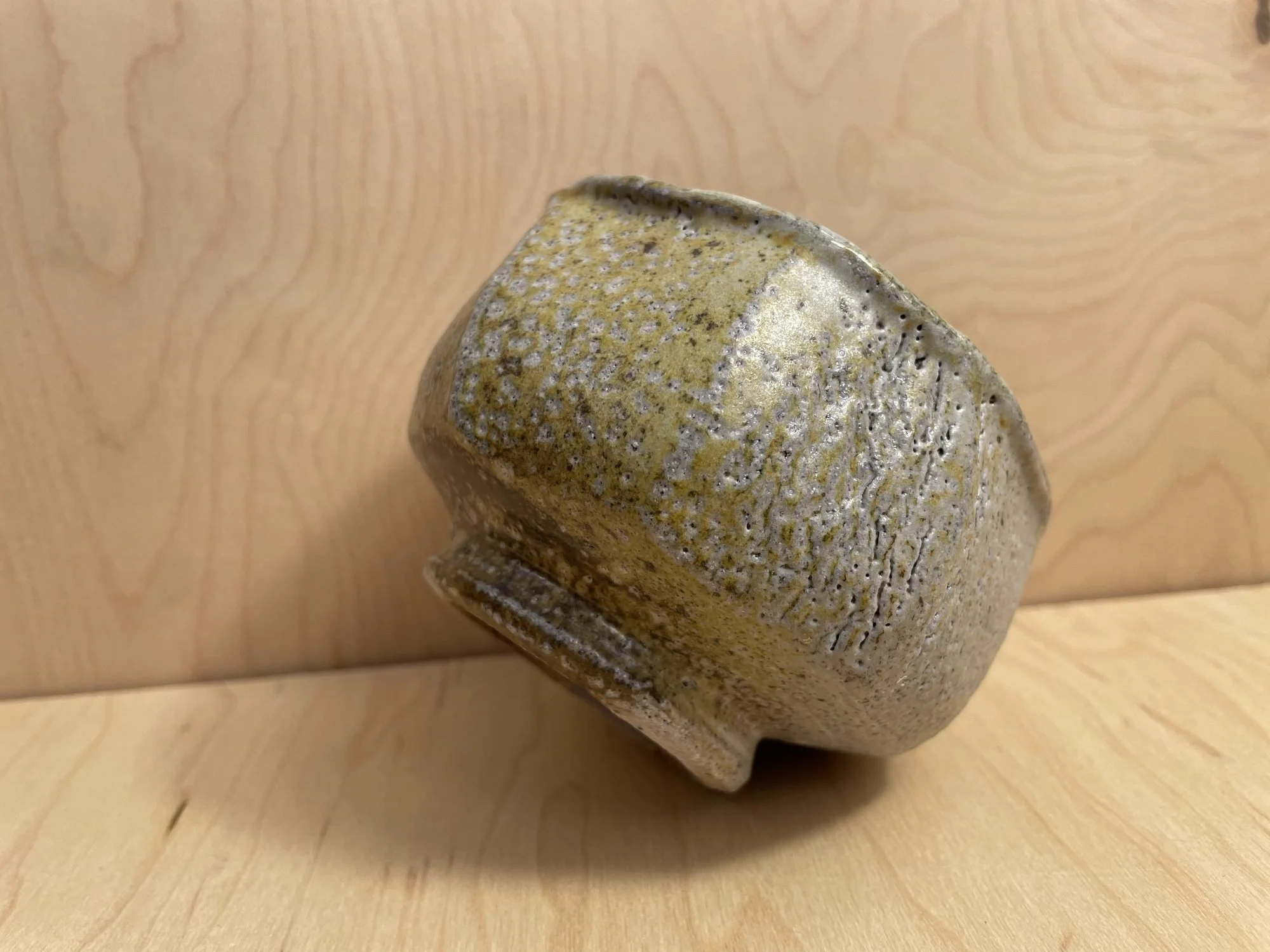
An atmospheric kiln is one where the air inside the chamber is actively manipulated during firing. Instead of controlling only temperature, you control oxygen, and that changes how clay and glaze behave at high heat.
- Oxidation means plenty of oxygen: clean burning and warm iron browns
- Reduction starves the flame of oxygen, which deepens iron and can turn copper red
- Salt firing is atmospheric by nature, because sodium vapor needs controlled airflow to react properly
The simple version
Most people are familiar with electric kilns. In a standard electric firing, the atmosphere inside the kiln is neutral to slightly oxidizing. The elements heat up, the air inside stays consistent, and oxygen is present in steady amounts. The firing is predictable.
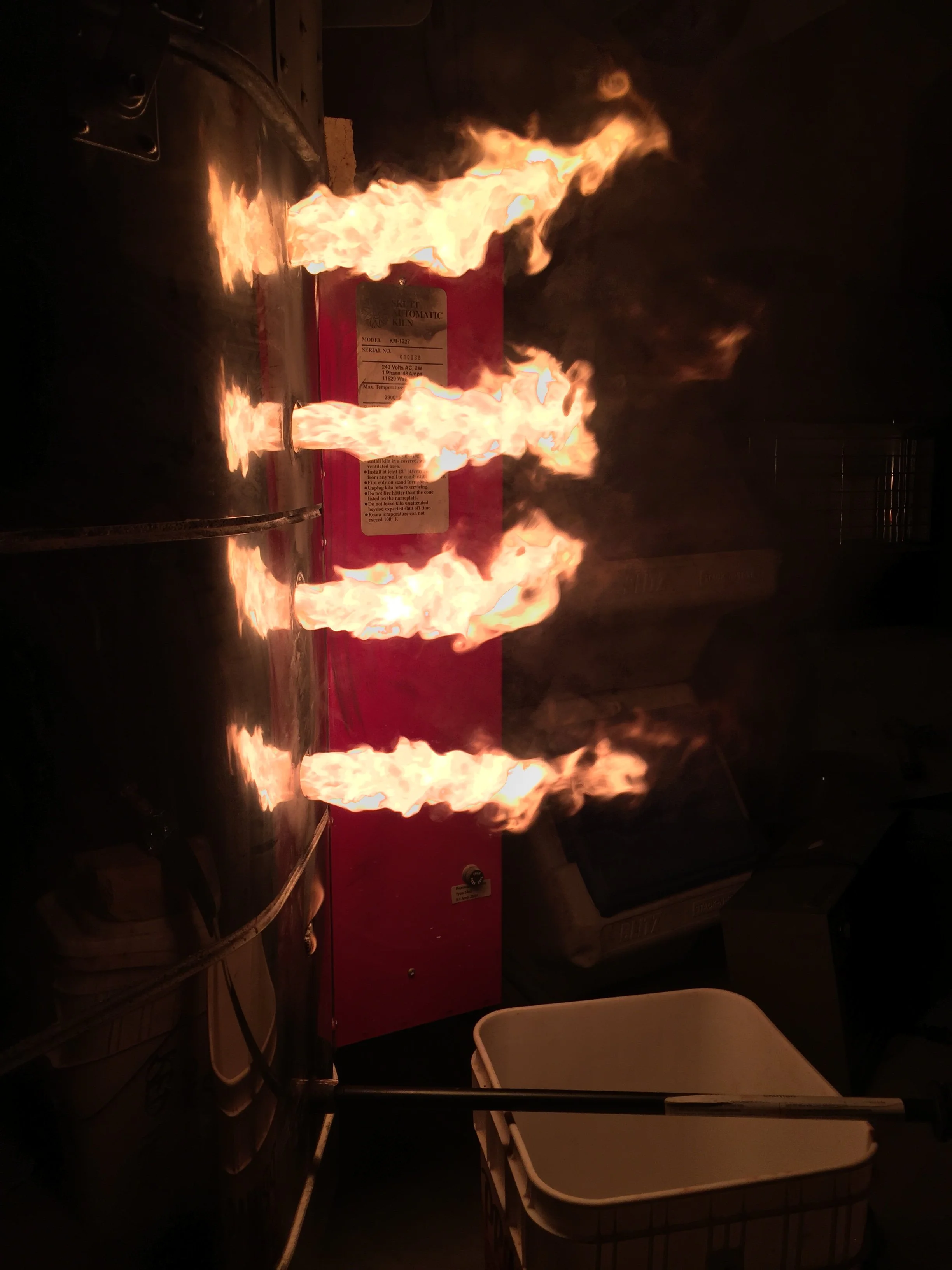
An atmospheric kiln is different. Instead of just controlling temperature, you are controlling oxygen levels. Flame, fuel and airflow all become part of the process, and that changes how materials behave at high heat.
Three atmospheres
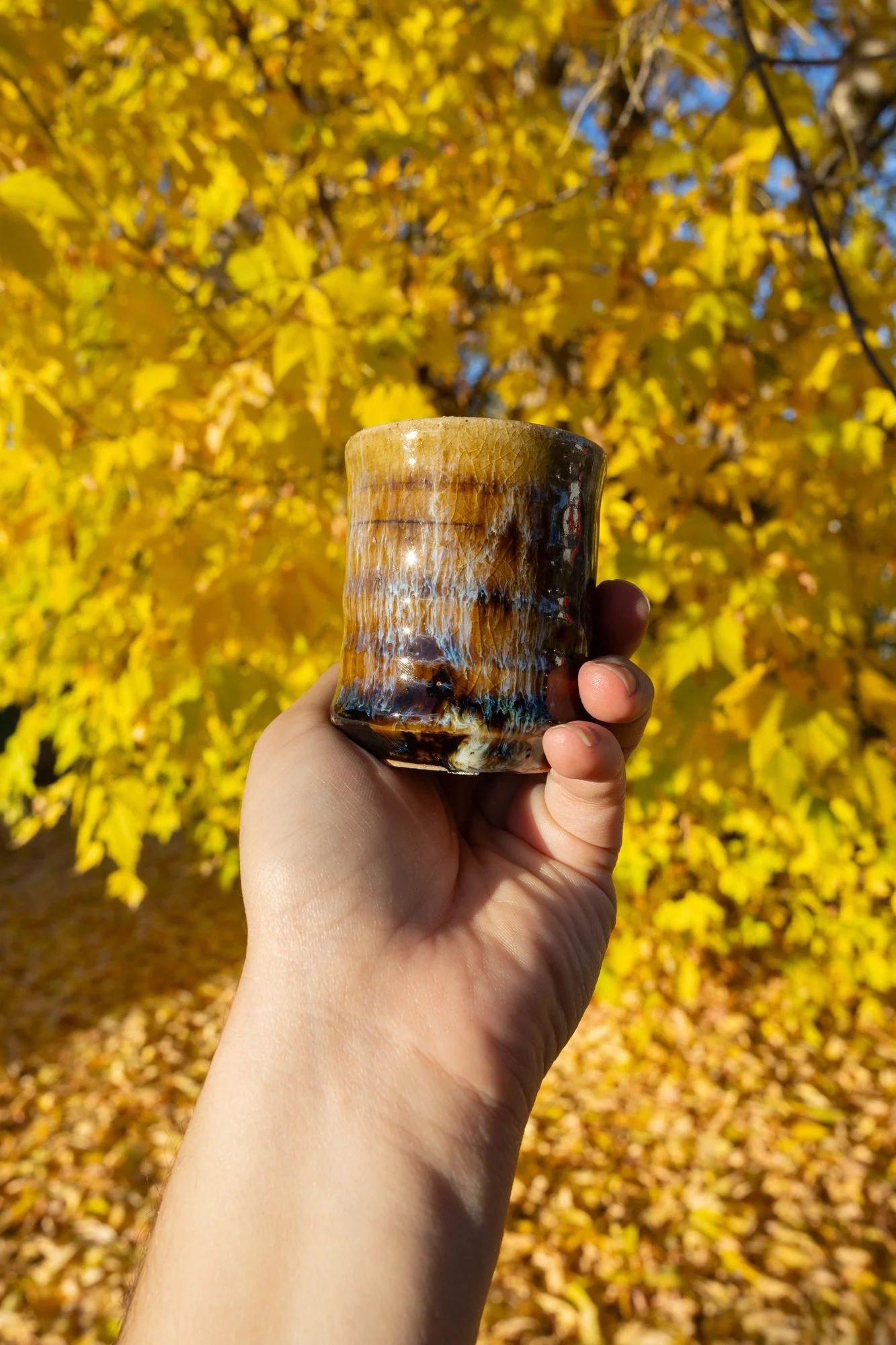
Oxidation. Plenty of oxygen is available in the kiln. Materials burn cleanly. Iron stays in its oxidized state, producing browns, tans and warm earth tones. This is what most electric firings produce.
Reduction. Oxygen is restricted. The flame goes looking for oxygen and pulls it from the metal oxides in the clay and glaze. That chemical shift changes color and surface response. Iron darkens. Copper can turn red instead of green. Surfaces deepen and variation increases.
Neutral. A balanced state, neither strongly oxidizing nor reducing. It is often used to stabilize certain glaze effects or to manage transitions during a firing.
In an atmospheric kiln, whether it burns gas or wood or uses soda or salt, those shifts are intentional. You adjust dampers, burner pressure and airflow to create the atmosphere you want.
Atmosphere changes the surface
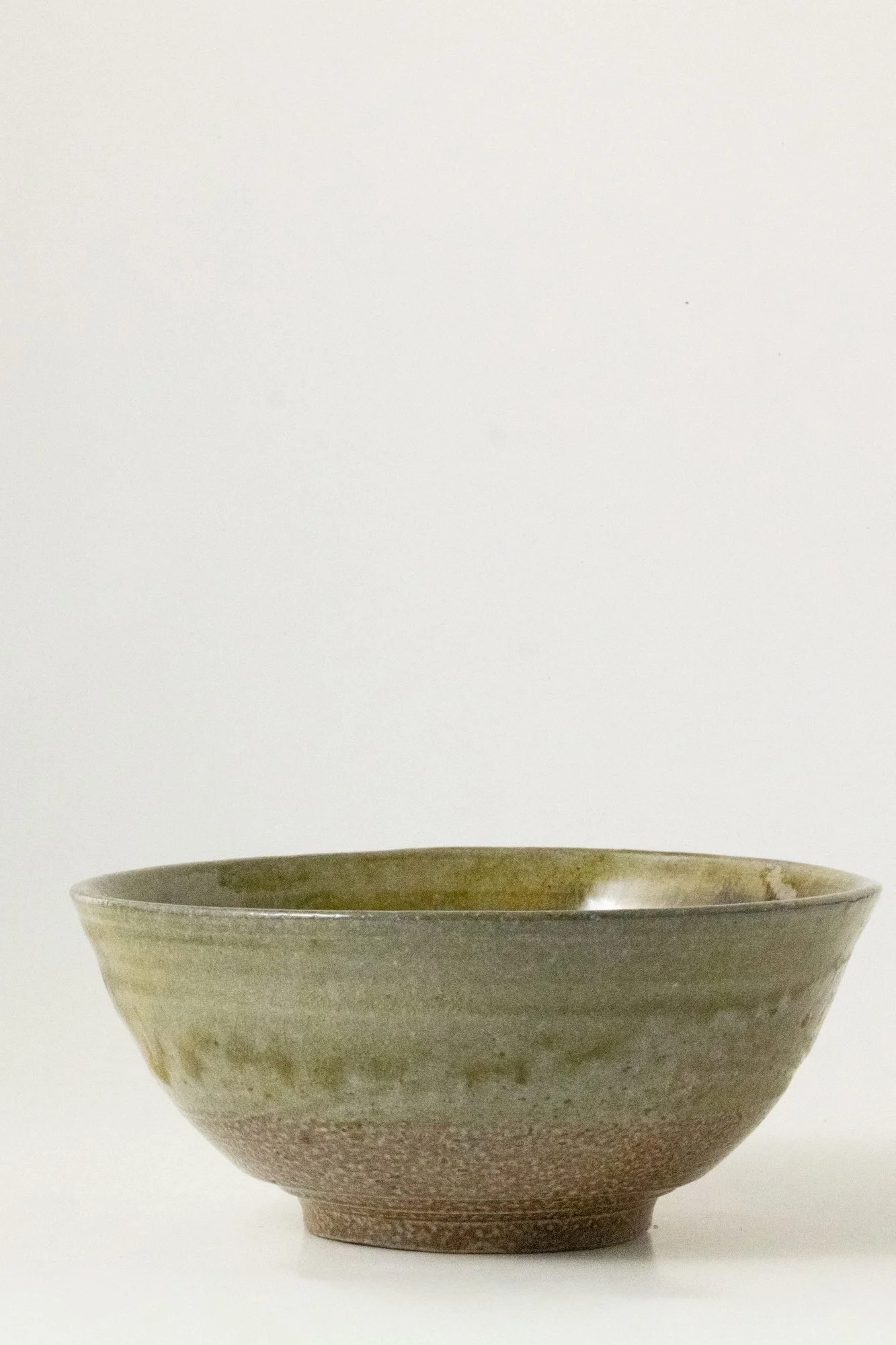
Iron rich clays respond differently in reduction than in oxidation. Ash deposits behave differently. The flame path creates variation across the chamber, so two pieces placed in different parts of the kiln can come out subtly different because of how the atmosphere moved around them.
Where salt fits in
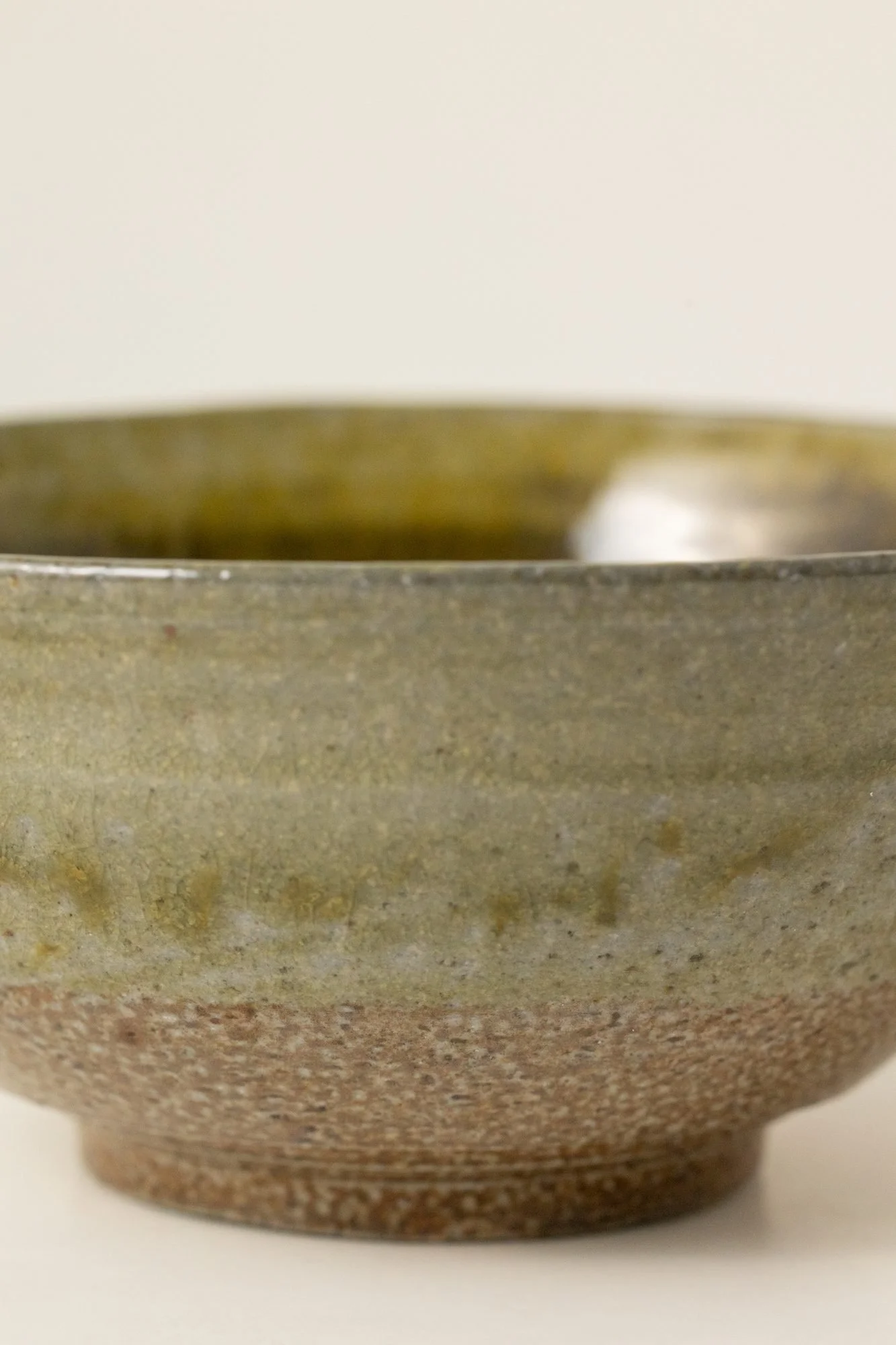
A salt kiln is atmospheric by nature. When salt is introduced at high temperature, sodium vapor moves through the chamber and reacts with the silica in the clay body. That reaction only works properly if airflow and atmosphere are controlled. Too much oxygen, too little, or an uneven draft all affect how the surface develops.
Atmosphere is not only about color. It is about depth, interaction and how the surface is integrated with the clay. In a neutral electric firing, a glaze largely behaves according to its recipe. In an atmospheric kiln, the glaze also responds to its environment, and the kiln becomes part of the surface. That is one reason atmospheric work feels different in the hand. The variation is not painted on. It forms through chemistry and movement inside the chamber.
When you look at an atmospheric fired pot, turn it all the way around. The side that faced the flame often looks different from the side that faced away, and that difference is a record of where it sat in the kiln.
When I talk about building a salt kiln, this is what I mean. It is not just another way to heat clay. It is a different way of working with it.
