How to Actually Test for Crazing and Shivering
A glaze can look perfect coming out of the kiln and still fail a month later. Here is how I test for crazing and shivering on purpose instead of hoping.
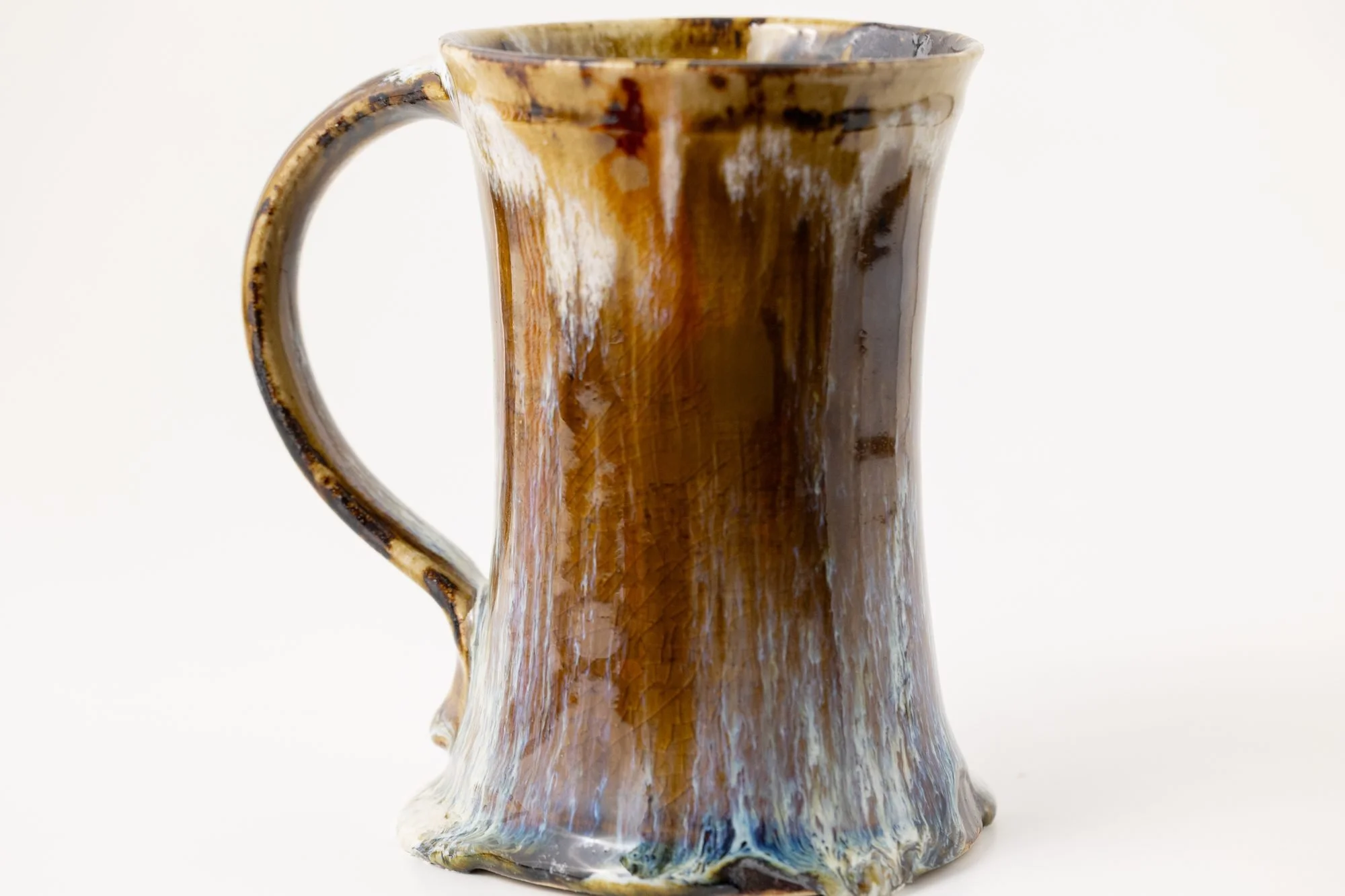
Crazing and shivering are both glaze fit problems caused by a mismatch in thermal expansion between glaze and clay. You find them by stressing test pieces on purpose: hot and cold water cycles, a permanent marker, a close look at rims, and weeks of real use.
- Crazing: the glaze shrinks more than the clay and cracks under tension
- Shivering: the glaze shrinks less than the clay and flakes off at edges
- Fix fit with silica, alumina or flux balance, not with a different firing schedule
Opposite failures, same root
Smooth surface, good color, no visible defects when it comes out of the kiln. But glaze fit is not about how a piece looks on day one. It is about how the glaze and the clay behave together over time.
Crazing happens when the glaze contracts more than the clay as it cools. The glaze ends up in tension and forms fine crack lines. Shivering is the reverse. The glaze contracts less than the clay, ends up under compression, and can flake off at rims or edges. You do not test for these by looking once. You test on purpose.
Test 1: the hot and cold cycle
Take a finished test piece and pour boiling water into it. Let it sit for a minute. Then dump it and immediately rinse it or set it in cold water. That rapid temperature change stresses the place where glaze meets clay.
Dry it and look closely. Sometimes crazing lines appear right away. Sometimes they show up hours later. If you want to be sure, repeat the cycle a few times.
Test 2: the marker
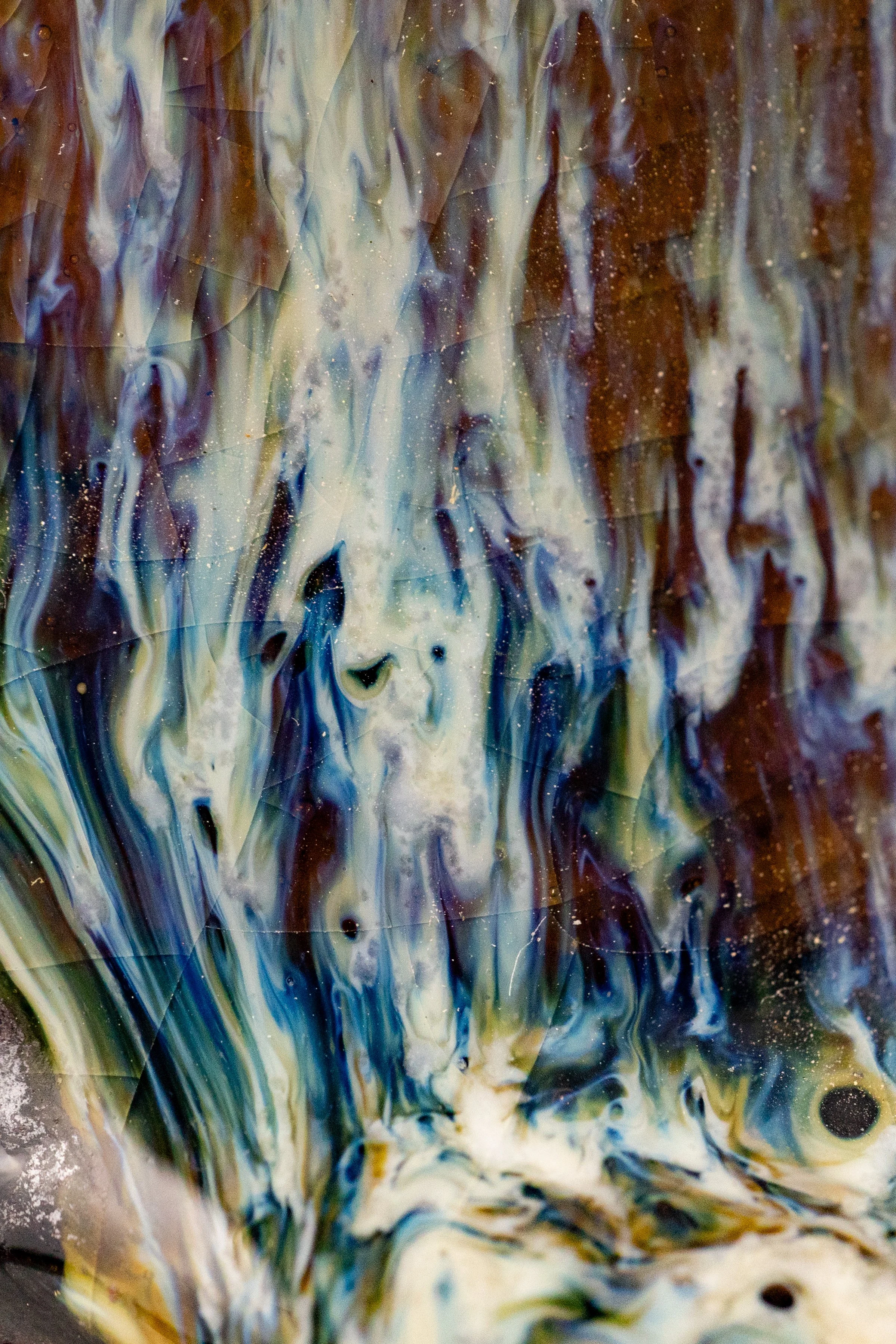
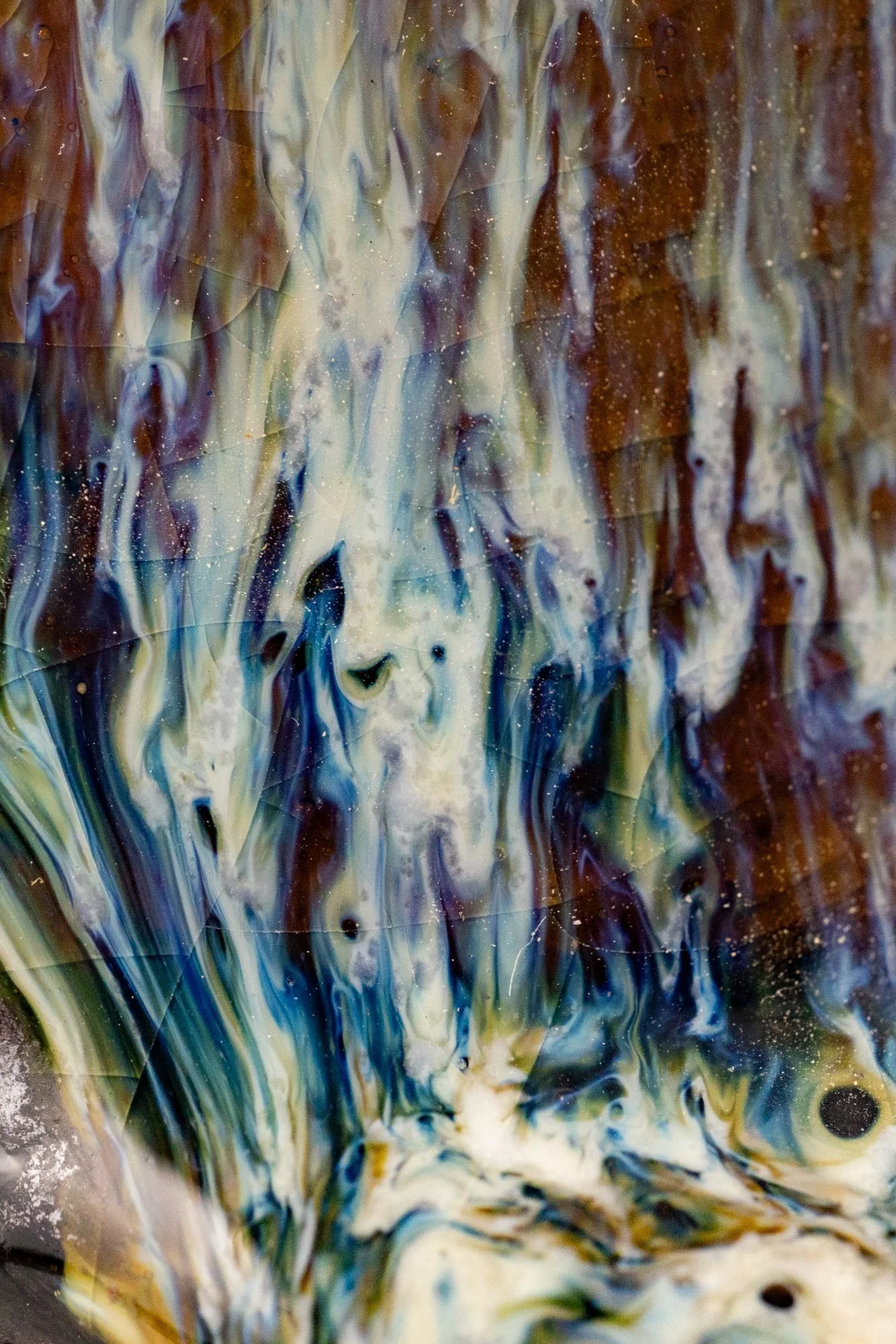
If you suspect fine crazing that is hard to see, draw over the glazed surface with a permanent marker and wipe it off. If ink stays in hairline cracks, you have crazing. It is simple, but it works.
Test 3: edges and time
For shivering, pay attention to edges. Run your finger along the rim and the foot ring and look for tiny flakes lifting. Sometimes shivering will not appear until weeks later, especially after repeated heating and cooling.
That is why long term testing matters. I keep test pieces in rotation. They go through dishwasher cycles, microwave reheats and daily use. Not because I am waiting for failure, but because I want to know the fit is stable long after the first firing.
Cone 10 does not fix fit
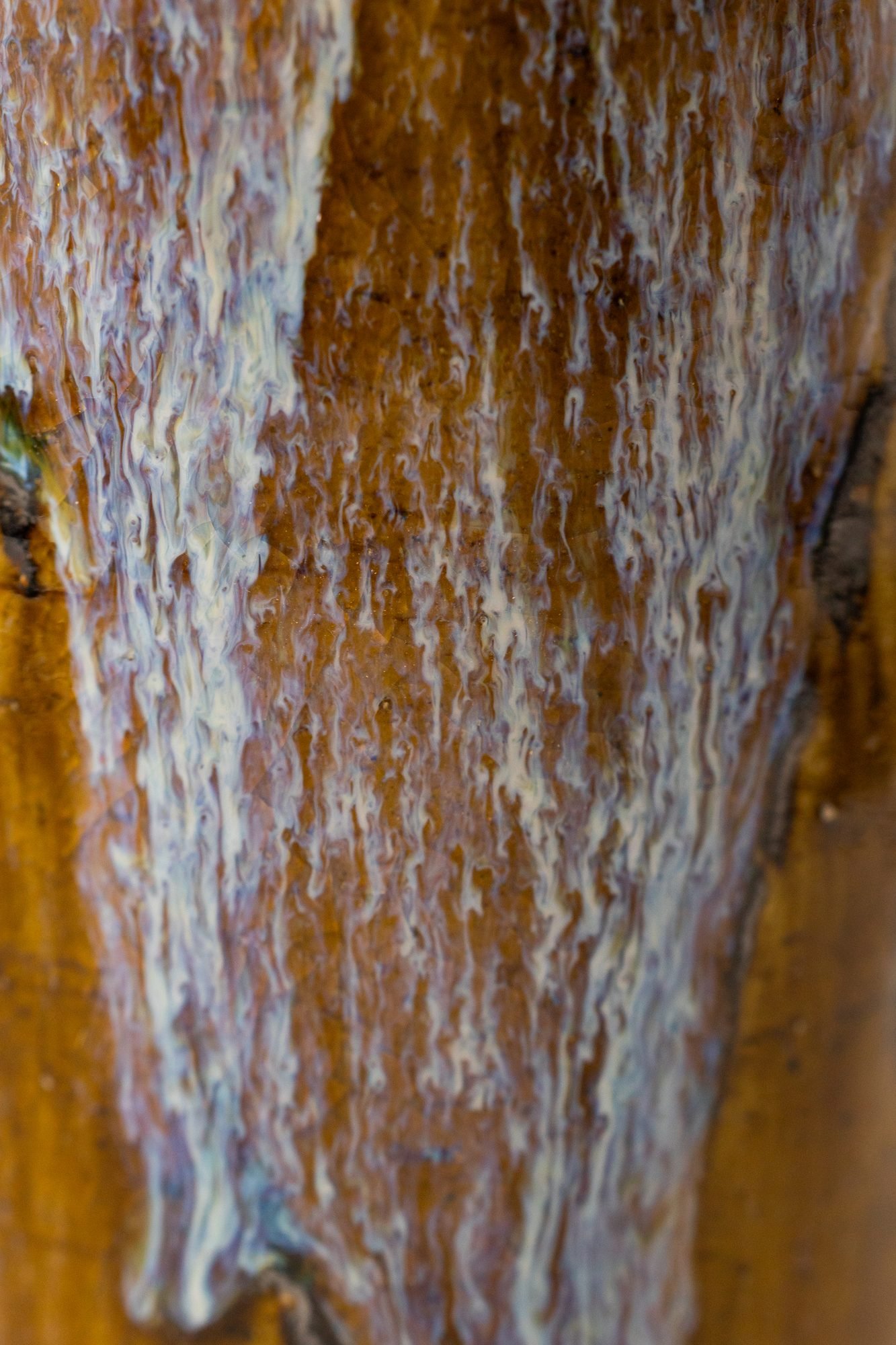
High fire can reduce some crazing because clay bodies often vitrify more fully, but expansion mismatch still exists. The glaze chemistry still has to line up with the clay body, and if it does not, temperature alone will not save it. You adjust fit by changing silica levels, alumina content or flux balance, not by hoping a different firing schedule will fix it.
I take this seriously for one reason: durability. A crazed glaze is not automatically unsafe, but it can stain over time. A shivering glaze can create sharp edges and structural weakness. Neither belongs on functional ware meant for daily use. If a glaze does not pass testing, it does not move forward. Color does not override stability, and surface does not override structure.
Label every test piece with the glaze, the clay body and the firing date before it goes into rotation. When crazing shows up three weeks later, you will want to know exactly which combination it was.
Further reading: Digitalfire's reference pages on glaze crazing, glaze shivering, glaze fit.
Fit matters more than color. That is the standard behind every glaze I use.
Part of my guide to common glaze problems and how to fix them. Also in the series: Why your glaze is pinholing · Crawling and shivering: why glazes fail.
