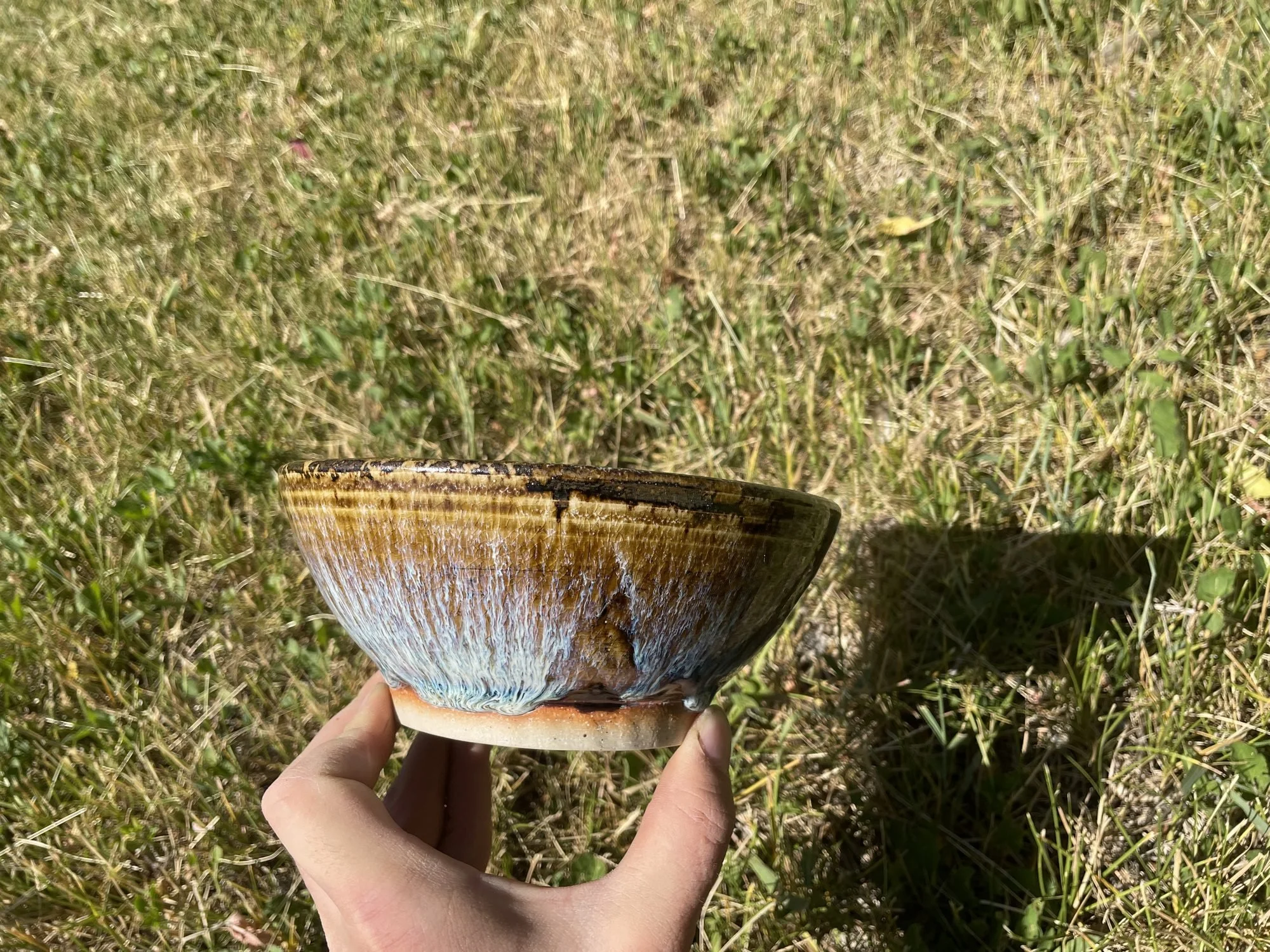
Food Safe Isn’t Just “Lead Free” in Pottery
Lead free does not mean food safe. Safety in pottery comes from formulation, full firing, vitrification, glaze fit and testing.
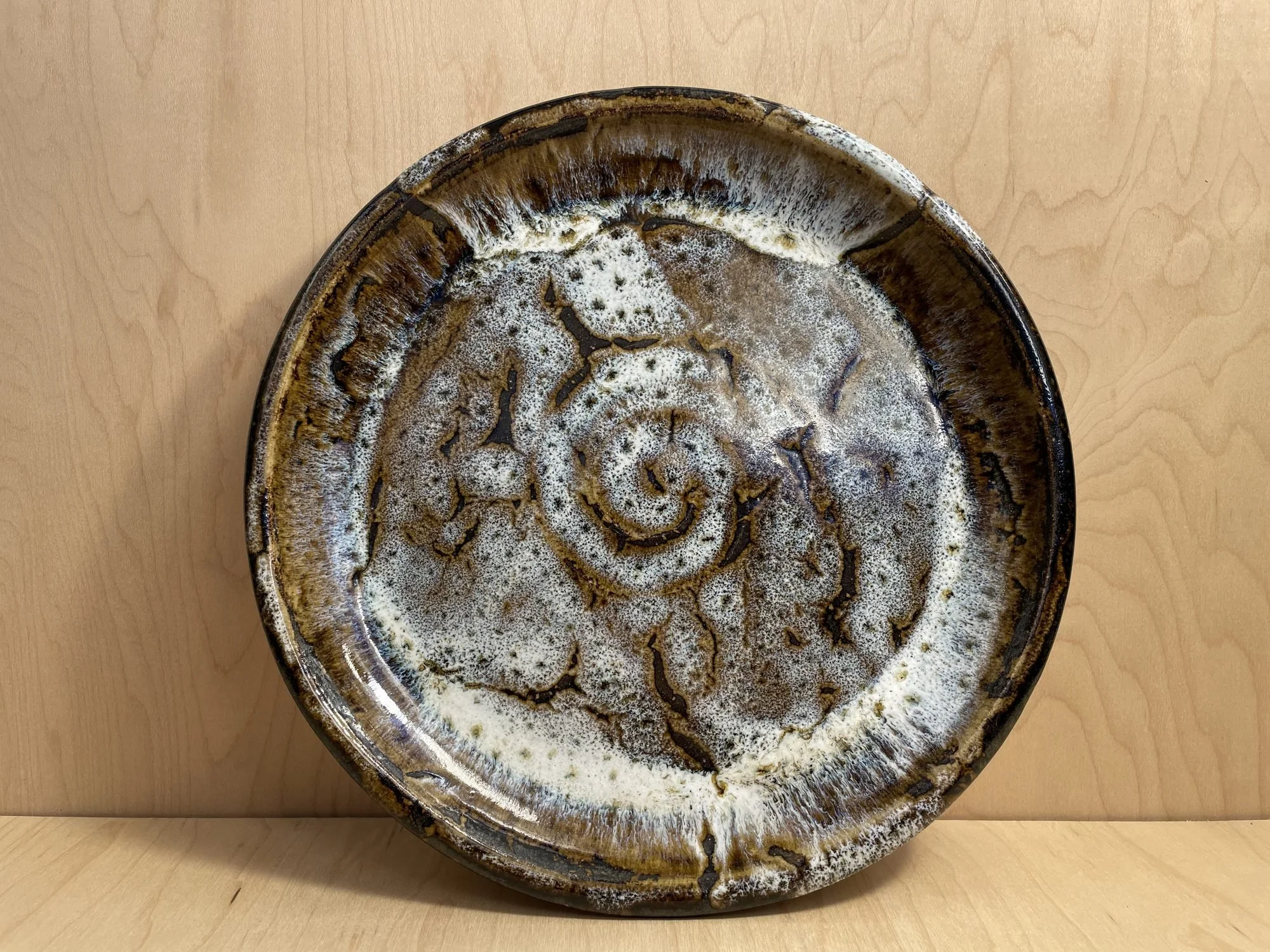
Why Plates Warp and How to Prevent It
Plates warp from uneven stress. Clay choice, compression, even thickness, slow drying and level shelves keep them flat.
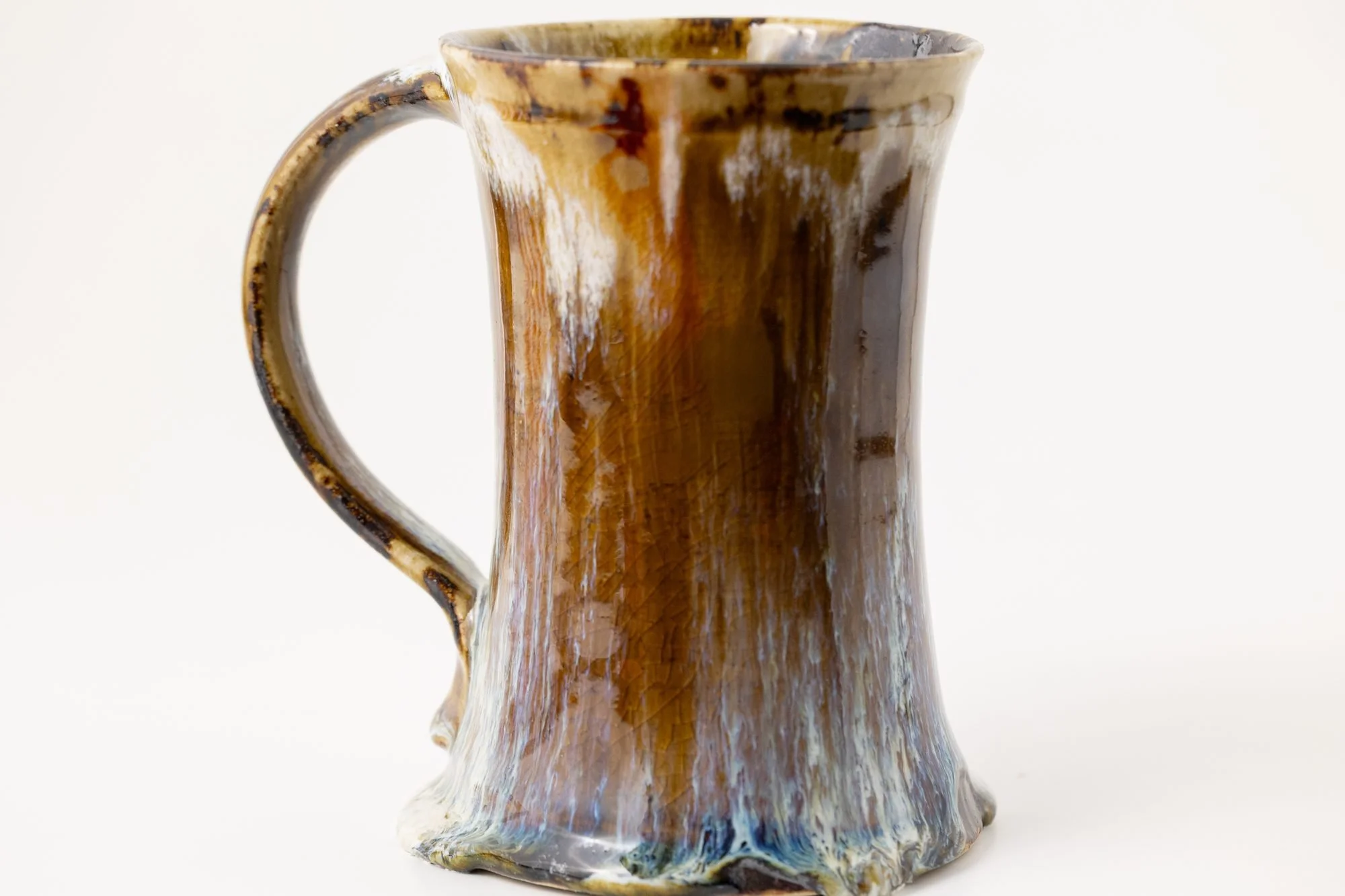
How to Actually Test for Crazing and Shivering
A glaze can look perfect and still fail. Here is how I test for crazing and shivering with water, a marker and time.
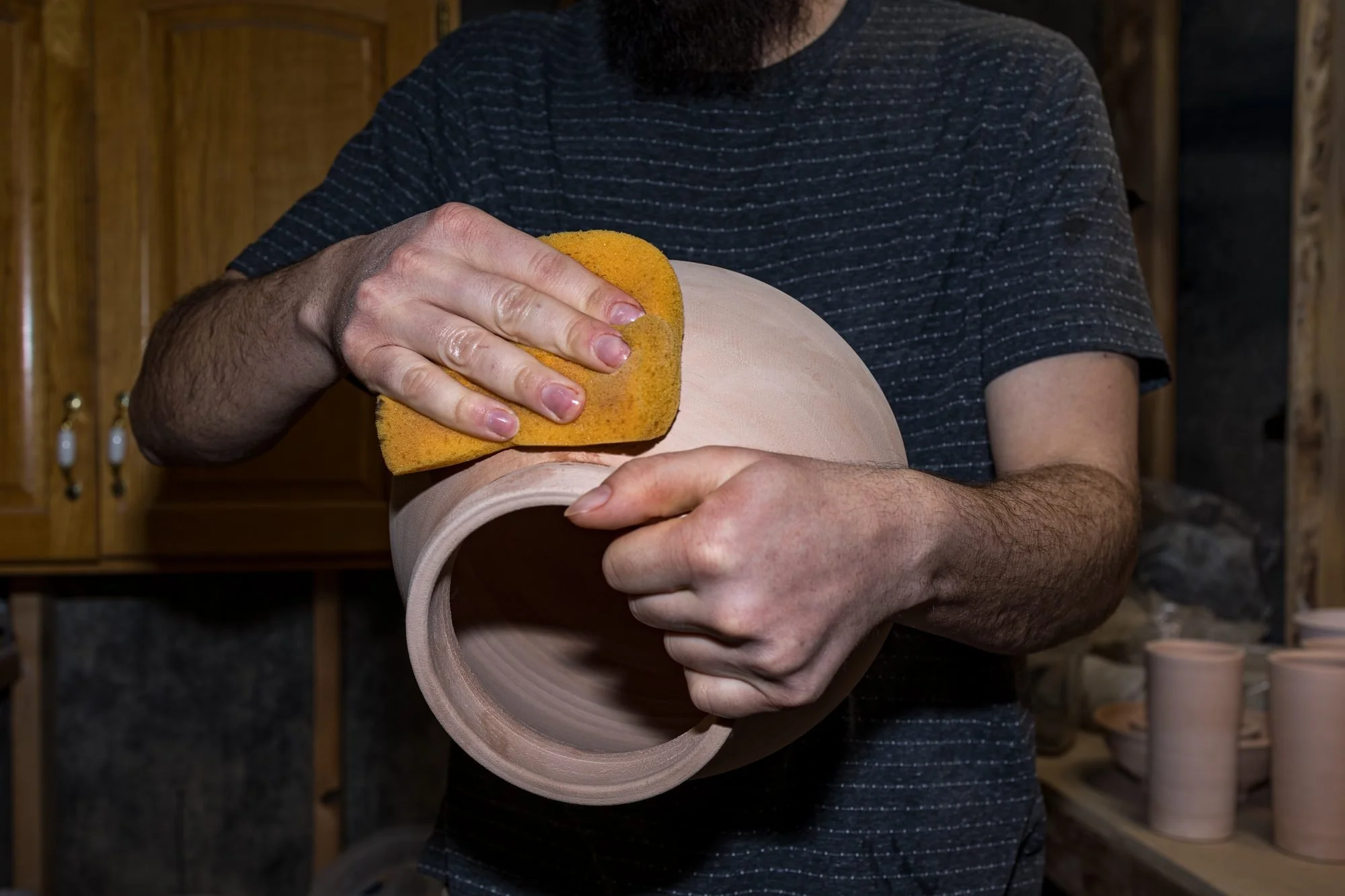
Crawling and Shivering — Why Glazes Fail
Crawling and shivering are not just part of ceramics. One is an application problem and the other is chemistry. Both can be prevented.
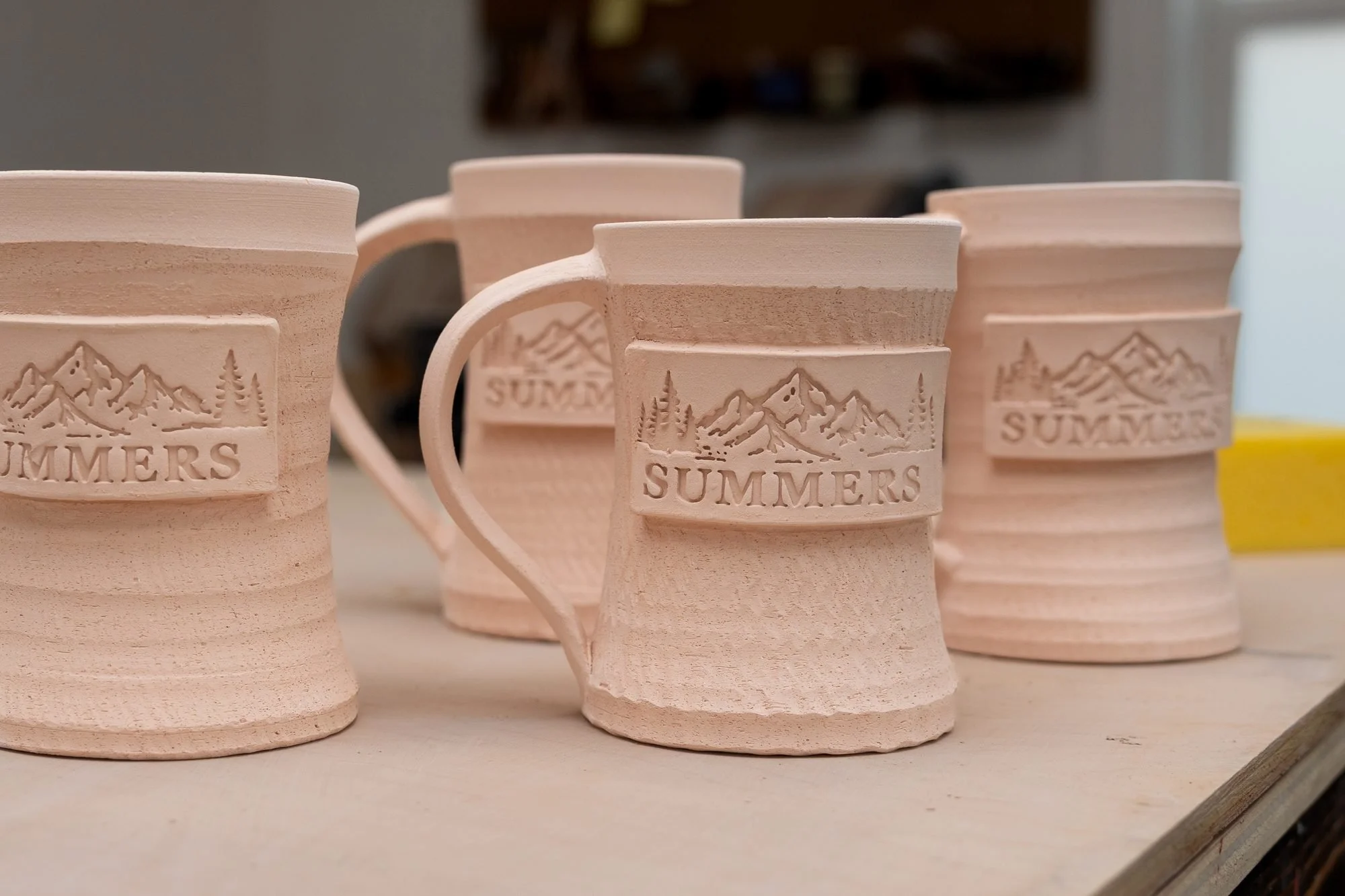
Why Some Handles Feel Right
A comfortable mug handle is geometry: weight, thickness, negative space and a firm attachment. Here is what I think about.
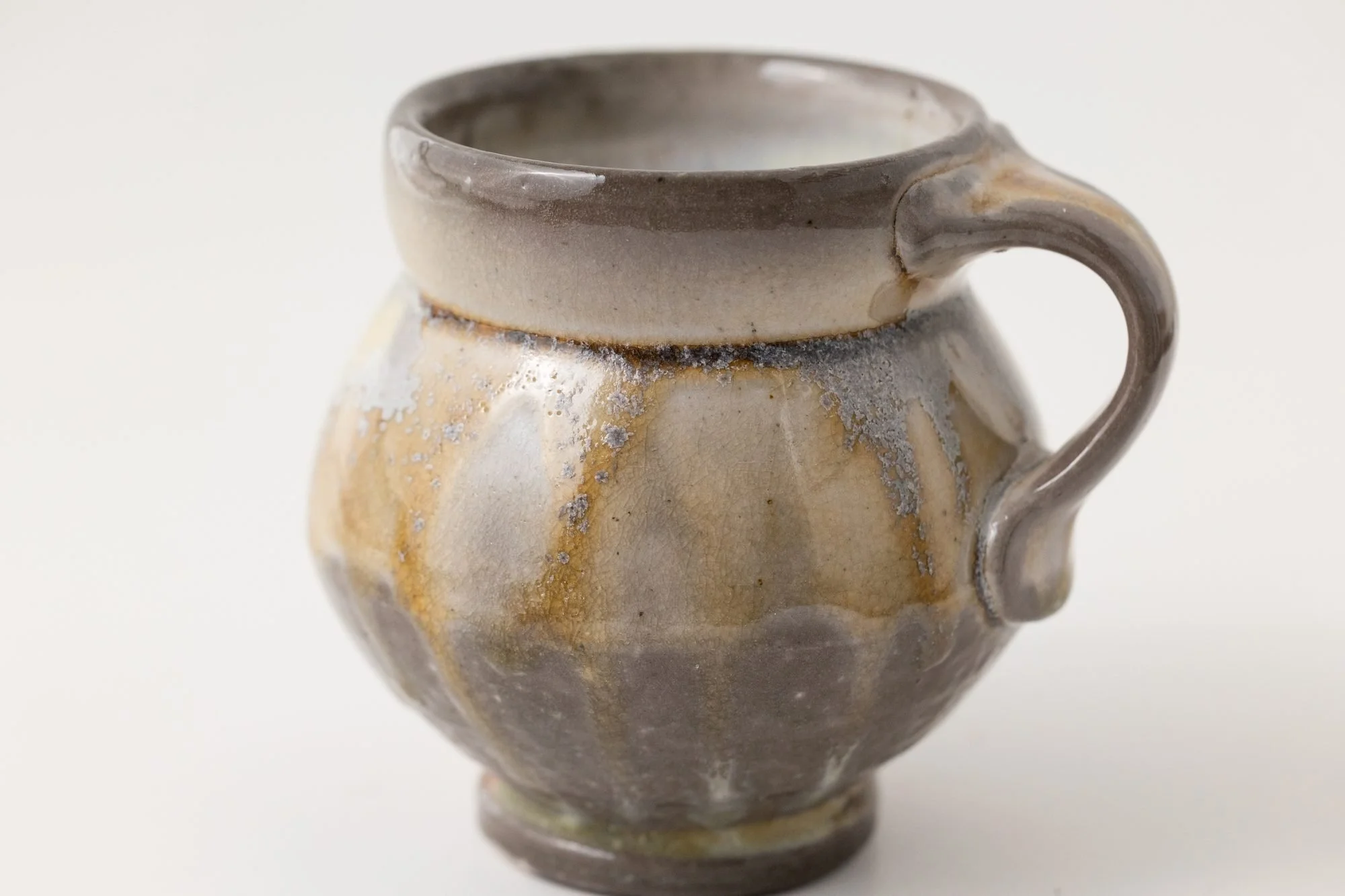
Is Handmade Pottery Durable?
Yes, handmade pottery is durable when it's made and fired correctly. Here's what makes the difference.
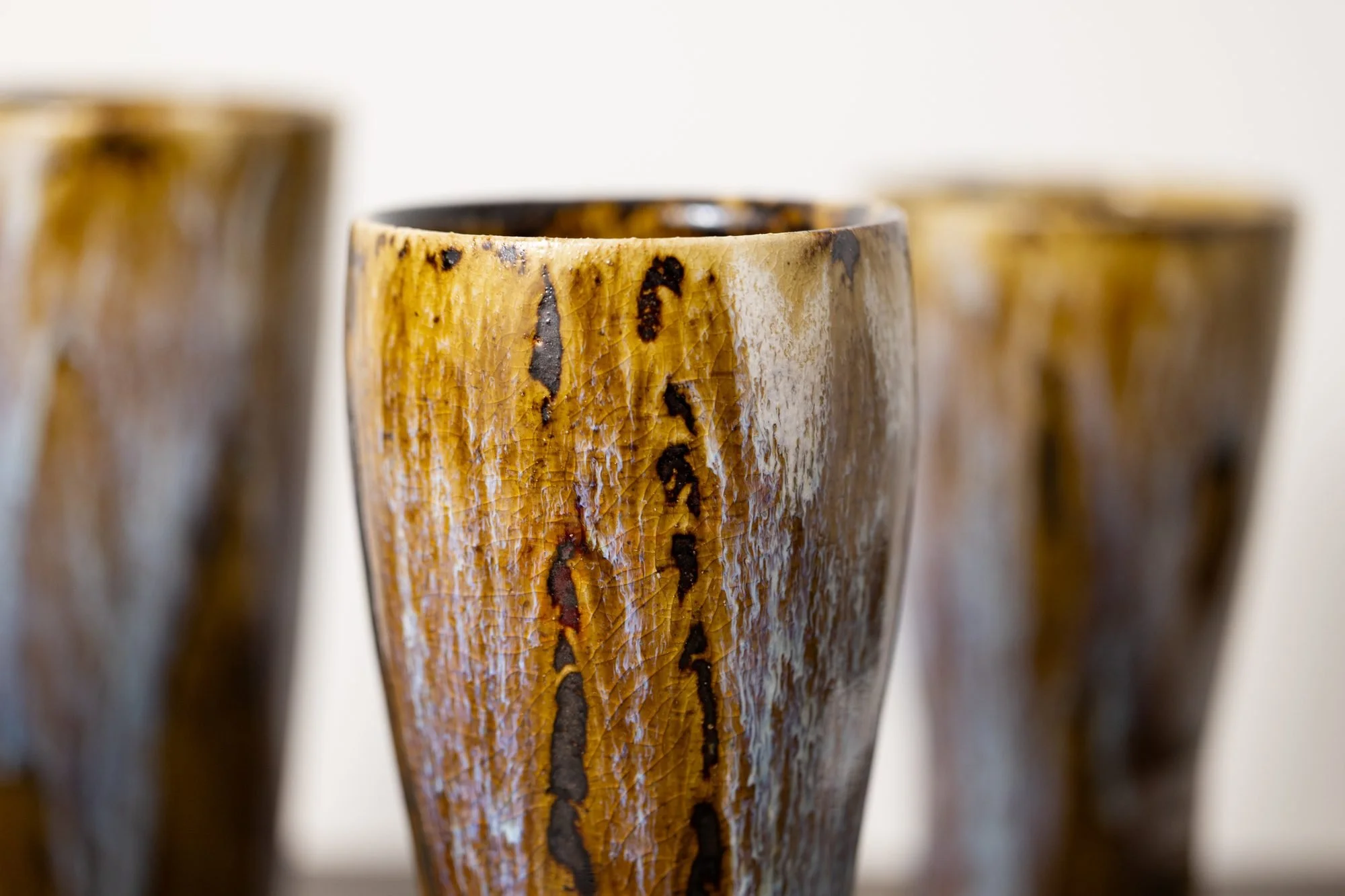
What’s Available Right Now
Fresh from the last cone 10 firing: mugs, a few bowls and vases, built for daily use. Here's what's in this batch.
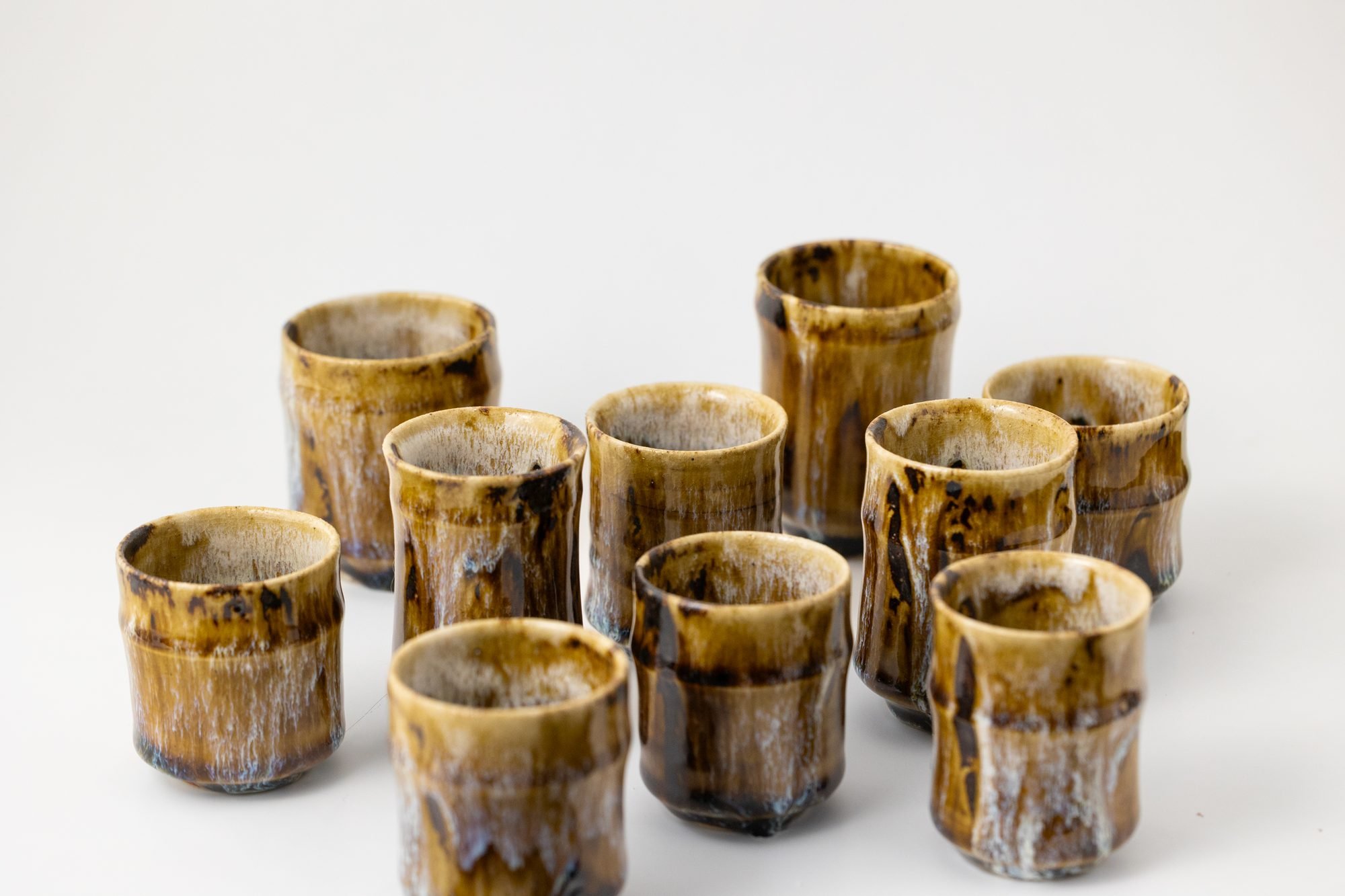
I’m Not in a Hurry
There are faster ways to make pottery. Why I'm taking the slow road with cone 10 work and the salt kiln.