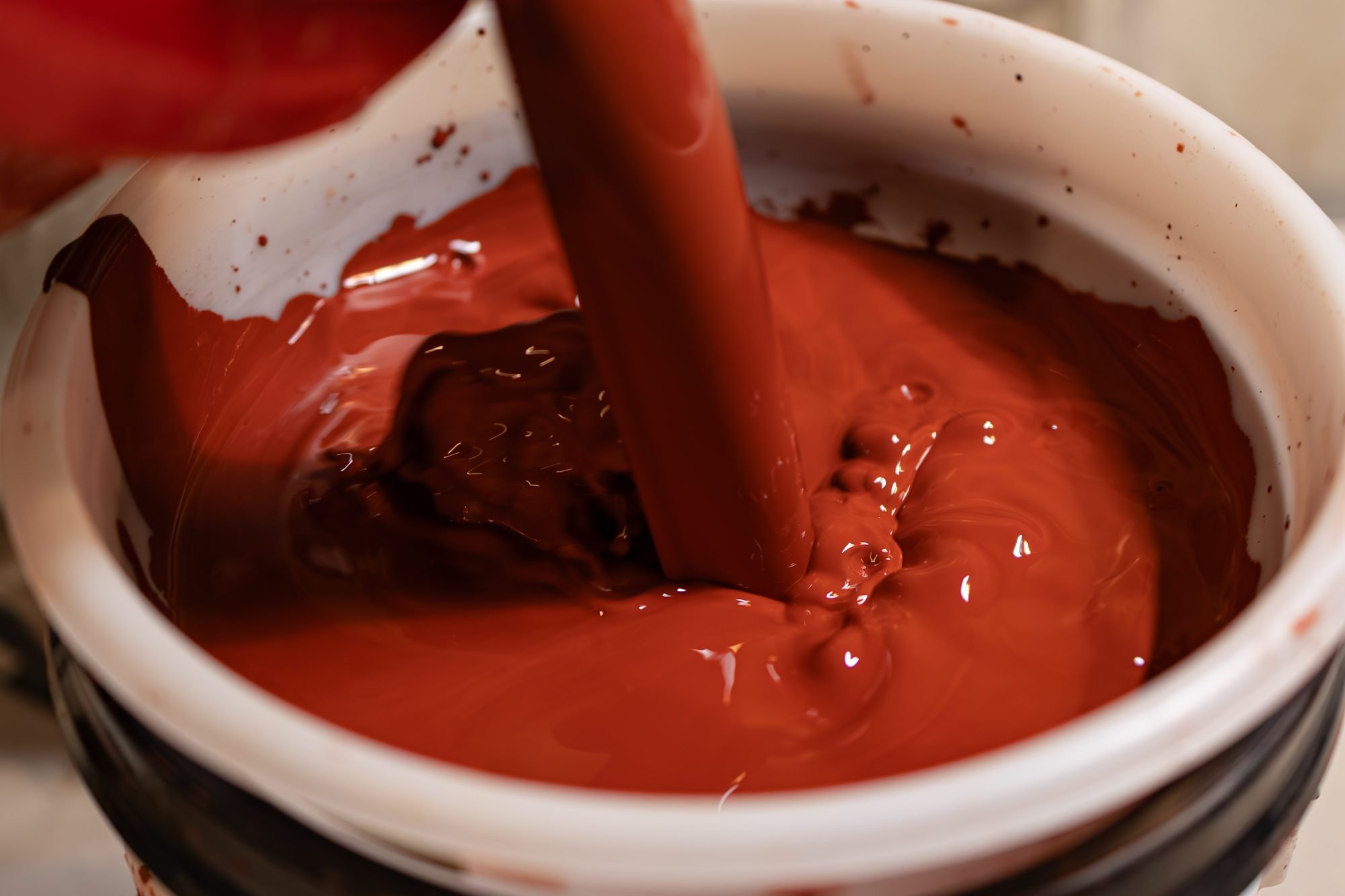
Consistency Starts With Measurement
Repeatable glaze results start with measurement: specific gravity, dip time, firing schedule and clay body, all written down.
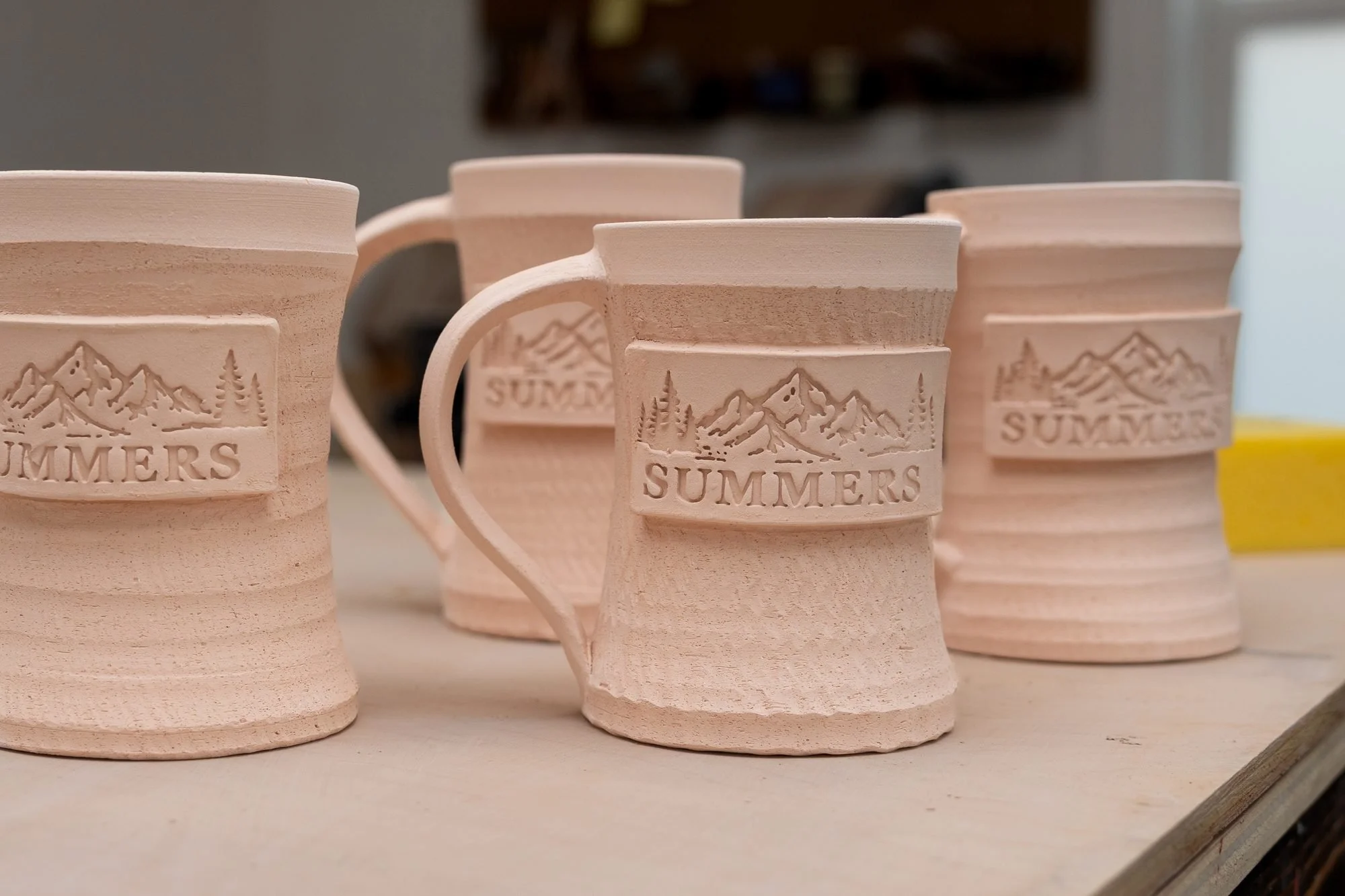
Why Some Handles Feel Right
A comfortable mug handle is geometry: weight, thickness, negative space and a firm attachment. Here is what I think about.
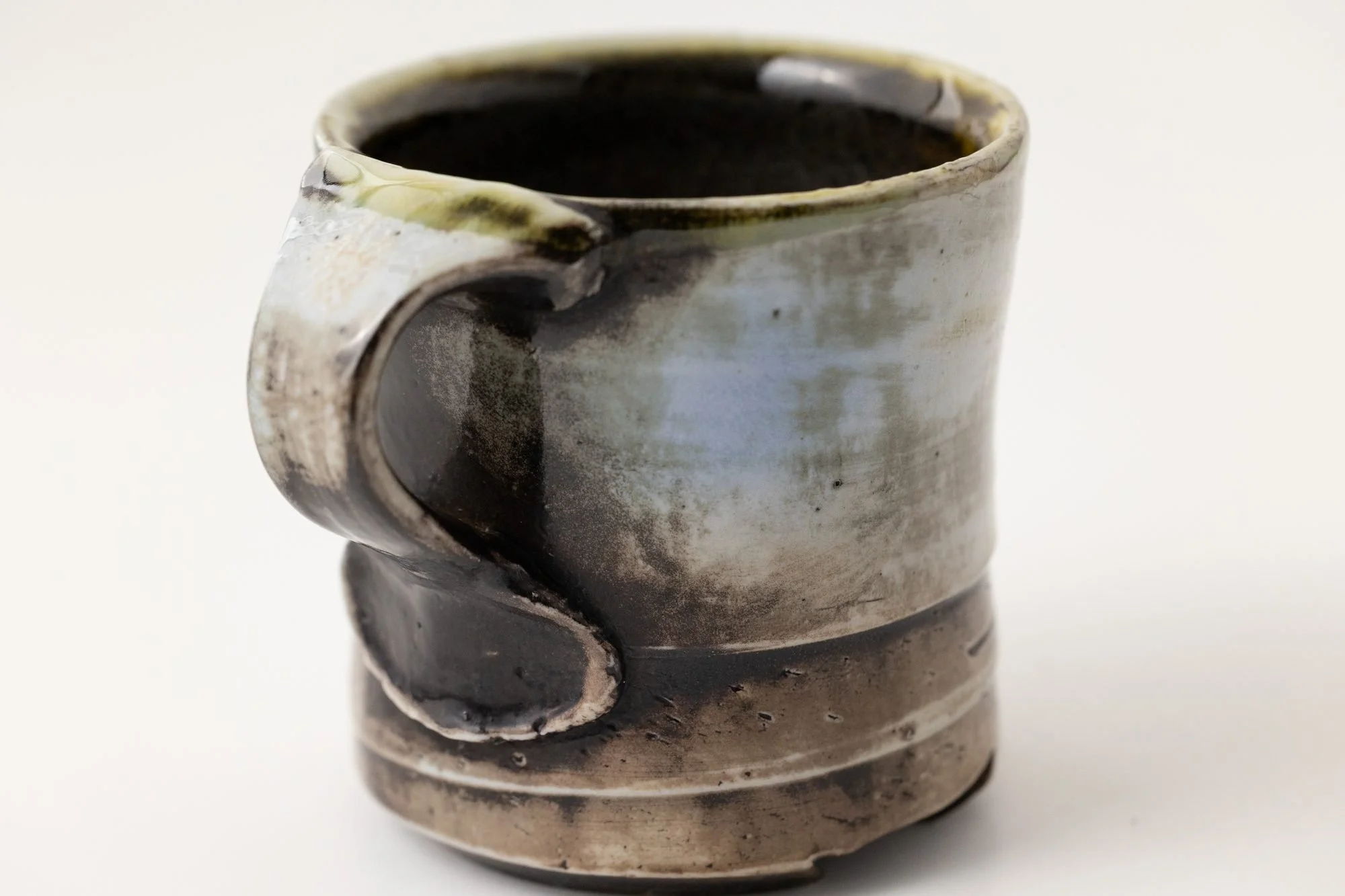
Why Salt Fired Surfaces Age Well
Salt fired surfaces are formed in the kiln, not painted on, which is why they age with use instead of fading.
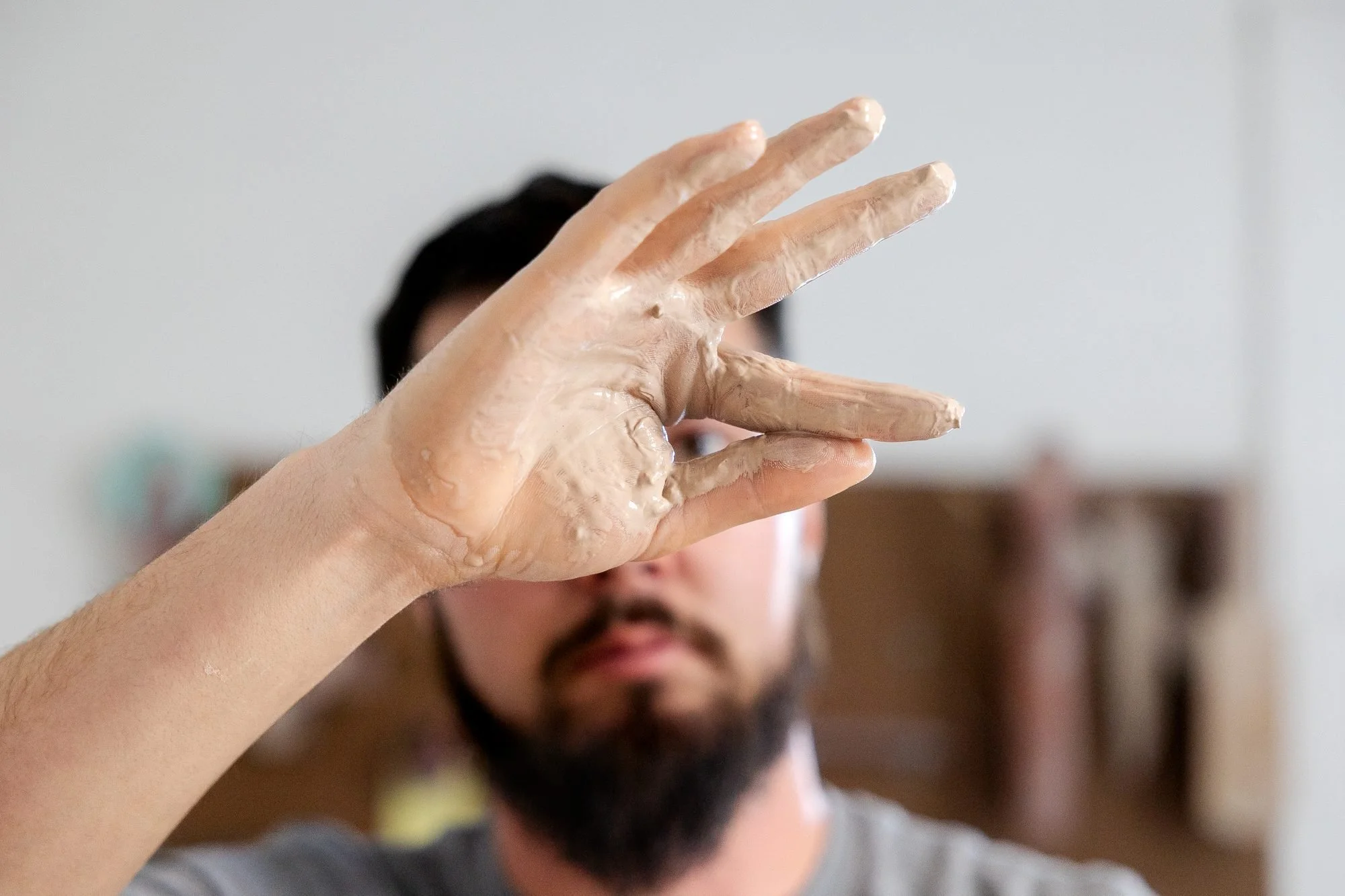
Why Handmade Isn’t Cheap
Handmade pottery is not expensive because it is handmade. It costs more because of time, high firing, testing and editing.
Can Handmade Pottery Go in the Microwave and Dishwasher?
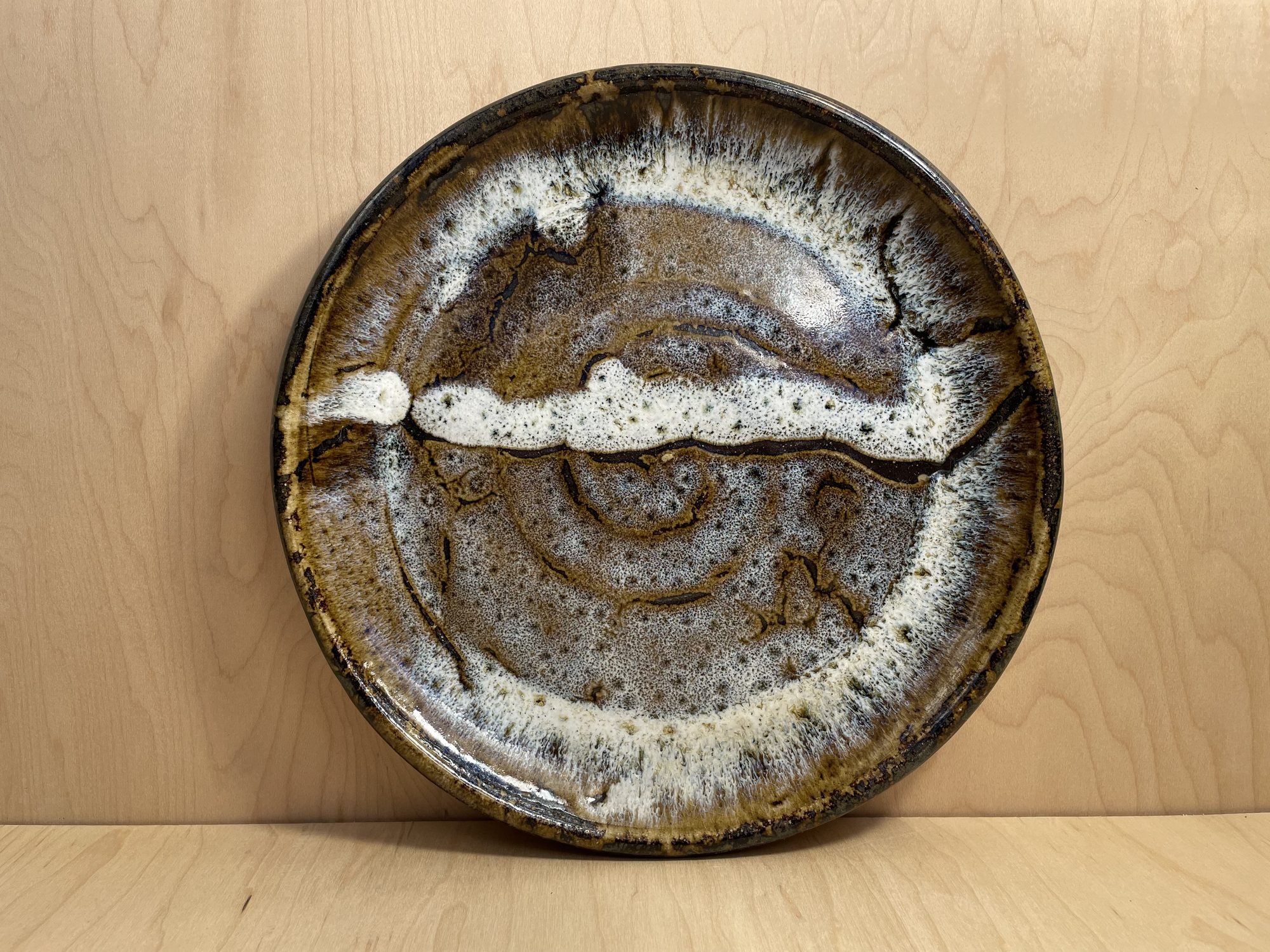
Can handmade pottery go in the microwave and dishwasher? Usually yes. It comes down to vitrification and glaze fit.
Is Handmade Pottery Durable?
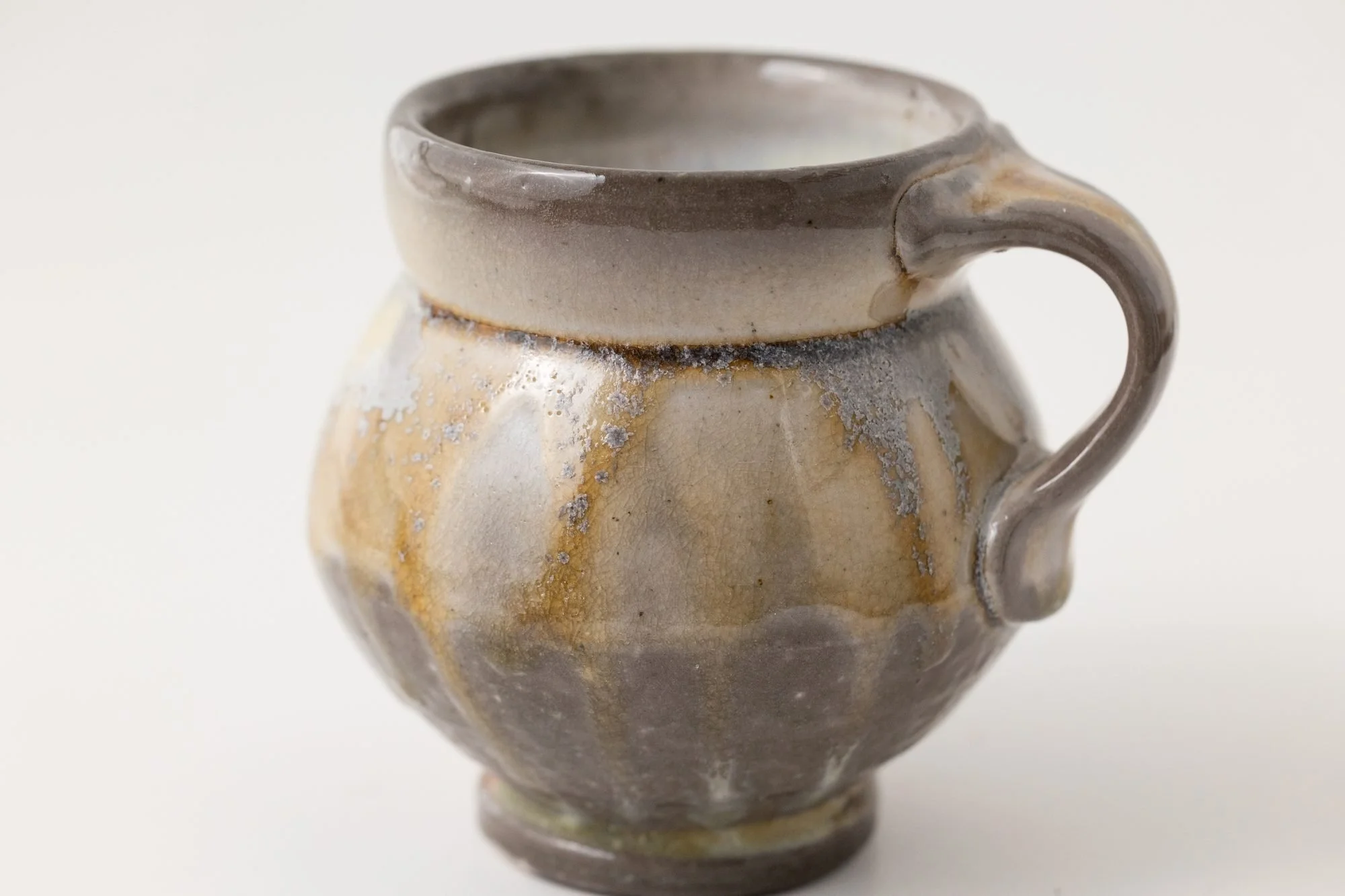
Yes, handmade pottery is durable when it's made and fired correctly. Here's what makes the difference.
Is Salt Fired Pottery Food Safe?
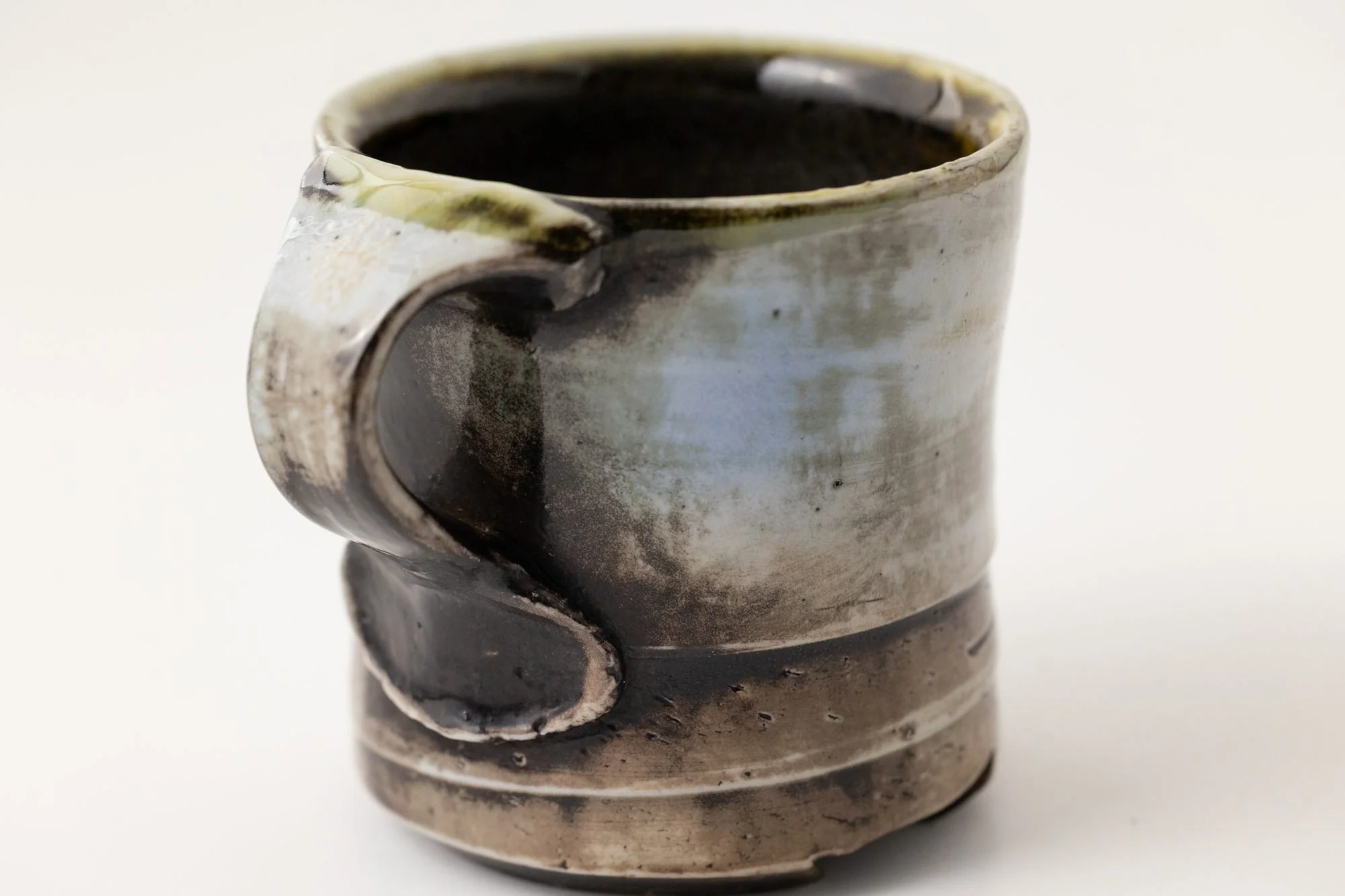
Yes, salt fired pottery is food safe when it's fired correctly. Here's what happens in the kiln and what makes it safe.
What’s Available Right Now
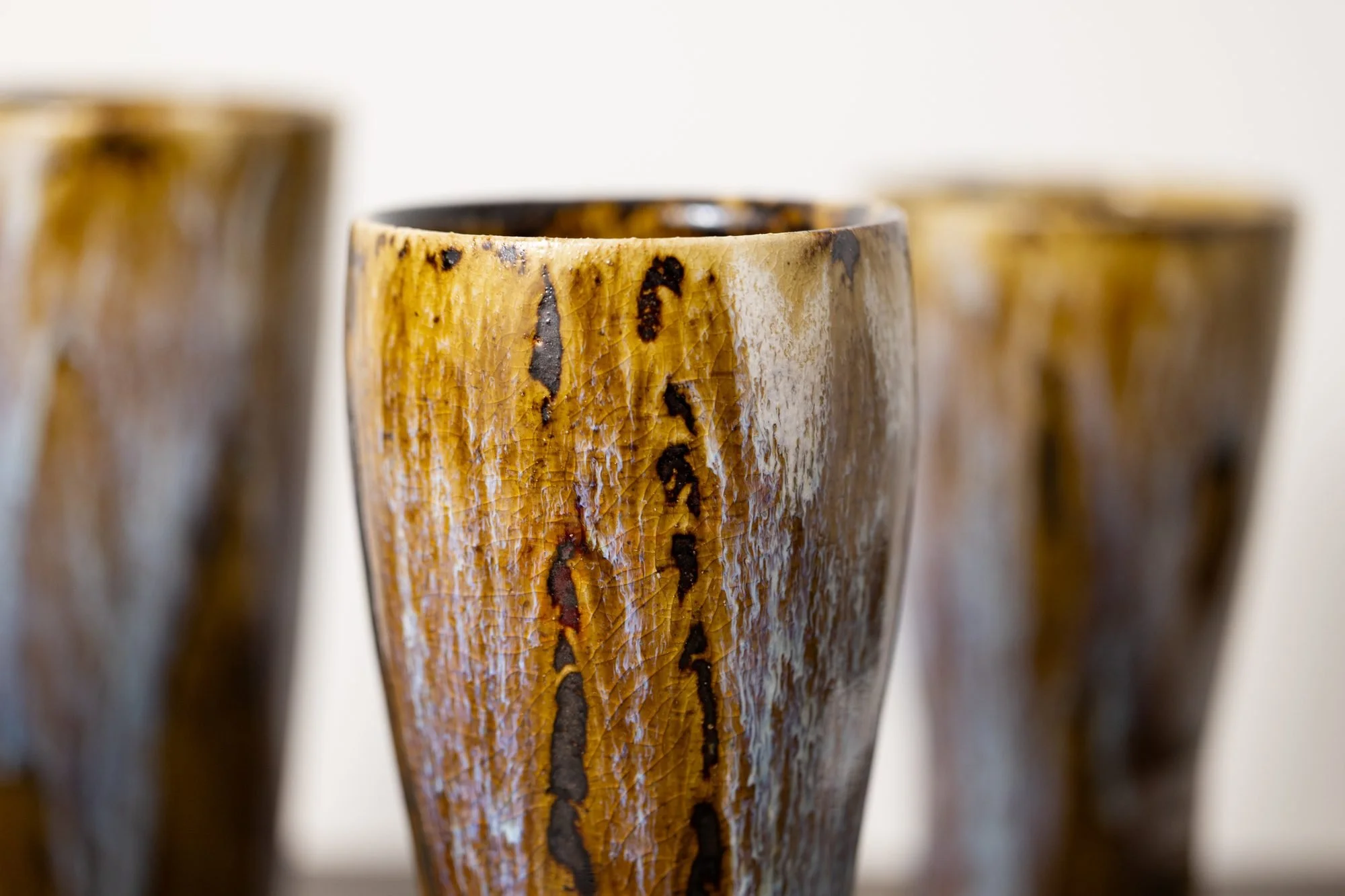
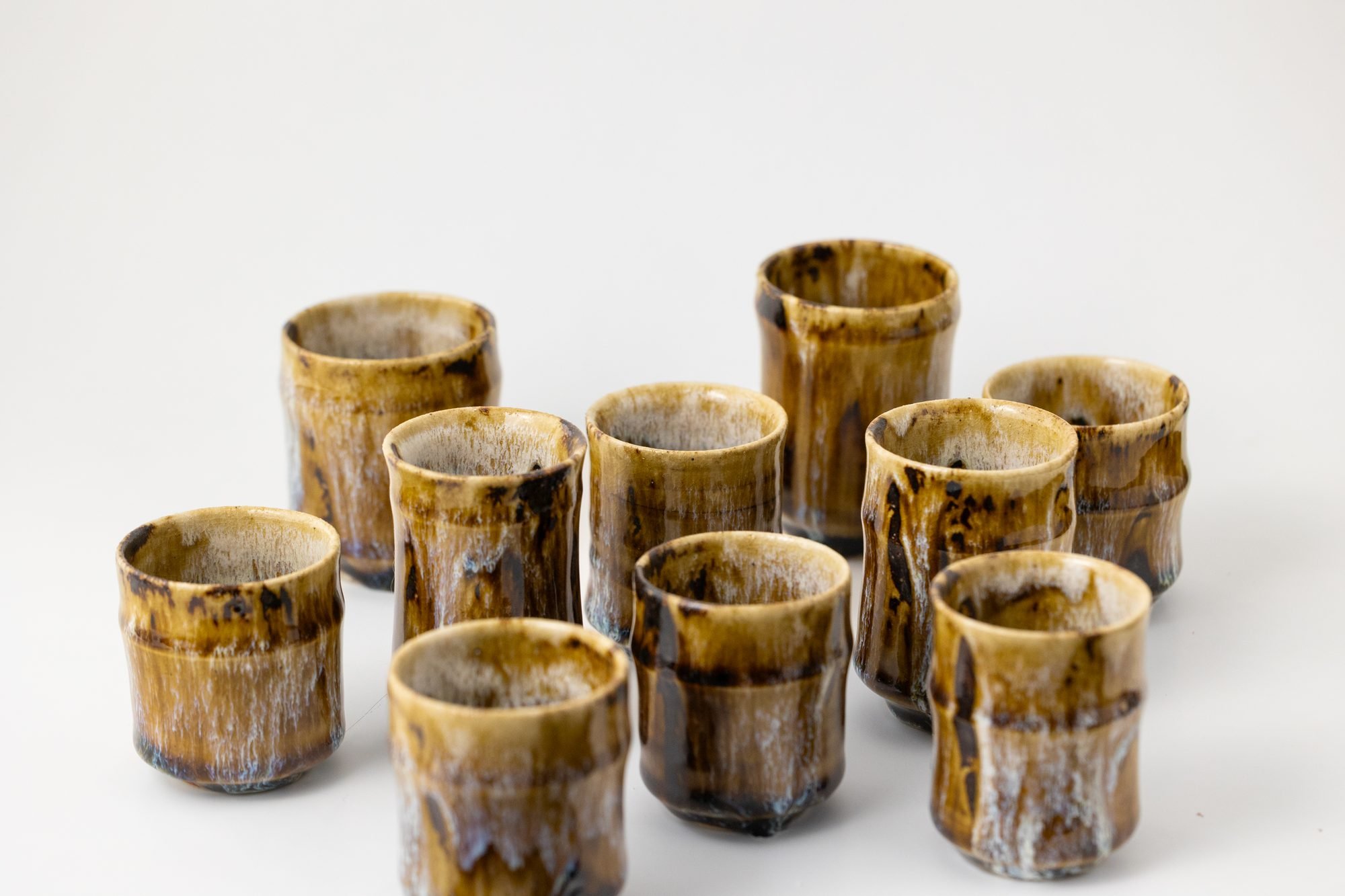
Fresh from the last cone 10 firing: mugs, a few bowls and vases, built for daily use. Here's what's in this batch.
I’m Not in a Hurry
There are faster ways to make pottery. Why I'm taking the slow road with cone 10 work and the salt kiln.
How to Tell If a Mug Is Actually Well Made
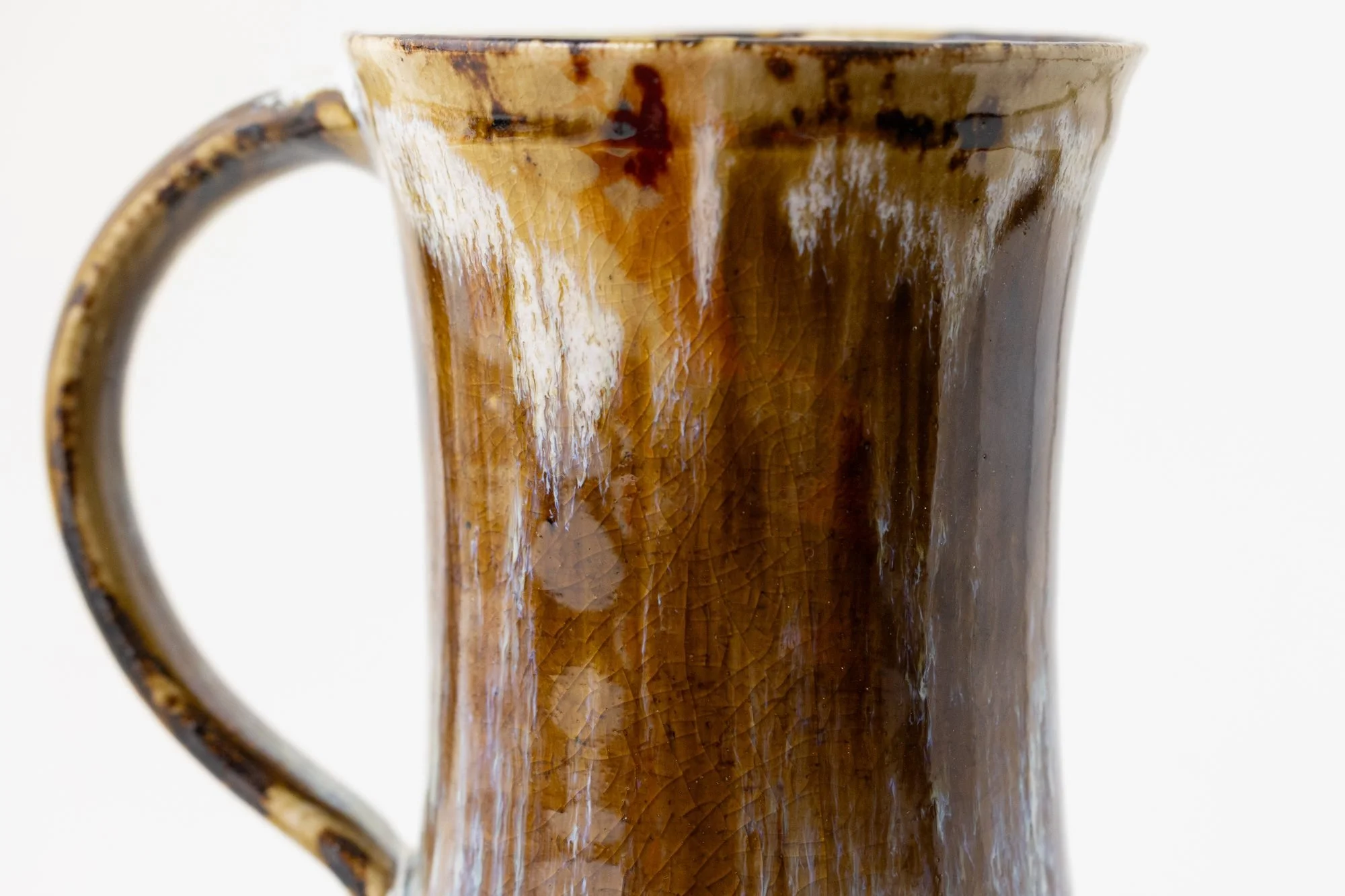
Six quick checks to tell if a handmade mug is actually well made: rim, weight, foot, handle, surface and sound.
It Survived Cone 10
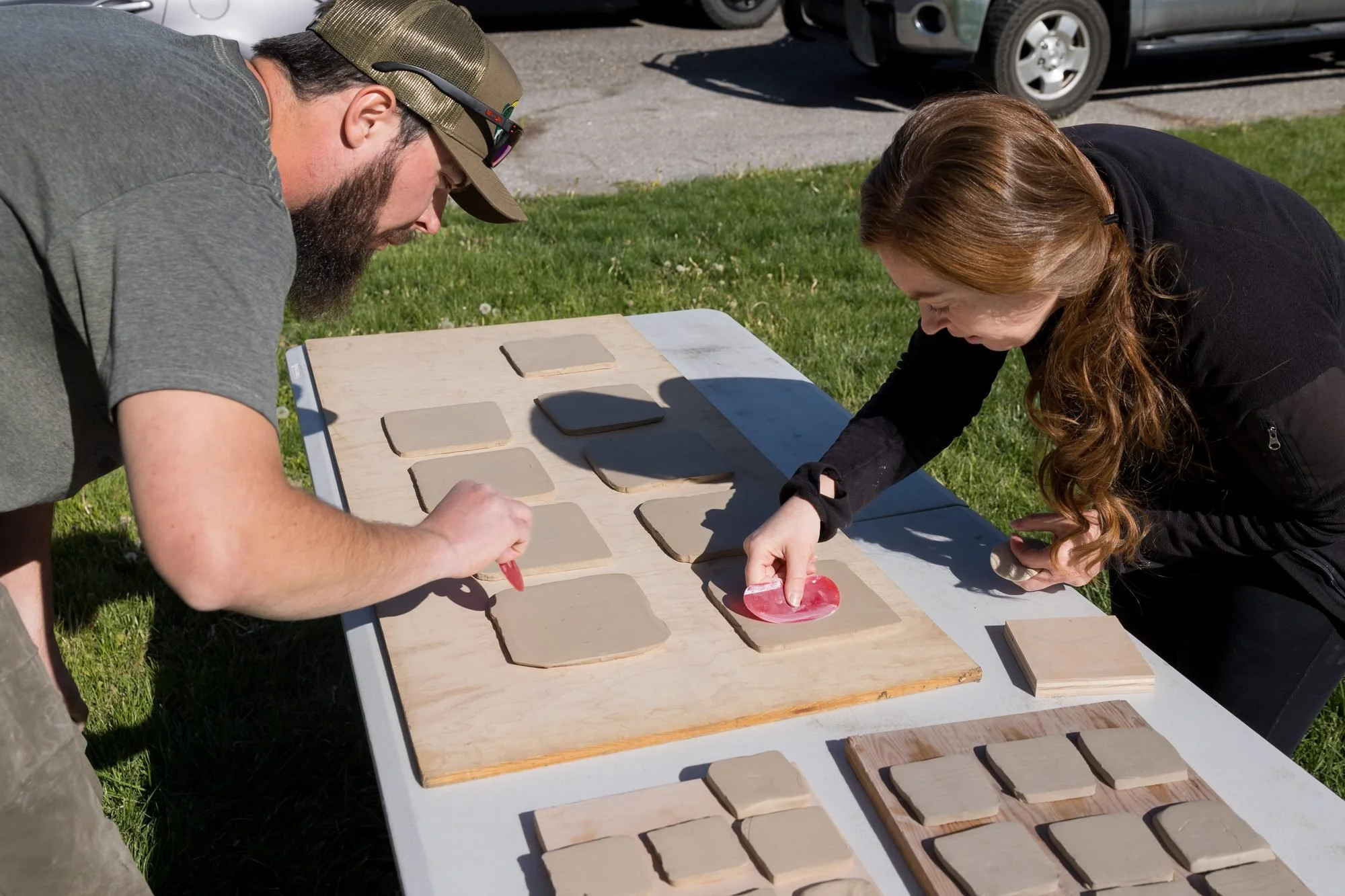
Most of my wild clay tests have failed. This one survived cone 10, and it's the first that has.
What Changes Between Throwing and Trimming
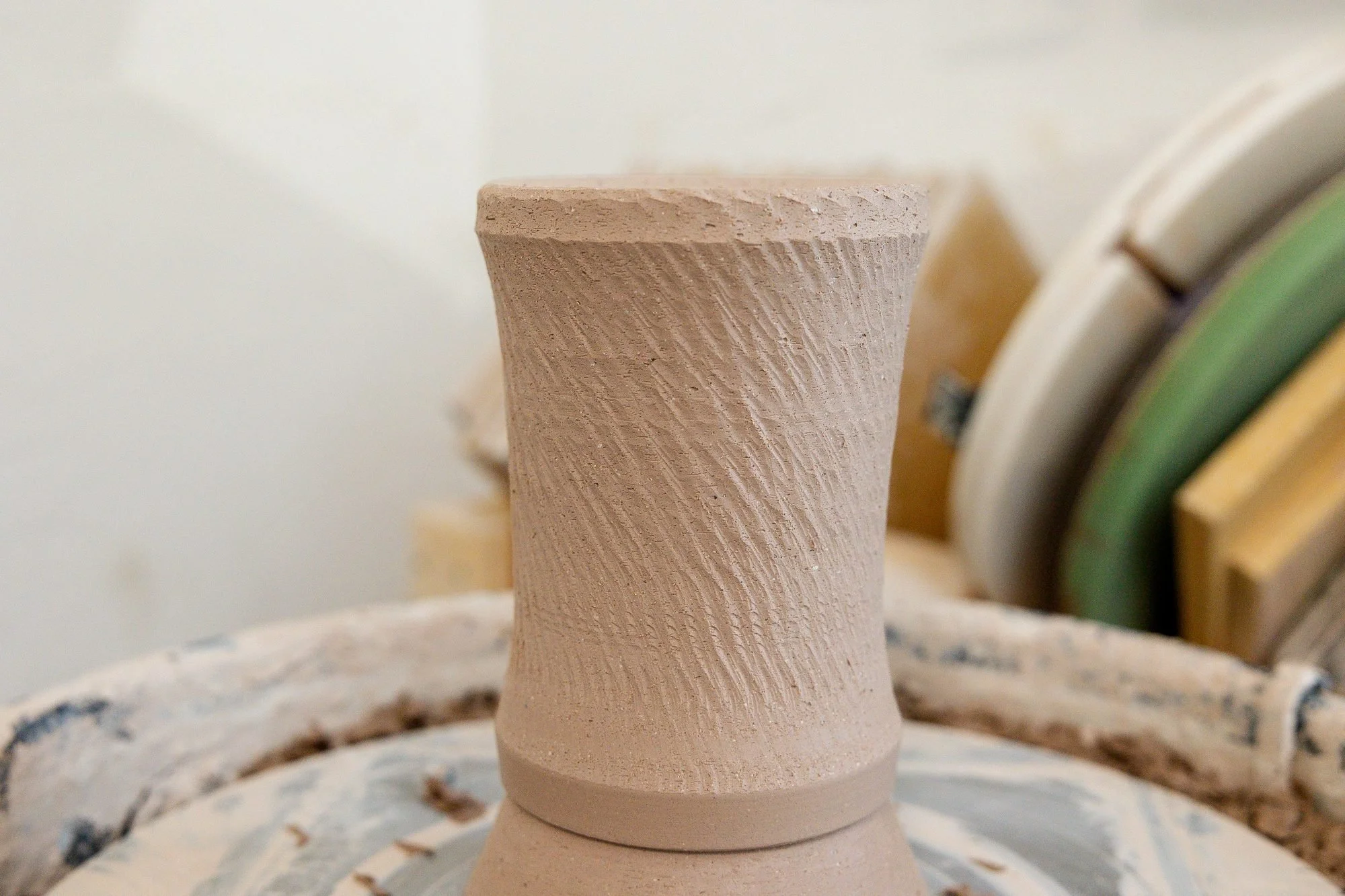
Throwing gets the credit, but trimming is where a pot's weight, foot and balance get decided.
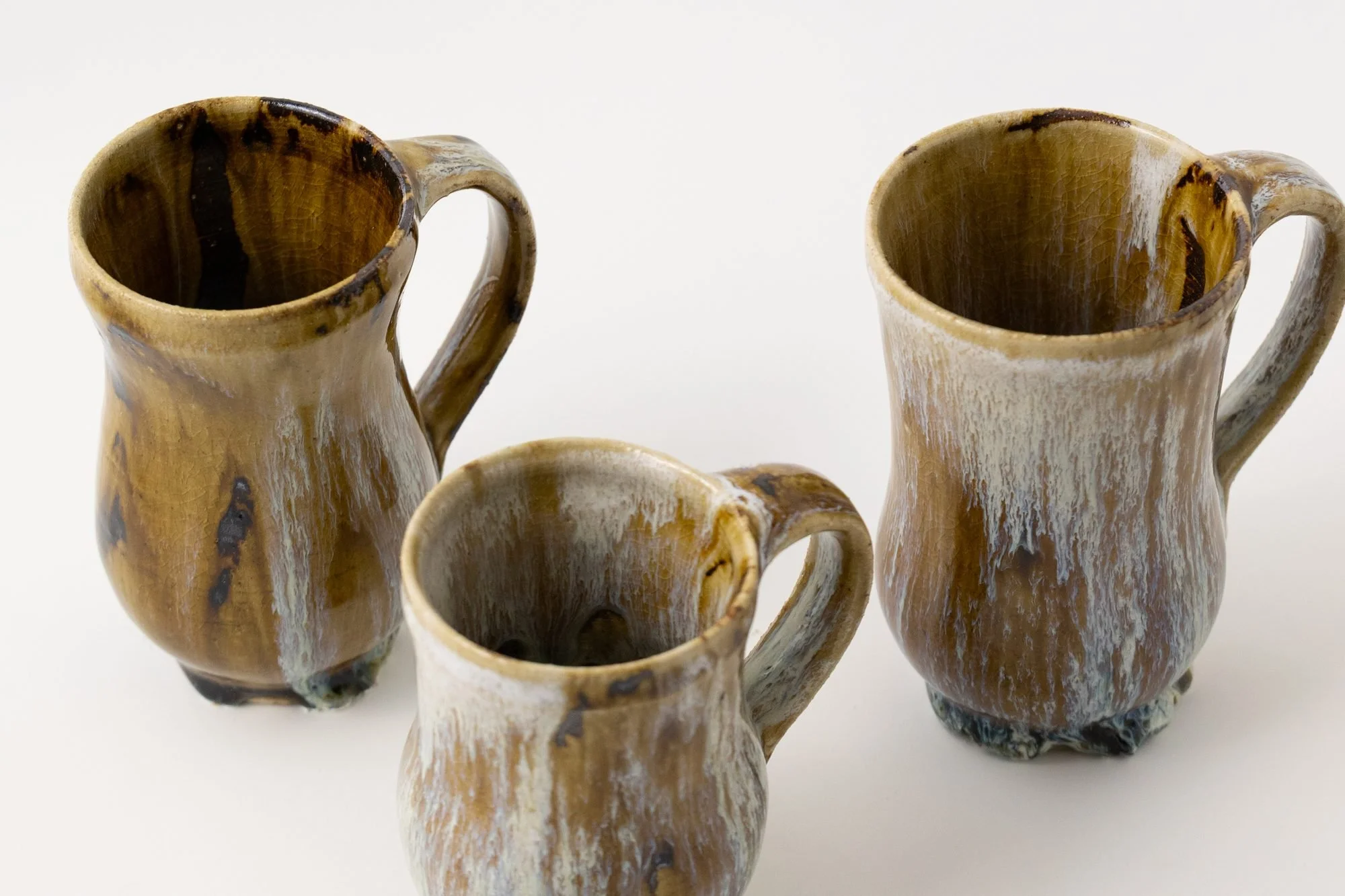
Why You Always Grab the Same Mug
The mug you always reach for earns its place slowly. Here's what makes it, and what I think about at the wheel.
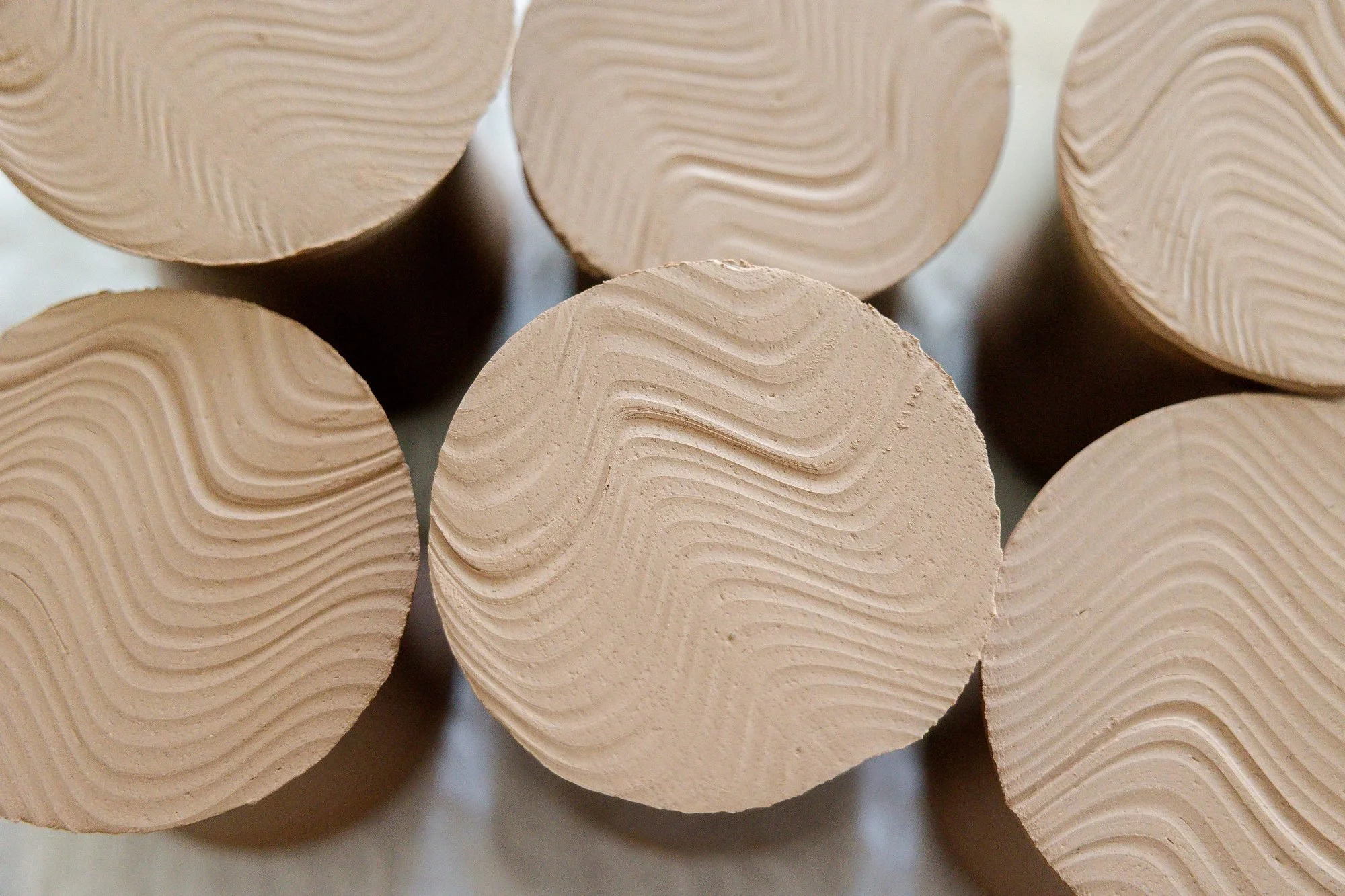
Not Everything Belongs in My Kiln
I don't fire everything I make. Why some pots stop on the ware board, and why salt never fixes a weak form.
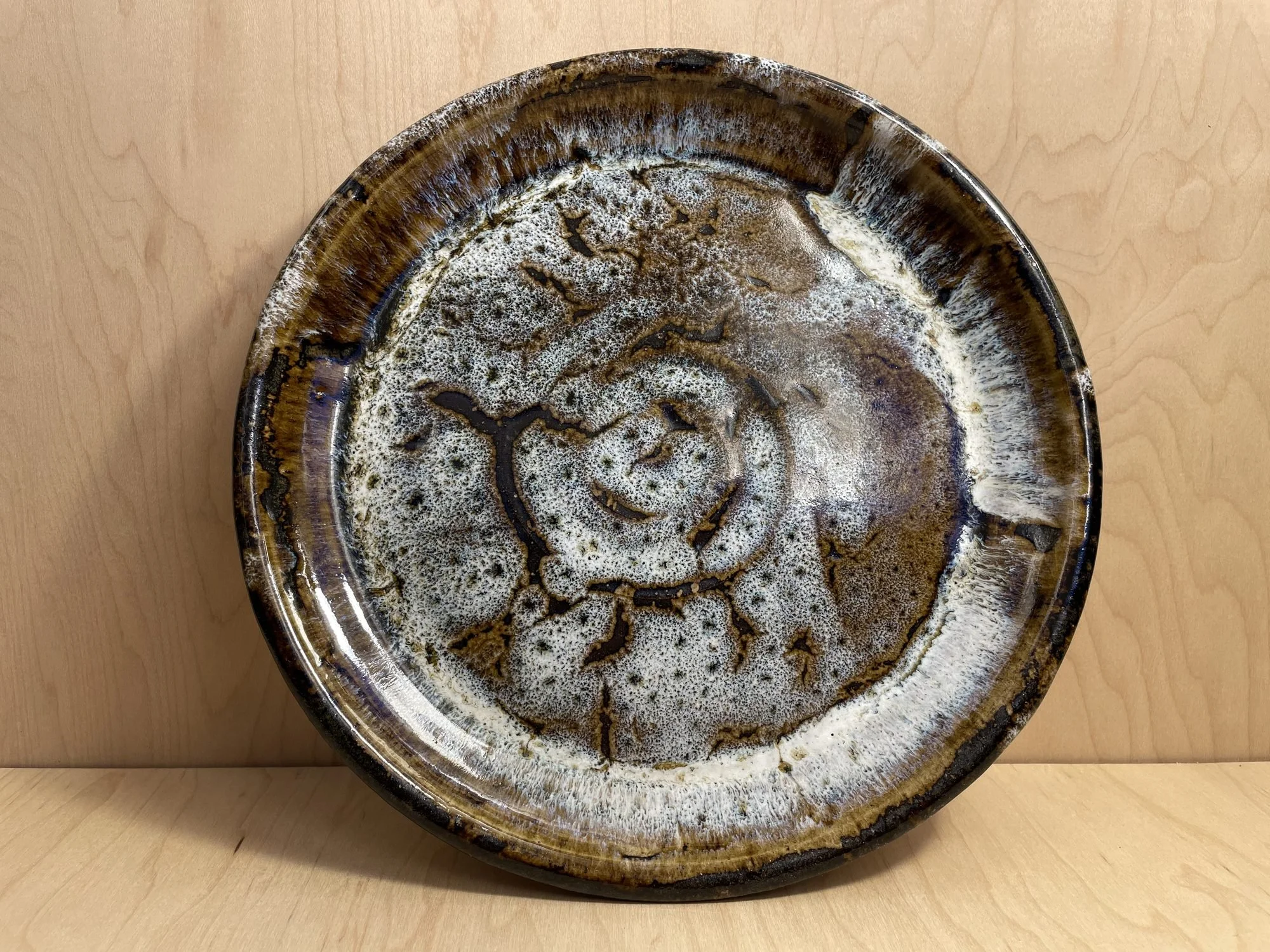
Heat Isn’t the Hard Part
Getting a kiln hot is easy. Designing a salt kiln where the air moves right is the real work.
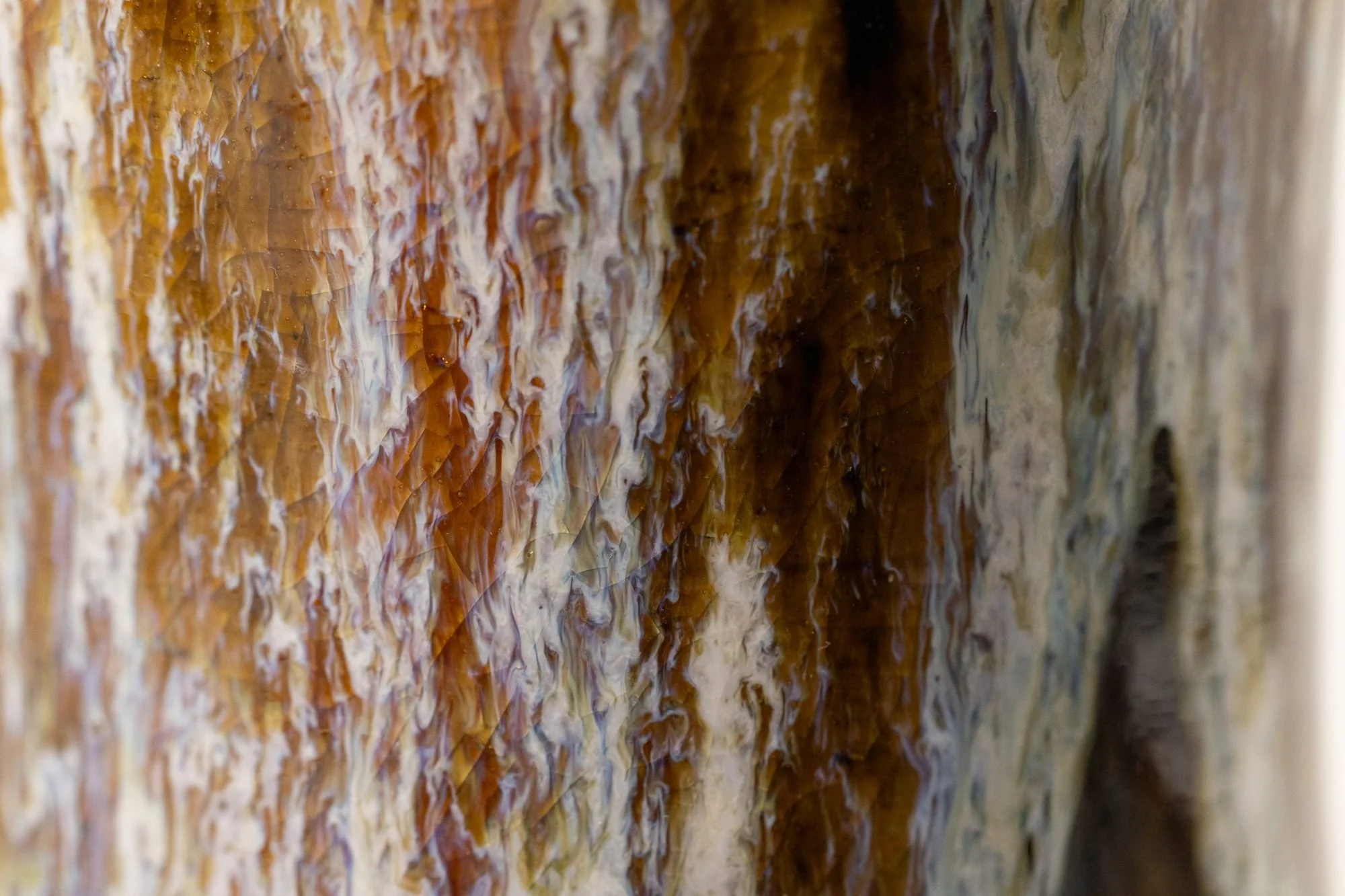
Surface Gets the Credit. The Rim Does the Work.
The glaze gets the credit, but the rim is what meets your mouth every morning. Why I fuss over every mug lip.
The Day the Kiln Became Real
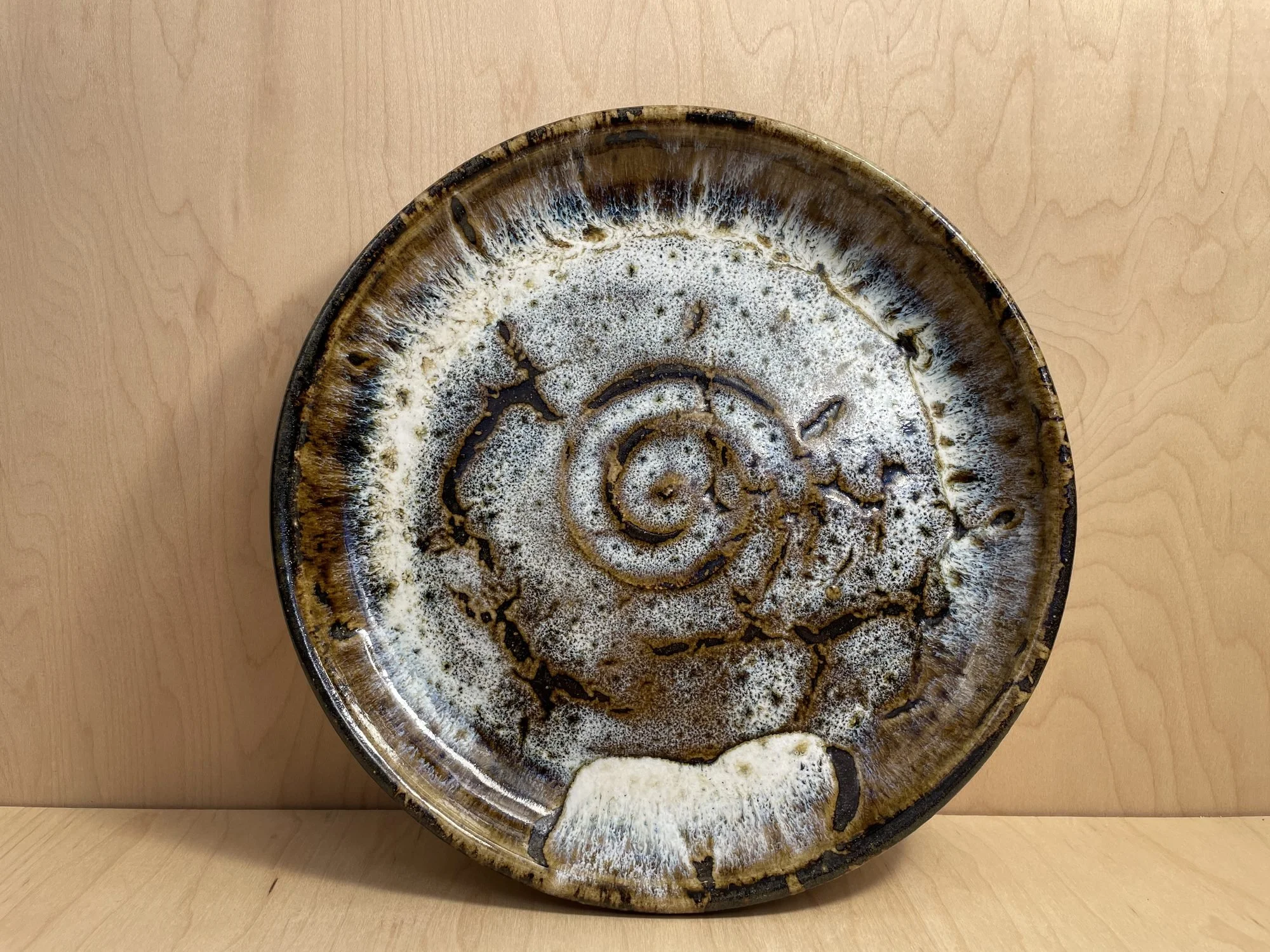
The salt kiln lived in notebooks for years. Pouring the concrete pad in the backyard made it real.
Advice I’d Give My Younger Self in the Studio
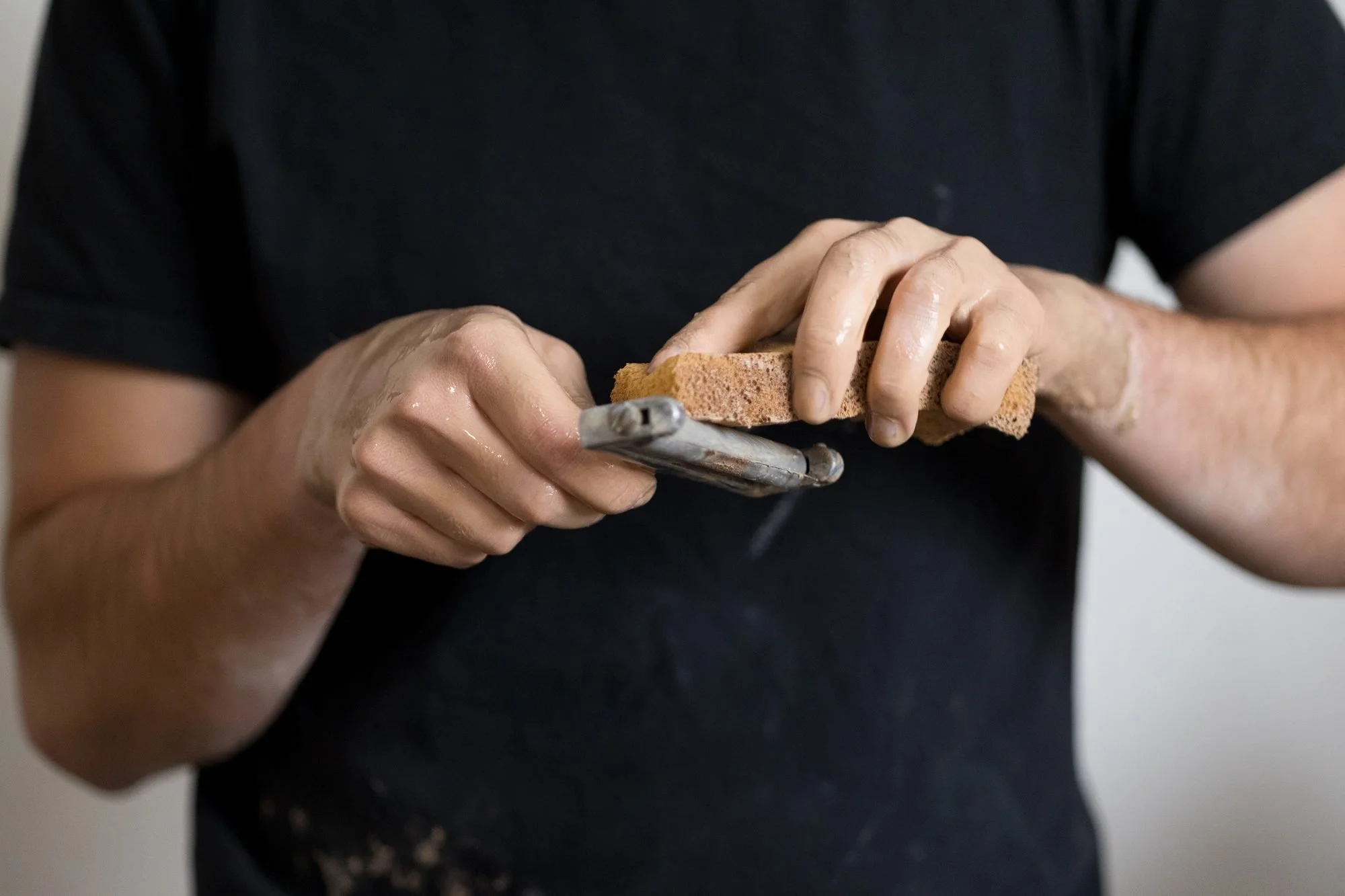
The advice I'd give my younger self in the studio: slow down, master the basics, and treat failure as part of the apprenticeship.
What Failure Has Actually Cost Me
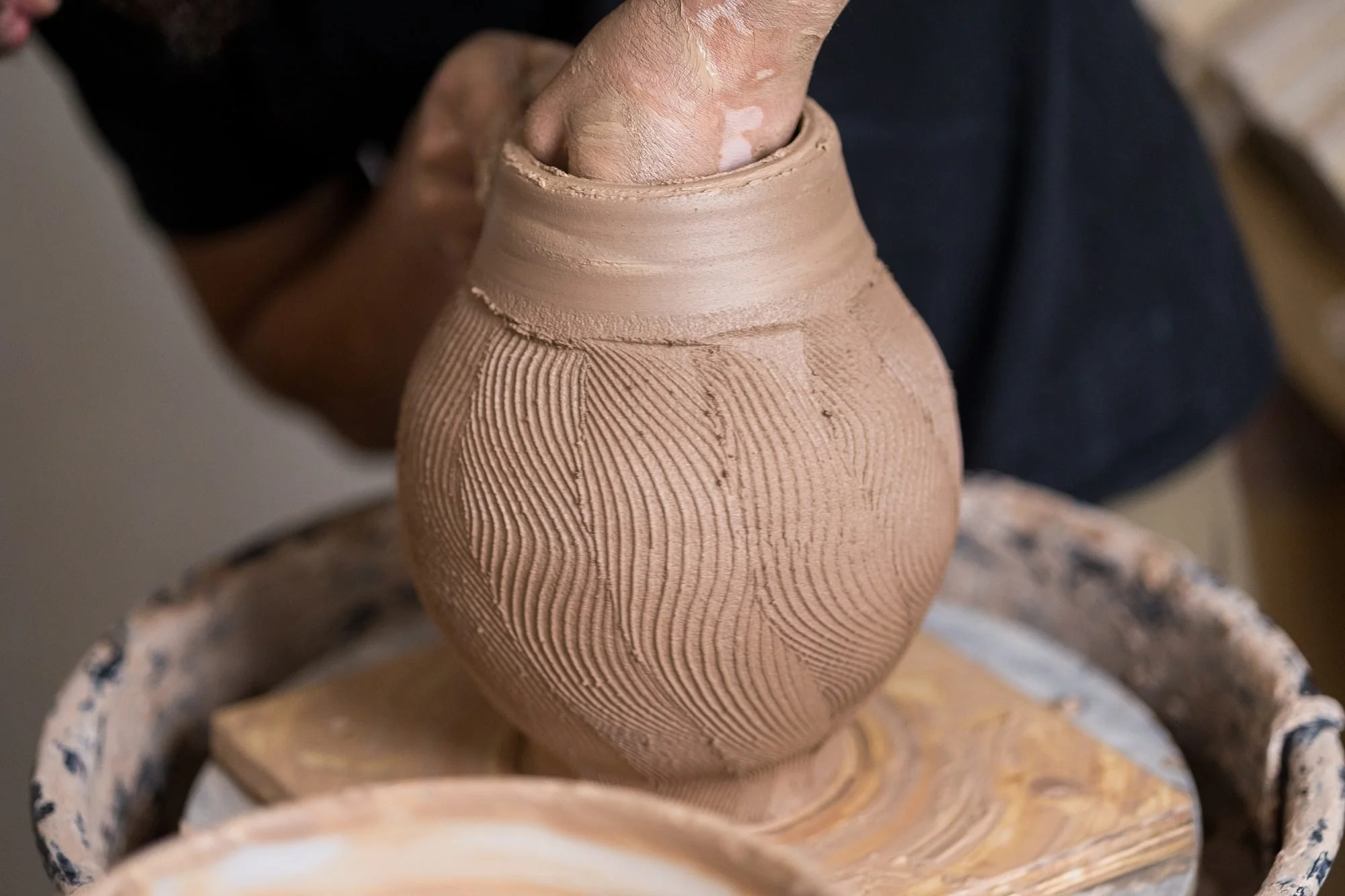
Failure in clay is quiet. It costs time and confidence more than clay, and it pays you back in discipline.
The Limits of Utah Wild Clay
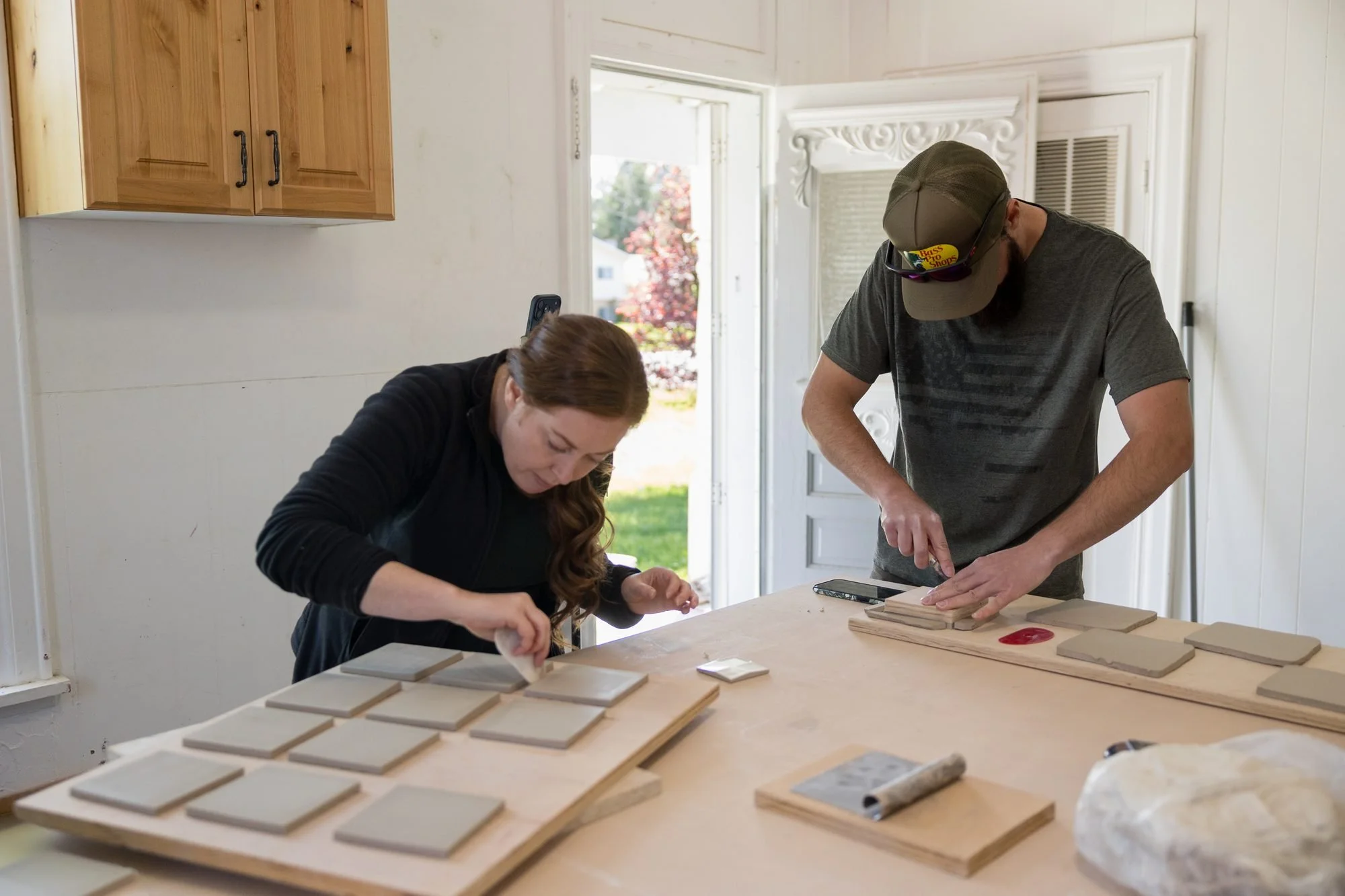
Digging your own clay is romantic. Firing it to cone 10 isn't. What Utah wild clay has taught me about its limits.